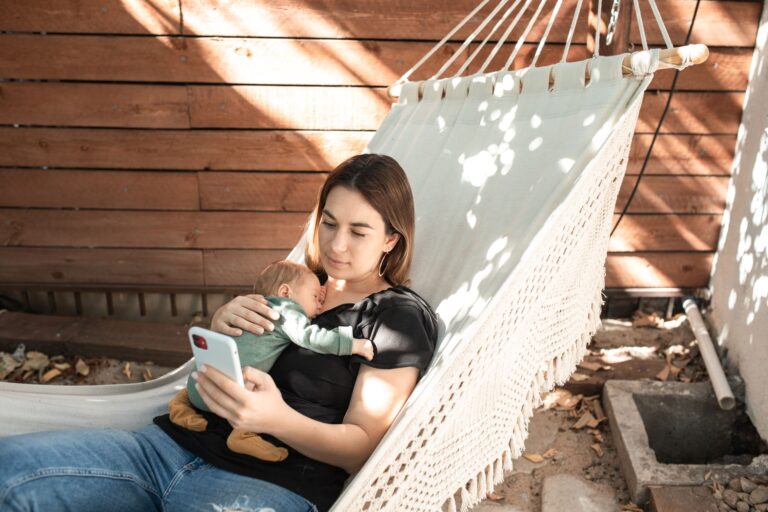
Understanding Sleep Training: What It Actually Is
Sleep training is a broad category of approaches parents use to help their babies learn to sleep independently and develop better sleep habits. The term gets thrown around so casually that it’s often misunderstood, but understanding what sleep training actually means is the first step toward making an informed decision about whether it’s right for your family.
At its core, sleep training involves helping your baby learn to fall asleep without your direct intervention—meaning without you holding them, rocking them, nursing them to sleep, or using other sleep aids. The goal is for your baby to be able to fall asleep and stay asleep with minimal parental involvement, allowing them to sleep better and allowing you to get sleep too.
Sleep training doesn’t mean abandoning your baby or ignoring their needs. It doesn’t mean letting them cry for hours. It doesn’t mean being harsh or unresponsive. What it does mean is implementing a structured approach to help your baby develop independent sleep skills. Different sleep training methods vary dramatically in philosophy, intensity, and parental involvement—which is why understanding the options matters so much.
Why Parents Consider Sleep Training
Sleep deprivation is real, and it’s one of the hardest parts of early parenthood. Many parents don’t realize that their exhaustion isn’t just a normal part of having a newborn—sometimes it’s a sign that their baby hasn’t yet developed independent sleep skills, and sleep training could help.
Chronic sleep deprivation affects every aspect of parental functioning: mood, patience, decision-making, immune system, and overall health. When parents are severely sleep-deprived, they’re less able to respond well to their children, manage stress, or take care of themselves. Getting more sleep isn’t selfish—it’s necessary for functioning.
Babies who haven’t learned independent sleep skills often require parental intervention for every sleep cycle. This means parents might be woken multiple times per night, every single night, for months or even years. While some sleep disruption is normal in infancy, some babies struggle much more than others with independent sleep.
Work and life demands sometimes create situations where parents need their baby to sleep more reliably. Returning to work, managing older children, or other life circumstances sometimes make better baby sleep a genuine necessity.
Partner dynamics can be affected by sleep deprivation and sleep issues. Some couples find that addressing baby sleep issues through sleep training actually improves their relationship and family functioning.
Developmental readiness suggests that babies reach a point where they’re capable of learning independent sleep. This happens gradually over the first year and beyond, and recognizing when your baby is ready can help you implement sleep training when it’s most likely to be successful.
It’s important to know: considering sleep training doesn’t make you a bad parent. Sleep training isn’t the only valid approach to baby sleep, but it’s also not wrong or harmful when done thoughtfully and when your baby is developmentally ready.
When Is Sleep Training Appropriate? Age and Readiness
Sleep training isn’t appropriate for newborns, and understanding why helps clarify when it becomes a reasonable option.
Newborns (0-3 months) are not developmentally ready for sleep training. Their sleep-wake cycles are irregular, they need to eat frequently (often every 2-3 hours), and they don’t have the neurological development to learn independent sleep skills. During this period, responsive parenting—feeding when hungry, soothing when distressed—is exactly what babies need. Sleep training at this age would be neither effective nor appropriate.
Young infants (3-6 months) are starting to develop the capacity for longer sleep stretches and more predictable sleep patterns, but they’re not yet ready for formal sleep training. Some babies naturally begin sleeping longer at night during this period, while others still need frequent nighttime feedings. This is when you might notice some babies becoming more capable of self-soothing, but sleep training isn’t yet recommended.
Older infants (6 months and beyond) are developmentally ready for sleep training. By around 6 months, most babies are capable of sleeping through the night without feedings, their circadian rhythms are more developed, and they’re neurologically capable of learning to self-soothe and fall asleep independently. Most pediatricians suggest that 6 months is the earliest appropriate time to begin sleep training, though some families wait until 8-12 months.
Signs of readiness include: your baby is at least 6 months old, your baby has good weight gain and your pediatrician says nighttime feedings aren’t necessary, your baby is developmentally typical (sleep training can look different for babies with special needs), and your family is ready and committed to the approach.
Important note: Sleep training is never urgent. There’s no deadline by which your baby must be sleep trained. Some families never sleep train and that’s completely valid. The decision to sleep train should be made because it aligns with your parenting values and your family’s needs—not because you feel pressured or because you think you “should.”
Sleep Training Methods: A Comprehensive Comparison
There are many different sleep training approaches, each with its own philosophy, methodology, and intensity level. Understanding the differences helps you identify which approach, if any, aligns with your parenting style and your baby’s temperament.
Extinction (Cry It Out)
What it is: The baby is put down to sleep and left alone without parental intervention until they fall asleep, regardless of crying. Parents don’t return to check on the baby, comfort them, or respond to crying.
How it works: You establish a bedtime routine, put your baby down awake, and leave them to fall asleep independently. If they cry, you don’t respond. The assumption is that your presence or response will delay their learning to self-soothe.
Timeline: Babies typically fall asleep within 20-60 minutes on the first night, with crying often decreasing dramatically by night 2-3. Some babies adapt within days; others take a week or two.
Pros:
- Generally the fastest method
- Clear and straightforward to implement
- Doesn’t require complex tracking or partial responses
- Often results in quick improvement
Cons:
- Most emotionally intense for parents (listening to crying without responding)
- Requires significant commitment to not respond
- Not compatible with all parenting philosophies
- Can feel harsh or emotionally difficult
- Doesn’t work well for all babies
Best for: Families who can emotionally handle listening to crying, babies with certain temperaments, parents who prefer a clear, direct approach, situations where quick improvement is important.
Not recommended for: Sensitive parents, babies with anxious temperaments, families who philosophically oppose this approach, situations where parental stress would be too high.
Ferber Method (Graduated Extinction)
What it is: A modified version of extinction where you check on your baby at gradually increasing intervals while they’re crying, but without picking them up or extensive comforting.
How it works:
- Night 1: Let baby cry for 5 minutes, check briefly (reassure without picking up), leave. Then wait 10 minutes before next check, then 15 minutes.
- Night 2: Start with 10 minutes, increase to 15, then 20.
- Night 3: Start with 15 minutes, increase to 20, then 25.
- Continue increasing intervals each night.
Timeline: Often takes 5-7 nights for significant improvement, though some babies respond faster.
Pros:
- Less intense than full extinction (you’re checking on baby)
- Structured intervals make it easier to follow
- Emotionally easier for many parents than full extinction
- Often effective relatively quickly
- The periodic checks provide reassurance that baby is okay
Cons:
- Checking on baby can sometimes prolong crying (baby gets upset again when you leave)
- Requires precise timing
- Still involves listening to substantial crying
- Some babies respond better to consistent approach (either with or without checks)
- Takes longer than full extinction
Best for: Parents who struggle emotionally with full extinction, babies who respond well to periodic reassurance, families who want a middle-ground approach, situations where you want to check on baby but minimize parental presence.
Not recommended for: Parents who find interrupted responses emotionally harder than consistent absence, babies who get more upset when they see you and you leave, situations requiring the fastest possible improvement.
Gentle Sleep Training Methods
What they include: Approaches like camping (gradually moving away from baby’s crib), pick-up-put-down method (picking baby up to soothe when crying, then putting down awake), chair method (sitting next to crib and gradually moving farther away), and other approaches emphasizing gradual change and continued parental presence.
How they work: These methods maintain parental presence or involvement while gradually reducing the amount of help the baby receives. The assumption is that babies learn independent sleep through gradual reduction of parental input, not through distressing crying.
Timeline: These methods typically take longer than extinction methods—often 2-4 weeks or more for full implementation. Progress is gradual.
Pros:
- Less emotionally intense for parents
- Feels more connected and responsive
- Aligns better with attachment parenting philosophy
- Allows parents to help soothe while still encouraging independence
- Often easier on babies with anxious temperaments
- More gradual change can feel less abrupt
Cons:
- Takes significantly longer
- Requires consistent parental presence and effort
- Progress can feel slow or uncertain
- Requires patience and commitment over weeks
- Some parents find the drawn-out process more tiring than intensive methods
- Less research on long-term effectiveness compared to extinction methods
Best for: Parents who prefer gradual change, babies with anxious or intense temperaments, families with strong attachment parenting philosophies, parents who can sustain effort over weeks, situations where connection matters more than speed.
Not recommended for: Parents needing quick improvement, parents who struggle with inconsistent approaches, situations where sustained parental presence isn’t feasible.
Pick-Up-Put-Down (PUPD)
What it is: When baby cries, you pick them up to soothe them until they calm, then put them down awake. Repeat as needed throughout the night.
How it works: You remain responsive and comforting but don’t hold baby through sleep. The goal is to teach independent sleep while maintaining high parental involvement during the learning process.
Timeline: Can take weeks or months. Progress is measured in gradual reductions in how often you need to pick baby up.
Pros:
- Maintains high parental responsiveness
- Feels nurturing and connected
- Works for babies who need hands-on soothing
- Doesn’t involve extended crying
Cons:
- Very time-intensive and physically demanding
- Progress can be slow or feel nonexistent
- Easy to fall back into holding baby to sleep if you get tired
- Requires significant stamina and patience
- Takes considerable time investment
Best for: Highly responsive parents, babies who need hands-on soothing, families comfortable with slow gradual progress, situations where parental presence is important.
Not recommended for: Parents with limited time or energy, situations needing quick improvement, parents who get frustrated with slow progress.
Chair Method (Camping)
What it is: You sit in a chair next to baby’s crib. When baby cries, you’re present but don’t pick them up or provide extensive physical comfort—just your presence. Over days or weeks, you gradually move the chair farther from the crib until you’re no longer in the room.
How it works:
- Week 1: Sit next to crib, very close.
- Week 2: Move chair slightly farther away.
- Week 3: Move to the door.
- Week 4: Move outside the room.
- Continue until no presence is needed.
Timeline: Usually 3-6 weeks for full implementation.
Pros:
- Parental presence provides comfort and reassurance
- Allows gradual adjustment for baby
- Less abrupt than extinction methods
- Aligns with responsive parenting approach
- Good middle ground between full extinction and full assistance
Cons:
- Very time-consuming (you’re sitting in baby’s room every night)
- Progress is slow and gradual
- Some babies regress when chair moves
- Requires weeks of commitment
- Can feel frustrating if progress stalls
Best for: Patient parents, babies who need gradual adjustment, families with time to commit, situations where presence is comforting.
Not recommended for: Parents without time for nightly presence, situations needing fast improvement, parents who find slow progress frustrating.
Scheduled Awakenings
What it is: Parents wake the baby before the baby naturally wakes, thereby preventing the baby from waking on their own crying. Over time, the scheduled awakenings are gradually delayed or eliminated.
How it works: You observe when your baby naturally wakes (often at predictable times), then set alarms to wake them slightly before those times. As the habit changes, you gradually delay the scheduled awakenings.
Timeline: Can take weeks to months depending on how gradual you are.
Pros:
- Prevents the crying from happening in the first place
- Parents have control over when baby wakes
- Good for breaking specific sleep associations
- Can work well for specific problem times (like 3 AM wakings)
Cons:
- Requires consistent parental waking
- Might seem counterintuitive (waking baby to help them sleep better)
- Takes time to see results
- Requires precise tracking
- Can be exhausting for parents
Best for: Specific sleep issues (like consistent early morning wakings), parents who can commit to the schedule, situations where preventing crying is important.
Not recommended for: Parents needing rest, situations requiring quick improvement, babies with variable sleep patterns.
Comparing Sleep Training Methods: Which Is Right for Your Family?
Choosing a sleep training method depends on several factors: your parenting philosophy, your emotional tolerance, your baby’s temperament, your family situation, and your timeline.
If you need fast improvement and can handle crying emotionally: Extinction or Ferber method might work well. These are the most research-supported methods for quick results.
If you want to minimize crying but can accept slower progress: Gentle methods, chair method, or pick-up-put-down might be better fits. These take longer but maintain more parental involvement.
If your baby has an anxious or intense temperament: Gentle methods are often more effective than extinction. Gradual change and continued presence tend to work better for sensitive babies.
If you value responsive parenting and connection: Gentle methods, chair method, or pick-up-put-down align better with these values, though they require more time and effort.
If you have limited time or energy: Extinction or Ferber are more time-efficient, though emotionally more challenging.
If you’re philosophically opposed to crying: Gentle methods don’t eliminate all crying but minimize it significantly compared to extinction methods.
Important: There is no “best” sleep training method. Different methods work for different families and different babies. The best method is the one you can commit to consistently and that aligns with your parenting values.
What to Expect During Sleep Training: The Reality
Understanding what actually happens during sleep training—not the idealized version, but the real experience—helps you prepare mentally and know what’s normal.
Night 1-2: Expect significant crying. Most babies cry substantially when sleep training begins because they’re experiencing something new and unfamiliar. The crying is often longest and most intense on the first night.
Night 3-4: Crying often decreases noticeably. By the third or fourth night, many babies begin to accept the new routine and crying diminishes. However, some babies don’t improve until night 5-7 or later.
Regressions and setbacks: Illness, teething, travel, or developmental leaps can cause temporary regression where sleep improves seem to disappear. This is normal and not a sign that sleep training failed.
Variable improvement: Not all babies improve at the same rate. Some sleep train within 3-5 nights; others take 2-3 weeks. Temperament, age, and previous sleep patterns all affect the timeline.
Partial improvement: Your baby might fall asleep better but still wake at night. Or fall asleep independently but need help returning to sleep after nighttime wakings. Sleep training often happens in phases rather than all-at-once improvement.
Your emotional experience: Listening to your baby cry is genuinely hard, even if you intellectually understand it’s necessary. Many parents experience guilt, doubt, and fatigue during sleep training. This is normal.
Partner disagreement: Sleep training sometimes reveals differences in parenting approaches between partners. One partner might be ready while the other isn’t. Managing this difference requires communication and agreement.
Persistence matters: Sleep training only works if you’re consistent. Going back to old habits (holding baby to sleep, etc.) because you’re tired or because one night was hard will undo progress.
When NOT to Sleep Train: Important Caveats
Sleep training isn’t appropriate or effective in certain situations, and recognizing these situations helps you avoid unnecessary struggle.
Don’t sleep train before 6 months. Babies under 6 months aren’t developmentally ready. They may have legitimate nighttime hunger needs. Sleep training won’t work and isn’t appropriate.
Don’t sleep train if your baby is sick. Illness affects sleep, and sleep training during illness is neither kind nor effective. Wait until your baby has recovered.
Don’t sleep train if your baby is going through major transitions. Starting daycare, traveling, moving, or other major changes aren’t good times to add sleep training stress.
Don’t sleep train if you’re not ready emotionally. If you’re feeling ambivalent, guilty, or strongly opposed, sleep training will be much harder. Your commitment matters.
Don’t sleep train if you can’t be consistent. Sleep training requires following through consistently. If you can’t commit to a method, it won’t work.
Don’t sleep train without partner agreement. If your co-parent or partner isn’t on board, sleep training creates conflict and inconsistency that undermines success.
Don’t sleep train if your baby has special needs without discussing approach with your pediatrician. Some babies with developmental delays, autism, or other conditions may need modified approaches.
Don’t sleep train just because you think you should. If your family is functioning okay with current sleep patterns, sleep training isn’t necessary. Sleep training should address a genuine need, not an external expectation.
The Sleep Training Success Formula: What Matters Most
Research and experience suggest that certain factors make sleep training more likely to succeed.
Consistency is perhaps the most important factor. Using the same approach every night, not switching methods mid-process, and sticking with it even when it’s hard makes sleep training work.
Appropriate timing and readiness matter significantly. Sleep training a baby who’s developmentally ready and at an appropriate age is far more likely to succeed than attempting it too early.
Realistic expectations help you stay the course. Knowing that it takes 5-7 nights on average (not 3), that regressions happen, and that improvement isn’t always linear helps you persist through difficult nights.
Parental commitment and emotional readiness affect outcomes. If you’re doing sleep training while feeling guilty or conflicted, you’re more likely to abandon it when it’s hard.
Partner agreement and consistency ensures that both caregivers are implementing the same approach, which is essential for success.
A clear plan reduces decision-making during difficult nights. Knowing exactly what you’ll do and when you’ll check on your baby removes uncertainty when you’re exhausted and hearing crying.
Support and validation from your pediatrician, partner, or other parents helps you persist through the hardest nights.
Common Concerns About Sleep Training: Addressing the Worry
“Will sleep training damage my relationship with my baby?” No. Sleep training doesn’t damage attachment when done appropriately. Babies whose parents help them learn independent sleep skills don’t become insecurely attached. In fact, better sleep often improves parental mood and patience, which can strengthen relationships.
“Is listening to my baby cry harmful to them?” Brief periods of crying during sleep training don’t cause harm. Babies cry as a form of communication and protest, not necessarily as distress. That said, your comfort level matters—if you can’t emotionally handle listening to crying, a gentler method might work better for your family.
“What if my baby has reflux or other conditions?” Sleep training might need modification for babies with medical conditions. Discuss with your pediatrician how to adapt your chosen method for your baby’s specific situation.
“Will my baby sleep poorly later if I sleep train now?” No. Learning independent sleep skills as a baby doesn’t result in poor sleep later. In fact, babies who learn to self-soothe often develop better sleep habits long-term.
“What if sleep training doesn’t work?” Some babies respond better to certain methods than others. If one approach isn’t working after a genuine try, switching to a different method might be effective. Sometimes the issue isn’t sleep training but something else (like hunger, developmental regression, or medical issue).
“Am I a bad parent if I choose not to sleep train?” No. Sleep training is one option, not a requirement. Many families never sleep train and have well-functioning sleep situations. You’re not a bad parent for choosing not to sleep train.
Frequently Asked Questions About Sleep Training
At what age should I start sleep training?
Most pediatricians recommend 6 months as the earliest appropriate age. At this point, babies are developmentally ready to learn independent sleep skills and most babies can sleep through the night without feeding. Some families wait until 8-12 months. There’s no urgency—when you start is a family decision.
How long does sleep training usually take?
Most babies show significant improvement within 3-7 nights with extinction or Ferber method. Gentle methods typically take 2-6 weeks. Every baby is different—some improve in 3 nights, others take 2-3 weeks. Consistency matters more than speed.
What if my partner and I disagree about sleep training?
Talk through your concerns and values. One partner might need more time to feel ready. Compromise might mean waiting a few more months, starting with a gentler method, or one partner managing the process while the other isn’t directly involved. Agreement on the basic approach is important for success.
Can I sleep train a baby who still wakes at night for feedings?
Not effectively. If your baby genuinely needs nighttime feedings (usually before 6 months), sleep training won’t address the issue. Consult your pediatrician about whether nighttime feedings are necessary before sleep training.
What should I do if my baby gets sick during sleep training?
Pause sleep training until your baby recovers. Illness disrupts sleep and makes sleep training ineffective. Once your baby is well, you can resume, though some regression might occur.
Is it okay to use a pacifier or white noise during sleep training?
Yes. Sleep training is about teaching independent sleep, not about removing all sleep associations. If a pacifier or white noise helps, you can use them. You’re trying to teach your baby to fall asleep without parental intervention, not without any external comfort.
What if my baby sleeps better during the day but worse at night after sleep training starts?
This is common during the adjustment phase. Daytime sleep often improves first as baby learns to self-soothe. Nighttime sleep usually follows. Give it more time before concluding the method isn’t working.
Can I sleep train a baby with reflux or colic?
You can, but you might need modifications. Babies with reflux might need to be slightly elevated or might need to be held upright briefly after feeding. Colicky babies might need more soothing before sleep training begins. Discuss with your pediatrician how to adapt sleep training for your baby’s specific situation.
What’s the difference between sleep training and sleep deprivation?
Sleep deprivation is not having adequate sleep, which is harmful. Sleep training is teaching your baby to sleep independently, which can actually reduce sleep deprivation for both baby and parents once successful. The goal of sleep training is to improve sleep, not to reduce it.
Is it normal for sleep training to take longer than expected?
Yes. Some babies need 2-3 weeks instead of 5-7 nights. Temperament, age, and previous sleep patterns all affect timeline. As long as you’re seeing gradual improvement, you’re on track. If you see no improvement after 2-3 weeks, consider whether a different method might work better.
What if I start sleep training and change my mind?
That’s okay. You can stop anytime. However, inconsistency can be more confusing for baby than consistency with any single approach. If you decide sleep training isn’t right for your family, commit to an alternative approach and implement that consistently.