
 Labor & Delivery
Induced Labor vs. Natural Labor: Key Differences
Induced labor uses medication or mechanical methods to start labor, while natural labor begins spontaneously—here's what differs in…
Explore Labor & Delivery articles and guidance from Love and Mom.
Labor & DeliveryInduced labor uses medication or mechanical methods to start labor, while natural labor begins spontaneously—here's what differs in…
 Labor & Delivery
Labor pain management includes movement, breathing, medications, and anesthesia—and your preferences can change as labor unfolds.
 Labor & Delivery
Labor progresses through three stages—opening the cervix, pushing out your baby, and delivering the placenta—each with distinct sensations…
 Labor & Delivery
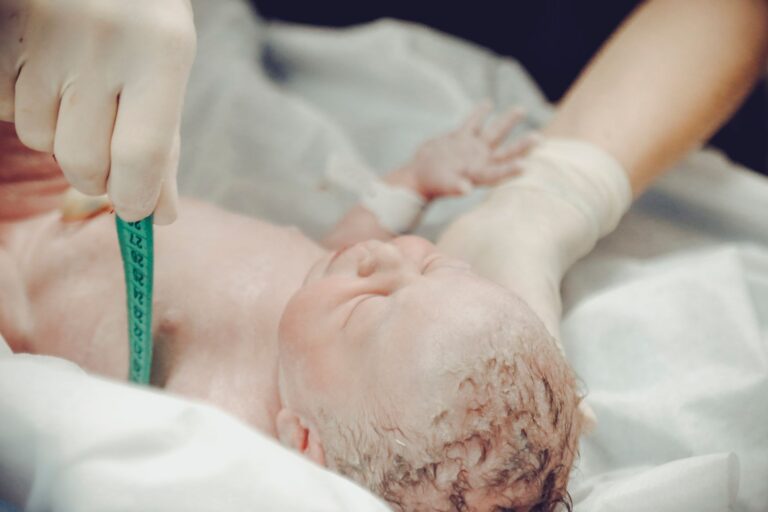
Labor induction artificially starts labor when it has not begun naturally; it is recommended when delivering sooner reduces…
 Labor & Delivery
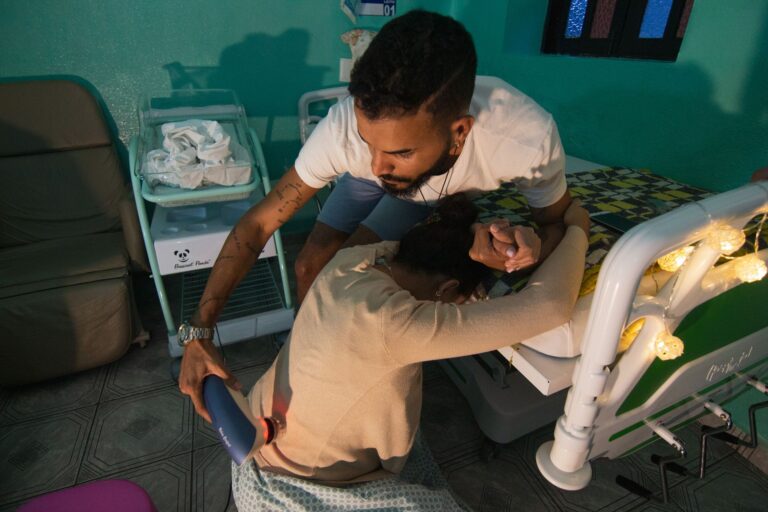
Your cervix needs to reach full dilation (10 centimeters) before you push—your care provider checks and tells you…
 Labor & Delivery
Prenatal perineal massage, pelvic floor physical therapy, and controlled pushing during labor measurably reduce tearing severity in vaginal…
 Labor & Delivery
Modern hospitals now often allow light eating during labor instead of strict fasting, improving energy and stamina for…
 Labor & Delivery
Labor induction is medically necessary when continuing pregnancy poses greater risk than delivering, commonly due to high blood…
 Labor & Delivery
Labor typically lasts 12 to 24 hours for a first birth, but timing varies widely based on your…