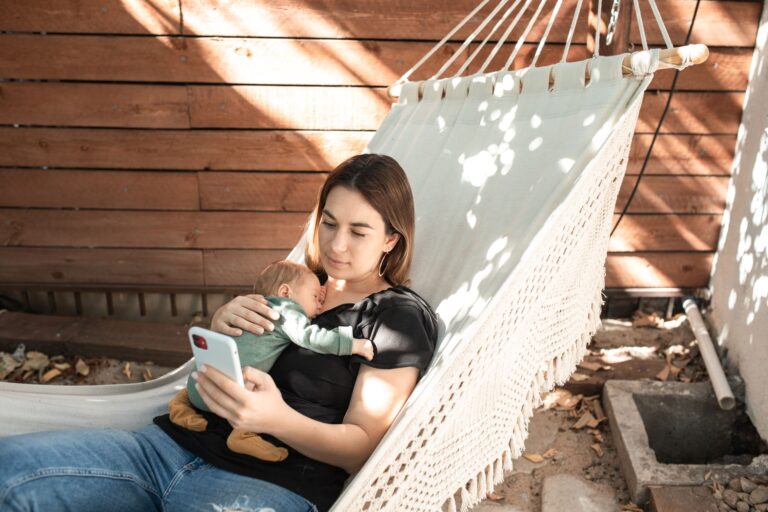
Newborns need between 16 and 17 hours of sleep per day, though this comes in fragmented stretches of two to four hours rather than one long block. A two-week-old baby might sleep for three hours, wake for feeding and a diaper change, and then sleep for another two hours—cycling around the clock without regard for day or night. By six months, a baby’s sleep consolidates into longer nighttime stretches of five to six hours plus two or three daytime naps, totaling 12 to 15 hours across the full 24-hour day.
The amount your baby needs depends primarily on their age, but individual variation is real and normal. Some three-month-olds thrive on 14 hours while others need 16; a six-month-old might be content with 12 hours while their cousin requires 14. Genetics, temperament, and health all influence how much sleep feels sufficient for your child.
Table of Contents
- How Many Hours Do Babies Actually Need at Each Stage?
- Sleep Patterns by Age and How They Develop
- Why Adequate Sleep Is Critical for Baby Development
- Creating a Realistic Sleep Schedule
- Sleep Regressions, Teething, and When Sleep Falls Apart
- Safe Sleep Environment and How It Supports Better Rest
- When to Worry About Too Little Sleep
- Frequently Asked Questions
How Many Hours Do Babies Actually Need at Each Stage?
Infants from birth to three months require 14 to 17 hours of sleep daily. At this stage, babies have no circadian rhythm—their bodies have not yet learned to distinguish day from night—so sleep is scattered throughout the 24 hours in roughly equal parts. A newborn might sleep, feed, have a few alert minutes, and sleep again with little predictability. From four to six months, babies need 12 to 15 hours per day and begin consolidating sleep into longer blocks.
Night sleep starts stretching from three or four hours toward five or six, while daytime sleep remains split between multiple naps. By nine months, most babies need 12 to 14 hours daily, often split into one long nighttime sleep and two or three naps. Toddlers aged one to two years need 11 to 14 hours per day, typically delivered as one consolidated nighttime sleep of 10 to 12 hours and one or two daytime naps. By age three, the nap requirement often drops to just one afternoon nap of an hour or two, with total sleep settling around 12 to 13 hours.
Sleep Patterns by Age and How They Develop
Newborn sleep is organized around feeding cycles and biological imperatives rather than day-night patterns. Their periods of wakefulness are brief—often just 30 to 60 minutes—before tiredness returns. This means a newborn who seems to sleep constantly (and they do) is actually behaving exactly as their physiology demands. Between three and six months, the brain develops a circadian rhythm for the first time. This is why most babies begin sleeping longer at night—often a stretch of five to six hours becomes possible—and why daytime sleep organizes into recognizable naps rather than random dozing.
A four-month-old sleeping five hours at night is a significant developmental milestone, though still far shorter than an adult sleep period. The trade-off is that newborns with inconsistent day-night exposure may take longer to develop this rhythm, sometimes extending the fragmented sleep pattern into month four or five. From six months onward, babies’ capacity for sustained sleep continues to grow, but development stalls if sleep remains severely disrupted. Illness, teething, developmental leaps, or inconsistent sleep environments can cause temporary regressions where a baby who had been sleeping six hours suddenly wakes every two or three hours. These regressions are normal and temporary, usually resolving within weeks once the underlying cause (illness recovery, tooth eruption) passes.
Why Adequate Sleep Is Critical for Baby Development
Sleep is when babies’ brains consolidate learning and growth hormones are released. A baby who consistently gets fewer hours than recommended may fall behind on developmental milestones, though this is more common in cases of severe sleep deprivation than minor shortfalls. Research has linked inadequate infant sleep to difficulty with emotional regulation, increased irritability, and delayed cognitive development. Chronic sleep loss in babies also impairs immune function.
Babies who are sleep-deprived get sick more frequently and take longer to recover from illness. Parents often notice their well-rested baby seems to ward off the sniffles better than their chronically sleep-deprived peer, even when exposed to the same viruses. The relationship between infant sleep and parental well-being is bidirectional: tired babies have stressed parents, and stressed parents often have more difficulty implementing consistent sleep routines, which leads to more tired babies. Breaking this cycle is one reason sleep-deprivation in the fourth trimester (the first three months) is taken seriously—the stakes include not only the baby’s development but the family’s mental health.
Creating a Realistic Sleep Schedule
A newborn schedule should follow the baby’s hunger and tiredness cues rather than a fixed timetable. Attempting to force a two-week-old into a rigid four-hour feeding schedule often backfires, leaving you with a hungry baby who will not sleep anyway. However, from three or four months onward, many babies benefit from a loose routine that acknowledges their emerging circadian rhythm—perhaps a consistent bedtime between 6 and 8 p.m., a morning wake around 6 or 7 a.m., and naps that cluster in the mid-morning and early afternoon.
The trade-off of scheduling is that rigidity can create stress if your baby diverges from the plan. A three-month-old who naps for only 30 minutes instead of the typical 45 is not necessarily broken and does not always need intervention. Some babies are genuinely short nappers, while others hit a nap regression that resolves without parental effort. Keeping a simple written log of your baby’s sleep for two weeks—wake times, nap lengths, and bedtime—often reveals patterns that felt chaotic in the moment but show a rough consistency when viewed over time.
Sleep Regressions, Teething, and When Sleep Falls Apart
Most babies experience distinct sleep regressions around four months, eight months, and 18 months, coinciding with major developmental leaps. During these periods, a baby who had been sleeping through the night may suddenly wake every two hours, and a baby with two predictable naps may cat-nap for 20 minutes and refuse the second. These regressions typically last two to four weeks and resolve on their own; they are not a sign of inadequacy. Teething also disrupts sleep, though the disruption is often overstated.
A baby cutting a tooth may wake once or twice more than usual due to mild discomfort, but severe, prolonged sleep collapse (waking every hour, all night) is more often a sign of illness or other causes than teething alone. Confusing a sleep regression or illness-related wakefulness with teething can delay treatment of the actual problem. The warning here is not to abandon a sleep routine during regressions just because it is being tested. Many parents overhaul their approach every time their baby’s sleep changes, introducing new habits like co-sleeping or feeding-to-sleep during a regression, then struggling to undo those habits when the regression passes. Riding out the disruption with your existing routine intact often leads to faster resolution than starting over.
Safe Sleep Environment and How It Supports Better Rest
A baby sleeps better in a cool, dark room with white noise to mask household sounds. Room temperature should be between 68 and 72 degrees Fahrenheit; babies dressed in a sleep sack (rather than blankets, which pose suffocation risk) and placed on their back in a firm crib sleep best. This specific setup—back sleeping in a crib rather than a cosleeper or bassinet—has been shown to reduce the risk of Sudden Infant Death Syndrome.
The sleep environment matters for practical sleep duration, too. A baby in a bright, noisy room will wake more frequently than one in a consistently dark, quiet space. This is not a parenting failure if your house is naturally busy or if you live in an urban area; white noise machines and blackout curtains are inexpensive tools that replicate the conditions under which babies sleep longer.
When to Worry About Too Little Sleep
If your baby is older than six months and consistently sleeping fewer than 11 hours per day despite ample opportunity for sleep, and if this is accompanied by excessive daytime fussiness, difficulty feeding, or developmental concerns, a pediatrician evaluation is warranted. True sleep deprivation in infants is relatively rare in homes where sleep is a priority, but it does occur and can impede growth.
Conversely, a baby sleeping 13 hours at age two when the recommended range is 11 to 14 is not sleeping “too much” unless accompanied by lethargy, feeding difficulties, or fever. Some babies simply need more sleep, and this is not pathological as long as your pediatrician has ruled out underlying illness.
Frequently Asked Questions
Is it normal for a newborn to sleep all the time?
Yes. Newborns sleep 16 to 17 hours per day because their brains are developing rapidly and sleep is when growth hormones are released. Extended sleeping in the first weeks is expected, not a concern.
When do babies start sleeping through the night?
Most babies can sleep for five to six hour stretches by four to six months old, but sleeping through the entire night (eight-plus hours) usually does not happen until nine months to a year, when their circadian rhythm is mature and their stomach capacity supports longer intervals between feedings.
What if my baby needs less sleep than the recommended amount?
Individual babies vary. If your baby consistently needs an hour or two less than the guideline but is developing normally, gaining weight, and seems content, this is likely their baseline. However, if reduced sleep is accompanied by irritability or feeding difficulties, discuss it with your pediatrician.
How do I know if my baby is sleep-deprived?
Signs include excessive irritability, difficulty feeding, missed developmental milestones, or frequent illness. Chronic sleep deprivation is rare in infants with access to napping opportunities, but severe, prolonged sleep restriction should prompt a pediatrician evaluation.
Should I be concerned about nap regressions?
Nap regressions are common during developmental leaps and teething and usually resolve within a few weeks. Maintaining a consistent routine during regressions often helps them pass more quickly than introducing new sleep habits.