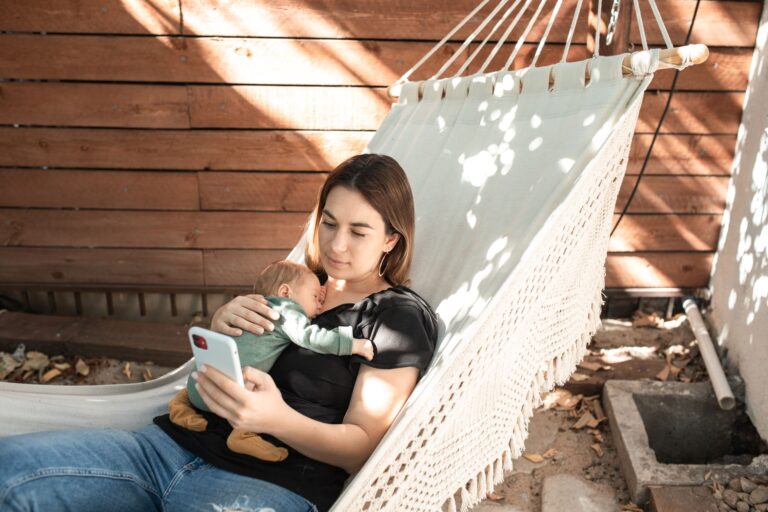
Children develop eye contact skills gradually over time, with most infants beginning to make intentional eye contact around 6 to 8 weeks of age, and these skills continuing to refine throughout early childhood. There is no single “right” age for consistent eye contact—development varies widely depending on a child’s personality, neurology, and temperament. A 3-month-old who glances at you briefly before looking away is developing normally, just as a toddler who maintains steadier eye contact might be. The key is understanding that eye contact is a learned social skill that emerges in stages, not something that suddenly switches on at a fixed milestone.
Eye contact serves multiple purposes for children: it helps them connect emotionally with caregivers, aids in language development, and signals engagement and trust. When a baby locks eyes with you while you’re speaking, their brain is processing your facial expressions, tone of voice, and emotional state all at once. This back-and-forth visual connection—sometimes called “serve and return” interaction—is how infants build the neural pathways for social learning. However, expecting an infant to stare directly at you for extended periods misunderstands how young children’s brains actually work and can create unnecessary worry if your child behaves differently.
Table of Contents
- What Does Normal Eye Contact Development Look Like in Infants and Toddlers?
- Why Some Children Avoid or Reduce Eye Contact
- How Eye Contact Connects to Language and Social Development
- Building Eye Contact Skills Without Pressure
- Red Flags and When to Seek Professional Guidance
- Age-Specific Expectations and Realistic Goals
- Cultural and Individual Variations Matter More Than You Might Think
- Frequently Asked Questions
What Does Normal Eye Contact Development Look Like in Infants and Toddlers?
Newborns (birth to 4 weeks) can see objects about 8 to 12 inches away and may look toward bright light or movement, but they’re not yet making deliberate eye contact with the intention to connect socially. Around 6 to 8 weeks, something shifts: babies begin to gaze at faces with growing interest and hold that gaze for a few seconds. By 3 months, many infants will look directly at a caregiver’s face, track their movements, and even smile in response—the beginning of true social eye contact. This progression isn’t instantaneous; some babies reach these markers earlier or later, and both patterns fall within the normal range.
During the toddler years (12 months to 3 years), eye contact becomes more sophisticated and is often used to seek help, share excitement about something, or check in emotionally. A toddler might look at you while pointing at a bird to make sure you see it too—this is called joint attention and relies on eye contact. Not every glance is intentional, though; toddlers are learning to manage attention and can be easily distracted. A 2-year-old who looks away frequently is not necessarily struggling—they may simply be overwhelmed by too much sensory input or focusing on an interesting toy. Cultural differences also matter: some families naturally maintain more frequent direct eye contact, while others consider prolonged eye contact with authority figures disrespectful.
Why Some Children Avoid or Reduce Eye Contact
Some children naturally make less eye contact without any underlying concern. Shyness, temperament, sensory sensitivity, and even gaze aversion during concentration are all typical variations in how children’s brains work. A child who is thinking hard about a problem might look away to reduce distractions—the same way you might stare at the ceiling when working through a tough decision. Other children find sustained eye contact physically uncomfortable or overstimulating, much like some adults do. This doesn’t indicate a problem; it’s simply how their nervous system is wired.
However, a significant or sudden change in eye contact patterns warrants attention from a healthcare provider. A baby who made eye contact at 3 months but stops doing so by 9 months, or a toddler whose eye contact noticeably decreases, could indicate developmental considerations that benefit from early evaluation. The key word here is change—if your child has always been someone who looks away easily, that’s likely just their style. Certain developmental differences, including autism spectrum disorder, can involve differences in eye contact patterns, but eye contact behavior alone is never diagnostic. Autism is diagnosed through a comprehensive evaluation of multiple developmental areas, and many autistic children and adults use eye contact just fine—they may simply experience it differently or feel less automatic pull to seek it out.
How Eye Contact Connects to Language and Social Development
Eye contact is intertwined with language development from infancy onward. Babies learn words partly by watching where a caregiver is looking and what they’re pointing at—if you say “dog” while looking at the actual dog, the baby’s brain more easily links the word to the object. This joint attention process relies on shared eye contact and gaze direction. By toddlerhood, children use eye contact to request help (looking at you while reaching for something high), to share excitement (pointing at a butterfly and glancing back to check that you’re looking), and to gauge social rules (watching your face to see if their behavior is acceptable).
Shy children or those with social anxiety might make less eye contact simply because interaction feels uncertain to them, not because they lack the ability. A child who avoids eye contact with unfamiliar adults might make plenty with parents or siblings in a familiar setting. This selective pattern is entirely normal and usually resolves as the child becomes more confident socially. Importantly, forcing eye contact—saying “look at me” or holding a child’s head so they must face you—doesn’t improve social development and often backfires by creating negative associations with direct gaze. Teaching children that eye contact is important is reasonable; coercing it undermines the genuine connection it’s meant to represent.
Building Eye Contact Skills Without Pressure
Genuine eye contact develops best through natural, enjoyable interactions rather than correction or demands. Playing peek-a-boo with an infant naturally involves repeated eye contact and delights the baby, making eye contact feel rewarding rather than awkward. Singing songs face-to-face, making funny faces, or playing interactive games all encourage mutual gaze in a joyful context. These moments build your child’s comfort with eye contact without any formal instruction.
For toddlers and older children, modeling is more effective than directing. When you make warm eye contact with your child, listen to them with your full attention, and respond to what you see in their face and body, you’re demonstrating how eye contact works as a tool for connection. If a child is anxious or shy about meeting someone new, you can gently encourage without forcing: “Grandma is saying hello; can you wave?” lets them participate in the interaction at their comfort level. Some children find it easier to make eye contact while doing an activity together—side-by-side play on the floor or working on a puzzle together—rather than face-to-face conversation. These variations are all normal ways children engage.
Red Flags and When to Seek Professional Guidance
While variations in eye contact are normal, certain patterns warrant evaluation by a pediatrician or developmental specialist. If a child under 9 months never seems to focus on faces or if an older child suddenly loses interest in eye contact after previously engaging in it, mention this at your next checkup. A child who consistently seems to look through people rather than at them, combined with other delays in communication or social responsiveness, deserves professional assessment. The caveat is that eye contact differences alone—without other developmental concerns—are rarely cause for alarm.
Autism, sensory processing differences, and anxiety can all involve variations in eye contact, but so can personality, culture, hearing loss, and vision problems. A comprehensive evaluation looks at the whole picture: how a child communicates, plays, learns, and relates to others. If your pediatrician has no concerns after hearing about your child’s development across all areas, that’s meaningful reassurance. If you do pursue evaluation, be prepared for the evaluator to assess eye contact alongside many other skills rather than focusing on it in isolation. A child who struggles with eye contact but has typical language, play, and social understanding might simply have a different eye contact style.
Age-Specific Expectations and Realistic Goals
Preschoolers (3 to 5 years) should be making relatively consistent eye contact during normal conversation, though they’ll still look away frequently to process information or manage boredom. Kindergarteners and early elementary-age children can sustain eye contact more consistently, but expecting a 6-year-old to make solid eye contact throughout a long talk is unrealistic—their attention span and social stamina are still developing.
School-age children who make good eye contact one moment and avoid it the next are perfectly normal; context matters greatly. A child might make consistent eye contact with a friend during an exciting conversation but avoid it when being corrected or feeling embarrassed.
Cultural and Individual Variations Matter More Than You Might Think
Eye contact norms vary significantly across cultures and communities. In some cultures, direct eye contact with authority figures (teachers, elders, parents) is considered disrespectful, and children are actively taught to look down or away in those contexts. In others, eye contact signals honesty and attention. Neither approach is inherently better; they reflect different cultural values about respect and relationships.
If your family’s cultural background emphasizes less direct eye contact in certain situations, your child’s behavior aligns with family and community norms rather than indicating any problem. When a child navigates between home culture and school culture, temporary confusion about when eye contact is expected is developmentally normal and usually resolves quickly. Individual temperament also shapes eye contact patterns in ways that persist throughout life. Some people are naturally more direct gazers while others are more averted; neither type is superior. A child who develops into an adult who prefers less eye contact but communicates clearly, maintains friendships, and engages meaningfully with the world is developing exactly as they should, regardless of their eye contact frequency during childhood.
Frequently Asked Questions
Is it normal for my 4-month-old to look away after making brief eye contact?
Yes, completely normal. Infants this age make eye contact in short bursts before looking away to process information. Sustained eye contact develops over months, not weeks.
My toddler avoids eye contact with strangers but makes plenty with me. Should I be concerned?
No, this is very typical. Many young children make selective eye contact depending on familiarity and comfort level. Shyness with unfamiliar people is developmentally normal.
Does poor eye contact always mean my child is autistic?
No. Eye contact differences can reflect personality, sensory sensitivity, shyness, hearing or vision issues, or simply learning style. Autism involves a pattern of differences across many developmental areas, not eye contact alone.
Should I force my child to make eye contact when I’m talking to them?
No. Forcing eye contact can create negative associations and undermine genuine connection. Encouraging it through enjoyable, natural interactions works better.
At what age should my child consistently maintain eye contact?
By school age, most children can make fairly consistent eye contact during conversation, but looking away frequently is still normal. Full, sustained eye contact develops gradually through childhood.
Does eye contact develop differently for boys and girls?
Not inherently, though cultural and social expectations around eye contact may differ. Both boys and girls develop eye contact through the same stages.