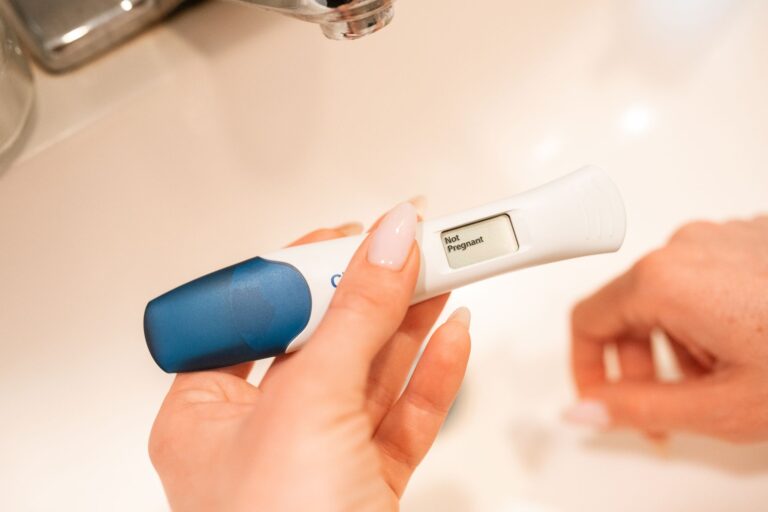
There’s no single “right” time to start trying to conceive—it depends on your health, relationship stability, financial readiness, and personal goals. The decision is deeply individual. Some people begin planning pregnancies in their mid-twenties, while others wait until their late thirties or early forties. A woman in her late twenties with stable health, a committed partner, and established career footing might feel ready, while another person in the same circumstances might want to wait five more years. The key is understanding your own physical health, relationship status, and life circumstances before deciding to start.
That said, biological factors do matter. Fertility gradually declines with age, particularly after 35, and this is the one element of conception timing that isn’t negotiable or reversible. If age is a concern in your situation—whether you’re dealing with a family history of early menopause or you know you want multiple children—starting earlier gives you more biological runway. But age isn’t destiny; many women conceive healthy pregnancies into their forties. What matters is starting the conversation with yourself and your partner (if you have one) honestly and early.
Table of Contents
- How Does Age Affect Fertility and Conception Timing?
- Preparing Your Body Before You Begin Trying
- Assessing Your Relationship and Life Circumstances
- Understanding How Long Conception Actually Takes
- Medical Conditions That Affect Conception Timing
- Financial and Practical Readiness
- Managing External Pressure and Personal Expectations
How Does Age Affect Fertility and Conception Timing?
Fertility is highest in your twenties and early thirties. Women are born with a fixed number of eggs, roughly one to two million at birth, declining to around 300,000 by puberty. During your reproductive years, you release one egg per menstrual cycle, and the supply continues to diminish. By age 35, fertility begins to decline more noticeably, and by 45, natural conception becomes less likely for most people, though it certainly still happens. For men, sperm production continues throughout life, but sperm quality can decline slightly with age, and partners over 40 may experience longer time-to-pregnancy. The statistical reality is that a couple where the woman is under 30 has roughly a 20 to 25 percent chance of conceiving in any given menstrual cycle with unprotected intercourse.
At 35, that drops to around 15 percent per cycle. At 40, it’s closer to 10 percent. These numbers feel abstract until you’re trying and facing month after month of negative tests. The wait lengthens, not because of anything you did wrong, but because the biological window tightens. This doesn’t mean waiting until 40 to start trying is impossible—it just means understanding the timeline becomes important. A practical example: A couple in their mid-thirties wanting two or three children might reasonably decide to start trying within the next year or two, whereas a couple where one partner is 25 might feel comfortable waiting five years before beginning. The difference is statistical runway—more time to space out pregnancies, more years to achieve the family size they want before fertility drops further.
Preparing Your Body Before You Begin Trying
Before you actively start trying, schedule a pre-conception health checkup with your doctor. This isn’t mandatory, but it’s genuinely useful. Your provider can review your medical history, test for any undiagnosed conditions like thyroid disease or polycystic ovary syndrome (PCOS), check your immunity status for infections like rubella, and discuss any medications you take. Some medications are incompatible with pregnancy; others are fine. Some health conditions require adjustment before conception. Discovering these things before you’re already pregnant and waiting for results prevents complications and wasted months. Lifestyle factors matter in the months before trying. Sleep, stress management, exercise, and nutrition all influence fertility.
You don’t need to overhaul your entire life, but intentional adjustments help. If you smoke, quitting improves fertility and pregnancy outcomes significantly. If you drink heavily, cutting back matters. If your diet is mostly processed food, adding vegetables and whole grains supports overall health and can improve fertility markers. A healthy BMI increases conception rates compared to being significantly underweight or overweight, though people at every size can and do conceive. One limitation to recognize: a pre-conception checkup can identify some issues but not all. Many fertility problems—like blocked fallopian tubes or low sperm count—only show up through diagnostic testing after you’ve been trying unsuccessfully for several months. Starting these preparations early gives you time to address correctable issues, but it doesn’t guarantee a quick conception. Some couples with perfect pre-conception health still face unexpected infertility challenges.
Assessing Your Relationship and Life Circumstances
Conceiving and raising a child demands partnership and stability, whether that’s a co-parenting relationship, a marriage, or a committed partnership. The biological urge to parent doesn’t arrive with relationship readiness; many people feel drawn to parenthood even in unstable relationships. But the research is clear: children fare better when their parents have a stable, supportive relationship, however that’s defined. If you’re in a new relationship (typically less than a year or two established), it’s worth waiting until the relationship has more foundation.
If your partnership is rocky or volatile, addressing that before conception makes sense. Some people choose to conceive and parent as single parents, by choice or by circumstance, and they do this successfully every day. If that’s your path, the same consideration applies differently: making sure you have a support network, financial stability, and genuine emotional readiness matters more than a partner does. Becoming a parent is one of life’s largest changes, whether you do it with a co-parent or alone. The question isn’t whether your situation “looks right” on paper—it’s whether you and anyone directly involved feel ready for the seismic shift that pregnancy and parenthood represent.
Understanding How Long Conception Actually Takes
One surprise many people face is that conception takes time, even for healthy couples under 30 with no fertility issues. If you have unprotected intercourse during your fertile window (the days around ovulation), your chance of pregnancy that cycle is around 20 to 25 percent. This means most couples don’t conceive in their first month of trying. Statistically, about 85 percent of couples conceive within one year of trying; by two years, that rises to over 90 percent. In practical terms, if you start trying and don’t conceive for eight months, that’s completely normal and doesn’t mean something is wrong.
This timeline matters for planning. If you want to be pregnant by a specific date—for instance, having a baby before returning to work after a certain leave period, or wanting your children spaced a particular way apart—starting to try several months or even a year before that date is wise. Conception isn’t something you can schedule precisely, though tracking your ovulation can increase your odds within a given cycle. A couple who starts trying in January might reasonably expect to see a positive test by summer, but there’s no guarantee. A couple trying for two years before seeing results is still within the range of normal.
Medical Conditions That Affect Conception Timing
Certain health conditions make starting early more important than others. If you have a family history of early menopause (menopause before age 45), your reproductive window may be shorter than average, making earlier conception more strategically sound. If you have endometriosis, PCOS, thyroid disease, or other conditions affecting fertility, understanding how they impact your timeline is crucial. Some of these conditions worsen over time; others are stable. Some respond well to medication or lifestyle changes; others require more intervention. None of these diagnoses make conception impossible, but they do shift the calculus on timing.
Untreated infections, including some sexually transmitted infections, can damage fertility over time if left unaddressed. Chlamydia, for instance, can scar the fallopian tubes and reduce fertility even if you don’t have symptoms. This is another reason a pre-conception checkup is worthwhile—it catches treatable issues before they cause permanent damage. If you’ve had pelvic infections, endometriosis surgery, or other gynecological procedures, discussing the timeline with your doctor helps you understand if there are reasons to start sooner rather than later. A critical warning: if you know you have a health condition affecting fertility, don’t assume you have unlimited time. Waiting five or ten years “to be sure” or “to be more settled” can narrow your biological window significantly, particularly if the condition tends to worsen with time. Conversely, if you’re told you have diminished ovarian reserve or other fertility challenges, that’s not a sentence—it’s information that changes the urgency calculation but doesn’t preclude conception.
Financial and Practical Readiness
Pregnancy, childbirth, and raising a child cost money. Prenatal care, delivery, hospital bills, insurance coverage, and ongoing medical care add up quickly. Before starting to try, having savings set aside and understanding your insurance coverage helps. If you’re considering IVF or other fertility treatments, those costs are substantial—thousands to tens of thousands of dollars per cycle, often not covered by insurance. Some people secure finances for these possibilities before starting to try; others make peace with the fact that they’ll manage costs as they come.
Both approaches are valid, but being aware of them beforehand prevents financial shock. Beyond medical costs, childcare, housing, and time off work are practical considerations. If you’re planning to take parental leave, understanding your workplace policies and how you’ll manage financially during leave time helps you start with realistic expectations. If you’ll need childcare once you return to work, researching options and costs months in advance is wise—quality childcare often has wait lists measured in years. A couple might decide to start trying once they’ve bought a home, once they’ve saved a particular amount, or once one partner’s job provides better leave benefits. These are legitimate anchors for decision-making, even if they’re financial rather than biological.
Managing External Pressure and Personal Expectations
The pressure to start trying—or to wait—comes from everywhere: family members, friends, social media, and your own internal voices. Older relatives may push for grandchildren; peers might be getting pregnant, triggering comparisons; society suggests there’s a “right” age (usually younger), and you might feel pressure to meet that imagined timeline. Simultaneously, career ambitions, financial anxiety, or doubts about relationships can create pressure to wait. Neither kind of pressure should override your own authentic readiness.
Some people discover after years of waiting that they regret not starting earlier; others regret starting when they did. The only constant is that you can’t predict with certainty how you’ll feel about the timing of parenthood until you’re already in the midst of it. What you can do is make an informed decision based on your current health, your relationship, your financial reality, and your own sense of readiness. Then release the need for your timing to feel “perfect” to anyone else. The right time to start trying to conceive is when you understand your circumstances clearly and feel genuinely ready to become a parent, no matter what age that happens to be.