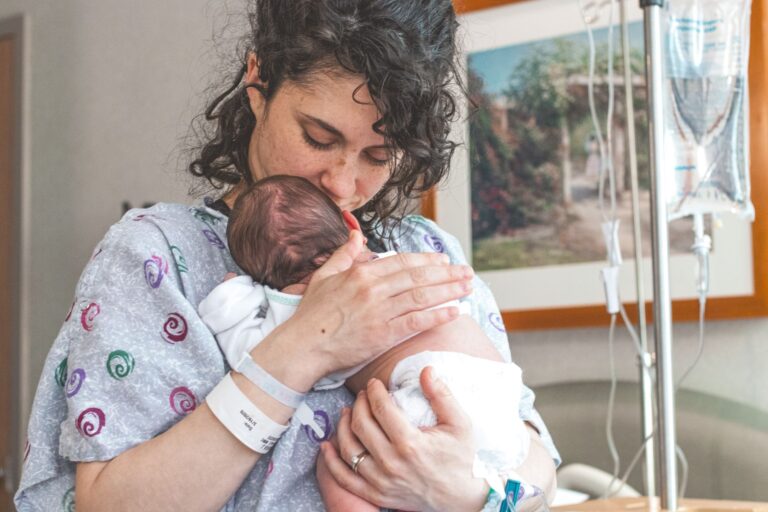
Before starting the adoption process, ask yourself: Can I afford it financially? Am I ready for a lengthy legal journey? Do I understand the child's possible health, developmental, or trauma history? These foundational questions shape every decision that follows and determine whether adoption is right for your family at this time. Adoption is a profound commitment with real costs, timelines, and emotional demands—answering these questions honestly now prevents costly mistakes later.
The adoption process involves choosing an adoption type, finding an agency, completing a home study, navigating legal requirements, and preparing for parenthood of a child with an unknown early history. Each step raises new questions about finances, medical facts, emotional readiness, and support systems. This article walks through the critical questions to ask yourself and adoption professionals before you sign anything or commit money.
Table of Contents
- What Are the Main Types of Adoption and How Do They Differ?
- What Should You Know About the Financial Costs?
- What Is a Home Study and Why Is It Required?
- How Long Does Adoption Typically Take?
- What Should You Know About the Child's Medical and Developmental History?
- Are You Emotionally Prepared for Adoption?
- What Support Systems and Services Exist After Adoption?
- How Do You Choose a Reputable Adoption Agency?
- What Legal Rights and Safeguards Protect Everyone Involved?
- How Should You Approach Your Family's Cultural Identity and the Child's Background?
- Frequently Asked Questions
What Are the Main Types of Adoption and How Do They Differ?
adoption takes three broad forms: domestic adoption (through US-based newborns or older children), international adoption (children from other countries), and foster-to-adopt (custody of children in state care). Each path has different costs, legal frameworks, timelines, and the child's known history.
Understanding which path matches your family's resources and readiness is the first decision. Domestic newborn adoption typically costs fifteen thousand to forty thousand dollars and may proceed faster, but involves birthmother contact decisions and variable legal complexities by state. Domestic infant adoption usually means limited early history and no initial medical complexity, though adoptee mental health outcomes depend on many factors beyond the adoption itself.
You will likely have some contact with or information about the birthmother, which requires thoughtful preparation. Foster-to-adopt places older children (often school-age) who have experienced neglect or trauma. These children come with known medical, behavioral, and developmental histories and often need specialized parenting. Foster-to-adopt is typically less expensive or free, but involves potential birthparent reunification efforts, court involvement, and significant emotional needs of the child.
Many foster children carry diagnoses like ADHD, reactive attachment disorder, or developmental delays. International adoption costs thirty thousand to fifty thousand dollars, involves travel and longer timelines, and typically means less birthfamily information. Children from institutional care may have developmental delays, medical complexity, or unknown early exposure to substances or infection. Many international adoptees experience grief around cultural identity and loss of birthcountry connection.
You must decide whether you can support a child's connection to their heritage. Older child adoption (domestic or international) places children five and up, who carry memories of previous families or institutions. These children grieve their losses, may test your parental boundaries, and need patience with behavioral and attachment challenges. Your capacity to parent a child with known trauma history is a genuine dealbreaker question.
Honest assessment prevents both failed placements and harm to the child. Ask yourself: Which age range and history complexity can my family handle? Do I have realistic expectations about contact with birthfamily? Can I afford the type of adoption I'm considering? Does my state's legal framework affect my timeline? Answering these separately for each type helps you narrow the field before spending money on applications.
What Should You Know About the Financial Costs?
Adoption is expensive, and costs vary wildly by type, geography, and agency. Domestic newborn adoption typically runs fifteen thousand to forty thousand dollars. Foster-to-adopt is often free or subsidized. International adoption averages thirty thousand to fifty thousand dollars. These figures cover agency fees, home study costs, legal fees, court costs, and travel. Add unexpected expenses and you may exceed your budget by thousands.
Hidden costs mount quickly and rarely appear in the upfront estimate. Home study updates, background checks, document certifications, and travel often exceed initial projections. If birthmother counseling is included, that adds to the total. If you travel for placement, hotel and meal costs are your responsibility.
Some agencies charge fees for waiting-period services or post-placement support. Ask agencies for a full, itemized cost breakdown before signing a contract. Financing options include personal savings, family loans, personal loans, or adoption grants and tax credits. Some employers offer adoption benefits or subsidies. The federal adoption tax credit allowed adoptive families to claim expenses in prior years (though tax law changes frequently—verify current eligibility).
Some states offer state tax credits or subsidies for domestic or foster-to-adopt placements. Some nonprofits offer adoption grants, though eligibility and award amounts vary. Ask your potential agency: What is the total cost, itemized? What happens if placement falls through—do I lose my deposit? Are there payment plans? What do ongoing post-placement services cost, and for how long? Can you provide references from families who paid what you quoted? Do you offer sliding-scale fees for families with lower income? How does cost compare to other agencies in your state? A written, detailed contract is non-negotiable.
If an agency resists providing itemized costs or a contract, find another agency. Reputable agencies explain exactly what families pay and when. If you cannot afford the quoted price and the agency offers no payment plan, you may need to save longer or choose a different adoption path. Financial overextension adds stress to an already-demanding process.
Research whether you qualify for adoption subsidies if you adopt through foster-to-adopt or older-child domestic adoption. Most states provide monthly subsidies and healthcare coverage for eligible children. These subsidies are separate from the adoption tax credit. They exist because children with special needs require ongoing support, and subsidies help families afford that care. Subsidies reduce the financial barrier for families considering older-child or special-needs adoption.
What Is a Home Study and Why Is It Required?
A home study is a mandatory assessment completed by a licensed social worker that evaluates your family's stability, safety, and readiness to parent. It includes background checks, interviews with all household members, inspection of your home's safety and sleeping arrangements, reference checks, and evaluation of your motivations and understanding of adoption. The home study protects children by screening out unsafe placements and protects families by clarifying expectations.
The home study process typically takes three to six months, though it can extend longer if you need to address safety concerns or provide additional documentation. You will meet with the social worker in your home and separately, answer detailed questions about your parenting philosophy, ability to handle challenging behaviors, financial stability, mental health history, and understanding of adoption issues.
The social worker also gathers references from people who know your family. Background checks include child abuse and neglect registries, criminal records checks, and motor vehicle records. If you or anyone in your household has a history of abuse, drug use, or felony convictions, you may be disqualified.
Different states and agencies have different thresholds for what disqualifies you. Ask your agency upfront what their specific requirements are regarding criminal history, domestic violence history, or substance use. Honesty now prevents wasted time later. Your home must meet basic safety standards: operational smoke detectors, safe storage of medications and hazardous materials, working plumbing and heat, appropriate sleeping arrangements for the child's age, and absence of visible safety hazards.
If you have pets, the social worker will assess whether they are appropriate around children. If you have other children, your home must have space and resources for all of them. Homes don't need to be large or wealthy, but they do need to be safe and functional. The home study is both practical and emotional.
The social worker is not your enemy—they are assessing fit and preparing you. They will ask hard questions about your family history, your ability to handle stress, how you discipline children, and whether you truly understand that adoption involves grief. Answer honestly. If you have concerns about your mental health or family stability, now is the time to address them. Many families benefit from therapy or counseling before adoption, and the social worker can recommend resources.
How Long Does Adoption Typically Take?
Timeline varies dramatically by adoption type. Domestic infant adoption averages two to five years from agency application to placement, though some placements happen within months and others take seven or more years. Foster-to-adopt typically requires one to three years, including a social worker investigation and court processes. International adoption averages two to four years, though some countries have longer processes.
Delays are common and rarely predictable. Many factors slow adoption timelines. Home study backlog, background check delays, agency capacity, court schedules, legal complexity in your state, and changes in birthmother decisions all extend the wait. Some adoptive families experience failed placements—the birthmother changes her mind before or shortly after placement—which means restarting your wait. International adoptions stall when a child's paperwork is incomplete or a country changes policies.
Foster-to-adopt waits for court outcomes and potential reunification efforts. Plan for financial carrying costs during the waiting period. If you use an agency, you typically pay upfront, before placement. You will need to keep that money available for months or years. Some families use payment plans, which spreads cost but increases total interest. Others save progressively.
Know your agency's refund policy if placement falls through—many agencies keep deposits or charge cancellation fees. Some refund adoption fees if the adoption never happens, while others do not. Ask your agency: What is the average timeline for your families from application to placement? What causes delays? What is your refund policy if placement falls through? How often do placements fail, and what happens to families if they do? Can I talk to families who waited longer than average? If I am not matched after a certain time, what happens? Do you provide updates during the waiting period, or just contact when a match occurs? The emotional toll of waiting is underestimated.
Many families experience grief, identity questions ("Will I actually become a parent?"), financial stress, and strained relationships during a long adoption wait. Some couples separate because the adoption wait exposes different desires about parenthood. Some families experience depression or anxiety. Knowing you might wait years is important; preparing emotionally for that uncertainty is equally important.
What Should You Know About the Child's Medical and Developmental History?
The child's early history shapes their physical and emotional health throughout life. Children adopted as infants may have limited early information. Children adopted from foster care or internationally often have known or unknown exposure to prenatal substances, neglect, institutionalization, or malnutrition. Early adversity can cause developmental delays, behavioral dysregulation, or health conditions that emerge years later.
Understanding what you are adopting into is critical. Prenatal exposure to alcohol or drugs affects the child throughout life. Fetal alcohol spectrum disorder (FASD) causes intellectual disability, behavioral dysregulation, and learning challenges that worsen without structured support. Prenatal drug exposure may cause prematurity, low birth weight, or neonatal withdrawal, and long-term effects are not fully understood.
Institutional care delays development; children raised in orphanages without consistent caregiving show delays in language, motor skills, and social-emotional development. Some delays resolve with consistent, nurturing care; others persist. Ask for complete medical and developmental records, including birthweight, prematurity, feeding and developmental milestones, medical diagnoses, medications, and prior interventions. If records are incomplete or unavailable, ask the agency for details on what is known and what is not.
Request exposure history: was there substance exposure, malnutrition, neglect, or abuse? Were there prior placements? Has the child experienced trauma? Has the child been evaluated by a pediatrician or developmental specialist? International adoptions often involve travel to meet the child, limited medical evaluation in the origin country, and limited history. Some countries provide minimal medical information.
Expect the unexpected: medical issues may emerge after you return home. Choose pediatricians experienced with adoptee health; they know that adopted children have higher rates of some conditions and lower baseline trust of medical authority. Post-adoption medical appointments are standard and important. Many adoptive families benefit from pre-adoption medical consultations. An adoption-competent pediatrician can review available records and help you understand what health issues to expect and how to manage them.
This consultation costs a few hundred dollars and often prevents costly surprises after placement. Ask your agency which pediatricians they recommend or whether your pediatrician has adoption expertise. If not, find one who does. Prepare for the possibility of ongoing special needs. Some children require therapy, medication, educational support, or accessibility modifications. Many insurance plans cover these services, but coverage varies.
Understand your insurance and what you would pay out-of-pocket for an ongoing condition. Adoption subsidies can help cover special needs, but you must know what you can afford even without subsidy. Adopting a child whose needs exceed your family's capacity to support them causes harm to the child and destabilizes your family.
Are You Emotionally Prepared for Adoption?
Adoption involves grief. The child grieves their loss of birthfamily, early identity, or birthcountry culture. Many adoptees grieve even when adopted as infants, searching for answers to questions like "Why was I placed for adoption?" or "Who do I look like?" Adoptive parents grieve too—grief that they did not birth the child, that they cannot know the child's full medical or genetic history, or that the child's grief is visible and persistent.
Expecting that grief and knowing how to support it is part of honest adoption preparation. Do you understand and accept that your child may never fully resolve their adoption-related grief? Some adoptees thrive and report gratitude for adoption. Others experience complex trauma, identity conflict, or persistent sadness about their origin story. You cannot fix this with love or perfect parenting.
Your role is to provide safety, validation of their grief, connection to their heritage (if relevant), and access to therapy if needed. If you need your child to "be okay" with adoption to feel successful as a parent, you are not ready. Adoption challenges existing identities. If you adopt a child of a different race, you are visibly not a biological family.
You will field questions and comments from strangers. Your child will navigate what it means to be a different race than their parents, and you must support that journey without pretending to fully understand it. If you adopt internationally, your family culture shifts. If you adopt a child with special needs, your family's life becomes organized around that child's care needs.
Assess your mental health honestly. If you have untreated depression, anxiety, substance use issues, or unresolved trauma, adoption will expose and intensify these challenges. Many adoptive families benefit from therapy before or during the adoption process. This is not failure; it is preparation. Adoption therapists can help you process what brought you to adoption, your expectations, and your ability to handle setbacks.
Ask your agency about recommended therapists or whether your health insurance covers adoption-competent counseling. Evaluate your relationship with your partner, if you have one. Adoption can strain a marriage; couples disagree about readiness, emotional needs, parenting approach, or capacity for handling a child's needs. Pre-adoption couples counseling can surface these disagreements and help you build skills for managing conflict during the stresses of adoption and early parenting.
If you are single, build your support network before adoption. Adoption is demanding; you need people who can help.
What Support Systems and Services Exist After Adoption?
Post-adoption support is not optional—it is necessary. Most adoptive families need help at some point: therapy for the child, parenting coaching, support groups, or respite care. Finding these services before you need them prevents crisis. Ask your agency what post-adoption services they provide and for how long. Reputable agencies offer several years of support at no additional cost.
If your agency provides only one year of contact, find supplementary resources. Adoption-competent therapy is specialized. Therapists trained in trauma, attachment, and adoption-related grief understand the unique needs of adoptive families. General parenting coaching often misses the adoption piece. If your child develops behavioral or emotional challenges, seek a therapist who understands adoption, not just general child mental health.
This may cost out-of-pocket if your insurance does not cover adoption-specialized care, but it is worth the investment. Support groups connect you with other adoptive families who understand the challenges firsthand. Some groups focus on adoption type (domestic infant, foster-to-adopt, international), some on the child's race or origin country, some on special needs. Find groups before you adopt; they become lifelines during hard periods.
Online support groups offer anonymity and access to people outside your geography. In-person groups build community and let your child see other adoptive families. Respite care gives you a break. Adopting a child is parenthood without a gradual adjustment period; you go from zero to full-time overnight. Having trusted people who can watch your child for an evening or weekend prevents burnout.
Before adoption, identify potential respite providers: family members, friends, or paid care providers trained to work with your child. After adoption is the wrong time to start this search. Ask your agency: What post-adoption services do you provide, and for how long? Do you maintain contact with families after placement? Do you offer group events for adoptive families? Can you recommend adoption-competent therapists, pediatricians, and schools in my area? Do you provide resources for discussing adoption with your child? Do you have materials on adoption-related trauma and attachment? What happens if a crisis arises two years after placement? Many states fund post-adoption services for families who adopt through foster-to-adopt or older-child adoption.
These services are separate from subsidies and may include therapy, respite care, and support group access at no cost. If you adopt through foster-to-adopt, ask your social worker about these services early. They are often underutilized because families do not know they exist.
How Do You Choose a Reputable Adoption Agency?
Not all adoption agencies are equal. Some are nonprofit organizations with decades of experience; others are newer or for-profit. Some specialize in one adoption type; others offer multiple services. Some have transparent practices and genuine support; others prioritize volume and profit. Choosing an agency requires research, reference-checking, and gut instinct. Beware of agencies that pressure you to decide quickly, promise guaranteed placements, or hide costs.
Ask multiple agencies for detailed information packets. Request their license status, nonprofit certification (if applicable), accreditation by adoption industry bodies, and years in business. Check your state's licensing board to verify they are licensed and whether they have complaints or disciplinary actions. Ask for references from recent families who have adopted through them. Call those families and ask directly: Would you recommend this agency? What went well? What surprised you? Would you do anything differently? Red flags include agencies that cannot provide itemized costs upfront, offer unusually low prices compared to competitors, pressure you to decide quickly, promise specific outcomes, or discourage you from asking questions.
Agencies that avoid transparency about adoption type, race, or special needs, or that claim to specialize in "healthy infants only" may not have realistic practices. Agencies that discourage birthfamily contact or minimize adoption-related grief are not adoption-competent. Interview at least three agencies before deciding. Ask each the same questions so you can compare answers. Key questions: How long have you been in business? What adoption types do you offer? What is your average timeline? How transparent are you about costs? What post-adoption support do you provide? How do you screen adoptive families? Have you had any complaints or disciplinary actions? How many adoptions do you complete annually? What is your philosophy on birthfamily contact? Ask about their experience with the specific adoption you are considering.
If you want to adopt a child of a different race, ask how many multiracial families they work with and what training they provide on race and culture. If you are considering a child with special needs, ask about their capacity to match and support those placements. If you are interested in international adoption from a specific country, ask whether they have in-country experience and relationships.
Trust your instincts. You should feel comfortable asking hard questions and receiving honest answers. If an agency makes you feel pressured, confused, or dismissed, that is enough reason to move on. Adoption is a long partnership with your agency; choose one you can communicate with and trust.
What Legal Rights and Safeguards Protect Everyone Involved?
Adoption involves legal finalization, which is required to establish permanent legal parenthood. Until finalization occurs (typically six months to one year after placement, depending on state), the child remains in the agency's or state's legal custody. During that time, legal risk exists—birthparents can challenge placement in some circumstances, or placement can fail for other reasons.
After finalization, you have permanent legal custody and adoption cannot be undone. Each state has different adoption laws, and laws change. Some states allow birthfamily contact after adoption if all parties agree (open adoption). Some require sealed records that cannot be accessed without a court order. Some have adopted-persons' rights to access their own records at age 18 or 21.
Understand your state's law and what it means for your family. Ask your agency or lawyer to explain open vs. closed adoption and what contact (if any) you will have with the child's birthfamily. Your lawyer and agency should explain your rights and obligations clearly before you sign anything. You have the right to access the child's complete medical and social history.
You have the right to receive counseling and legal advice from someone other than the agency or lawyer who represents the other party. You have the right to know whether any money is changing hands beyond stated fees (some attorneys or agencies accept payments from birthparents or third parties, which creates conflicts of interest). Safeguards for the child include the home study, background checks, and the court's requirement that adoption be in the child's best interest.
The child has legal representation (sometimes called a guardian ad litem) in the court process to ensure their voice is heard. After finalization, you have full parental rights and the child has full inheritance rights as if born to you. The child can access the adoption decree to obtain amended birth certificates that list you as parents.
Ask your lawyer: What is required for finalization in my state? How much legal risk exists between placement and finalization? What are my obligations to the birthfamily? What is the child's legal status during the adoption process? What records am I entitled to? What happens if adoption does not finalize? What are the child's inheritance and benefits rights after adoption? Adoption subsidies create a legal agreement between you and the state (in foster-to-adopt or older-child domestic adoption). This agreement guarantees monthly payments and usually healthcare coverage for the child until age 18 or 21, even if the child has special needs.
These subsidies are binding on the state and follow the child if you move states. Make sure any adoption subsidy agreement is in writing and clear about what services and payments you will receive.
How Should You Approach Your Family's Cultural Identity and the Child's Background?
If you adopt a child of a different race or from a different country, you are adopting across cultures. Your family will be visibly multiracial or multicultural. This shapes the child's identity, your family's daily experiences, and how strangers perceive you. Preparing for this means honest conversations about race, racism, and what you can and cannot understand as a parent.
Research racial identity development. Children of color adopted by white parents navigate complex identity questions: "Where do I belong? What does it mean to be Black/Asian/Latinx? Why do I look different from my family? Do people see me as different?" A good parent does not minimize these questions or claim "I don't see color." Instead, acknowledge that race exists, that racism is real, and that your child's experiences with racism are valid even if you cannot fully share them.
Build multiracial community intentionally. If you adopt a child of color and your existing social circle is all or mostly white, your child will notice and feel the difference. Seek communities where people of the child's race are present and visible—places of worship, schools, neighborhoods, activities, friend groups. Your child needs to see people who look like them in positive, everyday contexts.
This is not tokenism; it is necessity. For international adoption, decide how you will support your child's connection to their birthcountry culture and language. Will you learn the language? Will you visit the country? Will you celebrate cultural holidays? Will you seek out community members from that country? Your child may want these connections or may not, but making them available acknowledges that part of their identity matters.
Some adoptees grieve the loss of birthcountry connection; being prepared to support that grief is important. Access resources on transracial adoption and cultural competence. Many books, training programs, and adoption organizations focus specifically on helping white parents adopt children of color or helping all parents support cultural identity in adopted children. Do not assume you know how to do this—educate yourself before adoption.
Paying for training or consulting with a cultural consultant is worth the investment. Ask adoption professionals: How do you support cultural identity and transracial family development? Can you recommend resources on talking about race and adoption with children? Do you offer training on cultural competence and racism for adoptive parents? What community resources exist for families like mine? What should I know about this child's culture or birthcountry that will affect their identity? Your agency's answers will tell you how seriously they take this aspect of adoption.
Frequently Asked Questions
How much does adoption cost?
Costs range from free (foster-to-adopt in some states) to fifteen thousand to fifty thousand dollars, depending on adoption type. Domestic infant adoption averages fifteen to forty thousand; international typically thirty to fifty thousand. Ask agencies for complete itemized costs before committing money. Some states offer tax credits or subsidies for eligible families.
How long does adoption take?
Timelines vary widely. Domestic infant adoption averages two to five years but can take longer or shorter. Foster-to-adopt typically takes one to three years. International adoption averages two to four years. Delays happen regularly and are often unpredictable. Plan financially for a long wait and emotionally for uncertainty.
What is a home study?
A licensed social worker evaluates your home, family stability, background, and readiness to parent. It includes background checks, safety inspection, interviews, and reference checks. The home study protects children by screening out unsafe placements and protects families by clarifying expectations. It typically takes three to six months.
Do I need to know the child's medical history?
Yes. Ask for complete records on prenatal exposure, early development, prior medical diagnoses, and any known trauma or neglect. If records are incomplete, ask what is known and what is not. Adoption-competent pediatricians can help you understand what health issues to expect and how to manage them before placement.
What if I have a criminal history?
Different states and agencies have different requirements. Serious crimes like child abuse may disqualify you; minor offenses may not. Ask your agency upfront what their specific requirements are regarding criminal history. Honesty now prevents wasted time and money later.
What happens if placement falls through?
Failed placements happen when birthparents change their minds before or shortly after placement, or when a placement proves unworkable. Ask your agency about their refund policy and what percentage of placements fail. Know your state's laws about what happens legally if placement falls through.