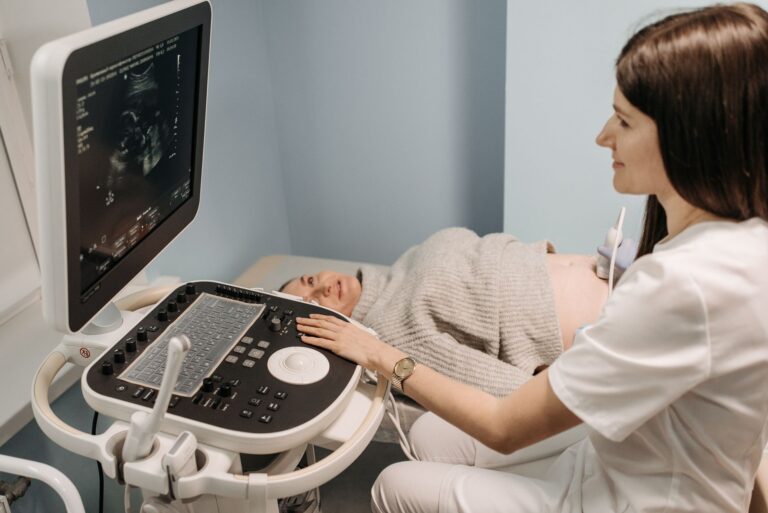
Yes, many pregnant people notice improved energy by weeks 12–14 of pregnancy as nausea decreases and the placenta completes its development, marking what many healthcare providers call the "honeymoon period" of pregnancy. However, about 60% of pregnant women report moderate-to-severe fatigue during the second trimester despite this common narrative, meaning continued tiredness is also a normal variation that deserves attention, not dismissal. Your energy in the second trimester depends on your iron levels, thyroid function, sleep quality, nutrition, activity level, and how your individual body handles the physiological changes of pregnancy. Understanding why you might feel tired even when energy "should" return—and what you can actually do about it—helps you distinguish between normal pregnancy fatigue and a treatable medical cause that your provider should know about.
Table of Contents
- When Energy Returns (and When It Doesn't)
- Why Your Body Still Demands More Energy
- Iron Deficiency and Persistent Fatigue
- Thyroid Dysfunction in the Second Trimester
- Sleep Changes and Progesterone's Effect
- Nutrition for Second-Trimester Energy
- Exercise and Movement for Energy
- When Persistent Fatigue Requires Medical Screening
- Building Your Daily Energy Management Routine
- How Energy Evolves Through the Second Trimester
- Frequently Asked Questions
When Energy Returns (and When It Doesn't)
The placenta typically completes its development by week 12, and as it does, hormone levels stabilize and pregnancy-related nausea often subsides, creating conditions where energy can bounce back noticeably. For many pregnant people, weeks 12–14 mark a real shift: the severe, bone-deep fatigue of the first trimester eases, and daily tasks feel less overwhelming.
Some describe feeling almost normal again. This energy lift is real when it happens, but it is not universal. The research shows that most pregnant people experience improved energy levels by weeks 12–14, and Mayo Clinic names this the transition point—yet the same window is when 60% of pregnant women still report moderate-to-severe fatigue. Both experiences are medically normal.
Your second trimester spans weeks 13 through 27, so energy does not return all at once or stay constant. Many people experience a peak around weeks 16–20 when nausea has truly lifted and the pregnancy belly is noticeable but not yet limiting. After week 20, as your baby grows and your blood volume expands by 40–50%, energy may dip again as your heart works harder to circulate more blood.
If your energy has not improved by week 14 despite good sleep and adequate rest, do not assume you are failing or that something is wrong. Instead, fatigue that persists or worsens after week 14 is a signal to discuss with your provider—iron deficiency, thyroid dysfunction, and blood-sugar instability all cause fatigue that responds to treatment. Screening is worth doing.
Why Your Body Still Demands More Energy
Your resting metabolic rate climbs 10% in the second trimester to supply the growing placenta and fetus, meaning your body burns more calories just sitting still. You need an additional 350 calories per day during the second and third trimesters—not to gain weight, but simply to fuel the biological work pregnancy requires.
That extra metabolic demand is real and relentless. Simultaneously, your blood volume increases 40–50% by mid-pregnancy, raising your metabolic demands and energy needs. More blood circulating means your heart works harder, your kidneys filter more waste, and your entire system operates under increased load. This is why pregnancy fatigue is not laziness—it is your body literally doing more work than it did before you were pregnant.
Progesterone, the hormone that sustains pregnancy, rises steadily through the second trimester. This rise helps maintain the pregnancy but also affects your energy regulation and sleep quality, often making you feel heavier or slower than before. The combination of higher progesterone, increased metabolic rate, and expanded blood volume means fatigue in the second trimester is often physiological, not psychological.
If you are eating enough, sleeping adequately, and moving regularly but still feel drained, your body may be telling you that something else—iron, thyroid function, or blood sugar—needs attention. Fatigue that defies rest is typically a symptom, not a sign of weakness. Write down when you feel most tired, what you have eaten, and how much you slept; this pattern helps your provider narrow down the cause.
Iron Deficiency and Persistent Fatigue
Iron demands increase 50% during pregnancy due to expanded blood volume, and low iron prevents adequate oxygen transport, causing disproportionate tiredness even when energy typically improves. This means iron deficiency anemia is the most treatable cause of persistent second-trimester fatigue. Many pregnant people develop low iron without realizing it, then assume the fatigue is just "how pregnancy is." Your provider typically screens for anemia at your first prenatal visit and again around week 28.
If your iron is low, supplementation—usually with ferrous sulfate or a similar iron salt taken daily—can make a dramatic difference in your energy within 2–4 weeks. The supplement may cause constipation or nausea, in which case your provider can suggest iron with vitamin C to improve absorption, or a different form. Iron deficiency also impairs thyroid enzyme function, meaning low iron can trigger thyroid problems on top of causing fatigue directly.
This is why screening matters: fixing one problem alone may not resolve your fatigue if the other is also present. A simple blood test can check both. Between meals, you can support your iron levels with iron-rich foods: red meat, poultry, beans, lentils, fortified cereals, and dark leafy greens.
Pair iron-rich foods with vitamin C sources like citrus, tomatoes, or peppers to boost absorption. If you take iron supplements, take them on an empty stomach or with orange juice for best absorption—but if nausea is a problem, food-absorbed iron from meals may be more realistic.
Thyroid Dysfunction in the Second Trimester
Pregnancy hormones alter thyroid-stimulating hormone levels, and thyroid dysfunction often emerges in the second trimester, directly causing fatigue that can be severe. Many pregnant people do not realize their thyroid has changed, so fatigue gets attributed to pregnancy itself when it is actually hypothyroidism—an underactive thyroid—that should be treated. Thyroid screening is not routine at every prenatal visit, but if you report persistent fatigue after week 14, your provider should check your thyroid-stimulating hormone (TSH) level.
An elevated TSH means your thyroid is not producing enough hormone, a condition called hypothyroidism, which causes fatigue, weight gain, dry skin, and constipation. Hypothyroidism in pregnancy is treated with levothyroxine (synthetic thyroid hormone), and the dose is often adjusted as pregnancy progresses because thyroid demands change. Even if you have not had thyroid problems before, pregnancy can trigger them.
Iodine deficiency impairs thyroid function, and iron deficiency—mentioned above—also interferes with thyroid enzyme activity. This is why addressing one deficiency alone may not fully restore your energy; thyroid and iron status are connected. If thyroid screening shows normal results but fatigue persists, ask your provider whether your TSH is "normal" for pregnancy or "normal" for a non-pregnant person.
Pregnancy changes the reference ranges for thyroid hormones, and what looks "normal" on a standard lab report may not be optimal during pregnancy. A TSH in the "normal" range for the general population might still need to be treated in pregnancy.
Sleep Changes and Progesterone's Effect
Progesterone levels rise from 40 ng/mL at week 14 to 100 ng/mL by week 28, lengthening REM latency, which means your sleep architecture changes even as your need for sleep increases. You need 8–10 hours of sleep nightly during the second trimester, not because something is wrong, but because your body is doing more biological work.
This is normal; ignoring it is what creates problems. Higher progesterone makes you sleepy and also keeps you from reaching deep, restorative sleep stages as easily as before. You may feel like you are sleeping for eight hours but wake up still feeling tired, because the quality has changed. This is not insomnia—it is a predictable shift in how pregnancy hormones affect your nervous system.
Accepting this and prioritizing sleep becomes part of managing second-trimester energy. Practical strategies: go to bed 30 minutes earlier than before pregnancy, use a pregnancy pillow to support your belly and hips, keep your bedroom cool and dark, and avoid screens for the last 30 minutes before bed. If you work night shifts or keep irregular hours, your fatigue is likely worse because sleep disruption magnifies pregnancy fatigue.
If possible, shift toward more regular sleep during the second trimester. Caffeine during the day can help you feel sharper, but after 1 p.m., it interferes with falling asleep later. Pregnancy fatigue is not a sign that you need more caffeine; it is a sign that your body needs more sleep and more rest during the day. Naps of 20–30 minutes in the early afternoon can genuinely help without disrupting nighttime sleep.
Nutrition for Second-Trimester Energy
Second-trimester energy requirements increase 350 kcal/day, and iron, calcium, protein, and complex carbohydrates prevent blood-sugar crashes and support oxygen delivery. This does not mean you need to eat an extra sandwich; it means your baseline nutrition has to be denser and more intentional than it was before pregnancy. Small, frequent meals stabilize blood sugar and energy better than three large meals.
Aim for 60–80 grams of protein daily: eggs, Greek yogurt, chicken, fish, beans, nuts, and cheese all deliver protein plus other nutrients. Protein slows digestion and prevents the blood-sugar spikes and crashes that fuel fatigue. Pair protein with complex carbohydrates like whole-grain bread, oatmeal, quinoa, and sweet potatoes; simple carbohydrates and refined sugars cause energy crashes 90 minutes later, worsening fatigue.
Iron-rich meals matter: red meat or poultry three to four times weekly, beans and lentils on other days, and dark leafy greens or fortified cereals daily. Eating iron-rich foods with vitamin C sources improves absorption—orange juice with breakfast cereal, tomatoes with beans, citrus with chicken. Avoid taking supplements or big iron doses with coffee, tea, or calcium, which block absorption.
Hydration also affects energy: by mid-pregnancy, your blood volume has expanded 40–50%, and dehydration reduces oxygen transport, worsening fatigue. Aim for 8–10 glasses of water daily, more if you are active or live in a hot climate. Many pregnant people mistake thirst for hunger and eat when they need water; keeping water visible and reachable helps.
Exercise and Movement for Energy
The American College of Obstetricians and Gynecologists recommends 30 minutes of moderate activity most days during pregnancy, and research shows exercise tolerance is highest in the second trimester. Moderate exercise means brisk walking, swimming, stationary cycling, or prenatal yoga—activities where you can still hold a conversation but feel your heart rate rise. Counterintuitively, movement boosts energy rather than depleting it.
Moderate exercise (150 minutes weekly) significantly boosts second-trimester energy and sleep quality. Aim for at least 150 minutes spread across the week: three 50-minute sessions, or five 30-minute sessions. If you did not exercise before pregnancy, start with 15-minute walks and gradually build. Consistency matters more than intensity. Walking is accessible and free: 20–30 minutes most days of the week, at a pace where you feel energized afterward rather than exhausted.
Swimming or water aerobics is excellent because water supports your growing belly and protects your joints. Prenatal yoga or stretching improves sleep quality and reduces muscle tension from postural changes. Avoid exercises lying flat on your back after week 16, and avoid contact sports or activities with a high risk of falling. Fatigue is sometimes an excuse to skip exercise, but movement actually addresses the root of the fatigue by improving cardiovascular efficiency, reducing blood-sugar instability, and improving sleep depth.
Even on days when you feel tired, 15 minutes of walking often leaves you feeling more energized than resting. Exercise should feel good; if it leaves you exhausted for hours, you overdid intensity and should dial back.
When Persistent Fatigue Requires Medical Screening
If energy does not improve or fatigue deepens despite adequate rest and nutrition, medical evaluation for anemia, hypothyroidism, and gestational diabetes prevents serious complications. Persistent or worsening fatigue after week 14 is not something to push through; it is a reason to contact your provider and ask for blood work. Request screening for the following: hemoglobin and hematocrit to check iron levels, TSH and free T4 to check thyroid function, and a glucose screening (usually around week 24–28, but can be done earlier if fatigue is severe).
These three tests cover the most common medical causes of second-trimester fatigue. If all three come back normal and you are still exhausted, ask your provider about other possibilities like vitamin B12 deficiency or sleep apnea, which can also cause fatigue in pregnancy. Red flags that need urgent contact with your provider: fainting or near-fainting, chest pain, shortness of breath at rest (not from the weight of your belly), or fatigue so severe you cannot perform daily tasks.
These symptoms suggest anemia, thyroid disease, or heart strain that requires immediate medical attention. Severe fatigue is not normal and does not have to be accepted as "just pregnancy." If you live in a low-income setting where blood work is hard to access, prioritize iron screening first, as iron deficiency is the most common cause of treatable second-trimester fatigue. Even a basic hemoglobin test at a local health clinic can help identify anemia, which is often fixable with supplements.
Building Your Daily Energy Management Routine
Your energy management in the second trimester rests on four pillars: adequate sleep, intentional nutrition, regular movement, and medical screening when needed. Building a routine that addresses all four prevents the compound fatigue that comes from meeting only one or two of these needs. Start where you are; perfection is not the goal. Morning: Eat a protein-rich breakfast with complex carbs within an hour of waking—eggs with toast, oatmeal with nuts and fruit, or Greek yogurt with granola.
Drink water before coffee, and walk for 10–15 minutes if you can, even just around your home or office. This steadies blood sugar and signals to your body that you are awake and moving. Midday: Have lunch with protein and vegetables by 12:30 p.m., and drink water throughout the afternoon. If you feel an energy crash around 2–3 p.m., eat a small snack—apple with almond butter, cheese and crackers, or a handful of nuts—rather than pushing through with caffeine.
A 15–20 minute walk or gentle stretch session can reset your energy without depleting it. Evening: Eat dinner at least two hours before bed, combining protein with vegetables and complex carbs. Dim lights an hour before bedtime, avoid screens, and do gentle stretching or prenatal yoga if it helps you feel less restless. Aim for bed 30 minutes earlier than your pre-pregnancy bedtime, and prioritize sleep as work—because it is.
How Energy Evolves Through the Second Trimester
Your second trimester spans from week 13 through week 27, and energy typically does not stay constant across those 15 weeks. Many pregnant people experience the most energy around weeks 16–20, when nausea has fully lifted but the pregnancy belly is not yet physically limiting. This is often when people return to normal activity, travel, or push themselves more—exactly when they might overdo it.
By week 20, the combined effects of increased blood volume, hormonal shifts, and the growing weight of your belly often cause a second-trimester energy dip around weeks 22–25. This does not mean the "honeymoon period" ended; it means your body is working harder again. This is normal and temporary. Many people bounce back between weeks 25–27 if their nutrition and sleep stay solid.
If your energy was good from weeks 16–20 but then crashed, do not panic. Check whether your iron intake, sleep, or activity level has changed. A previously successful energy routine may need tweaking as pregnancy progresses. What worked in week 14 might not work in week 24, and adjusting expectations helps. Document what your energy actually feels like across the second trimester: write down energy level (high, medium, low) each day, what you ate, how much you slept, and whether you exercised.
By week 24–25, you will see patterns—you might notice that low-iron days follow when you skipped iron-rich meals, or that you sleep better when you walked that day. These personal patterns help you troubleshoot fatigue without guessing.
Frequently Asked Questions
When should I expect to feel more energy during pregnancy?
Many pregnant people notice improved energy by weeks 12–14 as nausea decreases and the placenta completes its development. However, about 60% of pregnant women still report moderate-to-severe fatigue during the second trimester, so delayed improvement is also medically normal. If fatigue has not improved by week 14 despite adequate rest and nutrition, ask your provider about screening for iron deficiency or thyroid dysfunction.
Is it normal to still feel exhausted in the second trimester?
Yes. While the "honeymoon period" of improved energy is real for many, persistent second-trimester fatigue affects the majority of pregnant women. Fatigue that does not improve can signal iron deficiency anemia, thyroid changes, blood-sugar instability, or inadequate sleep—all of which respond to treatment or adjustment. Never assume fatigue means you are failing; it is a symptom your body is sending, not a weakness.
How much more sleep do I need in the second trimester?
Aim for 8–10 hours of sleep nightly during the second trimester. Progesterone levels rise during this time and change your sleep architecture, making sleep lighter and less restorative even if you sleep for eight hours. Going to bed 30 minutes earlier than before pregnancy, using a pregnancy pillow, and keeping your room cool and dark can help you achieve the deeper sleep your body needs.
What is causing my second-trimester fatigue if iron and thyroid are normal?
If iron and thyroid screening come back normal, ask your provider about gestational diabetes risk (screened around week 24–28), vitamin B12 deficiency, or sleep-related breathing changes. Inadequate nutrition, insufficient exercise, or disrupted sleep can also cause fatigue even without an underlying medical condition. Review whether you are eating enough calories (350 extra per day), moving regularly (150 minutes weekly), and sleeping enough (8–10 hours).
Can exercise really help my energy, or will it make fatigue worse?
Moderate exercise significantly improves second-trimester energy and sleep quality. Aim for 150 minutes per week of moderate activity like brisk walking, swimming, or prenatal yoga. Exercise tolerance is highest in the second trimester, and movement actually addresses the root of fatigue by improving cardiovascular efficiency and sleep depth. If you feel exhausted hours after exercise, you overdid intensity; scale back and try shorter sessions.
How much extra should I be eating, and what foods help energy the most?
You need an additional 350 calories per day during the second and third trimesters—not a large amount, but they must be nutrient-dense. Prioritize 60–80 grams of protein daily (eggs, poultry, fish, beans), iron-rich foods (red meat, lentils, fortified cereals), complex carbohydrates (whole grains, sweet potatoes), and plenty of water. Eat small, frequent meals to prevent blood-sugar crashes; three large meals are more likely to cause energy dips than steady snacking throughout the day.