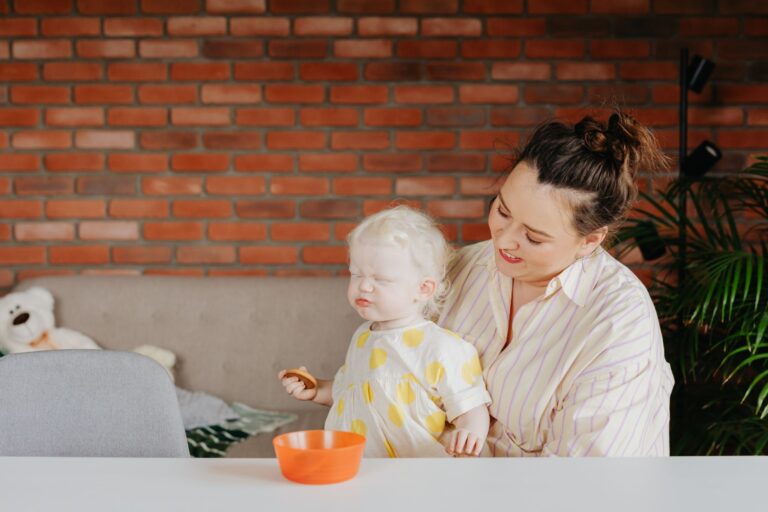
Modern alternatives to traditional baby showers range from casual gathering styles to completely different ways of celebrating and gathering supplies before baby arrives. A traditional baby shower is typically a formal daytime event—usually just for women—centered on gift-giving, games, and food, held one to two months before birth. Many families now skip this model entirely or adapt pieces of it, choosing celebrations that match their timeline, budget, guest mix, guest location, or comfort level with the shower structure itself. Whether you're planning to host something or simply deciding whether a shower makes sense for your family, the core question is the same: what does your family actually need, and what kind of gathering serves that need without creating stress? This article covers the main alternatives available, how they actually work, and the practical decisions that shape each one.
Table of Contents
- Why Families Choose Alternatives to Traditional Showers
- Registry and Direct-Gift Alternatives
- Celebration Events That Aren't Showers
- Virtual and Hybrid Celebrations
- Timing Decisions and When to Host
- Budget and Cost Considerations
- Creating a Guest List and Managing Invitations
- What to Do Instead of Games
- Cultural and Personal Considerations
- Making Your Decision
- Frequently Asked Questions
Why Families Choose Alternatives to Traditional Showers
Traditional showers aren't required, and many families find them don't fit their lives. Showers demand a large guest list, coordination across schedules, significant planning and decor, and often cost money for the host to provide food and entertainment. For working parents, for families spread across different states, for those whose income is tight, or for anyone who simply doesn't want a formal event, the work-to-value trade-off can feel backward.
Some people also object to showers on principle: the focus on gifts can feel transactional, the games feel awkward, the all-female model doesn't match modern families, or the idea of asking people to show up and give money makes them uncomfortable. Others have no family nearby to help host, or work jobs that make a daytime event impossible.
For some, a shower was already planned before a pregnancy loss, miscarriage, or change in circumstances, and restarting doesn't feel right. The practical barriers are real too. A shower requires a location, coordination with a host (often your mother or a friend), decisions about the guest list, catering or food prep, decorations, and games or program.
A single mistake—wrong date, confusing invitations, conflict-heavy guest mix—creates stress during a period when stress is not what you need. Alternatives exist because they solve these problems. They're not "lesser" showers; they're different structures that accomplish the same goals (getting what baby needs, marking the transition to parenthood) without the overhead.
Most alternatives cost less money and take less planning than a traditional shower. The word "shower" can cause confusion here. When people talk about alternatives, they sometimes mean non-shower celebrations, and sometimes they mean showers with a different structure—perhaps smaller, or virtual, or co-ed. This article covers both: celebrations that fit the traditional shower model loosely, and celebrations that abandon it entirely.
Registry and Direct-Gift Alternatives
The clearest alternative to a shower is the registry itself—a list of what you actually need, shared digitally with people who want to help. Many families set up registries (on Babylist, Amazon, Target, Pottery Barn Kids, or similar) and simply send the link to anyone who asks what you need, or who wants to know how they can help.
No event required. This approach shifts the gifting from a gathered moment to an ongoing process across the weeks before birth and after. Someone sees the registry, buys an item or two, and it arrives. No games, no photos, no pressure to attend an event. The registry sits public for months, so people can contribute whenever they choose, and you receive gifts spread across time rather than all at once in one event.
A "registry party" is a middle ground: one host (you, your partner, or a friend) invites people to a casual gathering—a coffee, a lunch, a park day—and mentions that a registry exists. The registry is the reason for gathering, but the event itself is low-key. There's no formal program, no gifts opened in front of guests, no games unless someone organizes them.
Guests know the registry exists and can contribute if they choose; the event is social, and the gifts are secondary. Another variation is a group gift, in which friends or family members pool money to buy one larger item (a safe sleep space, a car seat, a stroller) that you actually need. Someone organizes this via email or text, the group contributes, and the item arrives.
One present instead of thirty smaller ones simplifies unwrapping and reduces duplicates. Some families skip gifting altogether and ask for practical help instead: "Instead of gifts, we'd love meals in the first two weeks," or "If you're able, we'd be grateful for help with house cleaning before baby arrives." A close friend or two may respond to a direct ask like this; it's often more useful than another crib sheet set.
The advantage of registry alternatives is simplicity: no event to plan, low cost for you, and people know exactly what will be useful. The limitation is that not everyone will help, and you'll need to reach out to people individually. A registry is passive—people have to know it exists and choose to look at it. A gathering is active—people show up because they received an invitation.
Celebration Events That Aren't Showers
Some families celebrate the pregnancy with a gathering that has nothing to do with gifts or baby preparation. A "babymoon" celebration is a daytime event—a picnic, a dinner party, a day trip with friends—that marks the pregnancy but makes no mention of what baby will need. The focus is on the pregnant person, on friendship, or on a milestone.
There are no games specific to baby, no gifts opened, no attendees fearing they're being asked to spend money. A gender reveal party is a celebration that announces the baby's sex (or challenges the idea of a sex announcement, depending on your family's approach). For some families, this is a separate event from any other celebration.
People gather to learn the news, often with a special reveal moment—a colored cake, a balloon burst, a group guessing game—and then move on to regular socializing. Some people consider it a joyful moment worth marking; others skip it entirely because they find the structure unnecessary. A "sprinkle" is a smaller, less formal shower held during a second or later pregnancy, when parents already have most of the basic gear.
A sprinkle might focus on gifts for specific needs this time around (perhaps larger clothes, or a second car seat, or items specific to this child), or might be entirely social. The word signals that this is not a "shower" in the traditional sense—it's lighter, less formal, often co-ed, and attended by fewer people. A "sip and see" is a gathering held after the baby is born (usually two to four weeks in), where people come to meet the baby, bring a simple meal or snack, and socialize.
No gifts are expected; the point is to celebrate and help. This removes the burden of planning during pregnancy and gives parents time to breathe. The limitation is that parents will be recovering from birth and may be sleep-deprived, making hosting difficult. A meal train or a help exchange serves similar purposes without requiring everyone to gather at once.
A meal train is a schedule where different friends or family members bring or send meals on specific dates—often daily or several times a week—for the first few weeks after birth. A help exchange is a similar structure where people sign up for specific tasks: one person does laundry on Tuesday, another walks the dog on Wednesday, another helps with grocery shopping on Friday.
The advantage of these alternatives is that they match different moments and moods. A babymoon celebration doesn't require anyone to think about baby at all. A sip and see lets people help after birth, when help is most needed. A meal train or help exchange provides practical aid without requiring the person being helped to plan or host. The limitation is that they're more spread out over time, so the moment of public celebration is less pronounced.
Virtual and Hybrid Celebrations
If your family is spread across different states or countries, or if in-person gatherings are logistically impossible, a virtual shower or celebration is straightforward. A Zoom gathering can include games, gift opening (you open gifts sent in advance and show them on camera), shared snacks, or just conversation. A virtual shower costs nothing to host, no one has to travel, and it can include people across time zones at a scheduled time.
A hybrid event includes both in-person and virtual guests. A small group gathers in one location, and others join by video. This requires someone to manage technology and make sure virtual attendees feel included, but it allows geographically distant family and friends to participate. The challenge is that virtual guests often feel secondary—the room's attention is on the people present—so this works best when the virtual group is small or when you make a deliberate effort to center them.
Virtual gift-opening can feel awkward for some people. Sitting on Zoom and watching someone unwrap gifts for an hour isn't engaging for most guests. To make it work better, some families open gifts at the event but don't film it, then share a photo afterward. Others open gifts in advance, off-camera, and just mention what arrived.
Some skip the opening ritual entirely and just write thank-you notes afterward. A virtual celebration bypasses many logistical problems—no venue needed, no catering, no travel. It's accessible for people with mobility limitations, parents who can't arrange childcare, or anyone who doesn't want to drive several hours. The limitation is the medium itself: many people find video calls tiring, and the interaction feels less connected than an in-person gathering.
For your close circle, a virtual event can feel genuinely joyful. For a large guest list, it can feel impersonal.
Timing Decisions and When to Host
The traditional shower timing is one to two months before the due date—early enough that you're visibly pregnant but late enough that the baby could arrive almost any time. This timing means the bulk of gifts arrive when you still need to store them, but close enough to birth that the due date feels real to guests.
If you choose an alternative celebration, timing is more flexible. A babymoon or casual gathering can happen any point during pregnancy. A sip and see happens after birth—usually after two to four weeks, once the intensity of the first days has passed and parents are finding a routine. A meal train typically starts as soon as labor begins or is scheduled, and runs for two to six weeks.
Some families spread celebrations across pregnancy and postpartum: a small babymoon celebration during pregnancy (purely social, no gifts), then a sip and see and meal train after birth (help-focused). Others skip everything during pregnancy and focus entirely on help after birth. Some mark only the birth itself with a gathering, weeks or months later, once the family is ready.
The advantage of flexible timing is that it lets you work with your actual energy level. Pregnant people have good days and hard days; choosing when to host gives you control over a moment when you're likely to feel okay. Hosting after birth is harder logistically but often feels more like a genuine celebration—the baby is here, the anxiety has shifted, and people's generosity feels grounded in a real need.
Budget and Cost Considerations
A traditional baby shower costs money, usually paid by whoever hosts it. That person buys or arranges for food, drinks, decorations, invitations, perhaps games or entertainment, and sometimes even favors for guests. The total can range from modest (homemade food, minimal decor, no favors) to expensive (catered event, professional decorations, personalized favors). If you're hosting the shower yourself, or if you're paying for it, the cost adds up.
Most alternatives cost significantly less. A casual gathering (coffee, park day, lunch at a restaurant) costs the price of the food or beverages, which people often share or each pay for. A virtual event costs nothing. A meal train costs nothing—people bring food. A registry or group gift involves no cost to you; donors pay for what they choose to give.
A sip and see, when guests bring food or snacks to share, costs little to host. The exception is when you're paying for gifts or activities yourself. A babymoon celebration you host (perhaps a special dinner or outing) costs money. But this is money you choose to spend on something you wanted to do anyway, not money required to make the event happen.
If cost is a concern, it's worth naming directly. Many people understand that hosting a large event is expensive and won't expect it. A simple text—"We'd love to gather with you, but a big party isn't in the budget right now. Coffee next month?"—sets expectations and often brings relief to others who were also feeling the weight of shower expectations.
Creating a Guest List and Managing Invitations
A traditional shower has a clear guest list: usually women—family members and friends—totaling perhaps twenty to forty people. The list is usually set by whoever is hosting, and invitations go out on a deadline, with an RSVP request. Alternatives offer more flexibility. A casual gathering might include whoever's interested, and invitations can be informal—a group text, a Facebook event, or a word-of-mouth invitation.
A virtual event lets you invite people across distance without geographic limits. A sip and see might be open to anyone who wants to come; you announce it and invite people generally rather than sending formal invitations. This flexibility is an advantage if you want to keep things loose. It's a disadvantage if you end up with an unexpectedly large or small group.
Some people find it helpful to name a specific number—"I'm thinking fifteen to twenty people"—even if invitations are casual, so you can get a sense of who's interested and plan accordingly. Invitations for alternatives can be much simpler than shower invitations. You don't need printed cards; a text or email is fine. You don't need a theme or color scheme.
You don't need to request gifts (though you can if you wish—a registry link is simple). You can ask people to bring nothing, or to bring a dish to share, or to bring something for a specific purpose. One advantage of skipping a formal shower: you can avoid the burden of a large, formal guest list.
Some people feel obligated to invite colleagues, distant relatives, or people they don't see often. An informal alternative lets you gather only with people you actively want to spend time with.
What to Do Instead of Games
Traditional showers usually include games. Some people enjoy them; many find them uncomfortable or boring. If you're hosting an alternative celebration, you can skip games entirely, include a few, or do something different. Games aren't required for any alternative celebration. A casual gathering doesn't need structured activities; conversation and time together are enough. A virtual event can include optional games (charades, trivia, Pictionary shared over video) or just conversation.
A babymoon doesn't need baby-focused games—it might have no games at all, or games completely unrelated to parenthood. Some families include one or two simple activities: a "advice for the parents" moment where guests write down tips or quotes on cards, a photo booth setup for informal pictures, or a collaborative art project. These are optional and light—not the focus of the event, just something to do if there's a lull.
Others use food as the activity: a meal-building gathering where everyone assembles freezer-friendly meals, a cupcake decorating moment, or a cake-and-coffee gathering where the "game" is just enjoying food together. These provide a reason to gather without the awkwardness of traditional shower games. The point is that an alternative celebration doesn't require entertainment to be successful.
People come because they want to celebrate you and meet the baby (or prepare for the baby's arrival). That's reason enough to gather.
Cultural and Personal Considerations
Baby showers aren't universal across all cultures and backgrounds. Some cultures don't have a shower tradition at all; others have very different celebrations or customs. Before deciding on a particular celebration style, it's worth thinking about what your family's traditions are and what feels authentic to you. If your family has a specific tradition (a naming ceremony, a particular blessing, a specific cultural way of marking the arrival of a new baby), an alternative celebration might honor that better than a traditional shower would.
If you come from a culture that doesn't traditionally have showers, you don't need to adopt the model just because it exists. Religious practices may also shape your choices. Some people don't celebrate until after birth; others have specific blessings or ceremonies they want to include. A traditional shower might not accommodate these, while an alternative celebration can be designed to match your beliefs.
Personal preference matters too. If you don't like being the center of attention, a small casual gathering might feel right. If you love hosting, a traditional shower might be genuinely fun for you. If you're very private or going through a difficult pregnancy, you might prefer to keep the celebration minimal. If you're energized by gathering people, you might want something that brings a large group together.
There's no "right" way to mark your pregnancy and the arrival of your baby. The right way is the one that feels authentic to you and your family, not the one you think you're supposed to do.
Making Your Decision
Choosing whether to have a baby shower, and what form it should take, is a personal decision. Start by thinking about what you actually need and what you actually want. Do you need help preparing for baby's arrival? Do you want to celebrate with people? Do you have the energy and time to plan an event? If the answer to all three is yes and a traditional shower feels right, have one.
If the answer to any is no, an alternative is worth considering. Write out what matters to you—time with close people, practical support, a clear gift list, celebrating a milestone—and then think about which structure serves that best. You can also ask for input from whoever would host or help plan. Sometimes people have strong ideas about showers; sometimes they're relieved to do something simpler.
A conversation with your partner, your mother, your best friend—whoever you imagine orchestrating this—can clarify what's actually feasible and what people actually want. Remember that you can change your mind. If you decide not to have a shower and later wish you had, you can still host something. If you plan a shower and then find you're too tired or stressed, you can scale back or postpone.
There's no deadline that makes this decision permanent before the baby arrives. And after the baby arrives, if you didn't have a celebration, you can still host a sip and see, a coffee with friends, or any other gathering you want. The goal is to arrive at your baby's birth healthy and ready, with the practical things your family needs and the support of people around you. Which way you accomplish that is entirely up to you.
Frequently Asked Questions
Do we have to have a baby shower?
No. A shower is optional. You can gather in a completely different way, skip any formal celebration during pregnancy, or focus on help and gathering after the baby is born instead.
What's the cheapest alternative to a shower?
A registry people can contribute to (whether or not you host any event), a casual gathering like a coffee or lunch that people pay for individually, or a meal train after birth where people provide food and help. All cost you little to nothing.
Can we have a shower with just close family and no games?
Yes. That's a valid "alternative"—smaller, simpler, games optional, focused on the people who matter most rather than a large formal event.
What do we do if we can't gather in person—family is spread out?
A virtual celebration over Zoom works well, or you can choose to have no gathering during pregnancy and do a sip and see after the baby is born when visitors can come to you. A meal train can also happen with people who live far away, coordinated by email or a shared calendar.
Can we ask for practical help instead of gifts?
Yes. You can ask specifically: "Instead of gifts, we'd love meals the first three weeks" or "Help with cleaning before the baby arrives." Many people find this more useful than opening more baby items.
Is it weird to have a shower only for women, or should it be co-ed?
That's your choice. Some families prefer a traditional all-women gathering; others want to include partners and friends of any gender. There's no "should"—it's whatever feels right for your family.