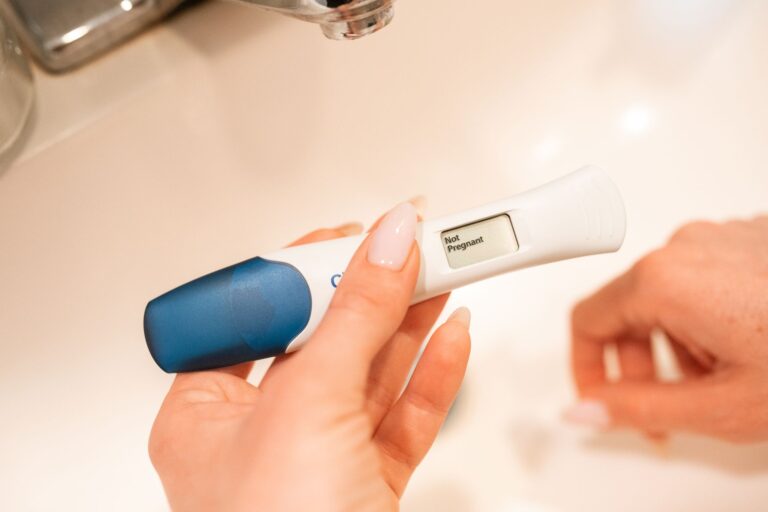
Unexplained infertility is a diagnosis made when standard medical testing finds no identifiable cause for a couple's inability to conceive—normal ovulation, patent fallopian tubes, and adequate sperm are all confirmed, yet pregnancy has not occurred after one year of attempting conception. The diagnosis does not mean nothing is wrong; it means current tests have not found what it is, and that distinction shapes how doctors approach treatment. The NIH reports that the diagnosis applies to approximately 30% of female infertility cases, with some peer-reviewed reviews finding 15–30% of infertile couples overall fall into this category, depending on how thoroughly clinicians evaluate each case. The variation reflects real differences in testing depth: a couple evaluated in one clinic may receive different diagnosis than in another, because unexplained infertility is defined by which tests are run and what they show.
Table of Contents
- What Unexplained Infertility Actually Means
- The Standard Tests That Lead to This Diagnosis
- What Hidden Causes Might Still Be Present
- When to Seek Evaluation and What Timeline Makes Sense
- Why Age Changes Everything in Unexplained Infertility
- What First-Line Treatment Looks Like
- In Vitro Fertilization: When, How, and What to Know
- What Pregnancy Chances Actually Look Like Without Treatment
- Deciding Whether to Pursue Treatment
- When to Get a Second Opinion and How to Move Forward
- Frequently Asked Questions
What Unexplained Infertility Actually Means
When a doctor uses the term "unexplained infertility," they are saying that infertility is documented—a couple has tried to conceive without success—and that basic testing shows the typical culprits have been ruled out. This is a diagnosis of exclusion, not a diagnosis of nothing. The standard evaluation includes checking whether the woman ovulates regularly, confirming that at least one fallopian tube is open, and assessing whether the male partner's semen contains enough moving sperm to potentially fertilize an egg.
The diagnosis does not mean conception is impossible or that a specific hidden problem does not exist. It means the most common, easily detectable reasons for infertility have been tested for and found not to be the problem. Approximately 1 in 8 couples of reproductive age experience infertility—the inability to conceive after one year of trying—and of those couples, roughly one-quarter to one-third will receive an unexplained diagnosis if they complete a standard workup.
Couples with unexplained infertility often feel caught between two outcomes: relieved that no major structural problem or obvious abnormality was found, and frustrated that no clear explanation or straightforward fix has emerged. The emotional weight of the diagnosis can be significant because it removes the possibility of pointing to one specific thing to address, which can make the path forward feel less certain.
The prevalence of unexplained infertility varies by age, duration of infertility, and prior medical history. Younger couples—those in their late twenties or early thirties—may receive this diagnosis more often than older couples, because age-related changes in egg quality do not always show up on standard tests until conception attempts have continued for longer. Similarly, couples who have been trying to conceive for five to ten years may eventually discover a cause that was not apparent early on.
The diagnosis is not permanent. If a couple continues to attempt conception, either naturally or with medical support, further testing, the passage of time, or changes in circumstances may eventually reveal what was initially unexplained. Some couples conceive spontaneously months or years after receiving this diagnosis; others opt for treatment and conceive with assistance; some discover a previously hidden cause only after additional specialized testing.
The Standard Tests That Lead to This Diagnosis
The American Society for Reproductive Medicine (ASRM) framework for evaluating infertility includes semen analysis, assessment of ovulation, imaging of the fallopian tubes called a hysterosalpingogram, and when appropriate, ovarian reserve testing and laparoscopy. Semen analysis is typically the first step, examining the volume, concentration, motility (movement), and morphology (shape) of sperm.
A normal result means at least 15 million sperm per milliliter of semen, at least 40% motility, and at least 4% normal morphology by strict criteria. Ovulation assessment usually includes tracking basal body temperature, testing luteinizing hormone (LH) in urine around the expected ovulation date, ultrasound imaging to confirm follicle development and rupture, or blood tests measuring progesterone in the second half of the menstrual cycle.
A confirmed ovulation pattern—whether regular or irregular—counts as normal ovulatory function. If ovulation is absent or irregular, the diagnosis shifts from unexplained to another category (anovulation, or oligomenorrhea if cycles are infrequent). The hysterosalpingogram is an X-ray procedure performed after the menstrual period ends but before ovulation, using contrast dye injected through the cervix to visualize the uterine cavity and the path of the fallopian tubes.
Blockage, scarring, or structural distortion of the tubes would show on this imaging. If both tubes are patent (open) and the uterine cavity looks normal, that test is marked as normal—but the test cannot detect subtle tubal dysfunction or minor adhesions that do not completely block the tube.
Ovarian reserve testing estimates the number of eggs remaining in the ovaries using blood tests (follicle-stimulating hormone, or FSH; anti-müllerian hormone, or AMH) and sometimes ultrasound counting of small follicles visible at the start of a cycle. A normal ovarian reserve does not mean egg quality is good or that conception is likely; it only reflects the approximate number of eggs present.
Age-related decline in egg quality—a major driver of infertility after age 35—does not always correlate with ovarian reserve test results. Laparoscopy, a minor surgical procedure using a tiny camera to visualize the pelvic organs directly, can detect endometriosis (tissue lining the uterus growing outside it), adhesions (scar tissue), fibroids, or other structural abnormalities not visible on ultrasound or other imaging. Because laparoscopy is invasive and carries surgical risks, it is typically reserved for couples with specific symptoms or for evaluation after other options have been tried first.
What Hidden Causes Might Still Be Present
Unexplained infertility does not mean nothing is wrong; possible undetected causes include subtle tubal dysfunction, endometriosis without obvious scarring, egg and sperm quality defects (particularly age-related chromosomal abnormalities), immune dysfunction, and sperm transport problems that standard tests cannot measure. Many of these conditions exist on a spectrum and may not be severe enough to produce obvious symptoms or to show up in routine testing, yet they can still reduce the chance of conception.
Endometriosis is a prime example: the tissue lining the uterus grows outside the uterus, typically on the ovaries, fallopian tubes, or pelvic peritoneum. Mild to moderate endometriosis may not distort the fallopian tubes enough to show blockage on hysterosalpingography, and it may not create adhesions visible during laparoscopy. Yet the inflammatory environment, altered immune function, and reduced egg quality associated with endometriosis can reduce fertility.
A woman with unexplained infertility who undergoes laparoscopy may discover endometriosis that was not suspected from symptoms or imaging. Egg quality deteriorates with age, and most of that decline involves chromosomal abnormalities in the eggs themselves. A woman in her early twenties has approximately a 10% risk of chromosomal abnormality in her eggs; by age 40, that risk climbs to roughly 50%.
Standard testing does not measure egg quality directly; it only estimates the number of eggs present. Two women with identical ovarian reserve test results can have vastly different egg quality based on their age and other factors. Sperm quality issues beyond what semen analysis detects include problems with sperm DNA, sperm DNA fragmentation (damage to the genetic material inside the sperm), problems with mitochondrial function (the energy-producing structures in sperm), and abnormalities in sperm proteins involved in fertilization.
Standard semen analysis measures count, movement, and shape but does not detect these molecular-level problems. A man with a normal semen analysis can still have sperm quality issues that reduce fertility. Tubal dysfunction can be functional rather than structural: the tube may be patent (open to dye) but have impaired muscle contractions or ciliary function (the tiny hair-like structures that help move the egg through the tube) that prevent normal egg transport.
These problems do not show on hysterosalpingography or even laparoscopy in most cases. Hydrosalpinx (fluid buildup in a tube) may be visible on ultrasound but can also reduce fertility by creating inflammation or preventing embryo implantation. Immune factors, including elevated natural killer cells, antisperm antibodies, and other immune markers, have been implicated in some cases of unexplained infertility, though the clinical significance and appropriate treatment remain debated among reproductive specialists. Some couples with unexplained infertility have been found to have uterine factor abnormalities—submucous fibroids (growths protruding into the uterine cavity), polyps, or scarring—that can be detected by more advanced imaging like hysterosonography (ultrasound after injecting saline into the uterus) or hysteroscopy (direct visualization of the uterine cavity with a small camera).
When to Seek Evaluation and What Timeline Makes Sense
Infertility evaluation is recommended after one year of attempted conception in women under 35; for women over 35 or those with irregular periods, evaluation should begin after six months of attempting conception. The one-year threshold is based on data showing that most fertile couples conceive within that timeframe; the six-month threshold for older women acknowledges that fertility declines with age and that time becomes more urgent.
For women over 40, some clinicians recommend evaluation even sooner, after three to six months of trying. The reason for earlier evaluation in older women and in those with known cycle irregularities is straightforward: the chance of conception declines with female age, and the likelihood of detecting and addressing a problem decreases the longer infertility persists.
A woman at age 42 who has tried to conceive for one year faces a different statistical picture than a woman at age 28 who has tried for the same duration. Both deserve evaluation, but the older woman has less time before age-related fertility decline becomes more pronounced. If a woman has highly irregular periods—cycles occurring fewer than eight times per year or longer than 35 days—evaluation should not wait a full year, because irregular ovulation itself may be the problem.
Conditions like polycystic ovary syndrome (PCOS), thyroid disorders, or premature ovarian insufficiency (early menopause) can cause irregular cycles and reduced fertility, and identifying these conditions early allows for targeted treatment. A baseline evaluation typically takes several weeks to complete, involving appointments with a reproductive endocrinologist or fertility specialist, blood tests, imaging, and potentially a semen analysis.
For the female partner, the timing of certain tests matters: FSH and other hormone tests should be done early in the menstrual cycle (typically days 2-5), and the hysterosalpingogram should be scheduled after the period ends but before ovulation (typically around day 7-10 of a 28-day cycle). This sequential timing means a complete workup may span one to two menstrual cycles.
Once evaluation begins, results often come together over the course of one to two months. If all standard tests are normal and infertility persists, a couple typically has a consultation with the specialist to discuss the unexplained diagnosis, review next steps, and decide whether to pursue treatment or continue trying naturally. The emotional and practical timelines do not always align: a couple may complete testing in two months but need additional time to process the diagnosis and make decisions about treatment.
Why Age Changes Everything in Unexplained Infertility
Age is the single most important factor in fertility, and it reshapes the meaning and management of unexplained infertility more than any other variable. A 28-year-old and a 42-year-old with identical test results—both with normal ovulation, patent tubes, normal sperm—face entirely different probabilities of eventual conception and different rationales for treatment choices. For younger women, unexplained infertility often comes with a reassuring prognosis: pregnancy rates in couples with unexplained infertility without treatment are approximately 34% within six months, 76% within two years, and 87% within five years.
Those numbers reflect data mostly from younger populations; older women have lower natural conception rates. A 32-year-old with unexplained infertility who chooses to wait and try naturally faces decent odds; a 43-year-old faces substantially reduced odds and a time window that is closing. Age also affects the interpretation of test results themselves. A woman at age 25 with an AMH (anti-müllerian hormone) level in the low-normal range may have no clinical concern; the same level in a 38-year-old signals accelerated ovarian aging.
Ovulation patterns that are slightly irregular in a younger woman may trigger investigation earlier in an older woman. The same diagnosis can mean different things depending on age. Treatment recommendations also shift with age. For women under 35 with unexplained infertility, specialists often recommend three to four cycles of ovarian stimulation with intrauterine insemination (IUI) before moving to in vitro fertilization (IVF).
For women 35 to 40, the window for IUI trials may shorten to one to two cycles. For women over 40, many specialists recommend moving more quickly to IVF, because the likelihood of success with IUI becomes very low and time is pressing.
What First-Line Treatment Looks Like
ASRM recommends ovarian stimulation with oral medications (letrozole or clomiphene) combined with intrauterine insemination (IUI) as the initial active treatment, typically three to four cycles, before considering in vitro fertilization (IVF). This approach is less invasive and less expensive than IVF, and it works for some couples. The medications stimulate the ovaries to produce multiple eggs; ultrasound monitoring tracks the approaching ovulation, and at the right moment, sperm (washed and concentrated in a laboratory) is placed directly into the uterus via a small catheter.
Letrozole is an oral medication traditionally used for breast cancer that also promotes ovulation in lower doses; it has become a first choice for ovarian stimulation because it has a shorter half-life than clomiphene (meaning it clears the system faster) and may have a more favorable side-effect profile. Clomiphene citrate is an older, well-established medication that directly stimulates the pituitary gland to release more FSH, driving ovulation.
Both are taken for five days early in the cycle, and both can cause side effects including hot flashes, mood changes, headaches, and nausea—typically mild and temporary. An IUI cycle involves frequent ultrasound appointments starting around day 5 or 6 of the cycle to watch follicle growth, and sometimes blood tests to measure rising estrogen.
When the lead follicle reaches approximately 17-18 mm in diameter, a trigger injection of human chorionic gonadotropin (hCG) is given, and IUI is scheduled for approximately 36 hours later. The procedure itself takes minutes and is typically painless, though some women experience cramping or spotting. Success rates for IUI with ovarian stimulation in couples with unexplained infertility typically range from 8% to 15% per cycle, depending on the woman's age, the number of follicles produced, and other factors.
Three to four cycles give a cumulative success rate of roughly 30% to 50% in younger couples. If four cycles of IUI do not result in pregnancy, or if response to stimulation is poor (few follicles develop despite medication), the next step is typically consideration of IVF. IUI cycles also carry risks: ovarian hyperstimulation syndrome (OHSS), where the ovaries swell and become painful, happens in 1-2% of IUI cycles and is rarely severe; multiple pregnancy (twins or higher-order multiples) occurs in roughly 5-10% of IUI pregnancies; and ovarian torsion (twisting of the ovary) is rare but requires emergency surgery. These risks are substantially higher with more aggressive ovarian stimulation used for IVF.
In Vitro Fertilization: When, How, and What to Know
In vitro fertilization removes the eggs from the ovary, fertilizes them in the laboratory with sperm, grows the resulting embryos for several days, and then transfers one or more embryos back into the uterus. For couples with unexplained infertility, IVF essentially bypasses the mystery: instead of relying on the sperm to find and fertilize the egg naturally (the step that may be failing), the laboratory brings the two together directly.
IVF success rates for unexplained infertility are substantially better than IUI, particularly in younger women. Live-birth rates per egg retrieval in women under 35 with a normal ovarian reserve are typically 40-50%, compared to 8-15% per IUI cycle. However, IVF is far more intensive: it requires daily hormone injections (typically gonadotropins—FSH and sometimes LH) for 8-14 days, frequent blood tests and ultrasounds, an egg retrieval procedure under anesthesia, embryo creation and growth in the laboratory, and embryo transfer back into the uterus.
A full cycle takes roughly three to four weeks start to finish. The cost of IVF is substantial: a single cycle costs $12,000 to $20,000 out of pocket for most couples (though some insurance plans cover part or all of it, depending on the state and the policy). Medications add $3,000 to $5,000. Multiple cycles are often needed, because even with higher success rates, many couples do not conceive or carry to term on the first try.
Some couples do three, four, or more cycles. Ovarian hyperstimulation syndrome is more common with IVF than IUI because higher hormone doses are used. Mild OHSS causes bloating, abdominal discomfort, and nausea and resolves on its own. Severe OHSS is rare but can require hospitalization and causes rapid weight gain, severe pain, vomiting, decreased urination, and shortness of breath. Couples who respond aggressively to stimulation (producing many follicles) face higher risk and may be counseled to freeze all embryos and postpone transfer to protect against OHSS.
What Pregnancy Chances Actually Look Like Without Treatment
The surprisingly good news for many couples with unexplained infertility is that pregnancy can and does happen without any medical intervention. Pregnancy rates in couples with unexplained infertility without treatment are approximately 34% within six months, 76% within two years, and 87% within five years. These statistics mean that among 100 couples with unexplained infertility who choose not to pursue treatment, roughly 34 will conceive within six months, another 42 within the following 18 months, and another 11 within the following three years.
These rates are much higher than many couples expect when they receive an unexplained diagnosis. The discovery that the overall picture is optimistic can reframe the emotional weight of the diagnosis: if you are willing to wait, the odds are actually in your favor. This is particularly relevant for younger couples (under 35), for whom the five-year natural conception rate is very high and for whom the pressure to pursue aggressive treatment immediately may be less urgent.
Age dramatically changes these statistics. Women over 40 have much lower natural conception rates: roughly 5-10% within a year, and 20-30% within three years, because age-related decline in egg quality is steep. The gap between a 30-year-old and a 42-year-old with identical test results is the difference between an 87% five-year conception rate and a 25-30% one.
This is why age-appropriate counseling matters: the same diagnosis, the same test results, and the same prognosis are all different when decades separate the couple's ages. Couples who choose to try naturally should know what to expect: menstrual cycles will continue whether or not they use ovulation prediction methods or track timing. Pregnancy may come next month, or it may come in three years.
Some couples find that the pressure lifts when they stop trying and instead focus on living, and pregnancy comes unexpectedly; others find that years pass without the hoped-for pregnancy, and the emotional cost of waiting becomes high. Both experiences are common and valid. Duration of infertility also shapes odds: a couple who has been trying for two years has already experienced some of that natural conception; couples at year five have used up much of the window. The farthest-out statistics (the 87% at five years) reflect cumulative conceptions across all couples in that cohort; an individual couple's experience could be pregnancy next month or no pregnancy at all.
Deciding Whether to Pursue Treatment
Treatment decisions account for the couple's age, duration of infertility, emotional factors, and risks of ovarian hyperstimulation and multiple pregnancy; non-assisted treatments show relatively low live-birth rates per cycle compared to IVF. This is not a decision with one right answer; it depends entirely on what a couple values, their personal circumstances, and their appetite for medical intervention.
Some couples prioritize avoiding medication and medical procedures and feel comfortable waiting for natural conception, accepting a wait that could stretch years. For them, treatment offers no benefit that outweighs the burden. Other couples feel desperate to do something, anything, and the psychological relief of taking action is itself valuable—even if the statistical improvement in pregnancy rates is modest.
Still others want a targeted approach: three cycles of IUI, and if that does not work, they will reassess whether to continue, move to IVF, or step back. Age is the most objective guide: younger couples (especially under 35) have high natural conception rates and less-urgent timelines; for them, a watch-and-wait approach or low-pressure treatment is reasonable.
Older women (especially over 40) face time constraints and lower natural conception rates; for them, earlier treatment escalation is justified. Women 35-40 fall in a middle zone where individual circumstances matter most. Duration of infertility that is already long (five-plus years) shifts the calculus: a couple that has been trying for five years without conceiving is, by definition, part of the group that does not spontaneously conceive.
Treatment becomes more justified. A couple newly diagnosed with unexplained infertility at year one has time on their side (if they are under 35) and can wait longer before escalating to invasive options. Emotional readiness for treatment is real and important. A couple ambivalent about treatment, pressured by family or social expectations, or not truly aligned on whether to proceed should not pursue IVF or even IUI without addressing that alignment first.
Conversely, a couple who feel strong desire to pursue treatment and have realistic expectations about outcomes and burdens should have access to it. Counseling—either with a therapist experienced in infertility or with the fertility clinic's counselor—can help couples clarify values and make decisions that feel authentic to them.
When to Get a Second Opinion and How to Move Forward
If pregnancy does not occur after recommended first-line treatment, or if a diagnosis seems inconsistent with a couple's symptoms or history, getting a second opinion from another reproductive endocrinologist can provide reassurance, reveal hidden causes, or suggest alternative approaches. Different specialists may recommend different tests (some may pursue laparoscopy, advanced sperm testing, or specific immune markers earlier than others) and different treatment pathways.
A second opinion is particularly valuable if a couple has undergone several treatment cycles without success or if something feels unexplained about the explanation. Moving forward with a plan requires clarity on several points: What is the couple's goal—to become pregnant naturally, to conceive with minimal medical intervention, or to pursue IVF if needed? How long is the couple willing to wait before escalating treatment? What is the couple's financial capacity (is treatment out-of-pocket, or is it covered by insurance)? What physical and emotional demands can the couple realistically tolerate? These conversations should happen with a healthcare provider who is willing to listen and collaborate, not dictate.
For couples who continue trying naturally, a follow-up appointment with the fertility specialist at six-month or annual intervals can monitor whether circumstances have changed (a delayed diagnosis may eventually emerge, or a couple may decide they are ready for treatment). For couples pursuing treatment, a plan should include concrete milestones—for example, "three cycles of IUI, and then we reassess"—so that decisions are not made in a state of crisis or despair mid-treatment.
Support is essential: joining a support group (in-person or online) for couples with infertility can provide perspective, reduce isolation, and offer practical information. The American Society for Reproductive Medicine (ASRM) and RESOLVE are two major organizations offering resources, support networks, and educational materials. Many couples find that talking with others who have received the same diagnosis—and lived through treatment decisions, cycles of hope and disappointment, and eventual outcomes—helps clarify what matters to them.
Finally, an important reminder: unexplained infertility is not a permanent diagnosis. Couples who pursue treatment may eventually conceive; couples who wait may conceive naturally; couples who do neither may later discover a cause in new medical literature or in chance conversations with providers in different specialties. The diagnosis reflects the limits of current testing, not the limits of possibility.
Frequently Asked Questions
What's the difference between "unexplained infertility" and just "not pregnant yet"?
Unexplained infertility is a medical diagnosis made after a couple has tried to conceive for one year (or six months if the woman is over 35) and has completed standard testing that rules out the most common causes: problems with ovulation, fallopian tube blockage, and inadequate sperm. "Not pregnant yet" is simply waiting without testing. Unexplained infertility requires documented infertility plus normal test results.
Can I actually get pregnant naturally with unexplained infertility, or do I need treatment?
Yes, many couples do conceive naturally. Roughly 34% conceive within six months without treatment, 76% within two years, and 87% within five years. Those odds are much better than many expect. However, age matters enormously: women over 40 have much lower natural conception rates (around 5-10% per year). Your specific odds depend on your age and how long you have already been trying.
What's the point of testing if doctors can't find what's wrong?
Testing rules out common, treatable problems: missing ovulation, blocked tubes, or defective sperm. Knowing those are not the issue helps doctors and patients make treatment decisions. Even if testing is "normal," learning what is not the problem narrows the possibilities and sometimes points to more advanced testing or specialist care. It also provides reassurance for some couples.
Is laparoscopy worth it if everything else is normal?
Laparoscopy can reveal endometriosis, adhesions, or other structural problems that other tests miss, and discovering these can direct treatment. However, laparoscopy is surgery and carries risks. Many specialists reserve it for couples with symptoms suggestive of endometriosis, or after IUI has not worked. Discuss with your doctor whether the potential findings would change your treatment plan before undergoing the procedure.
Why would I do IUI instead of just trying on my own, if my tubes are normal?
IUI (combined with ovarian stimulation) improves odds compared to natural conception in couples with unexplained infertility, with success rates around 8-15% per cycle versus the roughly 15-20% monthly rate for fertile couples. For some couples, this improvement justifies three to four cycles before considering IVF. For others, the added burden, cost, and risk of ovarian hyperstimulation outweigh the benefit. It depends on your age, how long you have been trying, and your tolerance for medical intervention.
How many IUI cycles should I try before moving to IVF?
ASRM typically recommends three to four cycles of IUI with ovarian stimulation for couples with unexplained infertility before considering IVF. However, this may be shortened to one to two cycles if you are over 35, because your fertility is declining and time is pressing. If you are over 40, some specialists recommend moving to IVF sooner or skipping IUI altogether. Discuss your specific timeline with your doctor based on your age and circumstances.