
Gestational Diabetes Screening in the Second Trimester
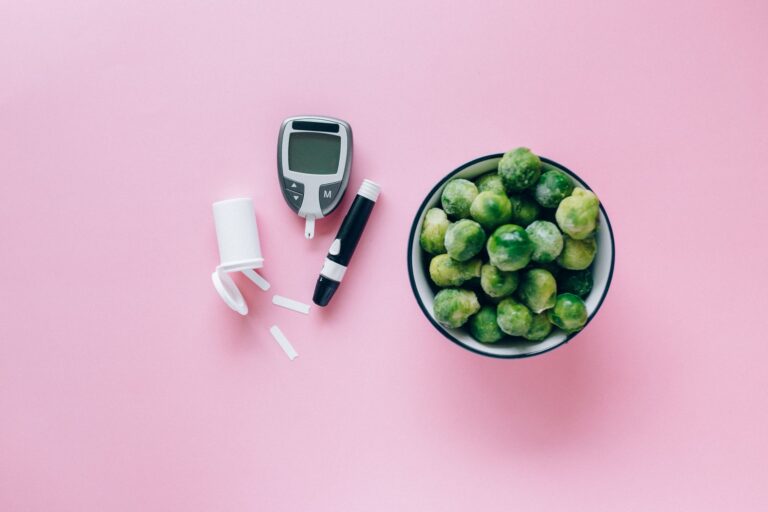
Gestational diabetes screening between 24 and 28 weeks prevents serious birth complications; here's how the tests work and what your results mean.

Gestational diabetes screening between 24 and 28 weeks prevents serious birth complications; here's how the tests work and what your results mean.

Learn when you can return to work, what leave you're entitled to, how to arrange childcare, and your legal rights to pumping breaks and workplace accommodations after baby.

Tantrums at two are normal brain development. Learn why they happen, prevent the ones you can, and manage the rest without losing your mind.
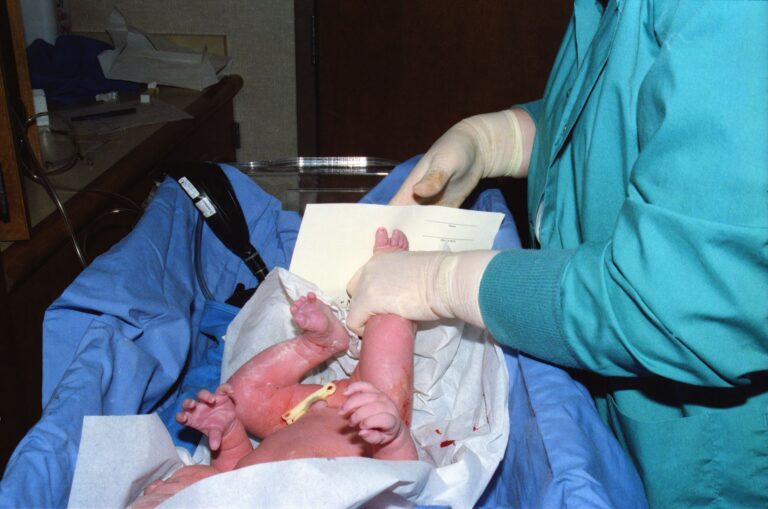
Learn which tests happen now, how to recognize true labor, pain management options from non-medical to medical, and what warning signs demand immediate attention.

Baby naps should decrease from 4-5 daily sleeps in the newborn stage to 1-2 by age 3, with timing and length guided by age-based needs and your baby's own rhythm.
A well-fitting maternity bra adapts to your growing breasts, eases shoulder and rib pain, and keeps you comfortable through significant size changes over nine months.
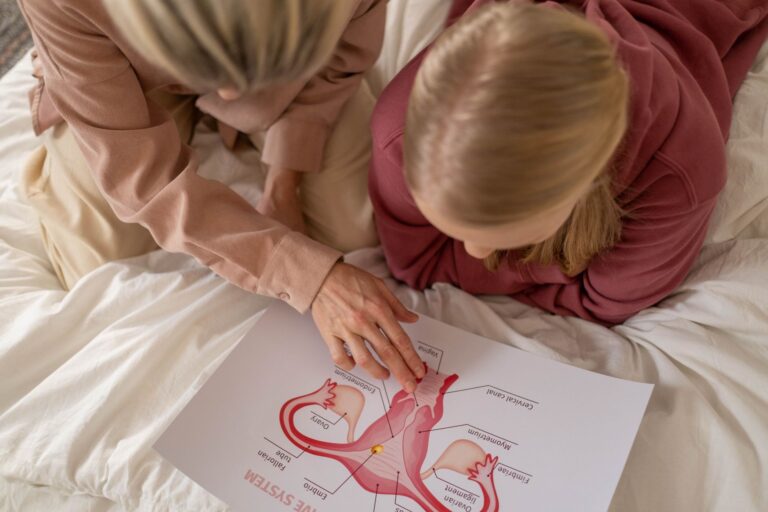
The anatomy scan measures your baby's organs and bones to confirm healthy development and catch structural conditions early.

Learn when first trimester symptoms start week by week—breast tenderness weeks 1–4, nausea weeks 4–9, fatigue weeks 6–12—and which changes need your doctor's attention.
Both work for typically developing children, but they differ fundamentally in pace, philosophy, and which parent takes the lead.

Vitamin B6, ginger, dietary changes, and safe medications like Diclegis can relieve pregnancy nausea—find the right combination for your symptoms.