
How Much Should Baby Weigh?
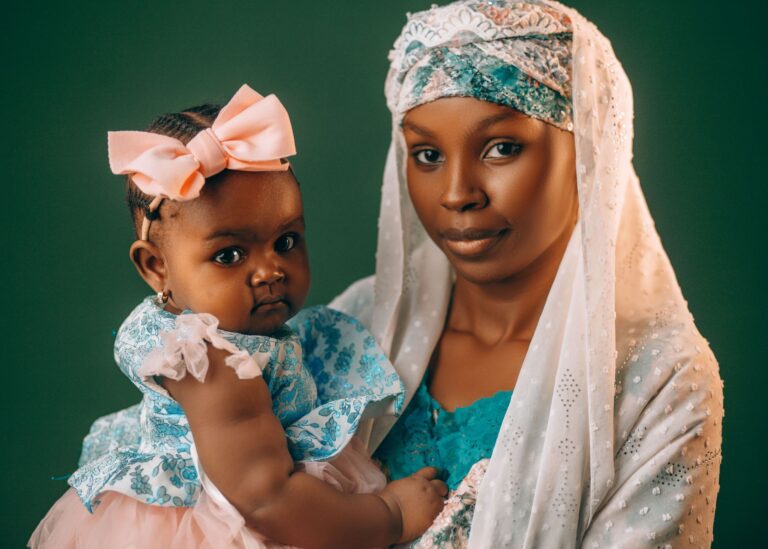
Healthy newborns weigh 5.5 to 10 pounds at birth, then lose weight briefly before gaining 1 ounce daily for three months—growth tracked by individual percentile curves, not a single target number.

Healthy newborns weigh 5.5 to 10 pounds at birth, then lose weight briefly before gaining 1 ounce daily for three months—growth tracked by individual percentile curves, not a single target number.

Most people resume normal eating by the end of the first trimester as morning sickness fades—watch for appetite returning and specific foods becoming tolerable again.

Maternity leave is a legal right in most cases, but you must know what your employer and state provide—and ask for it in writing.
Exercise during pregnancy is safe and recommended for most women, reducing gestational diabetes and preeclampsia while building strength for labor and delivery.
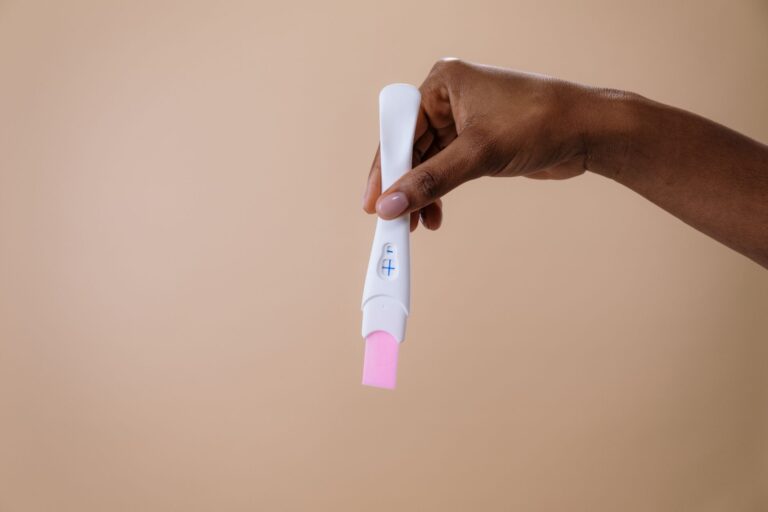
These tests help identify whether infertility has a physical cause and guide decisions about treatment.

Learn how to prepare powdered infant formula safely with the exact temperatures, timing, and storage rules that eliminate dangerous bacteria.
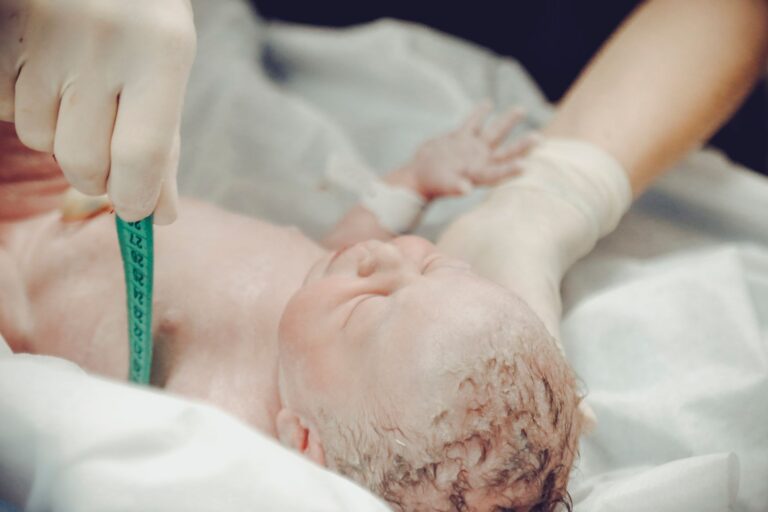
Labor induction artificially starts labor when it has not begun naturally; it is recommended when delivering sooner reduces risks to your health or your baby's health.

Learn which bleeding warrants an urgent call, what's normal at each life stage, and what signs mean go to the emergency room now.
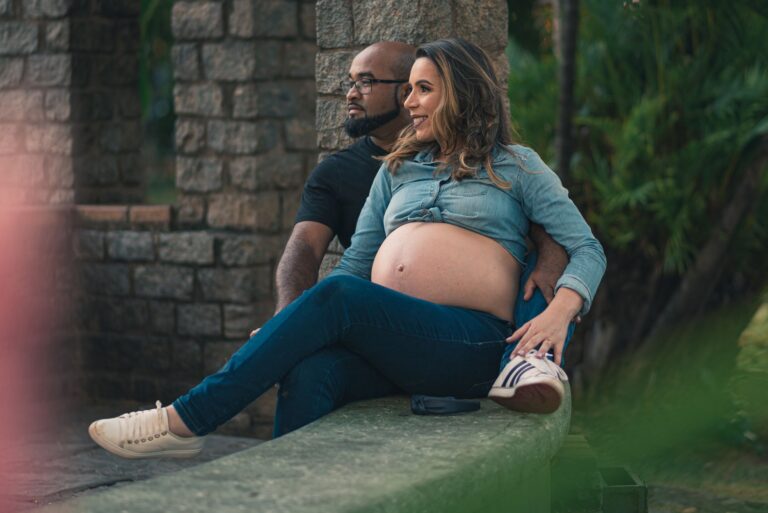
Yes, you can get pregnant with low sperm count, though it typically takes longer. Learn what it means, what causes it, and your treatment options.
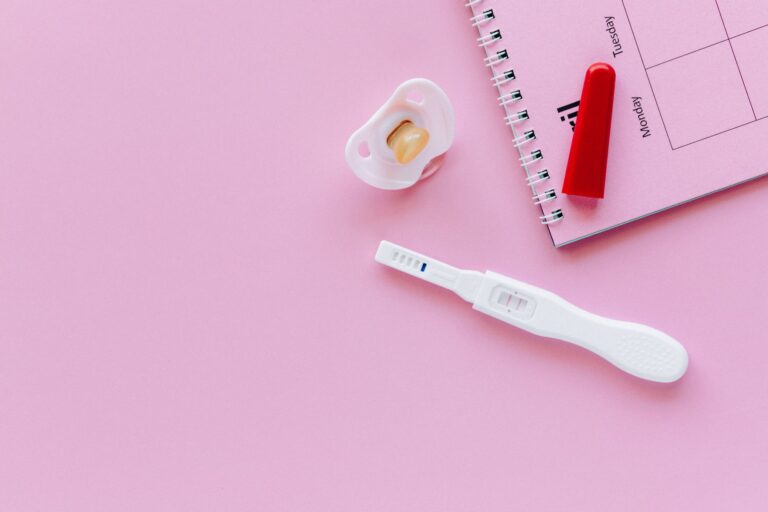
Ovulation usually happens around day 14, but your personal timing depends on your cycle length and body—learn to recognize your own pattern.