
Can You Feed Baby Avocado?

Avocado is safe for babies around six months old and is nutrient-dense, low-allergen, and practical to prepare as a first food.
Avocado is safe for babies around six months old and is nutrient-dense, low-allergen, and practical to prepare as a first food.

There's no single right age—it depends on your child's maturity, your family's needs, and what you'll actually do with the device, whether safety calls or social connection.

Early pregnancy signs include fatigue, nausea, breast tenderness, and increased urination, affecting most women within the first 8 weeks of conception.

Daycare and nanny care each offer different tradeoffs in cost, flexibility, and socialization—choose based on your family's schedule and what matters most to you.

Second trimester bleeding is uncommon and requires urgent evaluation to rule out placenta previa or abruption, though diagnosis and monitoring often allow pregnancy to continue safely.

Kids laugh as early as 3-4 months, but their sense of humor evolves from physical comedy to wordplay through childhood—here's what's normal at each stage.

Breastfeeding and working together is achievable with planning: most mothers use pumping, scheduled nursing, or a combination, and supply adapts within a few weeks.

Speaking up in medical appointments is difficult, but your OB-GYN needs to understand your concerns, values, and priorities to give you care that actually fits your life.
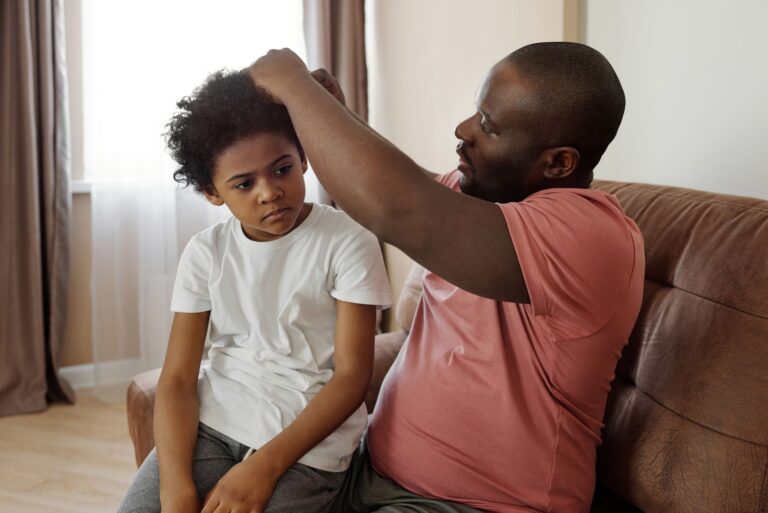
Help your child manage test anxiety by teaching concrete coping strategies, validating their worry without reinforcing avoidance, and addressing gaps in preparation that fuel panic.

Babies typically laugh for the first time around 3 to 4 months, starting with quiet chuckles before developing full laughter by 6 months.