
When Should You Pump?

You can safely start pumping two to four weeks after birth if breastfeeding is established, but the right timing depends on whether you are nursing, exclusively pumping, or returning to work.
You can safely start pumping two to four weeks after birth if breastfeeding is established, but the right timing depends on whether you are nursing, exclusively pumping, or returning to work.

Formula comes in several types—based on cow's milk protein, soy, partially broken-down proteins, or amino acids—and is available from multiple...

Gestational diabetes screening happens at 24–28 weeks for all pregnant people; know your timeline, ask questions if you're not screened, and don't assume your provider will catch everything.

Anxiety becomes a disorder when it persists for weeks, happens without clear cause, and prevents your child from daily activities—not just normal worry about a test.

Babies typically smile socially between 6 and 8 weeks of age—here's what's normal, what varies, and when to call your pediatrician.

Organize twins' supplies using color-coded bins, a single well-stocked changing station, and multi-floor supply stations to eliminate search time during urgent changes.

Most people feel baby movement between 18 and 20 weeks, though ranges of 16 to 25 weeks are completely normal—here's why timing varies.
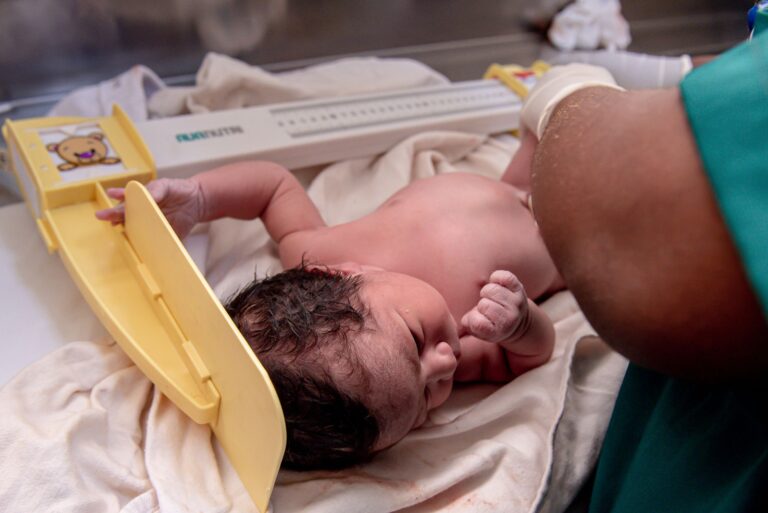
Learn healthy pregnancy weight gain by trimester: what's normal for your body type and when to check with your provider.

After one miscarriage, your risk of another loss is about 20%—higher than average but low enough that most women go on to healthy pregnancies.
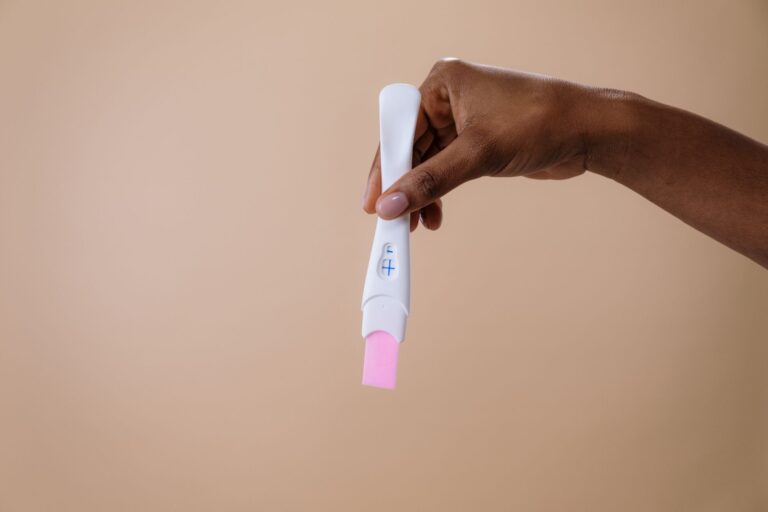
Lesbian couples can choose between lower-cost IUI or higher-success IVF, while male couples pursue surrogacy—each pathway requires different costs, legal planning, and support.