
What to Expect at Week 36 of Pregnancy
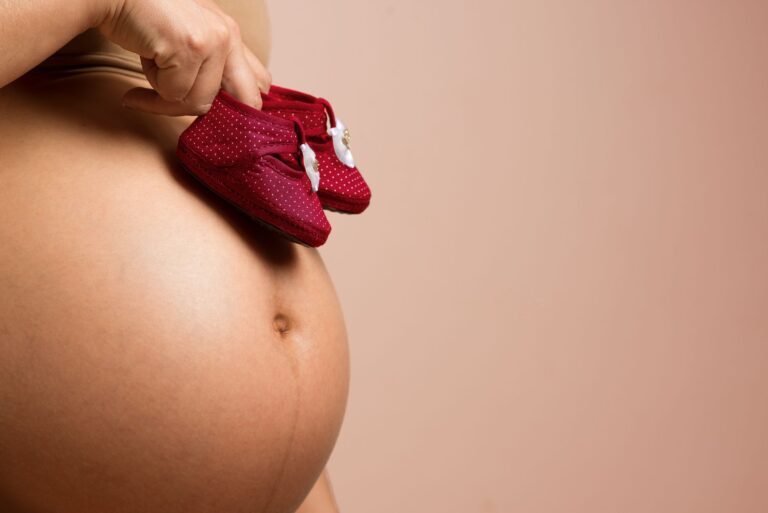
At 36 weeks, your baby weighs 5-6 pounds with mature organs, and your body shows distinct labor-preparation signs—from practice contractions to baby positioning shifts.
At 36 weeks, your baby weighs 5-6 pounds with mature organs, and your body shows distinct labor-preparation signs—from practice contractions to baby positioning shifts.

Most mood swings in pregnancy happen because pregnancy hormones affect your brain's emotional regulation—but persistent sadness, severe anxiety, or thoughts of harm always warrant professional care.
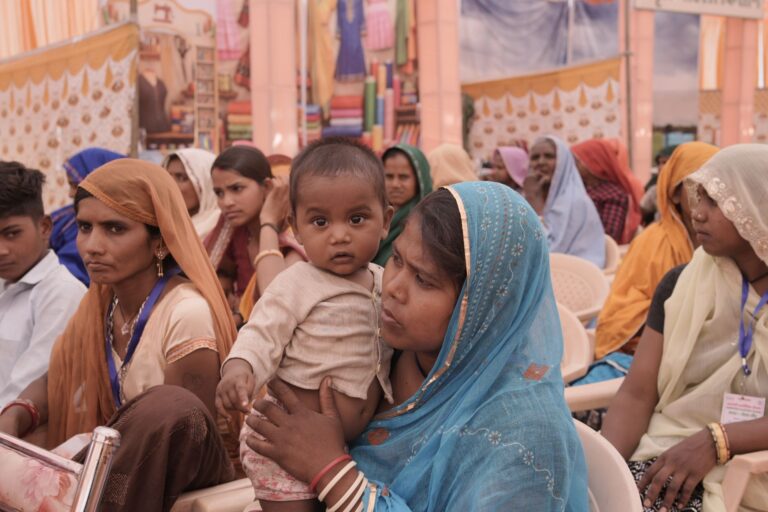
Girls typically train earlier than boys and often maintain daytime dryness faster, but personality and readiness matter far more than gender in determining when your child is ready.

A postpartum depression assessment uses brief questionnaires and a clinical conversation to screen for depression and other mood conditions that commonly emerge after birth.
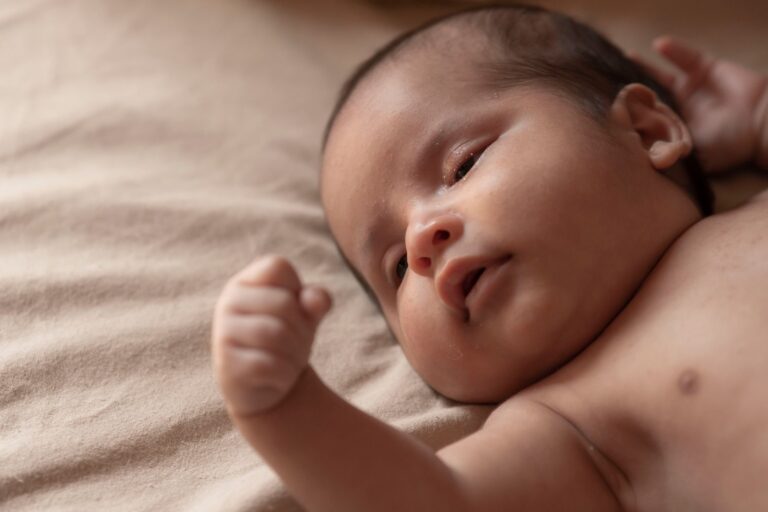
Birth emergencies require immediate medical attention, while unexpected outcomes like early delivery or NICU admission need skilled management and emotional recovery.

Time-outs work best for children ages 3 to 8 who understand cause-and-effect, but effectiveness depends on consistency and whether the strategy matches your child's temperament.

Watch for rooting, hand-to-mouth movements, and soft cooing before your baby cries—these early signs mean you can feed calmly, and crying is actually a late hunger cue.

Newborns typically eat 8 to 12 times daily in the first month, spaced roughly 2 hours apart—a frequency driven by how quickly breast milk or formula moves through their tiny stomach.

The safe window to carry twins depends entirely on whether they share a placenta: dichorionic twins can go to 38 weeks, monochorionic to 37 weeks or earlier.

Morning sickness typically peaks around weeks 8-10 and improves by weeks 12-16, though timing varies widely by person and some have it much longer.