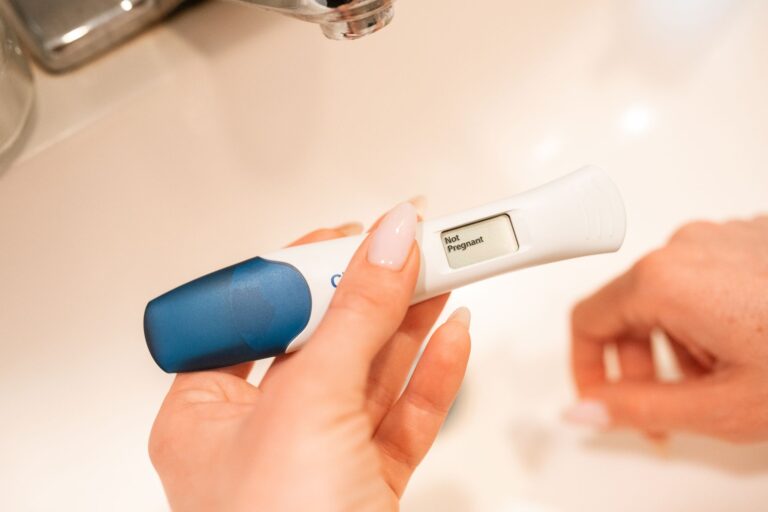
Short answer: PCOS makes pregnancy harder, but it rarely makes it impossible. Polycystic ovary syndrome is one of the most common causes of fertility trouble in women of reproductive age—and it’s also one of the most treatable. The overwhelming majority of people with PCOS who want to conceive eventually do, often with straightforward help. This article explains how PCOS affects fertility, what treatments actually work, when to see a specialist, and what to watch for once you’re pregnant.
What PCOS Is and Why It Affects Fertility
Polycystic ovary syndrome is a hormonal condition that affects about 1 in 10 women of childbearing age, making it one of the most common endocrine disorders in this age group. It’s driven by an imbalance in reproductive hormones, and that imbalance is what interferes with conception.
The core issue for fertility is ovulation. In a typical cycle, an ovary matures and releases an egg each month. With PCOS, that process is disrupted: eggs may not mature properly, and in some months no egg is released at all. Two things drive this. First, elevated levels of androgens—often called “male” hormones, though everyone has them—can interfere with the ovulation process. Second, many people with PCOS have insulin resistance, which pushes the body to produce more insulin and can further throw off the hormonal balance that ovulation depends on.
When ovulation is irregular or absent, so is the fertile window. You can’t conceive in a cycle where no egg is released, and if you can’t reliably predict when (or whether) ovulation happens, timing intercourse becomes a guessing game. That’s the mechanism behind PCOS-related infertility—not a closed door, but an unpredictable and often infrequent one.
The encouraging part is that this is a mechanism medicine understands well. Because the barrier is usually ovulation rather than a physical inability to carry a pregnancy, restoring ovulation is often enough to restore fertility.
Can You Get Pregnant With PCOS?
Yes. The American College of Obstetricians and Gynecologists puts it plainly: PCOS makes it harder to get pregnant, but not impossible. Many people with PCOS conceive on their own, and many more conceive with treatment. It is widely described by health authorities as a common and treatable cause of infertility—the word “treatable” is doing important work there.
What PCOS changes is often the path, not the destination. Some people conceive naturally but take longer because ovulation is infrequent. Others need medication to trigger ovulation. A smaller group needs more advanced help. But the endpoint for most is the same: a successful pregnancy.
It’s also worth separating two different worries. One is “Will I be able to get pregnant?”—and for most people with PCOS, the answer is yes. The other is “Might it take longer or require help?”—and here the honest answer is that it might. Knowing that in advance is an advantage, because it lets you plan and seek help earlier rather than spending years wondering.
How PCOS-Related Infertility Is Treated
Treatment follows a logical ladder, generally starting with the simplest, least invasive options and moving up only if needed. Your provider tailors it to your specific situation, including your weight, your other symptoms, and how long you’ve been trying.
Lifestyle changes come first for many people. For those who are overweight, losing even a small amount of weight can restore ovulation and improve fertility. Research summarized by the National Institute of Child Health and Human Development shows that modest weight loss can improve menstrual function and pregnancy rates in people with PCOS who have obesity. This isn’t about reaching an “ideal” weight—a 5 to 10 percent reduction is often enough to make a meaningful difference. A balanced diet, regular movement, and improved insulin sensitivity all support this.
Ovulation-inducing medications are the standard next step. Oral medications that trigger ovulation—letrozole and clomiphene—are the first-line treatments for PCOS-related infertility, with letrozole increasingly preferred in many cases. These are relatively simple, low-cost pills taken early in the cycle to prompt the ovaries to release an egg, directly addressing the core problem.
Insulin-sensitizing medication is sometimes added. Metformin, a drug used for diabetes, can help the body respond to insulin, lower androgen levels, and improve ovulation in some people with PCOS. It’s often used alongside other treatments rather than on its own.
Assisted reproductive technology comes next if needed. If ovulation medications don’t lead to pregnancy, options like intrauterine insemination (IUI) or in vitro fertilization (IVF) may be discussed. ACOG notes that if pregnancy hasn’t occurred within about six months of ovulation treatment, it’s reasonable to talk about these next steps. IVF, in particular, can offer a strong chance of pregnancy for people with PCOS.
Ovarian surgery is rare. A procedure called ovarian drilling was used more often in the past when other treatments failed, but its long-term effects are less clear, and it’s uncommon today given how effective the options above tend to be.
When to See a Specialist
Timing matters, and PCOS is one of the situations where seeking help sooner is genuinely appropriate rather than premature.
For most couples, the standard advice is to try for a year (or six months if you’re 35 or older) before seeking a fertility evaluation. But with a PCOS diagnosis, you don’t have to wait that long, because you already know ovulation is likely to be an issue. It’s reasonable to talk with your OB-GYN as soon as you’re ready to start trying. They may refer you to a reproductive endocrinologist—an OB-GYN who specializes in hormonal disorders and infertility.
You should also reach out promptly if your periods are very irregular or absent, if you’ve been trying for several months without success, or if you have other health factors like significant insulin resistance that a specialist can help manage. Getting a plan in place early often shortens the overall journey.
Pregnancy Complications to Be Aware Of
Getting pregnant is one milestone; a healthy pregnancy is the goal. PCOS is associated with a higher risk of certain pregnancy complications, which is why people with PCOS often benefit from closer monitoring once they conceive.
These higher risks include gestational diabetes, preeclampsia and gestational high blood pressure, preterm delivery, and miscarriage. This isn’t a reason for alarm—most people with PCOS have healthy pregnancies—but it is a reason to be proactive. Managing weight and insulin sensitivity before conception, attending all prenatal appointments, and being screened appropriately during pregnancy all help catch and manage issues early.
If you have PCOS and are planning a pregnancy, a preconception visit is especially valuable. It’s the moment to review any medications, optimize conditions like insulin resistance or thyroid function, and set up the monitoring plan that gives you the healthiest possible pregnancy.
The Bottom Line
PCOS doesn’t prevent pregnancy for the vast majority of people—it complicates it, usually by disrupting ovulation, and that’s something medicine treats well. Most people with PCOS who want to conceive do, whether on their own, with lifestyle changes, or with medication that restores ovulation. If you have PCOS, the smartest moves are to talk with your provider early, address weight and insulin health where relevant, and go in knowing the path may take a little longer but very often leads exactly where you want it to.
This article is for general information and support, not medical advice. PCOS varies widely from person to person, so talk with your OB-GYN or a reproductive endocrinologist about your specific situation and treatment options.
Frequently Asked Questions
How long does it usually take to get pregnant with PCOS?
It varies widely. Some people conceive within months of starting ovulation treatment, while others need longer or more advanced help. Because ovulation is often infrequent with PCOS, it can take more cycles than average, which is exactly why starting treatment and tracking early is helpful.
Can PCOS go away or improve on its own?
PCOS is a chronic condition rather than one that disappears, but its symptoms—including its effect on ovulation—can improve significantly with treatment and lifestyle changes. Many people find their cycles become more regular and fertility improves once insulin resistance and weight are addressed.
Do I still need birth control if I have PCOS and irregular periods?
Yes, if you don’t want to become pregnant. Irregular ovulation is unpredictable, not absent, so pregnancy can still happen in a cycle where you do ovulate. Combined hormonal birth control is also often used to regulate cycles and manage other PCOS symptoms.
Does PCOS affect the baby or increase birth defects?
PCOS itself isn’t considered a cause of birth defects, but it is linked to higher rates of pregnancy complications like gestational diabetes and preterm birth. Good preconception health and prenatal monitoring are the main tools for keeping both parent and baby healthy.
Can I use ovulation predictor kits if I have PCOS?
You can, but they can be less reliable with PCOS because elevated hormone levels sometimes cause false positives. Many people with PCOS get more accurate information from cycle tracking combined with their provider’s guidance or ultrasound monitoring during treatment.
Is IVF the only option if medications don’t work?
No. Before IVF, options like intrauterine insemination or adjusting medication protocols are often tried. IVF tends to be considered when simpler treatments haven’t succeeded, and it offers a strong chance of pregnancy—but it’s typically a later step, not a first one.
Does losing weight guarantee I’ll ovulate again?
Not guaranteed, but for people with PCOS who are overweight, even modest weight loss frequently restores or improves ovulation. It’s one of the most effective first steps, and it also lowers the risk of pregnancy complications, so it’s worth pursuing even when medication is also used.
Can men have anything to do with PCOS-related infertility?
PCOS affects the person who has it, but conception involves both partners. Because male-factor issues contribute to a significant share of infertility overall, a full fertility evaluation usually includes a semen analysis so no contributing factor is missed.
Will I need to take PCOS medication during pregnancy?
It depends on your situation. Some people continue a medication like metformin under their provider’s guidance, while others stop certain treatments once pregnant. This is an individual decision your OB-GYN will make with you based on your health and the specific medication.
Does age make PCOS-related fertility harder?
Age affects fertility for everyone, and it can compound PCOS-related challenges, which is one reason not to delay seeking help. If you’re 35 or older with PCOS and planning a pregnancy, talking to a specialist sooner rather than later is especially worthwhile.