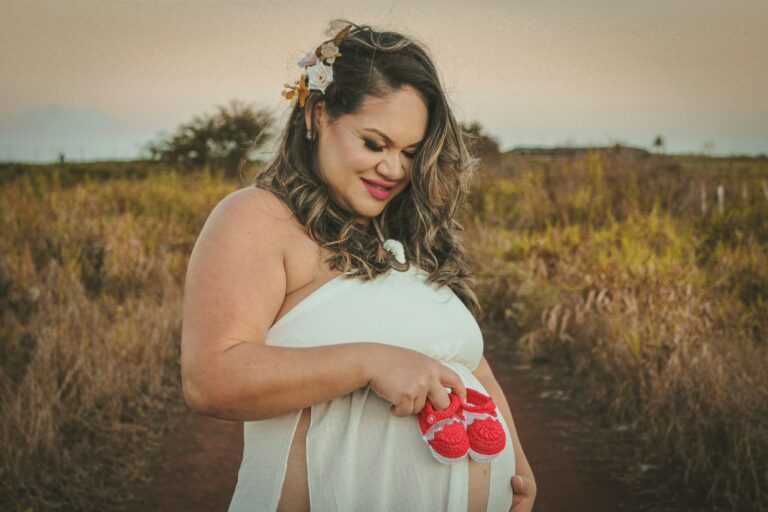
The safe amount of caffeine depends entirely on your life stage. If you’re pregnant, most health organizations recommend keeping caffeine under 200 milligrams per day—roughly one 12-ounce cup of coffee—though some research suggests even less may be safer. If you’re nursing, some caffeine does pass into breast milk, but moderate amounts are generally considered acceptable. For children, the guidance is even more restrictive, with pediatricians recommending kids under twelve avoid caffeine entirely, and teens limiting it to no more than 100 milligrams daily.
What makes caffeine safety complicated is that it hides everywhere. A cup of green tea might seem innocent, but it contains 25 to 50 milligrams. A single chocolate bar can have 10 milligrams. A can of cola has roughly 40 milligrams. When you’re trying to stay under a specific threshold—whether for pregnancy, nursing, or your child’s health—these hidden sources add up faster than you’d expect, and the cumulative total matters more than the source.
Table of Contents
- What Counts as Caffeine and Where It Hides
- Caffeine During Pregnancy—Why the Limits Exist
- Caffeine While Breastfeeding
- Caffeine and Young Children—Why Kids Need Less
- Tracking and Reducing Caffeine Intake
- Hidden Caffeine in Unexpected Places
- Individual Variation and When to Adjust
What Counts as Caffeine and Where It Hides
Caffeine is a stimulant found in coffee, tea, cola, chocolate, and some medications. A standard 8-ounce cup of brewed coffee contains about 95 to 200 milligrams, depending on the brew strength and bean variety. Espresso, despite its small serving size, packs 63 to 75 milligrams per shot. Black tea has 40 to 70 milligrams per 8-ounce cup, while green tea and white tea have less—25 to 50 milligrams and 15 to 30 milligrams respectively.
An 8-ounce cup of hot chocolate has about 5 to 10 milligrams, far less than coffee, though a commercial hot chocolate mix can vary widely. The problem is that most people don’t track caffeine the way they track calories or sodium. Someone might drink what feels like “just coffee” in the morning, add a diet soda at lunch, eat a chocolate chip cookie as a snack, and consume over 250 milligrams without realizing it. For a pregnant person aiming to stay under 200 milligrams, that single oversight has already breached the limit. Pain relievers like aspirin and ibuprofen can contain 65 to 130 milligrams of caffeine per dose, making a headache remedy itself a significant caffeine source.
Caffeine During Pregnancy—Why the Limits Exist
Caffeine crosses the placenta easily and reaches the fetus. A fetus lacks the enzymes needed to metabolize caffeine, so it lingers in fetal circulation far longer than it does in an adult’s body. Research has connected high caffeine intake during pregnancy to miscarriage risk, particularly in the first trimester, though scientists are still working to understand exactly how much is the threshold. Many studies have found that pregnant people who consumed more than 200 milligrams daily had a higher rate of pregnancy loss compared to those who consumed less, which is why major health organizations set that 200-milligram guideline.
The challenge is that the evidence isn’t a simple cliff—consuming 210 milligrams doesn’t instantly become dangerous while 190 milligrams is perfectly safe. Instead, the risk appears to increase gradually with intake. Some research suggests that even lower intakes—around 100 milligrams or less—may be the safest target, though there’s ongoing debate. For this reason, some pregnant people choose to eliminate caffeine entirely, while others stay within the 200-milligram limit. What matters is knowing where your intake stands and making an intentional choice rather than an accidental one.
Caffeine While Breastfeeding
If you‘re nursing, you don’t have to stop caffeine completely, but moderation remains important. Caffeine does enter breast milk—roughly 1 percent of the maternal dose appears in milk—and babies metabolize it much more slowly than adults do. A newborn can take 80 to 100 hours to clear caffeine from their body, compared to 5 to 6 hours in an adult. This means caffeine can accumulate in a baby’s system if you’re drinking it daily.
Most pediatricians say that moderate caffeine consumption while breastfeeding is acceptable, typically defining “moderate” as 300 milligrams or less per day, though some recommend staying under 200 milligrams to be more cautious. The symptoms of too much caffeine in a baby are recognizable: irritability, restlessness, difficulty settling to sleep, and sometimes jitteriness. If you notice your nursing baby becoming unusually fussy or struggling to nap after you’ve had several cups of coffee, that’s a signal to cut back. Keeping a simple log—noting your caffeine intake and your baby’s mood patterns—can help you find the point where you feel okay and your baby sleeps normally.
Caffeine and Young Children—Why Kids Need Less
Children’s bodies are smaller and their developing brains are more sensitive to stimulants. A child who drinks a 12-ounce cola has consumed roughly 40 milligrams of caffeine, which is proportionally a much larger dose relative to their body weight than an adult would get from the same can. The American Academy of Pediatrics recommends that children under twelve years old avoid caffeine entirely. For adolescents aged twelve to eighteen, the limit is generally set at 100 milligrams per day—roughly equivalent to one can of cola or a small cup of weak tea.
The reason is partly behavioral. Caffeine can worsen anxiety, interfere with sleep, and trigger hyperactivity in children. A child who drinks caffeinated soda in the afternoon may struggle to fall asleep at bedtime, leading to sleep deprivation that then compounds any focus or mood issues at school. Some parents don’t realize their child is consuming caffeine until they notice concentration problems or restlessness; the culprit is sometimes a sports drink, an energy bar marketed to kids, or even iced tea that seemed harmless.
Tracking and Reducing Caffeine Intake
The first step toward managing caffeine is knowing how much you’re actually consuming. Most coffee shops will tell you the caffeine content of their drinks if you ask, and nutrition labels on packaged foods and beverages must list it. For foods without labels—like a homemade cup of tea or a bakery item—online databases can give you a reasonable estimate. Writing down everything you consume for three days gives you a clear picture of your total.
If you need to reduce caffeine, do it gradually. Stopping abruptly can trigger headaches, fatigue, and mood changes as your brain adjusts. A gradual reduction—cutting one cup per week, or switching to half-caf coffee, or replacing one caffeinated drink with decaf—is gentler on your body. Decaffeinated coffee and tea retain 97 to 99 percent of the flavor while removing 97 percent of the caffeine, making them practical options for someone who loves the ritual of a hot beverage but needs to lower their intake. Water, herbal tea, and milk-based drinks like warm milk or a latte with an extra shot of steamed milk can fill the gap psychologically while keeping caffeine at zero.
Hidden Caffeine in Unexpected Places
Many foods and medications contain caffeine without obvious signs. Chocolate, even milk chocolate, has small amounts. Coffee-flavored yogurt, tiramisu, and chocolate chips in baked goods all count. Some prenatal vitamins include caffeine, so checking your supplement label is important.
Over-the-counter cold medicines, weight-loss supplements, and migraine relievers often contain caffeine as an active ingredient to enhance absorption or boost effectiveness. Matcha lattes have become popular, and while matcha is tea, a single serving can have 25 to 70 milligrams depending on how it’s prepared. A “chai latte” at a coffee shop might have black tea, which adds another 40 to 70 milligrams. Energy drinks are the most concentrated source—a single serving can contain 80 to 300 milligrams—and are particularly risky during pregnancy or for children. Reading ingredient lists and nutrition labels before consuming anything unfamiliar is the only reliable way to catch these hidden doses.
Individual Variation and When to Adjust
People metabolize caffeine at different rates, influenced by genetics, medications, liver function, and pregnancy itself. Some people feel jittery after a single cup of coffee; others seem barely affected by two. Smoking speeds up caffeine metabolism, while oral contraceptives and some antidepressants slow it down, meaning the same amount of caffeine lingers longer in your body. During pregnancy, your body’s ability to clear caffeine slows, so you may feel the effects more intensely even if you’re drinking less than you did before pregnancy.
If you’re sensitive to caffeine or have a personal or family history of miscarriage, discussing your caffeine intake with your doctor or midwife is worthwhile. They can help you make a plan that fits your individual circumstances. Some people find that small adjustments—like switching from a 16-ounce coffee to an 8-ounce pour, or drinking it earlier in the day so it doesn’t interfere with sleep—work better than elimination. The goal isn’t perfection but informed, intentional choices about what you consume.