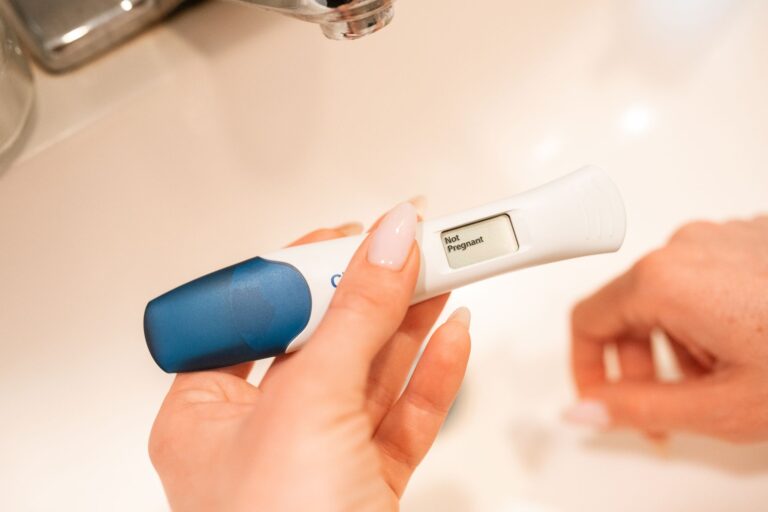
Understanding Fertility and Conception Timing
Getting pregnant requires intercourse during your fertile window—the five days leading up to ovulation and the day of ovulation itself. Outside this window, pregnancy cannot occur regardless of how frequently you have intercourse. Understanding when you ovulate and timing intercourse accordingly is the foundation of getting pregnant faster.
In a typical 28-day cycle, ovulation occurs around day 14, making days 9 through 14 the fertile window. However, cycles vary in length, and ovulation timing varies even within the same person’s cycles. A 21-day cycle ovulates earlier. A 35-day cycle ovulates later. Tracking your cycle helps you identify your personal ovulation pattern rather than relying on average estimates.
Sperm survives in the reproductive tract for up to five days, which is why intercourse in the days before ovulation results in pregnancy. Timing intercourse every other day starting five days before ovulation maximizes the chance that sperm will be present when the egg is released. Daily intercourse during the fertile window is also effective and may be slightly more effective than every-other-day timing, though it’s more demanding.
The egg survives for approximately 12-24 hours after ovulation. This means if ovulation occurs on day 14, intercourse on days 14 or 15 may result in pregnancy, but intercourse on day 16 is likely too late. This is why knowing your ovulation timing is important—intercourse must happen before or immediately at ovulation, not after.
Male factor contributes to about 40% of infertility cases, so partner sperm health matters significantly. Sperm count, motility (ability to move), and morphology (shape) all affect fertility. Sperm parameters can be assessed through semen analysis if there’s concern about male factor.
Tracking Ovulation: Methods That Work
Ovulation predictor kits (OPKs) detect the luteinizing hormone (LH) surge that occurs 24-36 hours before ovulation. Using an OPK daily starting several days before your expected ovulation helps you identify your fertile window. A positive OPK indicates ovulation will likely occur within 24-36 hours. Intercourse on the day of a positive OPK and the following day maximizes conception chances.
Basal body temperature (BBT) tracking involves taking your temperature every morning before getting out of bed. Your temperature rises slightly (about 0.4-0.8 degrees) after ovulation due to the hormone progesterone. By charting daily temperatures, you can identify the temperature rise that indicates ovulation has occurred. However, BBT only confirms ovulation after it has already happened, so it’s useful for identifying your pattern but not for predicting when it will happen in the current cycle.
Cervical mucus observation involves checking your cervical mucus consistency throughout your cycle. Before ovulation, cervical mucus becomes clear, stretchy, and slippery—similar to raw egg white. This consistency allows sperm to survive and swim upward. After ovulation, mucus becomes thick and sticky, making it difficult for sperm to survive. Observing this change helps identify your fertile window.
Calendar-based methods estimate ovulation based on your cycle length, but these are least accurate because ovulation timing varies. If your cycles are regular (same length each month), calendar prediction can give you a general idea. If your cycles are irregular, calendar-based prediction is unreliable.
Fertility apps combine tracking methods and use algorithms to predict ovulation. Most apps ask you to log your period and provide data about OPK results or BBT. They then calculate your predicted fertile window. Apps are convenient but are only as accurate as the data you input and your cycle pattern.
Ultrasound tracking by a fertility specialist can pinpoint ovulation by measuring follicle growth. The specialist performs ultrasounds starting several days before expected ovulation and tracks when the egg is released. This is the most accurate method but requires multiple appointments and is expensive.
Lifestyle Factors That Improve Fertility
Weight affects fertility in both directions. Women who are significantly underweight or overweight have lower fertility than women at healthy weights. Being underweight can disrupt ovulation. Being overweight can worsen insulin resistance and inflammation, both of which negatively affect fertility. Achieving a healthy weight improves ovulation frequency and egg quality, increasing conception chances.
Physical activity improves fertility by improving weight, cardiovascular health, and insulin sensitivity. Regular moderate exercise—like brisk walking, swimming, or cycling—supports fertility. However, excessive exercise can suppress ovulation, so balance is important. Most experts recommend 150 minutes of moderate activity per week as ideal for fertility.
Diet influences fertility significantly. A fertility-supporting diet includes plenty of vegetables, fruits, whole grains, lean proteins, and healthy fats. This diet supports healthy weight, provides nutrients needed for reproduction, and reduces inflammation. Conversely, diets high in processed foods, added sugars, and unhealthy fats are associated with lower fertility.
Reducing caffeine consumption may modestly improve fertility. While the relationship isn’t completely clear, some studies suggest limiting caffeine to less than 200 mg daily (about one cup of coffee) may support fertility. This is a low-risk change worth considering.
Avoiding smoking is essential for fertility. Smoking damages egg quality and reduces fertility significantly. Quitting smoking improves fertility quickly, with improvements seen within weeks to months.
Limiting alcohol consumption may support fertility. While moderate alcohol use doesn’t definitively harm fertility, some studies suggest reducing alcohol improves conception chances. Eliminating alcohol during your fertile window is a cautious approach.
Reducing stress supports fertility. Chronic stress can suppress ovulation and reduce fertility. Stress-reduction techniques like meditation, yoga, therapy, or other relaxing activities may support conception. The relationship between stress and fertility is complex, but reducing stress has multiple health benefits regardless of its fertility impact.
Getting adequate sleep—seven to nine hours nightly—supports fertility. Sleep affects hormone regulation, metabolism, and overall health. Prioritizing sleep improves fertility and general health.
When and How Often to Have Intercourse
Having intercourse every other day during the fertile window maximizes conception chances while being manageable for most couples. Starting five days before expected ovulation and continuing through ovulation day covers the full fertile window with every-other-day timing.
Daily intercourse during the fertile window is slightly more effective than every-other-day timing because it ensures sperm is present throughout the window. However, some men experience lower sperm volume with daily ejaculation, so every-other-day timing accounts for this. For couples with adequate sperm parameters, daily timing is fine. For couples concerned about male factor, every-other-day timing may be preferable.
Having intercourse outside the fertile window doesn’t help conception and is unnecessary for getting pregnant faster. Intercourse on days when ovulation cannot occur won’t result in pregnancy, so focusing on fertile window timing is most efficient.
Sex position doesn’t significantly affect conception chances. Any position that allows complete intercourse is equally effective. There’s no evidence that remaining horizontal after intercourse increases conception chances or that specific positions are superior.
Lubricant use requires caution because some lubricants reduce sperm motility. If using lubricant, choose one specifically designed as “sperm-friendly.” Or use naturally produced cervical fluid, which is ideal for sperm survival.
Supplements and Vitamins for Fertility
Prenatal vitamins containing folic acid are recommended when trying to conceive. Folic acid reduces risk of neural tube defects during early pregnancy. Taking prenatal vitamins before conceiving ensures adequate folic acid during early pregnancy when the neural tube is forming.
Vitamin D may support fertility. Some studies suggest vitamin D deficiency is associated with lower fertility. If your vitamin D levels are low, supplementing may help. Vitamin D is particularly important for ovulation and uterine health.
Coenzyme Q10 (CoQ10) has emerging evidence for improving egg quality, particularly in women over 35. CoQ10 supports mitochondrial function in eggs. While research is ongoing, supplementing with CoQ10 appears safe and may be beneficial.
Inositol, a naturally occurring compound, may improve ovulation in women with PCOS and may improve fertility in general. Inositol appears to improve insulin sensitivity and egg quality. It’s available as a supplement with minimal side effects.
Omega-3 fatty acids from fish oil support reproductive health and reduce inflammation. Adequate omega-3 intake supports fertility and is recommended regardless of conception goals.
Most other fertility supplements lack strong evidence. While they may not harm, they also may not help. Focus on evidence-based supplements like prenatal vitamins, vitamin D if deficient, and omega-3s. Consult your doctor before starting any supplements to ensure they don’t interact with medications or other supplements.
Testing and When to Seek Professional Help
If you’re under 35 and have been trying to conceive for one year without success, or if you’re 35 or older and have been trying for six months without success, evaluation by a fertility specialist is appropriate. These timelines are based on age-related fertility decline—the older you are, the less time should pass before pursuing evaluation.
If you have known fertility risk factors—irregular cycles, history of pelvic infection, endometriosis, or male factor concern—seeking evaluation sooner is reasonable.
A basic fertility evaluation typically includes a medical history, physical examination, ovulation confirmation (through cycle tracking, hormone testing, or ultrasound), and semen analysis if male factor is possible. If initial evaluation is normal, more advanced testing may follow.
Tracking your cycle for two to three months before your first appointment helps the fertility specialist understand your pattern. Bringing cycle charts to your appointment provides valuable information.
Frequently Asked Questions About Getting Pregnant Faster
How long does it typically take to get pregnant?
About 85% of couples using no contraception get pregnant within one year. About 90% get pregnant within two years. Getting pregnant takes longer for some people than others, and there’s significant variation based on age, fertility status, and other factors. If you’re not pregnant after the recommended time frame, evaluation is appropriate but doesn’t mean pregnancy is impossible.
Does the position matter for getting pregnant?
No. Any position that allows complete intercourse works equally well for conception. Lying horizontal afterward, standing up, or any other post-intercourse position doesn’t affect conception chances.
Should I track ovulation or just have frequent intercourse?
Having intercourse every other day throughout your cycle will hit your fertile window even without tracking. However, tracking ovulation helps you focus intercourse timing on your fertile window, which is more efficient if you want to minimize the frequency needed or if you want to understand your cycle better.
Can I get pregnant from pre-ejaculate?
Yes, though it’s less likely than from ejaculate. Pre-ejaculate can contain sperm. If avoiding pregnancy, this matters. If trying to conceive, this doesn’t change recommendations.
Does orgasm help conception?
Female orgasm may increase conception chances by causing uterine contractions, but the effect is small. Orgasm is not necessary for pregnancy. Don’t stress about achieving orgasm during your fertile window—the most important factor is complete intercourse during the fertile window.
Should I avoid caffeine?
Limiting caffeine to less than 200 mg daily (one cup of coffee) is a cautious approach supported by some research. Completely avoiding caffeine isn’t necessary, but reducing intake may modestly improve fertility.
How much weight loss improves fertility?
Even 5-10% weight loss improves fertility in overweight women. You don’t need to reach an “ideal” weight to see fertility improvements. Modest weight loss often restores ovulation.
Does vitamin E help fertility?
While vitamin E is an antioxidant and supports health, there’s limited evidence it specifically improves fertility. Taking it isn’t harmful but focus on proven interventions like prenatal vitamins and lifestyle changes.
Should my partner take supplements?
Sperm development takes about 74 days, so supplements affecting fertility would need to be taken for several months to impact current sperm. Coenzyme Q10 and antioxidants may support sperm health. Your partner’s overall health, weight, exercise, and stress levels affect sperm quality more than supplements.
Can I get pregnant while breastfeeding?
Yes, though breastfeeding does suppress ovulation in some women, particularly those exclusively breastfeeding. You can’t rely on breastfeeding for contraception, but it does delay the return of ovulation in some women.
How accurate are fertility apps?
Apps are as accurate as the data you input and as accurate as the algorithm underlying the app. Most apps correctly identify ovulation timing if you’re consistent with tracking, but they’re not 100% accurate. Apps are useful tools but not perfect predictors.
Does stress affect fertility?
Chronic stress can suppress ovulation and reduce fertility. Stress reduction supports fertility. However, mild stress from trying to conceive isn’t likely to prevent pregnancy. Stress reduction is beneficial regardless of its fertility impact.
Can I get pregnant if my partner has low sperm count?
Yes, pregnancy is possible with low sperm count, though it may take longer. Semen analysis reveals specific parameters. If sperm count is low, strategies like timing intercourse during the fertile window and improving general health maximize conception chances. If low sperm count is severe, fertility treatment may be needed.
How soon after stopping birth control can I get pregnant?
You can become pregnant immediately after stopping hormonal birth control. However, it may take several months for your cycle to regulate, particularly after long-term hormonal contraception use. Some fertility specialists recommend waiting two to three cycles before trying to conceive to allow your cycle to stabilize and to establish dating more easily.