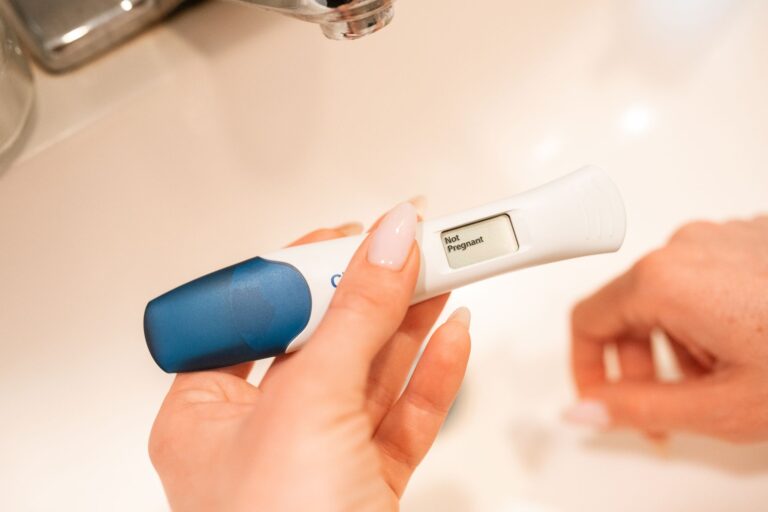
When Pregnancy Isn’t Happening: Understanding Infertility
After months or years of trying to conceive without success, the realization settles in: something might be preventing pregnancy. Infertility can feel isolating because the problem is invisible—there’s no visible symptom, no obvious reason, just the absence of the thing you’re trying to create. But infertility is a medical condition with identifiable causes and testable factors, and understanding what’s actually being tested helps you navigate the diagnostic process with less fear and more clarity.
Approximately 1 in 8 couples (about 12% of women of reproductive age) experience infertility. This isn’t rare, though it often feels that way because people don’t discuss it openly. The causes range from simple and easily correctable to complex and multifactorial. Testing can identify many causes, though some infertility remains unexplained even after extensive evaluation.
Understanding the difference between infertility and subfertility, knowing what each test actually measures, and recognizing which causes are most common helps you approach testing as information-gathering rather than as a diagnosis of permanent impossibility.
How Infertility Is Actually Defined (Time Matters More Than You Think)
Infertility has a specific medical definition: the inability to conceive after 12 months of unprotected intercourse for women under 35, or after 6 months for women 35 and older. This time-based definition is important because it distinguishes infertility (a medical condition) from the simple fact of not being pregnant yet.
The time threshold exists because natural conception rates show predictable patterns. A couple with average fertility has approximately a 20% chance of conceiving each menstrual cycle. After one year of trying, about 85% of couples will have conceived. After two years, about 90% will have conceived. The medical community uses the one-year threshold because most remaining couples at that point have an identifiable problem affecting their fertility, rather than just statistical bad luck.
Age accelerates this timeline because fertility declines significantly after age 35, particularly after age 40. A woman at age 40 has a lower probability of natural conception per cycle than a woman at age 25, so waiting a full year may mean losing precious fertile years to delay. This is why the time threshold changes at age 35.
Additionally, couples with secondary infertility (unable to conceive after previously having a successful pregnancy) might have the same time-based thresholds, or in some cases, providers move faster to testing because the couple has proven fertility.
The Two Main Categories: Female-Factor and Male-Factor Infertility
Infertility breaks down into several categories based on causation. About one-third of infertility cases are due to female-factor problems, one-third are due to male-factor problems, and one-third are due to either combined factors or unexplained causes.
Female-factor infertility can stem from ovulation disorders (irregular or absent ovulation), tubal factors (blocked or damaged tubes), uterine factors (structural problems, fibroids, adhesions), or egg quality issues. Of these, ovulation disorders are the most common, accounting for about 40% of female-factor cases.
Male-factor infertility typically involves abnormal semen parameters: low sperm count (oligospermia), poor sperm motility (asthenospermia), or abnormal sperm morphology (teratospermia). These can stem from hormonal issues, anatomical problems, genetic factors, or lifestyle factors affecting sperm production.
Unexplained infertility means that standard testing has not identified a cause. This diagnosis can actually occur in up to 50% of infertility cases, particularly in couples with mild decreases in fertility markers. The absence of a diagnosis is frustrating but doesn’t mean there’s no problem—it means the problem isn’t detected by current standard testing.
Testing Timeline: What Gets Tested and When
Infertility testing typically progresses in a logical order, moving from simpler, less invasive tests to more complex ones.
First-line testing includes basic bloodwork and physical examination. For women, this includes baseline hormone testing: FSH (follicle-stimulating hormone), LH (luteinizing hormone), prolactin, and thyroid function. These tests assess whether ovulation is occurring and whether hormonal imbalances are preventing conception. For men, semen analysis is the first test—a simple examination of sperm count, motility, morphology, and other parameters. Semen analysis is often the single most informative test for male factor infertility and is far less invasive than any female-factor testing.
Ovulation confirmation involves tracking whether ovulation is occurring. This can be done through basal body temperature charting (measuring slight temperature rise after ovulation), ovulation predictor kits (detecting the LH surge that triggers ovulation), or ultrasound monitoring (visualizing follicle development and ovulation). The goal is confirming that ovulation is actually happening.
Imaging studies include pelvic ultrasound (visualizing the ovaries, uterus, and identifying any structural abnormalities, fibroids, or cysts) and sometimes hysterosalpingography (HSG)—an X-ray procedure where contrast dye is injected into the uterus to visualize the uterine cavity and determine whether the fallopian tubes are patent (open and unblocked).
Advanced testing includes hysteroscopy (a camera inserted into the uterus to visualize the cavity directly), laparoscopy (a camera inserted into the abdomen to visualize pelvic structures and identify endometriosis, adhesions, or other problems), and specialized hormone testing (day-3 FSH, AMH for ovarian reserve, or progesterone to confirm ovulation).
Genetic testing may be recommended based on family history or if previous pregnancies resulted in miscarriage, to identify chromosomal issues or genetic conditions affecting fertility.
The logical progression moves from simple to complex because simpler tests often identify the cause, saving the couple from unnecessary invasive procedures. However, the specific sequence depends on the couple’s history, age, and initial findings.
Female-Factor Testing Explained: What Each Test Measures
Day 3 FSH and Baseline Hormone Testing: FSH (follicle-stimulating hormone) measured on day 3 of the menstrual cycle indicates ovarian reserve—essentially, how many eggs the ovaries have left. High FSH levels (often >10 mIU/mL) suggest diminished ovarian reserve. Normal FSH doesn’t guarantee fertility, but high FSH is concerning because it suggests limited eggs remaining. This test is less reliable as a standalone predictor than previously thought, but it’s still part of standard evaluation.
AMH (anti-Müllerian hormone) is increasingly used to assess ovarian reserve. AMH is produced by ovarian follicles and remains relatively stable throughout the cycle (unlike FSH, which varies daily). AMH correlates better with ovarian reserve and egg count than FSH. Low AMH suggests diminished reserve; high AMH may suggest polycystic ovary syndrome (PCOS).
Prolactin and thyroid function are measured because elevated prolactin suppresses ovulation, and thyroid disease disrupts reproductive hormones. These are simple blood tests correcting for easily treatable causes.
Pelvic Ultrasound: Ultrasound visualizes the ovaries, uterus, fallopian tubes, and surrounding structures. It identifies cysts, fibroids, adhesions, structural abnormalities, and can assess ovarian reserve by counting antral follicles (small follicles visible on the baseline ultrasound). Polycystic ovaries (multiple small follicles) suggest PCOS. The ultrasound confirms whether follicle development is occurring (correlating with ovulation).
Hysterosalpingography (HSG): HSG is an X-ray procedure where contrast dye is injected through the cervix into the uterus while X-rays are taken. If the tubes are patent, dye flows through them and spills into the abdominal cavity (visible on X-ray). If tubes are blocked, dye doesn’t pass through. The procedure also visualizes the uterine cavity, revealing fibroids, polyps, or structural abnormalities. HSG is quick (about 5 minutes) but can be uncomfortable due to cramping as dye passes through the tubes.
Hysteroscopy: A small camera is inserted through the cervix into the uterus, allowing direct visualization of the uterine cavity. This can identify and sometimes remove polyps, fibroids, or scar tissue that HSG might miss. Hysteroscopy is more invasive than HSG (requiring anesthesia) but provides direct visualization and allows for treatment simultaneously.
Laparoscopy: A camera is inserted through a small incision in the navel to visualize pelvic organs. This is the gold standard for diagnosing endometriosis (tissue growth outside the uterus that causes pain and infertility), identifying adhesions, assessing tube patency from the outside, and visualizing ovaries and uterus directly. Laparoscopy is the most invasive female-factor test and is typically reserved for cases where endometriosis is suspected or when other testing is inconclusive.
Male-Factor Testing: Semen Analysis Explained
Semen analysis is the primary male-factor test and can often provide a complete assessment in one simple exam.
The test measures sperm concentration (total number of sperm), motility (percentage of sperm moving), morphology (percentage of normally shaped sperm), and other parameters including white blood cell count and pH. The World Health Organization provides reference values—the minimum thresholds below which fertility is impaired.
Low sperm count (oligospermia) means fewer sperm than the threshold. This reduces the probability that sperm will fertilize an egg naturally, but pregnancy is still possible. Very low counts might require assisted reproduction (IUI or IVF).
Poor motility (asthenospermia) means sperm aren’t swimming normally. Sperm must travel through the cervix, into the uterus, through the fallopian tube, and locate and penetrate the egg—a journey requiring vigorous swimming. Immotile sperm simply can’t complete this journey naturally.
Abnormal morphology (teratospermia) means most sperm are oddly shaped. Sperm shape affects swimming ability and fertilization capability. High percentages of abnormal forms can reduce fertility.
If semen analysis shows abnormalities, the test is typically repeated because sperm production is variable. A single abnormal result doesn’t confirm the problem; repeat testing validates the finding. Semen analysis also guides treatment: poor parameters might prompt evaluation for causes (hormonal issues, infections, anatomical obstruction) or suggest moving to assisted reproduction.
What Causes Are Most Commonly Found (And Which Are Treatable)
Ovulatory disorders are the most common female-factor cause. Polycystic ovary syndrome (PCOS) accounts for the majority, causing irregular ovulation or anovulation (no ovulation). PCOS is treatable with medication (metformin, clomiphene citrate) or lifestyle modifications. Other ovulatory disorders include hypothalamic amenorrhea (stress or low body weight suppressing ovulation), prolactinemia (elevated prolactin preventing ovulation), and thyroid disease—all potentially treatable.
Tubal factor infertility stems from blocked or damaged tubes. Causes include previous pelvic infection (sexually transmitted infections, pelvic inflammatory disease), endometriosis, previous abdominal surgery, or ectopic pregnancy (which often requires tube removal). Some blockages can be treated surgically; others make natural conception impossible without IVF (which bypasses the tubes).
Uterine factors include fibroids (benign tumors that can distort the uterine cavity), polyps (benign growths), adhesions (scar tissue from previous surgery or infection), or structural abnormalities (septum, unicornuate uterus). Many are treatable surgically; others may reduce fertility without making pregnancy impossible.
Endometriosis is tissue growth outside the uterus (typically on ovaries, tubes, or pelvic structures) that causes inflammation, scarring, and pain. It affects 10-15% of reproductive-age women and about 25-50% of infertile women. Endometriosis is treatable with medication (NSAIDs, hormonal contraceptives, GnRH agonists) or surgery, though effectiveness varies.
Unexplained infertility represents cases where standard testing reveals no obvious problem. These couples often have mild reductions in fertility markers or problems that aren’t detected by standard testing. Approximately 50% eventually conceive naturally; others require assisted reproduction.
Male-factor causes include low sperm count (from hormonal imbalance, heat exposure, medications, smoking, or unknown cause), poor motility (from structural problems in sperm, infection, or genetic issues), morphology problems (often idiopathic—no identifiable cause), or ejaculation problems (from anatomical issues, neurological conditions, or medications). Some causes are treatable (hormonal imbalances); many aren’t, requiring assisted reproduction.
Age and Fertility: How Time Affects Your Biology
Age is the single most important factor in fertility because egg quality declines significantly with advancing maternal age. This isn’t because the uterus ages or because sex drive diminishes—it’s because eggs age.
A woman is born with all the eggs she will ever have. As she ages, eggs remain in her ovaries in a suspended state of meiosis (cell division). By the time an egg completes meiosis at ovulation, decades have passed. Older eggs are more likely to have chromosomal errors (aneuploidy), which reduce implantation rates and increase miscarriage risk. At age 25, miscarriage risk is about 10%. By age 35, it’s 25%. By age 40, it’s 40%. By age 45, it’s 50%. Understanding how miscarriage risk progresses by week and by age helps contextualize why age matters so significantly for fertility outcomes.
Additionally, sperm quality declines with age, though less dramatically than egg quality. Men in their 50s have lower sperm counts and increased DNA fragmentation compared to men in their 20s, but these changes are more modest than female-factor age effects.
This is why age accelerates the infertility timeline: a 40-year-old with 12 months of negative tests has potentially lost precious years. Providers recommend expedited testing and treatment for women over 35, and some recommend discussing assisted reproduction sooner in this age group because waiting risks running out of time.
Lifestyle and Environmental Factors: What Actually Affects Fertility
Certain lifestyle factors affect fertility substantially; others have minimal evidence.
Smoking significantly impairs fertility in both men and women. Smoking damages eggs and sperm, reduces ovarian reserve, and affects placental development. Quitting smoking improves fertility within months.
Obesity and underweight both affect fertility. Obesity can cause irregular ovulation (through metabolic and hormonal effects), and severe underweight suppresses ovulation entirely. Weight loss or gain to optimal ranges can restore ovulation.
Excessive exercise can suppress ovulation in women with low body fat. This is particularly true in female athletes with body fat below 15-17%. Reducing exercise intensity or increasing caloric intake can restore ovulation.
Caffeine and alcohol have been studied extensively. High caffeine intake (over 300mg daily—about 3 cups of coffee) may slightly reduce fertility; minimal alcohol doesn’t appear to harm fertility, though heavy drinking does.
Stress affects fertility, though the mechanism isn’t entirely clear. Extreme stress can suppress ovulation through hormonal pathways. The relationship between stress and infertility is bidirectional—infertility causes stress, which potentially worsens fertility. Stress reduction (therapy, exercise, meditation) may help.
Heat exposure (from hot tubs, tight clothing, prolonged heat) can reduce sperm production. Sperm production requires temperatures slightly below core body temperature. Heat exposure impairs sperm, but the effect is reversible—normal sperm production resumes weeks after heat exposure stops.
Sexually transmitted infections can cause scarring and tube damage (particularly chlamydia), permanently affecting fertility. Prevention through safe sex is important.
Diet, supplements, and “fertility foods” have limited evidence. No specific diet has been proven to restore fertility in infertile couples, though overall good nutrition supports fertility. Some evidence suggests Mediterranean diet patterns (high in vegetables, whole grains, healthy fats) correlate with better fertility outcomes, but causation isn’t proven.
The Emotional Reality of Infertility Testing
Beyond the medical aspects, infertility testing is emotionally taxing. Each test represents hope (maybe this reveals the problem and it’s fixable) and fear (what if nothing’s wrong but we still can’t conceive? What if the problem is unfixable?). The repeated negative pregnancy tests that led to testing continue during the testing phase. The financial cost of testing (some testing is covered by insurance; much isn’t) adds stress.
Additionally, infertility often means invasive procedures, hormonal treatments, medications with side effects, and the loss of privacy around conception. Decisions about when to pursue testing, which tests to do, and when to move to treatment require navigating medical, financial, and emotional considerations simultaneously.
Many couples benefit from counseling or therapy during infertility testing because the emotional impact is substantial, even if individual tests seem medically straightforward.
When to Seek Specialist Care: Timing Matters
For couples meeting the definition of infertility (12 months of trying for women under 35, or 6 months for women 35+), initial evaluation by an OB-GYN is appropriate. However, certain situations warrant earlier evaluation or referral to a reproductive endocrinologist (fertility specialist):
- Age 35 or older
- Known or suspected ovulation disorders
- History of pelvic surgery, endometriosis, or pelvic pain
- Previous ectopic pregnancy or other pregnancy complications
- Male partner with known or suspected fertility issues
- Recurrent miscarriages
- Same-sex couple or single person planning pregnancy
Reproductive endocrinologists have additional training in infertility diagnosis and treatment, access to advanced testing and procedures (hysteroscopy, laparoscopy), and expertise in assisted reproduction. For complex cases or after initial testing suggests multifactorial infertility, specialist referral typically follows.
Cost and Insurance: The Financial Reality
Infertility testing costs vary tremendously. Bloodwork might cost $100-500. Ultrasound might cost $200-500. HSG might cost $500-1,500. Hysteroscopy or laparoscopy might cost $2,000-5,000 per procedure. Insurance coverage varies—some plans cover testing and initial treatment; many don’t cover anything related to infertility.
Understanding your insurance coverage before testing begins helps with financial planning. Some clinics offer payment plans or transparent pricing. Discussing cost upfront with your provider helps you plan and make informed decisions about which tests to pursue.
For many couples, the cost of comprehensive testing isn’t the major barrier. The major barrier is moving from diagnosis to treatment, which can be extremely expensive (especially assisted reproduction). Understanding testing costs helps couples budget for potential treatment costs.
Understanding Results: What Normal, Abnormal, and Borderline Actually Mean
Test results often exist on a spectrum rather than as clear normal/abnormal categories. Understanding what your results actually mean helps you avoid catastrophizing or misunderstanding prognosis. The American Society for Reproductive Medicine (ASRM) provides comprehensive, evidence-based patient resources and detailed information about infertility diagnosis at asrm.org, including fact sheets explaining each test and what results mean.
Normal results might suggest your measured parameter doesn’t explain infertility, prompting evaluation of other factors. However, normal results don’t mean you’ll conceive naturally—it just means that particular factor isn’t the problem.
Abnormal results suggest that parameter is contributing to infertility. However, abnormal doesn’t necessarily mean the problem is unfixable. Many abnormalities are treatable or manageable.
Borderline results are common and confusing. Results in the gray zone between normal and clearly abnormal require interpretation by your provider. Sometimes borderline results warrant repeat testing, sometimes they suggest monitoring, sometimes they’re considered functionally normal.
Your provider should explain what your specific results mean for your fertility prospects and what options exist based on those results. Don’t hesitate to ask for clarification if results are confusing.
Frequently Asked Questions About Infertility Testing
How long does infertility testing take?
Basic testing (bloodwork, semen analysis, ultrasound) can be completed in 1-2 cycles (30-60 days). More advanced testing (HSG, hysteroscopy, laparoscopy) adds time. The entire diagnostic workup, if extensive, might span 2-4 months. For couples approaching age-related fertility decline, expedited testing helps preserve time.
Do all infertile couples get a diagnosis?
No. Approximately 50% of infertile couples receive a clear diagnosis. The other 50% have unexplained infertility, where standard testing doesn’t identify a cause. This doesn’t mean there’s no problem—it means the problem isn’t detected by current testing methods. Many with unexplained infertility eventually conceive naturally; others require assisted reproduction.
Is infertility genetic?
Some infertility has genetic causes (cystic fibrosis carriers may have reduced male fertility, genetic chromosomal disorders, inherited endometriosis tendencies), but most infertility isn’t inherited. Some risk factors for infertility (PCOS, endometriosis) run in families, but the inheritance pattern is complex and having a family history doesn’t guarantee infertility.
Can lifestyle changes alone treat infertility?
For some causes, yes. Quitting smoking, weight loss, stress reduction, and heat avoidance can improve fertility. For others, no—tubal blockage, anatomical abnormalities, or severe male-factor issues don’t improve with lifestyle changes alone and require medical or surgical intervention. A combination of lifestyle changes plus medical treatment is often necessary.
If testing shows nothing wrong, why can’t we conceive?
This is the frustration of unexplained infertility. Standard testing might miss subclinical problems (mild egg quality issues, sperm DNA damage not detected on routine analysis, subtle uterine problems, immune factors). Additionally, the complex process of conception involves many steps—ovulation, fertilization, implantation, early development—and problems can occur at any step without being detectable on standard testing.
Will testing itself improve my fertility?
Some testing has therapeutic benefit. HSG (the procedure to check for tube blockage) can actually improve fertility temporarily in some couples, possibly by flushing debris from tubes or creating a favorable environment. Most testing, however, is diagnostic only. The value is in identifying the cause so treatment can be targeted.
How much does infertility testing cost without insurance?
Varies tremendously: bloodwork $100-500, ultrasound $200-500, HSG $500-1,500, advanced procedures $2,000-5,000+. Total basic workup might cost $1,500-3,000 out of pocket. Many fertility clinics offer financial counseling or payment plans. Some testing might qualify for medical savings account (HSA) or flexible spending account (FSA) reimbursement.
Is there a “best” order for testing?
Semen analysis first (simplest, most informative) is standard. For women, ovulation confirmation and pelvic ultrasound are usually early. HSG follows to assess tubal patency. More invasive testing (hysteroscopy, laparoscopy) happens if earlier testing is inconclusive or suggests need. This logical progression prevents unnecessary invasive procedures.