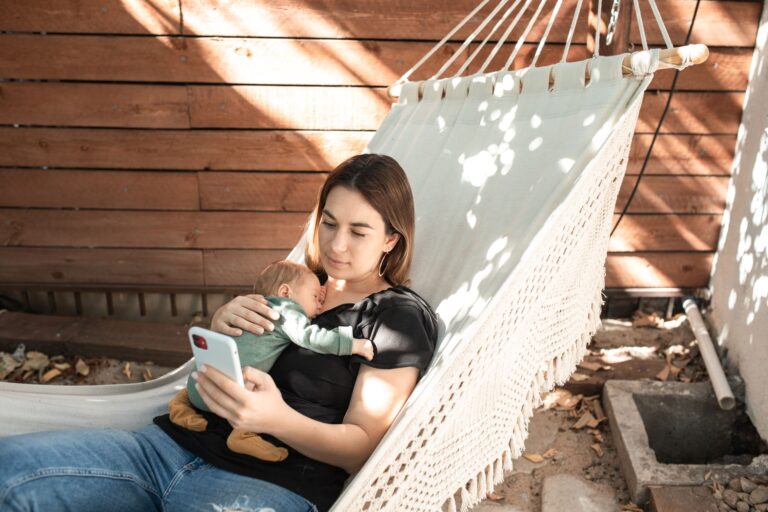
You can leave your baby with a caregiver as early as a few weeks old, as long as the caregiver is trained and your baby's safety needs are met—but timing, caregiver qualifications, and your baby's age all matter. No single federal law sets a minimum age for leaving children with caregivers; regulations and safety guidelines vary significantly by state and baby's developmental stage. The American Academy of Pediatrics recommends that any caregiver watching an infant be at least 13 years old, trained in CPR and first aid, and mature enough to handle emergencies. For newborns and very young infants, additional experience and specific safety knowledge are required.
Table of Contents
- Legal Requirements and Caregiver Age Standards
- When Your Baby Is Ready (By Age)
- Your Caregiver's Qualifications and Training
- How to Prepare Before You Leave
- Safety Protocols for Newborns
- Frequently Asked Questions
Legal Requirements and Caregiver Age Standards
The United States has no single federal law governing when you can leave your baby with a caregiver. Instead, regulations vary by state, ranging from 6 to 14 years old, with only a few states like Illinois (14 years) and Maryland (13 years) mandating minimum ages specifically for babysitting. Check your state's regulations before arranging care, as requirements differ.
The American Academy of Pediatrics sets a higher standard: a babysitter caring for any age infant should be at least 13 years old, mature, and trained in CPR and first aid. For infants under 6 months, the AAP does not recommend caregivers younger than 13. Legal minimums and professional standards are separate measures—legal permission to babysit does not equal readiness to care for a newborn.
When Your Baby Is Ready (By Age)
.
- *Newborns and infants under 3 months:** Infants younger than 3 months can be left with an experienced caregiver for short periods if the caregiver follows specific safety protocols—including supervised hand washing, keeping anyone with cold or flu symptoms away, and proper sleep positioning. This is medically possible but requires a highly trained caregiver.
- *Three to six months:** Babies under 6 months adjust easily to caregivers when their basic needs are met. They have not yet developed the understanding of object permanence that triggers separation anxiety, so they are more flexible with unfamiliar caregivers during this window.
- *Six to eighteen months:** This is the riskiest period for introducing new caregivers. Separation anxiety emerges between 6 and 8 months, peaks between 10 and 18 months, and your baby may cry intensely when you leave. This is a sign of secure attachment, not a problem—it means your baby knows you are the primary caregiver and misses you. Transitions should be consistent, and introducing a familiar caregiver (one the baby has spent time with while you are present) helps significantly.
Your Caregiver's Qualifications and Training
For caregivers watching infants under 6 months, at least 2 years of prior babysitting experience with older infants and completion of a certified safety course (such as Safe Sitter®) are essential. The caregiver must be comfortable with bottle-feeding, diaper changes, and infant crying. These are baseline competencies, not optional.
Beyond age and course completion, your caregiver needs hands-on experience. A 13-year-old who has never held a newborn is not the same as a 13-year-old who has cared for younger siblings or babysat frequently. Comfort and confidence reduce the risk of mistakes during emergencies and make transitions easier for your baby.
How to Prepare Before You Leave
Before leaving your baby with any caregiver, provide detailed written instructions including feeding and sleep routines, emergency contact information, your pediatrician's details, safe sleep requirements (no infant swings or car seats for routine sleep), and restrictions on anyone who is ill. Never assume a caregiver knows your baby's specific needs or your house rules.
Start with a trial separation of 15 to 30 minutes—such as running an errand—before longer absences. This allows you to observe how your baby and the caregiver interact and identify any adjustments needed. For older babies entering separation anxiety, staying calm and predictable during departures (say goodbye, then leave—do not sneak away) helps your baby learn that you always come back.
Safety Protocols for Newborns
Newborns under 3 months have the most specific care requirements. The caregiver must use sterile liquid infant formula only (not powdered), avoid microwave bottle heating, follow back-sleeping position for all sleep, and remove soft objects from the crib.
These rules reduce the risk of serious complications including contamination, overheating, and Sudden Infant Death Syndrome. Your caregiver should also know signs of illness in newborns and when to call emergency services. Newborns cannot tell you they are uncomfortable, so a trained caregiver's vigilance is your backup safety net.
Frequently Asked Questions
Can a teenager babysit my newborn?
The American Academy of Pediatrics recommends caregivers be at least 13 years old with CPR and first aid training, but newborns need caregivers with 2+ years of infant experience and certified safety training. A 13-year-old without experience is not recommended for newborns under 6 months.
Is it normal for my baby to cry when I leave?
Yes. Separation anxiety typically begins at 6 to 8 months and peaks between 10 and 18 months—it signals secure attachment to you. Consistent transitions and a familiar caregiver help your baby feel secure.
What's the minimum amount of time before I can leave my baby?
There is no fixed rule. Start with 15 to 30 minutes to observe interactions, then gradually extend time as both your baby and caregiver build confidence. Older babies in peak separation anxiety benefit from shorter, predictable absences at first.