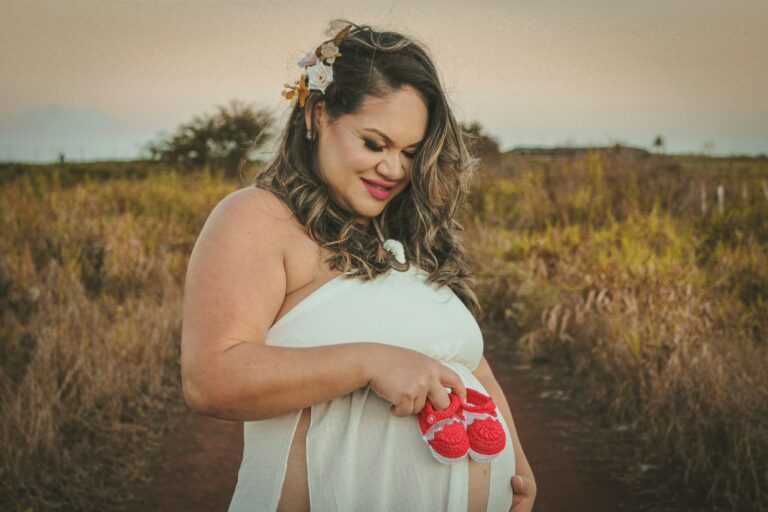
Send baby shower invites six to eight weeks before the event; children's birthday party invites need two to three weeks of notice. The exact timing depends on whether you're mailing printed cards (which take three to six days plus production time) or sending digital invites (which arrive instantly), how large your guest list is, and whether your event falls during a competitive season like the holidays, when people book social events further ahead.
Planning backwards from your event date prevents scrambling. Work from your desired mail date, subtract production time for printed cards or the hours needed to set up digital invites, add a one-week buffer, and you have a realistic preparation timeline. RSVP deadlines should land three to four weeks before baby showers and one week before birthday parties, giving you final headcount numbers without requiring guests to commit months in advance.
Table of Contents
- Baby Shower Invitations—The Standard Timeline
- Children's Birthday Party Invitations
- Expanding Your Timeline for Specific Situations
- Printed Invitations Versus Digital
- Working Backward From Your Event Date
- RSVP Deadlines and Managing Responses
- Timing for Other Celebrations and Announcements
- What to Include on Your Invitation
- Managing Late or Last-Minute Invitations
- Problem-Solving Late Planning, Scope Creep, and Event Changes
- Frequently Asked Questions
Baby Shower Invitations—The Standard Timeline
Baby shower invites go out six to eight weeks before the event. This window gives printed cards time to arrive (typically three to six days through the mail, longer for cross-country delivery), lets guests review the registry and purchase gifts without feeling pressured, and allows them to arrange childcare. Printed invitations ordered from production companies need two to three weeks just for creation and shipping, so the timeline works backward: order cards two to three weeks before you want to mail them.
If you're addressing and mailing cards yourself, order them to arrive at your home four to five weeks before your desired mail date, then spend a week addressing, stamping, and posting them. This gives you breathing room for last-minute address corrections or forgotten names. A stained or misspelled invitation sitting on someone's desk is less impressive than one that's crisp and accurate, even if it arrives one week later.
Registries should launch two to three weeks before invitations arrive. Guests who receive a shower invitation want to see what you're registering for within a few days, so a live registry when they open the invite makes their decision to shop immediate and easy. A registry announcement that comes weeks after the shower invitation has landed gets lost in the shuffle.
Seasons change the timeline. November and December showers need eight to ten weeks' notice because people book holiday events months in advance and vacation schedules fill fast. July and August similarly need longer lead time when families plan summer activities and vacations in spring. Off-season months (March through June) can work with the standard six-to-eight-week window.
Digital shower invites can go out four to five weeks before, since they arrive instantly, but expect slower RSVP rates because they lack the physical reminder of a card on someone's kitchen counter. A combination approach—printed formal invitations mailed five weeks out, then digital reminder two weeks before—catches both digital-first people and printed-invitation lovers.
Children's Birthday Party Invitations
Birthday party invites go out two to three weeks before the event for most children's parties. This gives families time to check schedules, arrange childcare for other children, make travel plans if the party is outside their neighborhood, and purchase or wrap a gift. Three weeks is generally safer for children under six, since parents coordinate around nap schedules and preschool or school calendars.
School-age children (kindergarten through middle school) should have three weeks' notice if possible, especially if the party falls on a Saturday or during sports season. School-year parties compete with soccer, piano lessons, gymnastics, and other commitments that families book at school starts. A party conflicting with an already-scheduled practice puts parents in a tough spot, and shorter notice doesn't give them time to make a choice.
Preschool classroom parties present a unique situation. If you're handing out printed invitations at school to every student, check your school's handbook first—some schools have specific distribution policies to avoid hurt feelings among uninvited classmates. When inviting out-of-school friends, two weeks is reasonable for formal mailed invitations; one week works for digital invites to people you know well.
Summer birthday parties need the longest window because families often plan summer camps, vacations, and travel in January or February. A mid-July party should have invites out by mid-June. Conversely, August birthdays right before school starts have flexible guest lists because families often accept last-minute social plans before school routines begin again.
Holiday-season parties (October through December) need three to four weeks' notice. Thanksgiving week and December calendars fill with travel, school events, and family obligations. People spending Thanksgiving week with extended family can't attend a birthday party during that time, so early invitations give them a chance to arrange their plans accordingly. January parties also benefit from extra notice when people are financially stretched after holiday spending.
Expanding Your Timeline for Specific Situations
Destination celebrations—showers or parties requiring travel to reach the venue—need five to eight weeks' notice. Guests must request time off work, arrange childcare for children not attending, and book flights or hotel rooms. A destination shower in another state should go out eight to ten weeks in advance to give guests maximum planning time. Extended family celebrations (first birthdays, milestone celebrations, family reunions centered on a child's event) benefit from longer timelines because aunts, uncles, and grandparents from different states need maximum planning time.
Extended family often travels less frequently and requires more lead time for arranging coverage at work. These events feel special enough to warrant the eight-week window even if the guest list is relatively small. Large guest lists automatically extend your timeline. If you're inviting more than fifty people, plan on eight weeks for baby showers.
Larger lists mean more mailing time, slower RSVP turnaround, and more follow-up calls needed to get final headcount numbers. Addressing and mailing two hundred shower invitations yourself takes longer than you might expect, so factor that into your production schedule. Events with specific requirements—dietary restrictions, allergy accommodations, activities requiring sign-ups or advance approval, or venues with occupancy caps—need earlier invites so guests can confirm and communicate their needs.
If you're hosting a peanut-free party and need people to confirm their attendance (rather than assume), four to five weeks gives breathing room for responses and clarifications. Workplace or corporate celebrations need three to four weeks' notice. Coworkers need to request time off from their supervisor, and office calendars fill during certain times of year. A company-wide shower or birthday celebration also benefits from longer notice so people can plan their work schedules around the event time.
Printed Invitations Versus Digital
Printed invitations require the longest timeline because of production and postal delays. Order cards two to three weeks in advance from companies like Minted, Shutterfly, or Etsy. Shipping to your home takes one to two weeks, then you have one to two weeks to address, stamp, and mail them. Mail delivery adds three to six days depending on distance—local mail within a city can arrive in two to three days, while cross-country mail takes a full week or slightly longer.
DIY printed cards made at a local print shop or at home reduce production time to three to five business days. Printing costs run lower, and you maintain creative control, but you're handling the labor yourself. Reserve DIY printing for events where you're not mailing dozens of invitations or when you value the personal touch enough to spend your time.
Digital invitations sent via email, text, or party apps like Evite or Paperless Post arrive instantly and don't require postage. These work best for events less than four weeks away, events where your guests already have your email or phone number, and casual gatherings where formal printed announcements feel excessive. Expect lower RSVP rates with digital invites because they lack the physical reminder factor.
Hybrid approaches work well in practice. Send formal printed invitations four to five weeks out to people who appreciate keepsakes or who you think might miss digital messages. Follow up with a digital reminder two weeks before for people who haven't RSVP'd yet and for guests who prefer digital communication. This catches both communication preferences and improves your overall RSVP rate.
Event-planning apps like Punchbowl or Paperless Post offer tracking that shows which guests opened your invitation, timestamp RSVP submissions, and send automatic reminders. These platforms reduce your follow-up labor and provide clear visibility into who's responding and when. For parents managing busy schedules, this automation is valuable.
Working Backward From Your Event Date
Create a timeline by starting with your event date and working backward in weeks. For a baby shower on June 15, count back six to eight weeks—that lands you in late April or early May as your mail-out date. For a birthday party on April 20, count back two to three weeks—that means invitations should arrive the last week of March or first week of April.
Now subtract the time needed to produce your invitations. If you're ordering printed cards, subtract three weeks from your mail date—that's your ordering deadline. If you're using digital invites or DIY printing, subtract one to two weeks. Add a one-week safety buffer before this production deadline for design finalization, address list corrections, and unexpected changes.
Your RSVP deadline should land three to four weeks before your event for showers and one to two weeks before for children's parties. Mark this date clearly on your calendar because you'll need final headcount numbers by this point. Don't set the RSVP deadline for more than five to six weeks before the event—people forget if given too much lead time, and your deadline loses urgency.
Map out additional key dates: design finalization, address list completion, production start, production completion, mail date, expected arrival date, RSVP deadline, reminder communication date, final headcount deadline, and event date. Writing these dates into a calendar (digital or paper) keeps you accountable and prevents the stress of realizing a week before the event that you haven't contacted people who haven't responded.
Count backward once more from your venue and vendor deadlines. Caterers need final headcount one to two weeks before the event. Venue staff need space setup instructions three to five days before. These deadlines govern when you absolutely must have final numbers confirmed, which pushes your RSVP deadline even earlier.
RSVP Deadlines and Managing Responses
Set your RSVP deadline for three to four weeks before a baby shower, or ten days to two weeks before a birthday party. This timing gives you enough advance notice to finalize supplies and food quantities without forcing people to commit their social calendars months in advance. Too-early deadlines lead to forgotten responses and last-minute changes.
Expect roughly fifty percent of RSVPs to arrive by your stated deadline. The other fifty percent will either respond in the days after your deadline or require a personal follow-up call or text. Don't panic if fewer than half of people have responded on deadline day—this is normal. Plan your reminder communication for three to four days after your deadline passes.
Send a friendly reminder message to everyone who hasn't responded by deadline-plus-three-days. A simple text, email, or phone call works: "I haven't heard from you yet about the shower on [date]—can you let me know if you're able to make it?" Many people genuinely forgot, and a personal reminder catches them without shame. Digital tracking tools reduce your administrative burden.
Evite, Paperless Post, and other apps send automatic reminders to people who haven't responded and track responses in real time. You receive notifications as each RSVP arrives, so you're never unsure about your headcount. Paper or spreadsheet tracking works too if you're willing to do manual data entry. Follow up with one more personal call to people who declined or didn't respond by one week before the event.
This catches last-minute cancellations or no-responses that free up spots, allows you to adjust quantities with vendors, and shows people they matter to you even if they can't attend. A final headcount delivered to your caterer five to seven days before the event gives them time to adjust portions and staffing.
Timing for Other Celebrations and Announcements
Pregnancy announcements (distinct from baby showers) have no fixed timeline. Some people announce at eight weeks' gestation, others wait until thirteen weeks or twenty weeks. Formal printed pregnancy announcements follow the same timeline as shower invitations if you're mailing them—six to eight weeks for production and delivery. Casual announcements via text or social media can go out whenever you're ready.
Gender reveal parties and first-birthday celebrations typically warrant four to six weeks of notice, especially if they're larger events or involve extended family. First birthdays feel milestone-significant to families, so giving relatives maximum planning time is considerate. Destination gender reveals or elaborate celebration venues need eight weeks. Holiday parties need specific timing depending on which holiday.
Thanksgiving-week parties need three to four weeks' notice because extended family books around the holiday. December parties need four to five weeks because people plan holiday schedules in September and October. New Year's parties can have shorter timelines (two to three weeks) because people's January social plans are often still flexible. Office showers and workplace celebrations coordinate with work calendars differently than home celebrations.
Three to four weeks' notice allows coworkers to request time off and clears their schedule from competing meetings. Surprise celebrations for colleagues need even earlier notice to the people you're inviting (minus the guest of honor), typically four to five weeks. Milestone reunions or family celebrations tied to a child's age might require longer timelines than standard parties. A family gathering for a child's adoption day, a ten-year reunion of birth classmates, or a cultural milestone celebration sometimes involves relatives with competing obligations, so erring toward extra notice serves everyone.
What to Include on Your Invitation
State the date, time, and exact location clearly, using a format that's impossible to misread. "Saturday, June 15 at 2:00 p.m." is clearer than "June 15, 2 PM"—it eliminates any chance someone thinks it's a different Saturday. Include the full street address, cross streets, parking information, or a map link so guests arrive without stress or getting lost.
Provide your registry link directly on the invitation or mention how guests can find it. "See our registry at [company] or visit [link]" saves guests from searching. If you're asking for group contributions toward a larger item, state the price range and how guests can participate. This removes the guesswork about gift-giving and shows respect for guests' budgets.
Request that guests communicate dietary restrictions or allergies in their RSVP. State what accommodations you're offering: "Please note any allergies or vegetarian preferences; we're serving a nut-free menu." This invites communication and shows thoughtfulness. Guests with strict dietary needs feel respected when asked in advance rather than facing surprise at the event. For children's parties, note the recommended age range and describe any activities planned so parents understand whether the event suits their child.
"This party includes face painting and water play—bring a change of clothes" helps parents decide if their child will enjoy it. Include your phone number prominently for last-minute questions about what to bring or dress code. Specify the dress code and expected formality. "Casual backyard party," "semiformal evening shower," or "garden party attire" sets clear expectations. For outdoor events, include weather guidance: "Bring sunscreen," "waterproof shoes recommended," or "dress for cool evening air." Small details like this prevent guests from showing up unprepared or uncomfortable.
Managing Late or Last-Minute Invitations
If you're sending invitations fewer than three weeks before a baby shower (or fewer than one week before a birthday party), acknowledge the short timeline. A brief note—"I know this is last-minute, and I apologize—I'd love to have you if you're able to make it"—respects people's schedules without making excuses. Most people appreciate honesty. Fewer than two weeks before an event, digital invitations become your only realistic option.
Printed cards won't arrive in time, and people can't be expected to attend an event they've heard about via mail. Calling or texting your closest friends and family works best for ultra-last-minute plans because these people have an existing relationship with you. Be flexible on RSVP timing with late invitations. Don't enforce the same rigid deadline as formal invitations.
Give people five to seven days to check their calendars and respond, then assume anyone who hasn't answered is declining. People understand that last-minute invitations come with last-minute response expectations. Last-minute events work best when they're small and informal. Fewer than twenty guests, casual settings, and simple catering minimize complications. Large formal events sent at the last minute often face venue availability issues, catering minimum orders, or vendor inability to fulfill requests on short notice.
Save last-minute invitations for your inner circle. Know your social circle's tolerance for last-minute invitations. Close friends and family often don't mind short notice for intimate celebrations. New acquaintances, casual coworkers, or formal relationships may feel slighted by last-minute invitations. Reserve rush invitations for people who've previously accepted you at short notice.
Problem-Solving Late Planning, Scope Creep, and Event Changes
If you realize your original timeline was too optimistic, digitize immediately. Printed invitations simply cannot be expedited enough if you're already behind schedule. Email or text your core guest list, then mail formal printed cards to people not in your email circle. A combination approach salvages the event without requiring everyone to receive a casual notification.
Scope creep (the guest list keeps growing) happens frequently with showers and milestone celebrations. Set a final guest list date two weeks before you send invitations, then close the list. Adding twenty new people three weeks before the event means reprinting invitations, reshuffling seating, and recalculating food quantities. A firm deadline prevents this cascade. If your event date changes after invitations go out, notify people immediately through the fastest method available.
Call or text your closest guests; email or text message everyone else; post to social media if people are digital-forward. Printed cards in transit can't be recalled, so assume some people never received the original date. Plan an extra reminder for the new date. People who RSVP yes and then cancel close to your event create last-minute complications.
You've already paid caterers and printed place cards. Expect this to happen despite your best planning, and build a small buffer into your headcount (order for fifteen if you're expecting twelve, plan activities for thirty if twenty are invited). This prevents the event from feeling undersized on the day. Track attendance relative to invitations sent.
If you invited thirty people and only ten responded, you might be sending invitations at the wrong time for your social circle. Ask a close friend or family member whether your timing is causing the low response rate, or whether something else is affecting people's ability or willingness to attend.
Frequently Asked Questions
Can I send invitations just one week before an event?
Yes, but only digitally and for small, casual events. Printed cards take at least three to six days to arrive by mail, so they're impossible one week out. Text messages or emails work for gatherings of close friends or family who understand short notice. Expect lower attendance and don't hold formal RSVPs—assume people respond only if they're coming. Formal events or large parties always need more advance notice.
Is it rude to send both printed and digital invitations to the same person?
No. Send a printed invitation as your formal announcement, then follow up with a digital reminder closer to the date if they haven't RSVP'd. People miss printed mail, forget to respond, or set the card aside. A friendly digital reminder—"Haven't heard from you yet; hope you can make it!"—works well. Avoid sending both on the same day or mentioning both; that feels redundant. Space them two to three weeks apart.
How many reminder messages are appropriate before an RSVP deadline?
One or two reminders are reasonable. Send one at three to four days after your deadline if you're still missing responses, then a follow-up call or message one week before the event for people you specifically wanted to invite. More than two reminders feel like nagging. Accept that some people will decline without explicitly saying so—they've received your invitation and simply aren't responding, which is their answer.
What if I keep getting people who want to add plus-ones after I send invitations?
Set a clear plus-one policy on your invitation and stick to it. "Adults are invited; children [are/are not invited]" or "Please RSVP only for the names listed below" prevents surprises. If someone asks about bringing an extra guest after the deadline, you can say yes if there's room, but frame it as a favor rather than an expectation. For milestone events or formal celebrations, listing specific names on invitations (rather than "and guest") prevents ambiguity.
Should I send reminder invitations to people who said they can't attend?
No. People who declined have your invitation and made their choice. Sending reminders or follow-ups after a decline reads as pressure and makes them uncomfortable. The exception is if you later change the date or significantly change the event details—then you might reach out with the updated information, giving them a chance to reconsider. Otherwise, accept their no.
What if I send out invitations and then need to change the date?
Notify people immediately using the fastest available method. Call or text your closest guests; email or message everyone else. Do not assume printed invitations reached everyone—people move, miss mail, or file invitations away without marking their calendar. Send at least two notifications about the new date: one immediately and one reminder one week before the new date. Accept that some people will miss the update; follow up individually with anyone who might have planned around the original date.