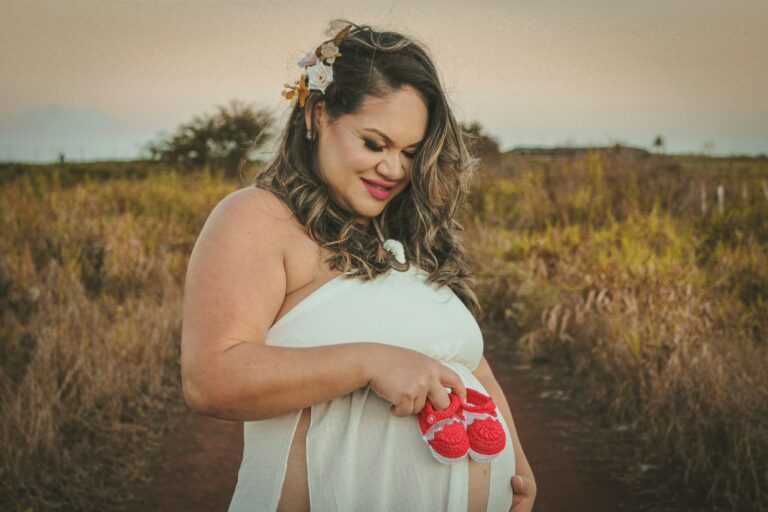
A baby shower typically happens 6 to 8 weeks before your due date, though the best timing depends on your health, your guests' schedules, and your own preferences. This window—usually in the last trimester—balances practical needs: you're visibly pregnant, your guests can travel without the risk of missing the birth, and you have time to organize and use what you receive.
The timing is flexible. Some people host showers earlier (around 20 weeks) if their families are spread across the country; others wait closer to delivery if they prefer surprises or have medical reasons to postpone. The core rule is simple: plan when it works for the people you want there and when you feel up to celebrating.
Table of Contents
- Why the third trimester is standard
- When earlier or later timing makes sense
- Comfort and health matter
- Who should decide and what to communicate
- Planning for unexpected changes
- Frequently Asked Questions
Why the third trimester is standard
The 6-to-8-week window falls in your third trimester, when labor is still a few weeks away but unlikely to derail the event. This timing also means gifts arrive with enough lead time for you to wash, organize, and set up the nursery before the baby comes—a practical advantage if you're not an experienced parent.
Your guests also benefit from third-trimester timing. They don't have to guess whether you'll actually deliver early, and they can plan travel without worrying they'll arrive to find you in the hospital. If guests come from out of town, an earlier date signals more certainty about when the shower will happen.
When earlier or later timing makes sense
A second-trimester shower (around 20 weeks) works well if your family is geographically scattered and coordinating a single date is difficult. It also gives you months to source hard-to-find items and make changes if you want to. The drawback: an earlier shower means more time to store gifts and less urgent need to finalize details.
A shower closer to your due date—a week or two before—is rarer but not unusual. It works if most guests live nearby, if you prefer last-minute organization, or if your health improved late in pregnancy. The risk is delivery complicates or prevents attendance, and you won't have time to shop for anything forgotten after the event.
Comfort and health matter
By the third trimester, you may feel tired, experience swelling, or have mobility concerns—factors that influence whether you can enjoy hosting or attending a large gathering. A shower date that works with your energy level and any medical restrictions is more important than following convention.
If your doctor advises rest or bed time, postponing or scaling down the shower is reasonable. pregnancy complications, early labor, or gestational conditions like gestational diabetes or preeclampsia may shift your timeline. In these cases, a virtual shower, a smaller gathering, or postponing to after the baby arrives are all legitimate alternatives.
Who should decide and what to communicate
Traditionally, a family member or close friend organizes the shower, not the pregnant person—but the parents should set the timing preference and communicate any constraints early. If your partner wants the shower, or if you have strong feelings about the date, speak up. This is your event as much as your guests'.
Give the organizer a realistic window (like "anytime between weeks 32 and 36") rather than a single date, especially if coordinating multiple people. Confirm the date at least 4 weeks in advance so guests can plan travel and time off. If something changes—a work crisis, a health issue, unexpected travel—communicate the shift as soon as you know.
Planning for unexpected changes
Pregnancy doesn't always follow the calendar. Some people deliver early, others face a scheduled induction before their shower date, and some encounter situations that change plans weeks into preparation.
A shower that is "scheduled" becomes a shower that "usually happens on this date, but we'll confirm two weeks before if anything changes." If you deliver before the planned shower date, you can celebrate after the baby arrives with a simplified version or a "sip and see"—an informal gathering where friends meet the newborn and drop off gifts. This is increasingly common and equally valid.
Frequently Asked Questions
Can you have a baby shower after the baby is born?
Yes. Post-birth gatherings ("sip and sees," casual meet-and-greets, or delayed celebrations) are common when early timing didn't work, and they let guests meet the actual baby instead of planning around a due date.
What if you don't want a baby shower?
You don't have to have one. Some people dislike large gatherings, have budget concerns, or prefer to buy their own items. A simple alternative—a lunch with close friends, no event at all, or asking guests to make donations instead of gifts—works for many families.
Is a coed shower more flexible with timing?
Coed showers often happen on weekends closer to delivery because weekends are easier for more guests to attend. The timing logic is the same; the attendee mix doesn't usually change when a shower works best.
Do I need to have the shower before maternity leave?
Not necessarily. If you're on maternity leave already or don't plan to work, timing isn't tied to your employment. If you do work, hosting a shower before leave—or virtual during leave—may be easier than returning to host afterward.