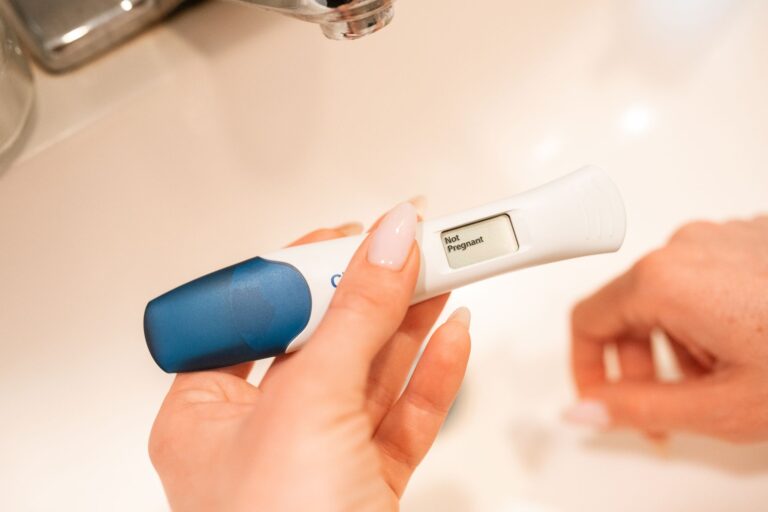
You miss your period when your menstrual cycle doesn't arrive on the day you expect it. For most people with a regular cycle, this happens about one to two weeks after conception, though the exact timing depends on when you ovulated and how predictable your cycle is.
A missed period is often the first sign that prompts someone to suspect pregnancy. Your body stops shedding its uterine lining after a fertilized egg implants, which typically occurs six to twelve days after conception. However, a missed period doesn't always mean pregnancy—stress, hormonal changes, illness, exercise, diet shifts, and other factors can delay or skip a cycle entirely.
Table of Contents
- How to know if your period is actually late
- Timing of a missed period after conception
- When to take a pregnancy test
- Other reasons your period might be late or missed
- When to contact a healthcare provider
- Frequently Asked Questions
How to know if your period is actually late
your period is considered missed when it hasn't arrived within three to five days of when you expected it. This requires knowing your typical cycle length, which varies from 21 to 35 days between cycles. If your cycles are irregular, you may not realize you've missed one until a week or two have passed, or until symptoms prompt you to check.
Tracking your cycle helps you notice when it's off schedule. This can be as simple as noting the first day of your period on a calendar for a few months to find your pattern. People with shorter or longer cycles may feel more confident they've missed a period once enough time has passed; those with irregular cycles sometimes only realize after a pregnancy test or physical symptoms appear.
Timing of a missed period after conception
Your period is missed at the point when your menstrual cycle would normally begin, regardless of when conception actually occurred. If your cycle is 28 days and you conceived on day 12 of that cycle, you'd typically miss your period on day 1 of your next cycle—about 16 days after conception. The timing varies because ovulation doesn't occur on the same calendar date each month, even for people with regular cycles.
Pregnancy tests detect pregnancy hormones (human chorionic gonadotropin, or hCG) in urine or blood once the fertilized egg implants and the hormone level rises enough to show up on a test. For most pregnancy tests, waiting until the first day of a missed period gives the most accurate result. Taking a test too early may show a false negative because hCG levels haven't risen high enough yet.
When to take a pregnancy test
The most reliable time to take a home pregnancy test is the first day of a missed period or later. Tests taken before a missed period are less dependable because hCG levels may still be too low. If you test early and get a negative result but your period still doesn't arrive, testing again a few days later can confirm whether you're pregnant.
Sensitivity varies among pregnancy tests; some detect lower levels of hCG than others. Blood tests ordered by a doctor can detect pregnancy earlier than urine tests because they measure hCG directly, sometimes as early as 8 to 11 days after ovulation. If you want to know sooner, ask your healthcare provider about a blood test rather than guessing with early home tests.
Other reasons your period might be late or missed
Pregnancy is only one reason for a missed period. Stress, significant changes in exercise routine, major weight shifts, eating disorders, hormonal birth control, thyroid problems, polycystic ovary syndrome (PCOS), and endometriosis can all delay or skip a cycle.
Certain medications, caffeine consumption, and illness can also affect menstrual timing. Even major life events—moving, grief, illness—can trigger a one-time cycle delay without indicating a larger health issue. If you've ruled out pregnancy and your period remains absent for more than three months, or if missing periods becomes a recurring pattern, a doctor can help identify the underlying cause.
When to contact a healthcare provider
Contact your doctor if your period is absent for more than three months without an explanation, if you have a positive pregnancy test and want prenatal care, or if a missed period comes with concerning symptoms like heavy bleeding when it returns, severe pain, fever, or dizziness. People with irregular cycles should have a baseline understanding of their pattern from a doctor to know what constitutes a genuine missed period for them. If you're pregnant and have a missed period, scheduling an appointment with your healthcare provider is the next step—they can confirm the pregnancy, date it based on your last period, and discuss prenatal care and what to expect in the coming weeks.
Frequently Asked Questions
Can you miss a period without being pregnant?
Yes. Stress, exercise changes, weight shifts, thyroid problems, hormonal birth control, and other conditions can cause a missed or late period.
How early can you tell you're pregnant?
Home pregnancy tests are most accurate after a missed period. Blood tests ordered by a doctor can detect pregnancy earlier, sometimes 8 to 11 days after ovulation.
Should I take a pregnancy test right away if my period is late?
Waiting until the first day of a missed period gives a more reliable result than testing early. Testing too early may show a false negative if hCG levels haven't risen yet.
Is a missed period always a sign of pregnancy?
No. A missed period can result from stress, hormonal changes, certain medications, illness, thyroid issues, and other medical conditions unrelated to pregnancy.