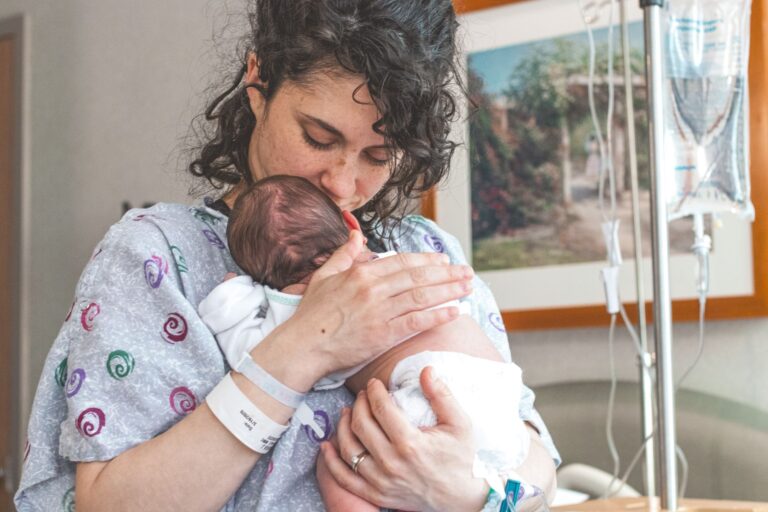
Choosing how to become a parent is one of the biggest decisions you'll make. Biological parenthood, adoption, and surrogacy each follow different paths to the same goal — bringing a child into your family — and which one fits depends on your health, finances, timeline, legal situation, and what you're emotionally prepared for.
All three paths are valid. None is "better" or "easier" across the board; each has distinct medical realities, legal requirements, financial costs, and emotional chapters. The right choice is the one that's actually possible for your specific circumstances and that you can commit to through the unpredictable parts.
Table of Contents
- Understanding Biological Parenthood
- How Adoption Works
- What Surrogacy Involves
- Medical Realities and Health Considerations
- Financial Reality and Insurance Coverage
- Legal Parentage and Documentation
- Emotional and Psychological Readiness
- Timelines: How Long Each Path Takes
- Post-Parenthood Realities and Support
- How to Decide Which Path Fits Your Family
- Frequently Asked Questions
Understanding Biological Parenthood
Biological parenthood begins before pregnancy — usually with fertility conversations. If you've been trying to conceive for a year (or six months if you're over 35), talking to a fertility specialist or OB-GYN makes sense. They can run basic tests: semen analysis for partners with sperm, ovulation tracking and imaging for people with ovaries, and blood work to check thyroid and hormone levels.
Many people conceive without help. Others need interventions ranging from timed intercourse advice to medication that triggers ovulation. Some require intrauterine insemination (IUI), where sperm is placed directly in the uterus during ovulation. Others move to in vitro fertilization (IVF), where eggs and sperm meet in a lab and resulting embryos are transferred to the uterus.
Pregnancy itself lasts about 40 weeks from the last menstrual period. Prenatal care involves regular appointments, ultrasounds, and screening tests. Labor and delivery happen at a hospital, birth center, or home, depending on your choice and medical situation. Recovery takes weeks to months. The timeline from "we want to try" to holding your baby can be immediate for some people, or stretch to years for others dealing with infertility, miscarriage, or medical complications. Cost varies widely: trying naturally is free; fertility testing and treatment can range from hundreds to tens of thousands of dollars, often not covered by insurance.
How Adoption Works
Adoption means legally becoming the parent of a child born to other people. In the U.S., most adoptions happen through state foster care systems, private agencies, or independent arrangements (laws vary by state). Each path has different timelines, costs, and support systems. Foster-to-adopt means becoming a foster parent first, with the goal of eventual adoption.
you're licensed by your state and the child remains in state custody. If the child's biological family cannot provide safe care and parental rights are terminated, you can adopt. This path is often faster and lower-cost than private adoption, sometimes free, but involves uncertainty: the goal is always reunification first, so the child might return to biological family.
Private domestic adoption involves working with an agency or attorney to match with a birth parent or family. You may have contact with the birth family during or after adoption. Timeline ranges from months to years. Costs typically run $10,000 to $50,000, covering agency fees, legal work, and birth parent expenses. Many states require adoptive parents to complete training and background checks.
International adoption involves adopting a child from another country and bringing them to the U.S. Process and costs vary dramatically by country — some require in-person visits, others have age limits for parents, and some have limited availability. Timelines often extend beyond two years. Costs can exceed $50,000 including travel, agency fees, and immigration. You'll need to navigate immigration law and home studies.
All adoptions require a home study — a social worker evaluates your home, finances, background, and readiness to parent. Criminal history, substance abuse, or prior child abuse findings typically disqualify adoptive parents.
What Surrogacy Involves
Surrogacy means another person becomes pregnant and carries a child for you. This is distinct from adoption: the child is biologically related to at least one intended parent (or neither, if using donor egg and sperm). Surrogacy is expensive and legally complex, and it's illegal or restricted in many countries and some U.S. states.
In gestational surrogacy, the surrogate carries an embryo created from an intended parent's egg and sperm (or donor gametes). The surrogate has no genetic relationship to the child. This requires IVF to create the embryo, then transfer to the surrogate's uterus. Traditional surrogacy is rare in the U.S. because of legal liability: the surrogate's own egg is used, so the child is genetically hers.
Many states don't enforce contracts in her favor if she changes her mind about placement, making it legally risky. Costs for gestational surrogacy in the U.S. typically range from $90,000 to $150,000 or higher, including surrogate compensation (often $25,000 to $50,000), agency fees, legal contracts, medical care, and fertility treatment. Commercial surrogacy — paying a surrogate for childbearing — is illegal in many countries and ethically contested.
Timeline is usually 18 months to three years from starting the process to delivery, though some arrangements move faster. You'll need a gestational surrogacy agreement drafted by attorneys in both your state and the surrogate's, making clear that she has no parental rights and you'll be listed as parents at birth. The surrogate becomes pregnant through embryo transfer after IVF.
Medical Realities and Health Considerations
Biological parenthood carries pregnancy and birth risks. Pregnancy-related complications like gestational diabetes, preeclampsia, or gestational hypertension affect roughly 5% to 10% of pregnancies. Miscarriage happens in about 10% to 15% of known pregnancies, more often early on. Infertility itself — difficulty conceiving after a year of trying — affects roughly 10% to 15% of people trying to conceive, though rates increase with age.
Age matters for fertility. A person's fecundity (chance of conception per cycle) begins declining in their early 30s and drops more steeply after 35. By 40, the chance of conceiving naturally per cycle is roughly half that at 25. Pregnancy risks increase with age: rates of gestational diabetes, preeclampsia, and chromosomal abnormalities rise. But many people in their 40s and beyond conceive and deliver healthy pregnancies.
Infertility treatment carries its own medical profile. Fertility medications can cause ovarian hyperstimulation syndrome (OHSS), a rare but serious condition. IVF success rates depend on egg quality, which correlates with age, and on embryo quality. A 30-year-old doing IVF has roughly a 40% to 50% chance of live birth per cycle; by 45, it drops to roughly 5% or lower, though outcomes vary by individual and clinic.
Adoption doesn't involve pregnancy, so it sidesteps pregnancy complications and birth risks. But adopted children, especially from foster care or international adoption, may have prenatal exposures (alcohol, drugs, infections) that affect development, or early life experiences (neglect, trauma) that influence behavior and attachment. A pediatrician experienced with adoption can help screen for and manage these issues.
Surrogacy combines IVF medical risks for the intended parent (if using their own eggs) with pregnancy risks for the surrogate. The surrogate carries all pregnancy complications. You won't experience pregnancy yourself but will manage the emotional weight of someone else's pregnancy and birth.
Financial Reality and Insurance Coverage
Costs differ radically across paths. Biological parenthood without fertility treatment involves prenatal care (typically covered by insurance if you have it), delivery (usually $10,000 to $15,000 even with insurance, depending on deductibles and whether complications arise), and ongoing child expenses. Fertility treatment can cost $3,000 to $25,000 per cycle of IVF, with most people needing multiple cycles.
Insurance coverage for fertility varies. Some plans cover diagnostic testing and basic treatment; others cover nothing. Many cover IVF only under specific circumstances (age, diagnosis, prior failed treatments). No U.S. state requires all insurers to cover fertility treatment, though some states mandate partial coverage. Adoption costs depend on the path. Foster-to-adopt is often free or low-cost because the state covers the child's expenses.
Private domestic adoption costs $10,000 to $50,000. International adoption can exceed $50,000. Tax credits may offset some costs; the federal adoption tax credit allows up to $15,000 in eligible expenses (as of 2026), but check current law and whether your state offers credits too. Surrogacy is the most expensive path, typically $90,000 to $150,000 or more.
Costs include surrogate compensation, agency fees, legal contracts, medical care for both the intended parents (fertility treatment) and surrogate (prenatal, delivery), and insurance. Employer health plans rarely cover surrogacy, and many don't cover the surrogate's medical care either, leaving you to pay her insurance or out-of-pocket costs. Financing options include personal savings, loans, grants from fertility or adoption nonprofits, employer benefits (some offer adoption or fertility assistance), and payment plans through clinics or agencies. Few sources fund surrogacy.
Legal Parentage and Documentation
Legal parenthood isn't automatic with biological birth. You establish parentage through birth certificate registration, which happens at the hospital and usually lists the people present at delivery. If you're unmarried or one partner didn't give birth, establishing parentage may require an acknowledgment of paternity or a court order, depending on your state. Adoption creates legal parenthood through a court-finalized adoption decree.
This typically requires a home study, background check, court hearings, and a judge's order. Once finalized, the adoption decree is usually irreversible; you have full parental rights and the child has full inheritance and legal rights as your child. Birth certificates are reissued, usually listing you as parents and omitting biological parents (though some states allow open records or intermediary contact).
International adoption requires U.S. immigration approval (Form I-600H) and often approval from the child's birth country. Timeline and legal complexity depend on the country. Once finalized in the U.S., the child becomes a U.S. citizen. Surrogacy involves a gestational surrogacy agreement (a contract between you and the surrogate) drafted by attorneys. This spells out medical decisions, compensation, what happens if the child has disabilities, and most importantly, who will be listed as parents at birth.
Laws vary by state: some allow the intended parents to be listed directly at birth; others require a post-birth adoption (where the surrogate relinquishes parental rights and you adopt the child). This legal step is critical because without it, the surrogate is presumed the legal parent even if the child is genetically yours.
Emotional and Psychological Readiness
All three paths involve emotional work, but the shape differs. Biological parenthood centers on uncertainty: will conception happen, will pregnancy be healthy, will everything go as planned? Many people experience grief with infertility, especially after multiple failed cycles or miscarriages. This grief is real and common and often isolating. Adoption involves a different emotional arc.
You grieve the biological child you didn't have (even if you also wanted to adopt). You may experience complex feelings about the child's loss of biological family, medical history you don't have, and early trauma they may carry. Open adoptions create ongoing contact with birth families, which adds complexity and can be deeply meaningful or difficult depending on the relationships.
Adoptees themselves navigate identity questions: who do they look like, where do they come from, what does it mean to be adopted? The emotional work isn't yours to solve, but you'll support them through it. Adoption also means being visible as a different-race or different-ethnic family (in some cases), which comes with external commentary and your own responsibility to maintain cultural connection and address racism.
Surrogacy carries its own emotional demands. You're asking someone to undergo pregnancy, birth, and postpartum recovery for you. You may form a close relationship with the surrogate, or keep distance; either way, there's emotional weight to the transaction. You don't experience pregnancy and may feel disconnected from the process. Some people describe grief at missing pregnancy; others describe relief.
Pre-adoption counseling or therapy is worthwhile and sometimes required. Many people benefit from individual or couples therapy when navigating infertility or adoption or surrogacy. Support groups exist for each path and can normalize the emotional experience.
Timelines: How Long Each Path Takes
Biological parenthood timeline is variable. Many people conceive within a few cycles; others wait years. Once pregnant, timeline is fixed: about 40 weeks from the last menstrual period. Add 9 to 12 months of prenatal care. Total time from "we want to try" to birth can be months or years, plus unpredictable waits if infertility or miscarriage occurs.
Adoption timelines vary widely. Foster-to-adopt can move quickly if a child in state custody becomes available and your home study is complete — sometimes within a year or two. Private domestic adoption typically takes 1 to 3 years. International adoption can take 2 to 5 years depending on the country's requirements and processing. Surrogacy timelines run roughly 18 months to 3 years.
You'll spend several months finding a surrogate (if using an agency), securing legal agreements (months), and completing IVF (multiple cycles can add time). Once the surrogate is pregnant, it's a standard 9-month pregnancy. For all paths, waiting is a real part of the experience. You might be matched with a child and wait months for finalization.
You might be in IVF cycles with no pregnancy result. You might be looking for a surrogate. Emotional resilience through waiting matters. Some people set a time limit on trying (e.g., "we'll do three IVF cycles, then explore adoption") to protect themselves from open-ended waiting and grief.
Post-Parenthood Realities and Support
Becoming a parent through any path is a transition. Biological parenthood includes postpartum recovery (physical healing that takes weeks to months, plus hormonal changes), sleep deprivation, and the adjustment of caring for a newborn. Postpartum depression and postpartum anxiety affect roughly 15% of people after birth; screening and treatment are important. Adopted children, especially older or international adoptees, may experience attachment challenges, behavioral issues, or medical or developmental needs you didn't anticipate.
Supporting them may require therapy, parenting classes, or specialized help. Many adoption agencies or post-adoption services offer this; some don't. Seek it out proactively. Children born through surrogacy are infants with the same newborn needs as any biological child. The difference is emotional: you might process your feelings about the surrogacy differently than someone who experienced pregnancy.
Some intended parents experience unexpected grief or bonding challenges; others don't. Both are normal. All three paths come with the fundamental work of parenting: feeding, soothing, teaching, setting boundaries, managing illness, and staying present through your child's development. You're not special because of how you became a parent; you're just a parent, doing the work.
Support systems matter. Find peers who became parents your way — other adoptive parents, other people who used surrogacy, other people managing infertility. Access parenting support (pediatrician, therapist, parenting classes, online groups). Maintain your partnership if you have one; parenting strain is real for any couple.
How to Decide Which Path Fits Your Family
Start with the facts: medical, financial, and legal. Can you conceive biologically? If not certain, see a fertility specialist. Can you afford the path you're considering? What does your insurance cover? What are the legal requirements in your state and any other states you'd involve? Write down your non-negotiables. Is timeline critical (you want a child by a certain age)? Is genetic connection essential to you? Is experiencing pregnancy important? Can you handle uncertainty? Do you want contact with biological family? Be honest; there's no wrong answer.
Talk to people who've walked each path. Adoption support groups, fertility clinics, and surrogacy agencies can connect you with other families. Their stories won't be your story, but they'll give you a realistic picture of emotional costs, timelines, and how it actually felt. If you're partnered, make sure you're aligned. Infertility can strain partnerships; adoption can surface different attachment styles; surrogacy can raise unexpected feelings.
Address disagreements with a therapist before committing to a path. Consider your circumstances. Are you in a state with restrictive adoption laws? Is your age a fertility factor? Do you have the stamina for years of uncertainty? Are you parenting a child from a previous relationship, making adoption different? Once you've decided, commit fully to learning about that path.
Read real accounts, find specialists experienced with your choice, connect with your people. The decision is yours; what matters is choosing something you can show up for, repeatedly, even when it's hard.
Frequently Asked Questions
How much does it cost to adopt a child in the U.S.?
Foster-to-adopt is often free or low-cost because the state covers expenses. Private domestic adoption typically costs $10,000 to $50,000. International adoption can exceed $50,000. Many states offer tax credits, and nonprofits may provide grants; check adoption resources in your area.
If I'm over 35, should I worry about fertility?
Fertility decline is real but gradual. At 35, most people can still conceive naturally; it just takes longer on average. Testing with a fertility specialist can clarify your individual situation. Age also affects IVF success (lower at older ages) and pregnancy risks (slightly higher), but many people conceive and deliver healthy babies in their 40s.
How long does it take to complete a surrogacy?
Gestational surrogacy timelines typically run 18 months to 3 years from finding a surrogate through delivery. Finding a surrogate takes months; legal agreements and IVF take additional months; then the pregnancy itself is nine months. The timeline depends on how quickly you find a surrogate and whether IVF cycles go smoothly.
What happens if the surrogate changes her mind?
In most U.S. states, a gestational surrogacy agreement is legally binding—the surrogate is not the child's parent and cannot claim parental rights. However, laws vary by state; some are more protective of surrogate interests. Working with attorneys in both your state and the surrogate's ensures the contract is enforceable and fair.
Can I use my own eggs with a surrogate?
Yes, that's gestational surrogacy. Your egg and your partner's sperm (or donor sperm) create an embryo through IVF, which is then transferred to the surrogate's uterus. The child is genetically yours; the surrogate has no genetic connection.
Will my adopted child want to find their biological family?
Some do, some don't, and it often changes over time. Many adoptees have curiosity or identity questions about their origins. Open adoption (ongoing contact with birth family) can help address this; closed adoption doesn't. Talking openly with your child about their adoption, answering questions honestly, and supporting their exploration as they grow is important.