Ovulation typically occurs 12 to 16 days before your next period starts, and you can estimate when it happens by counting backward from when you expect to menstruate, tracking physical signs your body shows, or using an ovulation kit that detects a surge in luteinizing hormone (LH). Most people ovulate once per cycle, releasing an egg that is viable for fertilization for about 12 to 24 hours, though sperm can survive in the reproductive tract for up to five days, creating a multi-day fertile window.
If you're trying to conceive or simply want to understand your cycle better, several methods—some free and others with apps or kits—can help you identify when ovulation is likely. Each method has different accuracy rates and requires varying levels of daily tracking. No single method works perfectly for everyone, and some people's cycles are too unpredictable for reliable calculation, especially if periods vary widely or if certain medical conditions affect ovulation.
Table of Contents
- How Your Menstrual Cycle and Ovulation Connect
- The Calendar or Rhythm Method
- Tracking Cervical Mucus Changes
- Basal Body Temperature Charting
- Ovulation Predictor Kits and LH Surge Detection
- Using Apps and Fertility Trackers
- Medical Ovulation Tracking and Ultrasound Monitoring
- Factors That Disrupt or Alter Ovulation Timing
- When Ovulation Calculation Is Not Working
- Myths and Misconceptions About Ovulation
- Frequently Asked Questions
How Your Menstrual Cycle and Ovulation Connect
your menstrual cycle is typically counted from the first day of bleeding and lasts an average of 28 days, though cycles can range from 21 to 35 days and still be normal. The cycle has two main phases: the follicular phase, which begins on day one of your period and ends with ovulation, and the luteal phase, which starts after ovulation and ends when your period begins.
Ovulation marks the midpoint of your cycle for many people, but it does not happen on exactly day 14 every time. The second half of your cycle—after ovulation—is more consistent in length, usually lasting 12 to 16 days. This means the timing of ovulation varies depending on how long your follicular phase is, which can differ between cycles even in the same person.
The egg released during ovulation travels down the fallopian tube toward the uterus. If sperm are present, fertilization can occur within the next 12 to 24 hours. Understanding this timing helps explain why the fertile window extends beyond ovulation itself—sperm can be waiting in your reproductive tract for days before the egg arrives. Your hormones orchestrate this entire process.
During the follicular phase, estrogen levels gradually rise as your ovarian follicles develop. When estrogen peaks, it triggers a surge in luteinizing hormone (LH), which causes the mature egg to be released within 24 to 48 hours. After ovulation, progesterone levels rise, preparing the uterus for a potential pregnancy. Cycle length variation is extremely common.
Some people's cycles range from 21 to 35 days and remain healthy; others have cycles that vary unpredictably. Knowing your own pattern over several months helps you recognize what is normal for you and spot genuine changes that might warrant medical evaluation. Certain medications, hormonal changes, stress, and health conditions can shift ovulation timing, making it later or earlier than expected. If you have polycystic ovary syndrome (PCOS), thyroid disorders, or other hormonal conditions, your ovulation may be irregular or absent, requiring different tracking approaches or medical support.
The Calendar or Rhythm Method
The calendar method, also called the rhythm method, estimates your fertile window by tracking your cycle length over several months and then predicting when ovulation will occur. To use this method, record the length of at least six to eight previous cycles by noting the first day of bleeding and the first day of the next period.
Most people can identify a pattern: for example, cycles consistently lasting 26 to 30 days. Once you know your cycle pattern, estimate your ovulation date by subtracting 14 from the shortest cycle length—this gives your earliest possible ovulation day. Then subtract 12 from your longest cycle—this gives your latest possible ovulation day. If your shortest cycle is 26 days, ovulation might occur as early as day 12 (26 minus 14).
If your longest is 30 days, it might occur as late as day 18 (30 minus 12). The fertile window spans the days leading up to and immediately following ovulation, typically five days before ovulation plus the day of ovulation itself. This method works best for people with consistent cycle lengths. If your cycles vary widely—say, ranging from 24 to 35 days—the predicted fertile window becomes so large that the method loses precision.
The calendar method is also reliable only when you consistently ovulate, which is not true for everyone, particularly those with hormonal conditions or who are approaching or in perimenopause. The calendar method does not require any supplies or daily tracking, making it accessible and free. You can calculate it on paper or use free online ovulation calculators that do the arithmetic for you.
However, it relies entirely on your cycle history being regular and representative of your current pattern, which is not always the case. The effectiveness of the calendar method depends entirely on cycle consistency and regularity. For people with predictable cycles, it can help narrow down the fertile window significantly. For those with irregular cycles, it may predict a window that is too broad to be truly useful, or it may miss ovulation altogether if it occurs earlier or later than the predicted range.
If you begin tracking and notice your cycles are not as consistent as you thought—varying by more than two or three days from month to month—combine the calendar method with another tracking method for better accuracy. Knowing you have variable cycles is valuable information for both fertility planning and for discussions with your healthcare provider.
Tracking Cervical Mucus Changes
Cervical mucus changes dramatically throughout your cycle, and these changes correspond closely to your hormone levels and fertility. By observing and recording these changes daily, you can pinpoint the approach to ovulation with reasonable accuracy. This method, sometimes called the symptothermal method when combined with other tracking, is free and requires only self-observation. Before ovulation, as estrogen rises, cervical mucus becomes more abundant, stretches between your fingers (an "egg-white" appearance), and feels slippery or wet.
This quality change signals that your fertile window is opening and ovulation is likely within one to two days. The presence of this specific mucus consistency—sometimes called "fertile mucus"—is one of your body's clearest signals that ovulation is approaching. You may notice the amount of cervical mucus increases gradually through the follicular phase. Early in your cycle, just after your period ends, the mucus may be absent or thick and sticky.
As estrogen rises in the days before ovulation, it becomes more obvious—wetter, clearer, more stretchy. On your most fertile days, it will typically be clear, slippery, and abundant enough that you might notice it in your underwear or on toilet paper. The peak of cervical mucus—the day when it is most abundant, most slippery, and most stretchy—typically occurs just before ovulation.
After this peak day, the mucus abruptly becomes thicker and less stretchy again as progesterone takes over. Ovulation usually occurs within two to three days after the peak mucus day, though it can sometimes occur the day of the peak. Recording these observations over several cycles helps you learn your own pattern.
Some people have a very obvious pattern of change; others have subtler shifts that require more careful observation. External factors like sexual activity, recent douching, infections, or certain medications can affect the appearance and consistency of cervical mucus, sometimes making it harder to interpret. Cervical mucus tracking is most effective when combined with other methods like calendar calculation or basal body temperature charting. Used alone, it provides a good indicator that ovulation is approaching, but it cannot confirm that ovulation has actually occurred—only basal body temperature rise or other methods can do that after the fact.
Basal Body Temperature Charting
Your basal body temperature (BBT)—the lowest temperature your body reaches at rest—rises slightly after ovulation occurs. By taking your temperature first thing every morning before getting out of bed, you can detect this shift and use it to confirm that ovulation has happened. However, because the temperature rises after ovulation, this method is better for confirming ovulation in the past rather than predicting it in advance.
The temperature shift occurs because progesterone, which rises after the egg is released, acts on the body's temperature regulation center. The rise is small—typically 0.4 to 0.8 degrees Fahrenheit—so you need a special basal body temperature thermometer that reads to one decimal place. A regular thermometer does not provide the precision needed. Many people use a special BBT thermometer or a basal body temperature app on their phone that can track the readings over time.
To track your BBT accurately, take your temperature immediately after waking, before you get up, exercise, eat, or drink anything. You must take it at roughly the same time each morning and record it on a chart. After several days of elevated temperature following ovulation, a pattern becomes clear: a cluster of lower temperatures during the follicular phase, then a shift upward to higher temperatures after ovulation.
The elevated temperature persists through the luteal phase until your period arrives. Interpreting your BBT chart requires looking at the overall pattern rather than a single day's reading. A true thermal shift is confirmed by at least three consecutive temperatures higher than the previous six days' average. Some charts show a very obvious shift; others show a more gradual climb.
Illness, poor sleep, travel, stress, and alcohol use can all cause false temperature elevations that do not reflect ovulation, adding noise to your chart. The main limitation of BBT charting is that it confirms ovulation after it has occurred, not before. This means you cannot use BBT alone to predict your fertile window for the current month.
For this reason, many people combining BBT with other methods like cervical mucus tracking or calendar calculation to identify the fertile window before it occurs. If you track your BBT over several cycles, you can start to see patterns in when your temperature shift occurs relative to the start of your cycle. This historical data, combined with knowing your cycle length, can help you predict roughly when ovulation is likely in future months. However, if your cycles vary significantly in length, this prediction becomes less reliable.
Ovulation Predictor Kits and LH Surge Detection
Ovulation predictor kits (OPKs) detect a surge in luteinizing hormone (LH), which triggers ovulation. Unlike other tracking methods that rely on observation or calculation, these kits provide a direct chemical signal that ovulation is likely imminent. They are widely available over the counter at pharmacies and online, and they work by testing your urine for elevated LH levels.
The LH surge is one of the most reliable biological signals that ovulation is about to occur. When the surge is detected, ovulation typically happens within 24 to 48 hours. This makes OPKs one of the more predictive methods available to people trying to conceive or trying to avoid conception. Most people using OPKs get a positive result one to two days before ovulation actually occurs, giving them a clear window to act.
To use an OPK, you begin testing on a specific day of your cycle—typically around the start of your expected fertile window based on your cycle length. Many people calculate this using the calendar method or rely on previous cycles to know roughly when to start. You then test daily, usually with urine collected mid-morning, until you see a positive result indicating the LH surge is occurring.
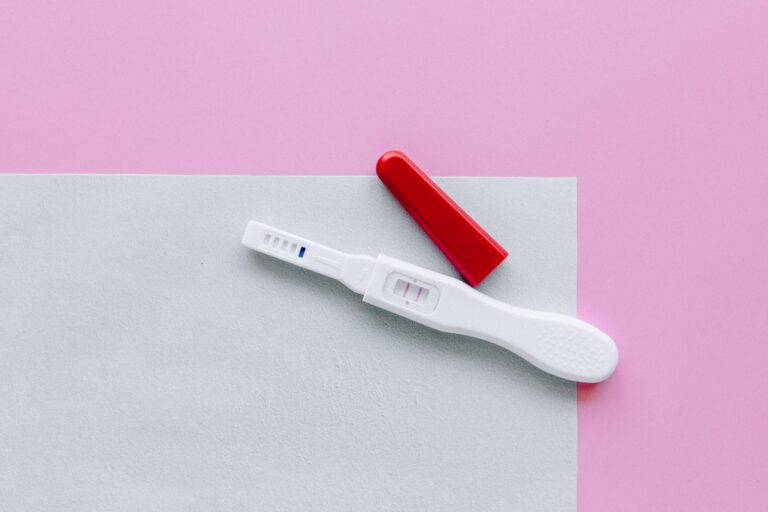
A positive OPK shows a test line that is as dark or darker than the control line. Some kits are digital and simply display a smiley face or "LH surge detected" message. Once you see a positive, ovulation is likely to occur within the next 24 to 48 hours. After seeing a positive, you can stop testing for that cycle.
OPKs are accurate for predicting the LH surge, but they do not confirm whether ovulation actually occurred. Occasionally, a person can have an LH surge without ovulating, a condition called LUF (luteinized unruptured follicle). This is rare, but it is a limitation to be aware of. Additionally, conditions like PCOS can cause multiple LH surges or persistently high LH levels, making it difficult to identify the true ovulation surge.
Cost varies by brand and whether you buy in bulk. For regular use tracking, buying test strips in bulk is typically more economical than purchasing individual kits. Many people combine OPKs with other methods—cervical mucus observation and temperature tracking—to confirm that ovulation is occurring and to identify their exact fertile window with more precision.
Using Apps and Fertility Trackers
Ovulation tracking apps combine calendar calculation, user input about cycle length and symptoms, and sometimes integration with wearable devices to estimate your fertile window. These apps range from free basic versions to paid subscription models with added features. They offer convenience, automatic calculations, and the ability to store historical data, but their accuracy depends on how regular your cycles are and how consistently you use them.
Most apps ask you to enter the first day of your period and your typical cycle length. From this information, they calculate an estimated ovulation date and fertile window. More sophisticated apps allow you to log additional symptoms—cervical mucus consistency, basal body temperature, mood changes, or OPK results—and adjust predictions accordingly. Some apps use machine-learning algorithms that improve their predictions as they gather more data about your personal cycle pattern.
Wearable-integrated apps can track basal body temperature automatically if you use a smart thermometer or a specialized wearable device designed for BBT tracking. These devices record your temperature continuously or at specific intervals and send the data to the app, reducing the manual entry required. Wearable devices designed for cycle tracking also sometimes track wrist skin temperature or other physiological markers, though independent validation of these additional markers is limited.
The accuracy of app-based predictions depends heavily on cycle consistency and honest data entry. An app cannot make accurate predictions if your cycles vary significantly or if you skip entering data regularly. Apps that rely solely on calendar calculation have the same limitations as the manual calendar method—they are less useful for irregular cycles. Apps that allow you to enter symptom data are more flexible and can adapt to individual variation.
Privacy and data security are important considerations when using digital tracking apps. Cycle data is personal health information, and some apps share data with third parties, use it for research, or retain it even after you delete the app. Before choosing an app, review its privacy policy and data-sharing practices. Free apps typically monetize through advertising or data sales; paid apps may have stricter privacy policies.
Apps are most useful as a supplement to other tracking methods rather than as a standalone solution. Combining app-predicted fertile window with OPK results or cervical mucus observation gives you more confidence in your predictions than relying on any single method alone. Some people use apps primarily for record-keeping and date organization rather than prediction.
Medical Ovulation Tracking and Ultrasound Monitoring
If you have irregular cycles, are concerned about whether you are ovulating at all, or have been trying to conceive without success, your healthcare provider can use medical imaging and blood tests to track ovulation directly. Transvaginal ultrasound, the most accurate medical method, allows your doctor to visualize the developing follicles in your ovaries and confirm when ovulation occurs.
This level of precision is not necessary for most people but is valuable when medical concerns require it. Transvaginal ultrasound uses a small probe inserted into the vagina to get a clear view of the ovaries and the follicles developing within them. Starting around day 7 to 10 of your cycle, serial ultrasounds can track how large the follicles are growing.
When a follicle reaches about 18 to 22 millimeters in diameter, ovulation is likely to occur within 24 to 48 hours. Some providers may perform multiple ultrasounds to monitor progression or confirm that ovulation has occurred. Blood tests measuring progesterone levels are used to confirm that ovulation occurred after the fact. A blood test performed about a week after expected ovulation (typically around day 21 of a 28-day cycle) should show elevated progesterone if ovulation has occurred.
This is not a way to predict ovulation in advance, but it can confirm whether ovulation happened in a past cycle and assess the adequacy of the luteal phase for pregnancy. LH and FSH blood tests can be ordered to assess your hormonal patterns and investigate why ovulation might not be occurring regularly. These tests are usually drawn on specific days of your cycle and can reveal whether your pituitary gland is sending the right signals to your ovaries.
These tests are typically ordered when there is a concern about ovulation disorders rather than for routine cycle tracking. Medical monitoring is most helpful when you have been trying to conceive for a year without success (or six months if you are over 35), when your cycles are irregular or absent, or when you have a known hormonal or reproductive condition.
It provides concrete information about whether ovulation is happening, whether the follicles are developing appropriately, and whether the hormonal environment supports fertility. Some fertility clinics use monitoring as part of fertility treatment, coordinating timing for intercourse, intrauterine insemination, or egg retrieval during assisted reproductive procedures. Even if you are not pursuing fertility treatment, medical monitoring can answer the question of whether your cycles are actually ovulatory or whether another issue is preventing pregnancy.
Factors That Disrupt or Alter Ovulation Timing
Stress, illness, travel, changes in sleep patterns, extreme exercise, and significant weight changes can all delay, advance, or even prevent ovulation in a given cycle. These factors work through your nervous system and hormones to affect the delicate timing of your cycle. Understanding that ovulation timing can shift helps explain why predicted fertile windows sometimes seem off.
Psychological stress activates your sympathetic nervous system (the "fight or flight" response) and can suppress the hormonal signals needed for ovulation. Chronic stress, major life events, or even acute stress in a single cycle can delay ovulation by several days or a week. After the stressful period passes, ovulation typically returns to normal timing, though the delay means your period will also be delayed.
Illness, particularly fever or significant infections, can disrupt ovulation timing. If you are acutely ill in the days leading up to expected ovulation, ovulation may be delayed. Travel across multiple time zones can affect your basal body temperature readings and your perception of timing, even if it does not directly affect when ovulation occurs. The temperature changes from travel can create noise in your BBT chart.
Extreme or sudden changes in exercise intensity or duration can affect ovulation, particularly if you engage in intense training several hours per day or reduce calorie intake. This is especially true if your body fat percentage drops very low, as reproductive hormones require a minimum amount of body fat to function normally. Conversely, sudden weight gain can also shift timing, though the effect varies person to person.
Medications, including some antidepressants, antipsychotics, and medications for other conditions, can affect ovulation or the timing of your cycle. If you start a new medication and notice cycle changes, this could be related. Your healthcare provider can help determine whether a medication is affecting your ovulation and whether alternatives are available. Thyroid disorders, both overactive and underactive thyroid, can disrupt ovulation or cause irregular cycles.
PCOS (polycystic ovary syndrome) can cause irregular ovulation or absent ovulation entirely. Hormonal birth control, when used, completely suppresses ovulation; after stopping hormonal contraception, ovulation may not return to its pre-contraception pattern immediately—some people experience a delay of several months. Caffeine and alcohol do not prevent ovulation, but extreme consumption might affect timing or cycle length. Age also matters: as you approach perimenopause (usually in your 40s), ovulation becomes less predictable as hormone levels fluctuate more widely.
When Ovulation Calculation Is Not Working
If you have tracked your cycle for several months and cannot identify a clear pattern, or if your cycles consistently vary by more than five days in length, your ovulation timing may be too unpredictable for calculation-based methods to be reliable. This does not mean something is wrong with you—many people have naturally variable cycles.
It does mean you need a different approach or professional evaluation. If you have been trying to conceive for a year (or six months if you are over 35) without success, irregular cycles may be one reason to see your healthcare provider. A doctor can run blood tests to check your thyroid function and hormone levels, perform an ultrasound to assess your ovaries, and ask questions about your cycle history that might reveal an underlying condition.
Conditions like PCOS, thyroid disease, and others can affect ovulation and fertility. Similarly, if your cycles have suddenly become irregular when they were previously consistent, or if your cycle length has shifted significantly from your normal pattern, this warrants a conversation with your doctor. Sudden changes can indicate hormonal shifts, stress, illness, or the beginning of perimenopause, and a medical evaluation can help identify the cause.
If you are using ovulation prediction methods and consistently not finding a positive OPK result, or if you track basal body temperature and never see a sustained temperature rise, this might indicate that ovulation is not occurring in some or all of your cycles. This is called anovulation and is worth discussing with a healthcare provider.
It is treatable in many cases, particularly if an underlying condition like PCOS is present. For people with diagnosed conditions like PCOS, endometriosis, or hormonal imbalances, ovulation calculation methods might not work reliably because ovulation is unpredictable or absent. In these cases, medical monitoring, fertility medications, or specialist evaluation may be necessary. Do not assume that because standard tracking methods do not seem to work that conception is impossible—treatment options exist for most conditions that affect ovulation.
If you are tracking and consistently getting results that seem too good to be true—like a very long fertile window or unclear signals—double-check that you are tracking correctly. Misinterpreting cervical mucus, taking temperatures at inconsistent times, or starting OPK testing too early or late can all create confusing patterns. Review your tracking method with a healthcare provider or fertility specialist if you are unsure.
Myths and Misconceptions About Ovulation
A common myth is that you ovulate on day 14 of your cycle without exception. In reality, ovulation on day 14 is an average, not a universal rule. Ovulation can occur anywhere from day 8 to day 25 in a cycle of varying lengths, and even in people with consistent cycle lengths, ovulation can vary by several days from month to month.
Relying on day 14 as a fixed date is one of the least reliable ways to identify your personal fertile window. Another myth is that you can have sex at any time during your cycle without risking pregnancy as long as you avoid the predicted ovulation day. This underestimates the lifespan of sperm. Sperm can survive up to five days in the reproductive tract, so having sex five days before ovulation carries pregnancy risk.
Additionally, if your ovulation is earlier than predicted, you could have been fertile days earlier than you thought. Some people believe that every person has a 28-day cycle, and that cycles shorter or longer than 28 days are abnormal. Cycles of 21 to 35 days are completely normal and healthy. A cycle of 23 days or 32 days does not indicate a problem.
What matters is consistency over time and whether you are experiencing other symptoms that concern you. A myth exists that you cannot get pregnant the day after your period ends because ovulation is too far away. This is false for people with shorter cycles. If your cycle is 21 days, ovulation might occur around day 7, which means you can be fertile just a few days after your period ends.
Short cycles require earlier ovulation. Some believe that ovulation always causes symptoms—cramping, breast tenderness, or mood changes. Many people ovulate without feeling any obvious symptoms at all. The absence of symptoms does not mean you are not ovulating. Conversely, cycle symptoms do not always correspond to ovulation; people sometimes experience ovulation pain on days other than the actual ovulation day due to other cycle-related hormone changes.
Another misconception is that if ovulation calculation predicts a certain fertile window, that window is definitely accurate for that specific person on that specific cycle. Prediction is not certainty. Ovulation can shift due to the factors described in Section 8, and no calculation method is 100% accurate for everyone. Combining methods reduces error, but does not eliminate it entirely.
Some believe that once ovulation occurs, pregnancy is guaranteed if sperm are present. Having unprotected sex during the fertile window carries risk of pregnancy, but it does not guarantee it. Numerous factors affect whether a pregnancy is established—the health of the egg, the health of the sperm, uterine receptivity, and factors not fully understood. A pregnancy rate of about 20% per cycle for fertile couples trying to conceive is typical, even with perfectly timed intercourse.
Frequently Asked Questions
How many days after ovulation can you get pregnant?
Pregnancy can only occur if sperm fertilize the egg within 12 to 24 hours after ovulation. However, sperm can be present in your reproductive tract for up to five days before ovulation, so the fertile window extends five days before ovulation through the day of ovulation itself.
What if my cycles are always different lengths?
Highly variable cycles make calculation-based methods less reliable. Consider using methods that detect ovulation directly, like ovulation predictor kits or basal body temperature charting, combined with cervical mucus observation. If cycles vary by more than five to seven days regularly, discuss this with your healthcare provider.
Is basal body temperature accurate for predicting ovulation?
BBT can confirm ovulation after it occurs, but it cannot predict it before it happens. The temperature rise appears after ovulation has already taken place, so you need to combine it with other methods like cervical mucus or OPK testing to identify the fertile window in advance.
Can you ovulate without a typical LH surge?
Most ovulatory cycles include an LH surge that can be detected with OPKs. However, some people have shorter or less obvious surges, making them harder to detect. PCOS can cause multiple surges or persistently elevated LH, complicating OPK interpretation.
Does ovulation happen at the same time every month?
Not necessarily. While some people have consistent ovulation timing, many people's ovulation date can vary by several days between cycles. Stress, illness, travel, exercise, and other factors can shift when ovulation occurs relative to the start of your cycle.
If I have not gotten a positive OPK, does that mean I did not ovulate?
Not definitely. A negative OPK might mean ovulation has not occurred yet, or it could mean you tested at the wrong time, had a surge too subtle to detect, or have a condition like PCOS causing an atypical LH pattern. If you consistently do not detect an LH surge, ask your healthcare provider about other causes.