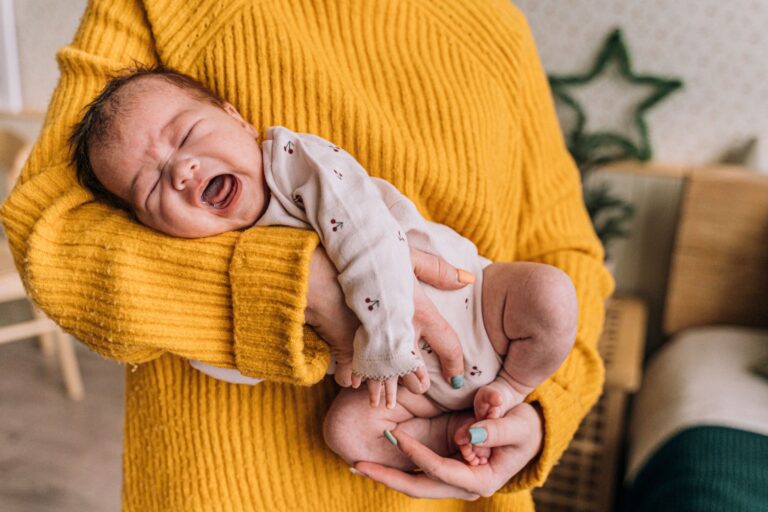
A baby registry doesn't need to be exhaustive or expensive to work well. Focus on items that solve real problems for the first weeks after birth—safe sleep, feeding, diaper changes, and basic clothing—and skip the gadgets marketed as must-haves that most parents end up not using. Many new parents overthink registries because the sheer volume of products available makes it feel like everything matters equally, but newborns actually have simple, repeating needs: they sleep, eat, need diaper changes, and grow quickly.
Your registry is a communication tool, not a shopping list for yourself. It tells people what genuinely helps instead of leaving them guessing, and it saves you money by discouraging duplicates and impulse gifts you didn't ask for. The best registries reflect your actual space, your preferences, and honest predictions about how you'll parent—not Pinterest boards or what worked for someone else.
Table of Contents
- Sleep Setup—The One Area Worth Getting Right
- Feeding Setup—Bottles, Supplies, and Realistic Prep
- Diapering and Bath Essentials Without Excess
- Clothing—Size Up and Assume Fast Growth
- Gear You'll Actually Use Every Day
- What You Can Buy Later and Don't Need Now
- Safety Essentials That Prevent Real Problems
- Budget Priorities When You Can't Buy Everything
- Where to Register and Managing the Experience
- The Registry You'll Actually Use Versus the One That Sits Unopened
- Frequently Asked Questions
Sleep Setup—The One Area Worth Getting Right
Safe sleep is the one registry category where the details matter for your baby's safety. Every newborn needs a secure sleeping surface within arm's reach for nighttime feeding: a bassinet, play yard with a bassinet feature, or crib in your room. The American Academy of Pediatrics recommends room-sharing without bed-sharing for at least the first six months.
A bassinet costs more upfront but takes up less space and keeps your baby closer during frequent night feeds. A play yard with a bassinet attachment costs less and works well if space is tight. A standard crib works too, but it's farther from your bed and you'll want something for the first weeks. Don't register for co-sleepers that attach to the bed—they're convenient but have safety questions, and they're often a low priority for gift-givers.
Fitted sheets for your chosen surface are essential; register for two to four so you always have one clean. A waterproof mattress protector under the sheet prevents damage from accidents and spit-up. Skip the decorative bumpers, pillows, blankets, and positioners—they increase suffocation risk and aren't necessary. A white noise machine helps newborns sleep through household sounds and is genuinely useful for months.
A blackout curtain or shade for the bedroom helps darken the room for daytime naps and, later, for sleep training. Neither is essential on day one, but both are worth having within the first month. A reliable thermometer matters because knowing your baby's temperature quickly can help you decide whether to call a clinician. A forehead or ear thermometer works, though rectal thermometers are still the most accurate for newborns if you need precision.
Register for one that doesn't require contact with your baby if you prefer—those feel less intrusive at 2 a.m. A swaddle wrap or sleep sack gives a newborn security and reduces the startle reflex that wakes them constantly. Velcro swaddles are easier than muslin wraps for exhausted parents at 3 a.m. Register for two sizes because babies grow quickly; many come in newborn and 0–3 month sizes. Transition to a sleep sack by four to six months as babies start to roll.
Feeding Setup—Bottles, Supplies, and Realistic Prep
If you plan to bottle-feed or pump, register for bottles, bottle brushes, and a sterilizer. You'll use roughly 8–10 bottles, though the exact number depends on how often you wash them. Different babies prefer different nipple shapes and flow rates, so registering for a few styles from different brands lets you test what your baby takes well.
A bottle warmer isn't essential—a cup of warm water works—but many parents find one convenient for nighttime feeds when you're groggy. Bottle drying racks save counter space and organize bottles in one spot. A good bottle brush with a nipple cleaner attachment prevents milk buildup that regular dishwashers don't remove completely.
If you're pumping, register for pump parts that fit your specific pump, replacement valve kits, and bottles designed to connect directly to the pump. If you plan to pump while working or away from home, add a backup power bank or car adapter. Nursing pads prevent leaking through clothes and save frequent outfit changes; register for a set of reusable ones that you can wash.
For breastfeeding, a nursing pillow helps position a baby correctly during early feeds when your arms tire quickly. Nursing bras that open with one hand make frequent feeding less disruptive to your clothes and sanity. Lanolin or nipple cream is helpful in the first weeks when nipples adjust; most parents find a small container lasts the entire nursing phase.
A small sterilizer handles bottles, pump parts, and pacifiers in one batch without cluttering your kitchen. Registering for one takes pressure off boiling everything multiple times a day when you're exhausted. If you use an electric sterilizer, set it aside for the first three to four weeks when babies are most vulnerable to infection. Burp cloths are cheap and useful—register for a few.
Bibs prevent outfit changes from frequent spit-up in the early weeks. Burp cloths do both jobs and you'll use them for months. Most families use far more than they expect.
Diapering and Bath Essentials Without Excess
You'll change 8–12 diapers daily for the first few months, so have diaper storage near your changing stations. A diaper pail isn't essential, but it keeps odor and flies contained if your nursery isn't near a bathroom. Sealed trash bags work, but a dedicated pail is easier during sleep-deprived weeks.
A changing pad on top of a dresser or dedicated changing table keeps diaper changes at a comfortable height for your back. A standalone changing table takes up more space but may be worth it if your bedroom and living areas are far apart. A simple foam changing pad atop a dresser costs less and works just as well if you don't have room.
Wipes and diaper cream are personal—some babies need sensitive-skin wipes, others need fragrance-free cream. Register for small quantities of a few options so you can test what works for your baby's skin. Many parents waste money buying the "wrong" brand in bulk before they know their baby's needs. A wet bag or small container holds soiled clothes and diapers when you're away from home, keeping smells and moisture off other items in your diaper bag.
It saves laundry from sitting in a backpack for hours. One is enough unless you're out constantly. A baby bathtub sized for newborns is easier than using your own bathtub when your baby is tiny and slippery with soap. Most fit in a regular sink or can be placed on a counter. A small hooded towel keeps a freshly bathed baby warm; register for two so one is always dry.
Bath time supplies are minimal—mild baby wash, soft washcloths, and a thermometer that floats in the tub to check water temperature before you put your baby in. Most parents use only a small amount of wash, so a large bottle lasts months. A rubber duckie serves no purpose; skip novelty items. Nail clippers designed for babies are worth registering for because newborn nails are thin and you'll trim them frequently to prevent scratching.
A nail file is a gentler alternative if you're nervous about clippers. Both fit in a diaper bag easily and cost very little.
Clothing—Size Up and Assume Fast Growth
Newborn-size clothing is cute but most babies wear it for two to four weeks before outgrowing it. Register for some newborn items because many gifts will arrive in this size, but focus your registrations on 0–3 month and 3–6 month sizes. A baby who weighs seven pounds at birth can weigh nine pounds at two weeks.
You'll need approximately 7–10 short-sleeved onesies and 7–10 long-sleeved ones depending on your climate. Onesies layer easily under other clothes and you'll do laundry frequently because babies spit up, sweat, and leak through diapers. Skip character themes and novelty prints; they're fun in photos but your baby won't care. Sleepers that zip or snap from neck to toe are easier than separate pants and shirts at night when you're fumbling in darkness and changing a diaper.
Register for 5–7 in different sizes since babies grow quickly. A baby in a sleeper is also less likely to kick off blankets and overheat during sleep. Swaddle wraps and sleep sacks (already mentioned for sleep) double as clothing, so don't register for excessive sleepwear separately. One or two pairs of daytime pants in each size is enough; most time at home, your baby will wear just a diaper and onesie because it's easier and they overheat easily.
Socks and mittens get lost constantly so register for multipacks. Mittens prevent newborns from scratching their own faces with sharp nails. Socks prevent tiny feet from getting cold on hard floors. Buy more than you think you'll need because losing single socks happens to everyone. A few cardigans or lightweight jackets layer over onesies for trips outside without overheating your baby indoors.
Register for one in each size since growth happens fast. A travel blanket rated safe for sleep (like a muslin wrap) works for strollers and car seats without introducing loose blankets near your baby's face. Avoid shoes—babies don't need them and they come off constantly. Booties or socks work instead. Skip hats and mittens in novelty sets; register only for practical ones you'll actually use. Avoid excess clothing in sizes beyond 3–6 months because you can buy them later and your baby's preferences for fit and style become clearer as they grow.
Gear You'll Actually Use Every Day
A stroller is essential if you leave the house regularly, and you'll use it more than any other item for the first year. Choose based on whether you use public transit, have stairs, need to fit it in a car, or prefer jogging capability. Register for one stroller that fits your actual life, not one that does everything.
Many families discover their "perfect" stroller doesn't work for them after week two. A car seat is legally required and non-negotiable. Register for one that fits your car and your habits—rear-facing only (infant carrier) for the first year, or a convertible seat that rear-faces longer. The most expensive seat isn't always the best fit for your vehicle or your baby.
Check your car's manual for compatibility before registering. A diaper bag is useful only if you'll actually use it, but if you leave home regularly, a structured bag keeps supplies organized and accessible. A backpack-style diaper bag keeps your hands free if you're also managing a stroller. Skip a bag altogether if you stay home most of the time.
A baby carrier for hands-free carrying is genuinely useful when you need to keep your baby close while cooking, cleaning, or managing older children. Soft carriers work well for the first six months; structured carriers become comfortable around three to four months. Test how a carrier feels before registering because some parents find them uncomfortable.
A pack-and-play (play yard) serves double duty as a sleep space when traveling and as a safe place to set your baby down while you shower or use the bathroom at home. Register for one even if you have a crib; it's genuinely useful for flexibility. Skip the expensive versions with built-in bassinets unless you specifically need that feature.
A bouncer or swing gives you a safe place to set your baby down when your arms are tired. Your baby doesn't need both—choose one based on your space and your baby's response. Some babies love motion; others don't care. This is a "nice to have" rather than essential, so consider skipping it if space or budget is tight.
What You Can Buy Later and Don't Need Now
Toys aren't necessary for newborns who eat, sleep, and cry. A black-and-white visual card or a simple rattle entertains newborns more than complex toys. Skip the toy registry entirely and buy items as your baby reaches developmental stages. You'll know better what your baby enjoys by three months. Books are wonderful but you can borrow them from the library for free.
Register for one or two sturdy board books if you want to, but building a baby library over time saves money and gives your baby variety. Most parents end up with far more books than they use. A humidifier helps if your baby gets congested, but you can buy one when you need it. Registering for one now assumes your baby will have congestion problems you can't yet predict.
Wait and add one to your shopping list if your baby has difficulty breathing at night. Wipe warmers are a luxury item that never made the list of things parents actually miss if they don't have one. A cold wipe isn't harmful and your baby adjusts in seconds. Skip it and use the money for something useful.
A video baby monitor is convenient if you have a large house or can't hear your baby from another room, but a basic audio monitor costs less and works fine for the first year. Add video capability later if you find you need it. Don't register for the most expensive option hoping it's "better." A white noise machine can be added once your baby is actually home and you can assess whether your space is noisy.
The app on your phone works in a pinch during the first weeks. This isn't urgent. A night light prevents you from turning on bright overhead lights during nighttime feeds. A simple, dim red bulb works; skip the expensive smart versions. Buy one after you bring your baby home and see your actual nighttime routine.
Safety Essentials That Prevent Real Problems
A baby safety kit containing outlet covers, cabinet locks, and door locks becomes relevant around three to four months when babies start moving independently. Registering for these now means you don't have to buy them in a panic later. Focus on items for the spaces where your baby will spend the most time. A video monitor with good night vision lets you see your baby without entering the room, which reduces the startle of sudden movement that wakes newborns.
Models vary widely in quality and price. A basic monitor is often good enough; you don't need the most expensive option. A door frame pull-up bar mounts in a doorway and serves no purpose for a newborn but becomes useful at seven to eight months as babies learn to pull up. This is a later purchase, not something to register for now.
A stair gate isn't needed until your baby crawls or cruises, usually around six to nine months. Registering for it now assumes your baby will reach that stage and that you have stairs. This is a "buy when you need it" item. A thermometer that reads quickly and accurately helps you assess fever without taking your baby's temperature rectally every time.
An ear or forehead thermometer works for most situations. Register for one type that you feel confident using. A bathtub thermometer prevents accidentally scalding your baby with water that feels warm to your adult hand but is dangerously hot to newborn skin. This is cheap and worth registering for to use at the very first bath.
First-aid supplies become relevant as your baby grows and bumps into things, but for now, a few pain-relief options for teething and fever (discussed with your pediatrician at the first visit) are worth having on hand. Don't buy medication without specific guidance from your clinician.
Budget Priorities When You Can't Buy Everything
If your budget is limited, prioritize sleep safety (safe sleep surface, sheets, mattress protector) because your baby spends one-third of every day sleeping and safety matters most there. Spend money on items your baby uses every single day: diapers, wipes, onesies, feeding supplies. Skip luxury items and decorative versions of necessities. A basic changing pad and dresser beats an expensive standalone changing table that takes up space but isn't essential.
A simple swing is enough if you need motion; the deluxe rocker costs more and serves the same purpose. Choose based on your actual needs, not the marketing materials. Register for basics in multiple sizes rather than expensive items in one size. A baby growing through sizes quickly means you'll use different-sized sleep sacks, onesies, and sleepers constantly.
One expensive dresser with limited storage isn't as useful as multiple sets of cheap clothing in different sizes. Buy used safely. A crib, changing table, and stroller can all be purchased secondhand if you check that the model hasn't been recalled and that all parts function. Car seats should never be bought used because you can't verify they haven't been in a crash.
Bedding and clothing are fine used if they're in good condition. Borrowing works too. Ask friends with older babies if you can borrow items you only need for a few weeks, like a bassinet, infant car seat, or newborn clothes. Most parents with older children are happy to help and you save money by using items temporarily.
Accept hand-me-downs but only for things you actually want. Declining offers doesn't hurt anyone's feelings; most people understand that space and preference matter. Store hand-me-downs you're not using immediately instead of displaying them if they're not your style.
Where to Register and Managing the Experience
Most stores offer free registration and some give you a discount on items you don't receive as gifts. Register on a platform where the actual products are easy to search by category and where your friends and family find registries intuitively. The store matters less than the platform you choose. Use filtering options to hide items you're not interested in—luxury versions, character themes, or things you've ruled out.
A clean, focused registry helps gift-givers navigate without being overwhelmed. Remove items as you buy them so people don't duplicate purchases. Update your registry regularly if circumstances change—you have a smaller space than expected, you decide not to bottle-feed, you inherit baby gear from a friend. Keeping your registry current shows respect for people trying to choose appropriate gifts.
Set your registry to private if you're uncomfortable with strangers seeing it. You can share the link directly with people you tell. This prevents distant acquaintances from feeling obligated to buy gifts. Review registries from other parents and friends, but remember that what worked for them might not work for you. Every baby and every family is different.
Use other registries for inspiration but register for items that match your actual life. Complete your registry before the third trimester so gifts arrive before your due date. Items ordered close to your due date might not arrive in time, and you'll need basics ready before you bring your baby home.
The Registry You'll Actually Use Versus the One That Sits Unopened
The best registry reflects your space, your lifestyle, and your honest predictions about parenting. If you live in a small apartment, don't register for oversized gear you won't fit. If you work full-time, register for feeding items that match your routine. If you're a second-time parent, you already know what actually gets used. Don't register for items you feel pressured to add because they're "supposed to be" on a baby registry.
Some babies use pacifiers, others don't. Some families use bassinet attachment devices, others skip them. Your registry should represent your family's actual choices, not an imaginary "right" way. Guilt-free "no thank you" items matter too. Before anyone gives you gifts, decide in advance what you absolutely will not accept. If you're not comfortable with pacifiers, say so.
If you don't want hand-me-downs beyond a certain age, state that clearly. This prevents awkward conversations later. The items that matter most are the ones you'll use daily during the first weeks: safe sleep space, feeding supplies, diapers, wipes, and basic clothing. Everything else is convenience or flexibility. Focus your energy there and you'll end up with a useful registry that serves your family.
Resist the urge to register for "luxury" versions of practical items. Your baby won't know if the wipe warmer is expensive or if the diaper pail is fancy. Save that money for things that actually improve your daily life, like a good nursing pillow or a stroller that fits your lifestyle. After your baby arrives, you'll discover things you never expected to need and things you registered for that gather dust.
That's normal and universal. The goal of a registry isn't perfection; it's communication with the people who want to help you prepare. A simple, honest registry does exactly that.
- —
Frequently Asked Questions
Do I need to register for every category?
No. Register only for categories relevant to how you'll parent and where you'll spend money anyway. Skip categories that don't match your plan: if you're exclusively bottle-feeding, you don't need breastfeeding items. If you won't leave the house much, skip the expensive diaper bag.
How many onesies and sleepers does my baby actually need?
Plan for 7–10 of each style. Newborns change clothes constantly due to spit-up, diaper leaks, and sweating. You'll do laundry every two to three days, so you need enough to go between washes. Growth happens fast, so register for multiple sizes rather than stockpiling one size.
Is a bassinet worth the expense, or should I just use a crib?
Both work, but a bassinet keeps your baby within arm's reach for nighttime feeds during the first weeks when you're exhausted and frequent feeding is normal. A crib works too, but you'll get less sleep if your baby is across the room and you're stumbling there every two hours. Choose based on your room layout and your comfort level, not price.
Should I register for a fancy monitor or is basic audio enough?
A basic audio monitor works fine for the first year and costs less. Add video capability later if you find you need it—some parents use video monitors constantly, others never turn them on. You can't predict your needs before your baby arrives, so start simple and upgrade if needed.
What baby gear do I actually regret buying?
Parents most often regret buying one expensive version of a practical item (like a deluxe swing) when a basic model would have worked. They also regret registering for things based on peer pressure rather than actual need. Buy what you'll use, not what you're "supposed to" have.
Is a white noise machine necessary or just convenient?
It's convenient but not necessary. Some babies sleep fine through household noise; others startle constantly and sleep better with white noise. You won't know until your baby arrives. Add one in week two if your baby needs it instead of registering for one now.