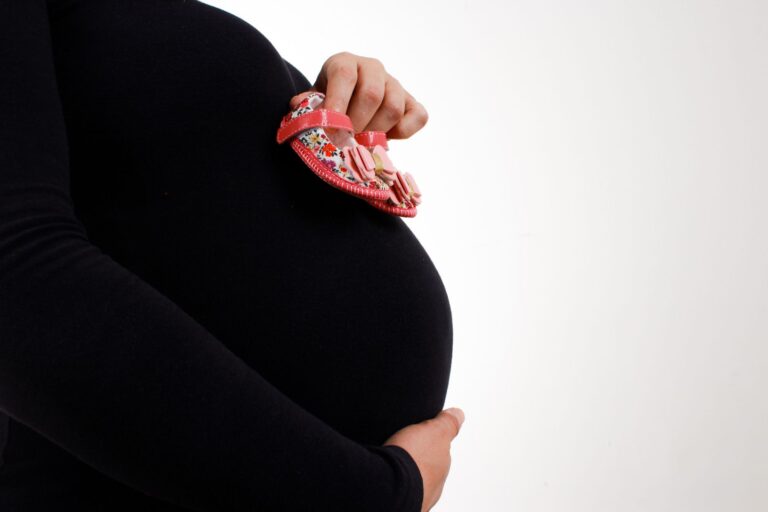
Powdered infant formula is not sterile and can contain Cronobacter bacteria, which causes life-threatening infections in newborns—but proper preparation and storage eliminate this risk entirely. The two essential rules are mixing formula with water heated to at least 70°C (158°F) and using prepared bottles within 2 hours at room temperature or 24 hours in the refrigerator. This article explains exactly how to handle formula safely at every stage, from opening the container through feeding your baby.
Preparing infant formula correctly takes minutes and becomes routine quickly. The steps prevent bacterial contamination without requiring special equipment or expensive supplies. This guide covers the specific temperatures, timing, storage locations, and practices that protect your baby, drawn from guidance by the CDC and FDA.
Table of Contents
- Why Powdered Formula Needs Hot Water
- The Boiling and Cooling Process
- Testing Temperature Before Feeding
- How Long Prepared Formula Lasts at Room Temperature
- Refrigerator Storage and the 24-Hour Rule
- Storage of Unopened Powder Formula
- Sterilizing Bottles and Preparing Equipment
- Recognizing When Formula Has Been Used Safely
- Preparing Formula Away From Home
- When to Contact Your Pediatrician
- Frequently Asked Questions
Why Powdered Formula Needs Hot Water
Powdered infant formula is manufactured without sterilization, which means it frequently contains Cronobacter bacteria. This bacterium causes sepsis and meningitis in newborns and preterm infants, particularly in the first weeks of life. According to research on Cronobacter in infant formula, mortality rates from Cronobacter infection reach 80% in some cases, making prevention critical. Hot water kills Cronobacter on contact when the water reaches the right temperature.
The CDC recommends boiling water and then waiting about 5 minutes before mixing formula, ensuring water reaches at least 70°C (158°F) to instantaneously inactivate the bacteria. This single step makes the formula safe to feed immediately or store for later use. Liquid (ready-to-feed) infant formula, by contrast, is already sterile and requires no special preparation—you open, pour, and feed.
If you use powdered formula, the hot water step is non-negotiable, not optional. It is the only reliable way to eliminate Cronobacter at home. The risk is highest for babies under 2 months old and preterm infants, but all newborns can be affected. Even a baby born full-term and healthy can develop a Cronobacter infection from improperly prepared formula.
One infection case is preventable, so the precaution applies to every bottle you make. Cold water, even very cold water, does not kill Cronobacter. Room-temperature water, tap water from any source, and bottled water that was not boiled all pose the same risk. Only boiling and the 70°C threshold provide the heat needed to eliminate the bacteria reliably.
The Boiling and Cooling Process
start by boiling water in a clean pot or electric kettle—use water from a safe source as defined by your local health department. Let the water boil for at least one minute. After boiling, allow the water to cool to approximately 70°C (158°F) before mixing with powdered formula.
This waiting period, roughly 5 minutes depending on the volume, is when the bacteria are eliminated. You do not need a thermometer to measure 70°C precisely in daily practice. A reliable shortcut is to boil water and wait about 5 minutes before use. The water will feel hot but not so hot that you cannot hold your hand near the steam.
If you prefer to use a thermometer, aim for 70°C or higher and you are in the safe range. Once the water has cooled to the target temperature, measure the powdered formula according to the package instructions—typically one scoop of powder per 2 fluid ounces of water, though this varies by brand. Stir or shake the bottle gently until the powder dissolves completely.
Do not use a blender or vigorous shaking, as this introduces air and foam that can cause gas and spit-up. After mixing, the formula itself will be slightly cooler than the water you added—typically 57–60°C—because the powder and bottle absorb some heat. This temperature is warm but safe to feed immediately. You do not need to cool the formula further before offering it to your baby.
If you prefer to prepare formula in advance and store it refrigerated, you can follow the same process and then immediately place the bottle in the refrigerator. The cooling water step still applies; prepare with hot water even if you plan to refrigerate the bottle right away.
Testing Temperature Before Feeding
Before you feed your baby, test the formula temperature by placing a few drops on the inside of your wrist. The formula should feel warm, not hot. This simple test prevents mouth burns and also gives you confidence that the bottle is safe to feed. A bottle that feels hot to your wrist is too hot for your baby's mouth.
Most prepared formula reaches only 57–60°C even when mixed with 70°C water, so it typically cools quickly and is ready to feed within a few minutes of preparation. If you prepared a bottle an hour ago and it has been sitting on the counter, it will be room temperature and safe to feed without additional heating.
You can warm it again using warm water—never a microwave, which creates dangerous hot spots. If you warm a prepared bottle using warm water (not boiling), place the bottle in a container of warm water for a few minutes and then test the temperature again on your wrist. This method warms the bottle evenly. Never use a microwave to warm infant formula, as it heats unevenly and can create pockets of extremely hot liquid that burn your baby's mouth or throat.
Do not use a bottle warmer unless you monitor the temperature yourself afterward. Some bottle warmers do not heat to the correct temperature or heat unevenly. The wrist test is your final safety check before every feed, regardless of how the bottle was warmed. If a bottle has been prepared and stored in the refrigerator, you can use it cold—many babies drink cold formula without any problems.
You do not have to warm it. If you choose to warm it, follow the warm-water method described above and test the temperature on your wrist before feeding.
How Long Prepared Formula Lasts at Room Temperature
Prepared formula left at room temperature (68–72°F) lasts only 2 hours before bacteria begin to multiply rapidly. According to the CDC, you must use the formula within 2 hours of preparation and within 1 hour from when your baby starts feeding from that bottle. The 1-hour window after feeding begins is critical.
Once your baby's mouth touches the nipple, saliva enters the bottle. That saliva contains bacteria, and the combination of formula and saliva creates an ideal environment for bacterial growth. Even if your baby does not finish the bottle, you must discard any remaining formula after 1 hour of feeding. Never return a partially used bottle to the counter for later use, even if only 10 minutes have passed.
Bacteria grow invisibly, and leftover formula looks, smells, and tastes normal even when it has become unsafe. The only safe choice is to discard it. If you prepare a bottle and your baby does not drink it within 2 hours, throw it away. Do not taste it to check if it is still good, and do not save it for the next feed.
Prepare a fresh bottle instead. In warm environments (above 72°F), the 2-hour window shrinks further. If you are in a warm room, on a hot day, or near a heat source, aim for 1 hour as your safe window. When in doubt, use the shorter timeline.
Refrigerator Storage and the 24-Hour Rule
Prepared formula can be stored in the refrigerator for up to 24 hours. Place the bottle in the coldest part of the refrigerator (usually the back of the middle shelf, not the door) immediately after preparation. The cold slows bacterial growth enough to extend the safe window significantly beyond the 2-hour room-temperature limit. Once you remove a bottle from the refrigerator, you have 2 hours to use it at room temperature.
If 2 hours pass and the bottle is not finished, discard the remaining formula. Do not return a partially used bottle to the refrigerator. If your baby drinks from a refrigerated bottle and does not finish it within 1 hour, discard the rest. The 1-hour window applies once feeding begins, whether the bottle was at room temperature or came straight from the refrigerator.
Many parents prepare bottles the night before or make several at once for the day ahead. This is safe and practical as long as you refrigerate immediately and use within 24 hours. Label the bottles with the date and time prepared if you are storing multiple bottles, so you do not accidentally use an older one past the 24-hour mark.
If you are unsure when a bottle was prepared, discard it. The cost of a single bottle is worth the certainty that your baby is safe.
Storage of Unopened Powder Formula
Unopened containers of powdered infant formula must be stored in a cool, dry place—not in the refrigerator, not in the freezer. Keep the containers in your pantry, kitchen cabinet, or a cool closet, with the lid tightly closed. Once opened, most powdered formulas must be used within 1 month. Heat, humidity, and temperature fluctuations degrade powdered formula.
Never store formula in a car, garage, basement, or outdoor location where the temperature or humidity changes throughout the day. Summer heat in a car can damage the formula even if the container remains unopened. Check the expiration date on the container before using it. Powdered formula past its expiration date should be discarded, even if it looks and smells normal.
The nutrients break down over time, and bacterial growth may not be visible. Once you open a container of powdered formula, write the date on the lid or the container itself. Use the formula within 1 month from that date. After 1 month, discard any remaining powder. Keep the lid tightly closed between uses to prevent moisture and air from degrading the product.
If you notice any discoloration, lumps, or off odors in unopened or opened powder, discard the entire container. These signs indicate contamination or degradation, and the formula is no longer safe.
Sterilizing Bottles and Preparing Equipment
Before using bottles and nipples for the first time, sterilize them. Boil nipples for 5 minutes in clean water and clean bottles in hot soapy water, then rinse thoroughly. Wash your hands with soap and warm water before preparing formula, and wash the top of the formula container before opening it. After the first sterilization, you can wash bottles and nipples in the dishwasher (top rack is safest) or by hand in hot soapy water after each use.
Rinse them thoroughly and allow them to air-dry. Daily washing is sufficient—you do not need to sterilize bottles every time, just after the initial sterilization. Use water from a safe source as defined by your local health department. If your tap water is not safe to drink, or if you are unsure, use bottled water or boil tap water and allow it to cool.
Do not use distilled water or water that has been sitting in an open container for more than a few hours. Before opening a new can or container of powdered formula, wipe the top with a clean, damp cloth. This removes any dust or debris that may have settled on the lid during storage or shipping.
After you open the container, wash your hands again before measuring the powder. Do not reuse bottles that have cracks, discoloration, or visible damage. Even small cracks can harbor bacteria that washing cannot remove. Replace damaged bottles with new ones.
Recognizing When Formula Has Been Used Safely
A bottle prepared fresh with boiling water and used within the safe windows is safe to feed, whether you refrigerate it or use it immediately. The key safety markers are the preparation method (boiling water), the storage location (refrigerator if not used within 2 hours), the time elapsed (within 24 hours from preparation), and the feeding window (within 2 hours of removing from the refrigerator, within 1 hour of starting to feed).
If you have any doubt about when a bottle was prepared, how long it has sat out, or whether it was made with boiling water, discard it. A single bottle is inexpensive compared to the risk of a Cronobacter infection. Parents often second-guess themselves about timing, and the safest response is to prepare a fresh bottle.
Prepared formula does not smell sour or taste off when it becomes unsafe—bacteria growth is invisible to the eye, nose, and taste buds. Never rely on appearance, smell, or taste to decide whether formula is still good. Use the timing rules only. If your baby drinks formula and shows signs of illness in the days that follow—fever, lethargy, poor feeding, or unusual fussiness—contact your pediatrician immediately.
Describe when and how the formula was prepared. Cronobacter infections progress quickly, and early medical care is essential.
Preparing Formula Away From Home
When you travel or feed away from home, bring boiling water in a thermos or prepare formula at home and carry it in an insulated bottle bag with ice packs. If you boil water at a location with safe tap water, allow it to cool to 70°C before mixing formula. If you are unsure about tap water safety, use bottled water or bring your own boiled water from home.
Pre-measured powder in small containers or individual packets makes it easy to prepare bottles on the go. Mix the powder with boiling water in a clean bottle and then let it cool. Test the temperature on your wrist before feeding your baby, just as you would at home. If you prepare a bottle at home and take it with you, use an insulated bottle bag with ice packs to keep it cold until feeding time.
If the bottle will not be used within 2 hours, refrigerate it if possible before leaving home, or bring it in a cooler with ice packs. Once you arrive at your destination, refrigerate any bottles you prepared at home within 2 hours if you have not yet used them. Never feed your baby formula that has been left in a warm diaper bag, car seat, or uninsulated bottle holder for more than 2 hours.
The warm environment speeds bacterial growth and shortens the safe window. When in doubt, prepare a fresh bottle using boiling water at your destination.
When to Contact Your Pediatrician
Contact your pediatrician immediately if your baby shows signs of infection: fever over 100.4°F (38°C), lethargy or unusual sleepiness, poor feeding or refusing bottles, unusual crying or fussiness, or a bulging soft spot on the head. These are emergency signs that require prompt medical attention, especially if they appear within the first weeks of life.
If you believe your baby may have consumed formula that was not prepared safely—if it was left at room temperature for longer than 2 hours, if you are unsure when it was prepared, or if it was made with non-boiling water—contact your pediatrician. Describe exactly what happened and when. Your doctor may recommend observation or testing based on your baby's age and the circumstances.
Cronobacter infections are rare, but they are serious. Do not hesitate to call your pediatrician if you have concerns about how formula was prepared or if your baby shows any unusual symptoms. It is always better to call and ask than to worry in silence. If you have questions about the right way to prepare formula for your baby's specific age, health status, or if your baby has a compromised immune system, ask your pediatrician or a feeding specialist. Special guidance may apply for premature infants or babies with specific health conditions.
- —
Frequently Asked Questions
Why do I have to use boiling water for powdered infant formula?
Powdered formula is not sterile and frequently contains Cronobacter bacteria, which causes life-threatening meningitis and sepsis in newborns. Hot water at 70°C (158°F) kills the bacteria instantly. Cold water, no matter how cold, cannot eliminate this risk.
Can I use water from a bottle warmer instead of boiling water?
No. Bottle warmers do not reliably reach 70°C, and even if they do, the process may not maintain that temperature long enough to kill Cronobacter. Boil water in a pot or kettle, wait about 5 minutes, then mix the formula.
How long can prepared formula sit on the counter?
Prepared formula lasts only 2 hours at room temperature. If your baby starts feeding from the bottle, it must be used or discarded within 1 hour, even if it has only been 10 minutes since preparation. Once your baby's saliva enters the bottle, bacteria grow rapidly.
Can I refrigerate prepared formula and use it the next day?
Yes. Prepared formula can stay in the refrigerator for up to 24 hours. Once you remove it from the refrigerator, you have 2 hours to use it at room temperature. If your baby starts drinking from it, you have 1 hour before you must discard any leftovers.
Do I need to sterilize bottles every time I use them?
No. Sterilize bottles and nipples the first time by boiling nipples for 5 minutes and washing bottles in hot soapy water. After that, washing in hot soapy water or the dishwasher is sufficient. Daily washing is enough—you do not need to sterilize every bottle.
What temperature should formula be when I feed my baby?
The formula should feel warm to the touch but not hot. Test a few drops on the inside of your wrist—it should feel warm, not hot. Most prepared formula is safe at 57–60°C, and it cools quickly to the right temperature.