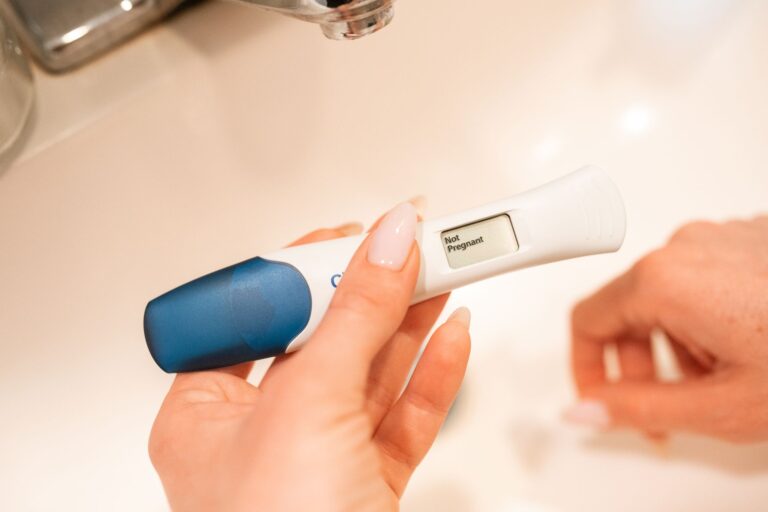
Preconception health means preparing your body before pregnancy by managing weight, taking specific vitamins, treating health conditions, and screening for infections—all to reduce risks during pregnancy and improve your baby's health. The steps you take 3–12 months before conception matter more than many people realize, because some critical developments happen in the first weeks of pregnancy, often before a positive test reveals you're pregnant.
Table of Contents
- Why Preconception Health Matters
- Starting Folic Acid Before You're Pregnant
- Getting Your Weight and BMI in the Right Range
- Building an Exercise Routine Now
- Managing Chronic Conditions Before Conception
- Reviewing All Your Medications and Supplements
- Stopping Alcohol, Tobacco, and Drug Use
- Getting Vaccinated and Screened for Infections
- Screening for Mental Health and Psychosocial Concerns
- Scheduling Your Preconception Counseling Visit
- Frequently Asked Questions
Why Preconception Health Matters
Preconception planning addresses eight major risk categories before pregnancy begins: reproductive awareness, environmental toxins, nutrition, genetics, substance use, medical conditions and medications, infectious disease and vaccination, and psychosocial concerns. This comprehensive approach reduces complications during pregnancy and birth, improves infant health, and gives you the best chance at a healthy pregnancy from the start.
A single question—"Would you like to become pregnant in the next year?"—opens these discussions with your healthcare provider. According to ACOG's preconception counseling guidance, this conversation identifies risks you may not know you have, from undiagnosed high blood pressure to untreated depression to medications that could harm a developing baby.
The goal is not to screen out anyone from pregnancy, but to optimize your health so your body is ready. The critical window for some protections starts before you're pregnant. The CDC emphasizes that major birth defects develop very early in pregnancy—often in the first weeks before you know you're pregnant. That's why starting vitamins, stopping harmful substances, and managing health conditions months in advance protects your baby from day one, not day 40.
Preconception care is most effective when done 3 to 12 months before you plan to conceive. This timeline allows time to adjust medications, reach a healthier weight, get vaccinated, and optimize control of chronic conditions. It's also realistic: making several big changes at once is harder than spacing them out. Your healthcare provider can screen for risks specific to your family history, age, ethnicity, or medical background.
Genetic risks, for example, depend on your ancestry and your partner's ancestry. Vaccination needs vary based on your job, travel, and immunity status. Medications you take for a chronic condition might need switching now—before pregnancy, not after a positive test.
Starting Folic Acid Before You're Pregnant
Folic acid is the single most important supplement you can take before pregnancy. Taking at least 400 micrograms of folic acid daily for at least one month before pregnancy and through the first 12 weeks reduces the risk of serious birth defects affecting the brain and spine, according to the CDC.
These are neural tube defects—conditions like spina bifida and anencephaly that develop in the first 28 days after conception, often before you know you're pregnant. That 28-day window is why timing matters. The neural tube—which becomes the baby's brain and spinal cord—closes by day 28 of pregnancy. If folic acid levels are low during this period, the closure can be incomplete, leaving the baby with a permanent disability.
Starting folic acid a month before conception ensures your body has built up adequate levels. Folic acid is different from folate. Folate is the natural form found in foods like leafy greens, legumes, and fortified grains. Folic acid is the synthetic form in supplements and fortified foods, and it's what your body needs for the most reliable protection.
While folate-rich foods are healthy and worth eating, they don't reliably provide the 400 micrograms you need. You can buy folic acid as a standalone supplement, or as part of a prenatal vitamin. Many prenatal vitamins contain 400–800 micrograms of folic acid, plus other nutrients like iron and calcium that support pregnancy. If you're already taking a prenatal vitamin, check the label—most have adequate folic acid.
If you're not, a simple folic acid supplement costs a few dollars a month. Certain genetic variations affect how your body processes folic acid, and some women may benefit from higher doses or a different form. This is worth discussing with your provider, especially if you have a family history of neural tube defects or if previous pregnancies were affected.
Your provider might recommend higher folic acid doses—up to 4,000 micrograms daily in some cases. Start folic acid even if you're not actively trying to conceive but think you might within the next year. There's no harm in taking it, and the protection is real. Once you have a positive pregnancy test, continue taking folic acid through the end of your first trimester to cover the full critical window.
Getting Your Weight and BMI in the Right Range
Weight affects both fertility and pregnancy safety, making it one of the most impactful areas you can address before conception. Obesity increases risks of infertility, miscarriage, gestational diabetes, gestational hypertension, and cesarean delivery, while low BMI increases risk of small-for-gestational-age and low-birth-weight infants, according to ACOG. Ideally, weight should be optimized before attempting pregnancy.
BMI (body mass index) is calculated from your height and weight. A BMI of 18.5–24.9 is considered normal weight, 25–29.9 is overweight, and 30 and above is obese. Your provider can calculate your BMI or you can find online calculators, but the interpretation matters: BMI is a screening tool, not a diagnosis. Someone with high BMI might have health complications from weight, or none at all.
Your provider's assessment of your individual health risk is what guides decisions. If your BMI is in the obese range, losing even 5–10% of your body weight can improve fertility and reduce pregnancy complications. This doesn't mean reaching a "normal" BMI for everyone—it means moving in a healthier direction. A woman who weighs 220 pounds losing 22 pounds can see meaningful improvements in blood sugar control, blood pressure, and ovulation.
If your BMI is low, gaining weight may help. Low weight can interfere with regular ovulation and menstrual cycles. Gaining to a BMI of 18.5 or higher, especially through nutrient-dense foods and strength training, supports fertility and better birth weights. Weight loss or gain before pregnancy is safer and easier than during pregnancy. During pregnancy, the focus shifts to supporting your baby's growth, not managing your weight.
Starting now gives you time to reach a healthier weight through sustainable changes—eating habits you can maintain, exercise you actually enjoy, and potentially working with a dietitian or weight management provider. Certain conditions affect weight and fertility together, like polycystic ovary syndrome (PCOS), thyroid disorders, or metabolic syndrome. If you've struggled with weight or fertility, ask your provider about screening for these conditions. Treating the underlying condition often makes weight management easier and improves fertility.
Building an Exercise Routine Now
Regular physical activity improves fertility, cardiovascular health, and reduces pregnancy complications. ACOG recommends at least 30 minutes of moderate-intensity exercise daily, 5 days per week before pregnancy. Moderate intensity means you're working hard enough that you can talk but not sing—brisk walking, steady cycling, swimming, or dancing count. Exercise improves your body's ability to regulate blood sugar and insulin, which is especially important if you're overweight, have PCOS, or have a family history of diabetes.
It also strengthens your cardiovascular system, reducing the risk of gestational hypertension during pregnancy. Even if you're already at a healthy weight, exercise makes pregnancy safer and easier. Start where you are. If you're not exercising now, begin with 10–15 minutes most days and gradually build to 30. Walking is free and accessible. Swimming or water aerobics is easier on joints if you have pain.
Strength training 2–3 times per week protects bone health and builds muscle, which helps with labor and postpartum recovery. Exercise also improves mental health, which matters for preconception preparation. Regular physical activity reduces anxiety and depression symptoms, helps you sleep better, and gives you a sense of control—all important as you prepare for pregnancy. If you're managing a mental health condition, exercise can complement other treatments.
Avoid sudden, extreme exercise increases. If you've been sedentary, jumping into high-intensity workouts can injure you or trigger metabolic stress. Build gradually. This also makes it more likely you'll stick with exercise through conception and pregnancy. If you have joint problems, obesity, or a chronic condition like diabetes, ask your provider what types of exercise are safest for you.
Some providers recommend physical therapy or working with a trainer, especially if you've had injuries. The goal is sustainable, enjoyable movement you'll continue through pregnancy.
Managing Chronic Conditions Before Conception
If you have diabetes, high blood pressure, a thyroid disorder, heart disease, kidney disease, a seizure disorder, or an autoimmune condition, preconception planning is essential. Women with these conditions should optimize disease control and medication management before conception, as poor management increases risks of birth defects and serious pregnancy complications. For diabetes specifically, glycemic control with HbA1c less than 6.5% is the goal, and screening for related complications (kidney, nerve, eye, and heart disease) is essential.
HbA1c is a blood test that shows your average blood sugar over the past three months. It's the best measure of diabetes control, not just a single blood sugar reading. If you have diabetes and your HbA1c is above 6.5%, pregnancy risk is significantly higher. Working with your provider or an endocrinologist to lower your HbA1c before conception protects your baby from birth defects and from premature birth or growth problems.
High blood pressure during pregnancy (gestational hypertension) increases risks of preeclampsia, a serious condition that can harm both you and your baby. If you have chronic high blood pressure, getting it well-controlled before pregnancy with medication and lifestyle changes reduces these risks. Your provider may recommend certain blood pressure medications that are safe in pregnancy, so switching now is important.
Thyroid disorders affect fertility and pregnancy outcomes. Hypothyroidism (low thyroid) can reduce fertility and increase miscarriage risk if not treated. Hyperthyroidism (overactive thyroid) can cause premature birth and low birth weight. If you have a thyroid disorder, ensure your medication dose is optimized before conception. A thyroid blood test (TSH) is simple and should be part of preconception screening.
Autoimmune conditions like lupus, antiphospholipid syndrome, or rheumatoid arthritis require specialized preconception planning because some carry high miscarriage risks or require medication adjustments. If you have an autoimmune condition, see your rheumatologist before trying to conceive. Some medications for chronic conditions aren't safe in pregnancy and need to be switched before conception, not after a positive test.
Starting a new medication during early pregnancy when the baby's organs are forming is riskier than switching beforehand. Your provider can plan these changes carefully.
Reviewing All Your Medications and Supplements
Every medication you take—prescription, over-the-counter, supplement, or vitamin—needs review before conception because some are unsafe in pregnancy. All prescription medications, over-the-counter drugs, supplements, and vitamins must be reviewed with a healthcare provider before pregnancy, as some are contraindicated or teratogenic. Certain medications used to manage chronic conditions may need to be changed or discontinued during pregnancy.
Some common medications are not safe in pregnancy. Certain blood pressure medications, acne medications like isotretinoin, some psychiatric medications, and some anti-inflammatory drugs carry risks. This doesn't mean you need to stop medications for serious conditions—it means planning the safest approach with your provider. Bring a list of everything you take to your preconception visit: prescription medications, over-the-counter pain relievers, allergy medications, antacids, supplements, and herbal products.
The dose matters too. High-dose vitamin A, for example, can cause birth defects, but moderate doses in prenatal vitamins are safe. Some medications need time to leave your body before you can safely conceive. Isotretinoin for severe acne requires one month of contraception after stopping. Some other drugs have longer washout periods. Starting this conversation months before you plan to conceive gives time for these transitions.
If you take a medication for a serious condition, stopping it to try to conceive is usually the wrong choice. Depression, anxiety, seizure disorders, diabetes, and high blood pressure all need ongoing management. Your provider can often find a safer medication or adjust your dose rather than leaving you untreated. Untreated depression or uncontrolled seizures during pregnancy are riskier than most medications.
Some supplements marketed for fertility aren't evidence-based and may contain harmful ingredients. Stick to folic acid, and ask your provider before starting other supplements. Prenatal vitamins are safe and designed for this phase of life.
Stopping Alcohol, Tobacco, and Drug Use
Substance use before and during pregnancy causes premature birth, birth defects, and infant death. Complete cessation of alcohol, tobacco, and drug use before conception is recommended to prevent these adverse outcomes. The earlier you stop, the more your body can recover before pregnancy begins. Alcohol affects the baby's developing organs and can cause fetal alcohol spectrum disorder (FASD)—a lifelong condition affecting learning, behavior, and physical development.
There is no known safe amount of alcohol during pregnancy. The safest choice is to stop completely when you start trying to conceive. If you drink regularly or heavily, talk to your provider about support or treatment. Tobacco use reduces fertility and increases miscarriage, premature birth, and birth weight problems. Secondhand smoke exposure also carries risks.
Quitting before conception allows your lungs and blood vessels to recover, improving oxygen delivery to a future pregnancy. If you smoke, this is the single most impactful change you can make for your health and your baby's. Marijuana use during pregnancy is associated with neurodevelopmental problems in children. While research is still evolving, the safest approach is to stop before conception.
This includes both smoked and edible forms. Opioid use during pregnancy causes withdrawal symptoms in newborns and increases risks of birth defects. If you use opioids—prescribed or not—talk honestly with your provider. Treatment options like medication-assisted therapy allow safe pregnancy, but they need to be in place before conception, not discovered after a positive test.
Cocaine, methamphetamine, and other drugs cause premature birth, birth defects, low birth weight, and neonatal withdrawal. If you use drugs, tell your provider. Shame or fear of legal consequences should not stop you from getting help. Your provider can connect you with addiction specialists and support services that work with pregnant and preconception people. If quitting feels impossible, that's not a reason to avoid preconception planning—it's a sign you need help. Addiction is a medical condition, and treatment now makes both pregnancy safer and your life better.
Getting Vaccinated and Screened for Infections
Up-to-date vaccinations and STI screening before conception protect both you and a future fetus, according to the CDC. Certain infections acquired before or during pregnancy pose significant risks to fetal development and neonatal health. Measles immunity is especially important. Measles during pregnancy increases risk of miscarriage and premature birth. If you were vaccinated as a child, you're likely protected, but your provider can test your immunity.
If you're not immune, the MMR vaccine can be given before conception (but not during pregnancy). After vaccination, wait at least one month before trying to conceive. Rubella immunity is critical. Rubella infection in early pregnancy causes serious birth defects affecting the heart, eyes, ears, and brain. The good news: the rubella vaccine (part of MMR) prevents this entirely.
Check your immunity now. Tdap (tetanus, diphtheria, and pertussis) should be current before pregnancy. Pertussis (whooping cough) in newborns is severe and can be life-threatening. Vaccination before pregnancy protects you and provides antibodies that pass to your baby, offering protection in the first months of life. Chickenpox (varicella) immunity is important. If you're not immune and catch chickenpox during pregnancy, risks to the fetus are significant.
The varicella vaccine requires two doses given 4 weeks apart, so get it done before conception. Like MMR, wait one month after vaccination before trying to conceive. Flu and COVID-19 vaccines are safe before and during pregnancy and reduce severe illness. Getting these during preconception planning ensures you're protected throughout pregnancy. STI screening should happen before conception.
Untreated chlamydia, gonorrhea, syphilis, HIV, and hepatitis B can cause serious pregnancy and fetal complications. Testing is simple, and most infections are treatable before pregnancy begins.
Screening for Mental Health and Psychosocial Concerns
Mental health matters for preconception planning just as much as physical health. ACOG recommends screening for depression, intimate partner violence, and other psychosocial concerns as part of preconception counseling. Mental health optimization before pregnancy improves outcomes for both you and your baby, though depression may persist and require ongoing management during pregnancy. Depression before pregnancy predicts depression during and after pregnancy.
If you have a history of depression or are experiencing depressive symptoms—persistent sadness, loss of interest in things you enjoy, sleep problems, or feelings of hopelessness—tell your provider now. Treatment before pregnancy, whether therapy or medication, reduces the severity of depression during pregnancy and postpartum. Anxiety disorders are common and very treatable. If you experience panic attacks, persistent worry, or social anxiety, preconception counseling can help you find effective treatment.
Some anti-anxiety medications are safe in pregnancy, but it's better to have a plan in place beforehand. Intimate partner violence increases during pregnancy and puts you and your baby at risk. If you're in an unsafe relationship or have experienced abuse, this is essential to discuss with your provider in a private setting. Your provider can connect you with safety resources and help you plan.
Stress about fertility itself is real. If you've been trying to conceive unsuccessfully, the emotional toll is significant. Counseling or support groups for people planning pregnancy can help. Your mental health is part of your preconception health. Substance use often accompanies depression or trauma. If you use alcohol or drugs to cope with emotional pain, preconception planning is a good time to address both the substance use and the underlying mental health issue together with professional support.
Your emotional readiness for parenthood matters too. Preconception counseling isn't just screening for problems—it's a chance to think about your motivation for pregnancy, your support system, your relationship with your partner if you have one, and your life circumstances. Being emotionally prepared improves your ability to handle the demands of pregnancy and parenthood.
Scheduling Your Preconception Counseling Visit
The most efficient way to address all these topics is a preconception counseling appointment with your primary care provider, OB-GYN, or midwife. A single clinical visit asking "Would you like to become pregnant in the next year?" opens discussion of eight risk categories: reproductive awareness, environmental toxins, nutrition, genetics, substance use, medical conditions and medications, infectious disease and vaccination, and psychosocial concerns.
One visit ties together all the pieces of preconception health. Ideally, schedule this 3 to 12 months before you plan to conceive. This gives time to adjust medications, reach a healthier weight, get vaccinated, manage chronic conditions, and make behavioral changes. It's not urgent—it's planned—which is why waiting months instead of rushing works better. Prepare for your visit by writing down: your medical history (surgeries, chronic conditions, medications), your family's medical history (especially genetic conditions, birth defects, or early deaths), your vaccination history, your menstrual cycle (how regular it is, how heavy your periods are), and any fertility concerns you've had.
Bring your medication list, including doses and how long you've taken them. Your provider will ask about your sexual history and relationship status, because these affect pregnancy planning and screening needs. There's no judgment—the goal is your safety and your baby's health. Be honest about substance use, relationship concerns, or anything that affects your wellbeing.
Your provider will review the CDC's preconception health framework with you, checking each of the eight categories. They'll order any screenings you need—blood work, vaccination titers, or STI tests. They'll review your medications and adjust them if needed. They'll discuss weight, exercise, and nutrition. They'll screen for mental health concerns and intimate partner violence. After your visit, you'll have a plan: start folic acid by this date, get vaccinated by that date, reach this weight by three months from now.
Having a plan makes it real and helps you stay on track. Bring your partner if you have one—their health matters too, and partners benefit from understanding what preconception health means. Follow-up visits may be needed if your provider wants to monitor chronic disease control, recheck blood work after medication changes, or discuss any concerns that came up. This isn't a one-time visit—it's the beginning of intentional preparation for pregnancy.
Frequently Asked Questions
When should I start taking folic acid?
Start taking folic acid at least one month before you begin trying to conceive. The 400-microgram daily dose protects against neural tube defects during the first 28 days of pregnancy, often before you know you're pregnant.
Does my weight really affect my chances of getting pregnant?
Yes. Obesity reduces fertility and increases miscarriage risk, while very low weight can stop ovulation entirely. Optimizing your weight before conception makes pregnancy more likely and safer for your baby.
Is it safe to stop my depression medication before pregnancy?
Not usually. Untreated depression during pregnancy carries real risks. Talk to your provider about which medications are safe during pregnancy—you may be able to continue your current medication or switch to one that is safer.
What vaccinations do I need before getting pregnant?
Most importantly, measles, rubella, and pertussis (part of MMR and Tdap). If you're not immune to chickenpox, you need the varicella vaccine. After live vaccines like MMR, wait one month before trying to conceive.
Do I need STI testing if I'm in a monogamous relationship?
Yes. Untreated chlamydia and other infections can cause pregnancy complications and harm to your baby even if you don't have symptoms. Testing is simple and most infections are easily treated.
How much exercise should I be doing before pregnancy?
At least 30 minutes of moderate-intensity exercise on most days of the week—something like brisk walking, swimming, or steady cycling. If you're not exercising now, start smaller and build gradually.