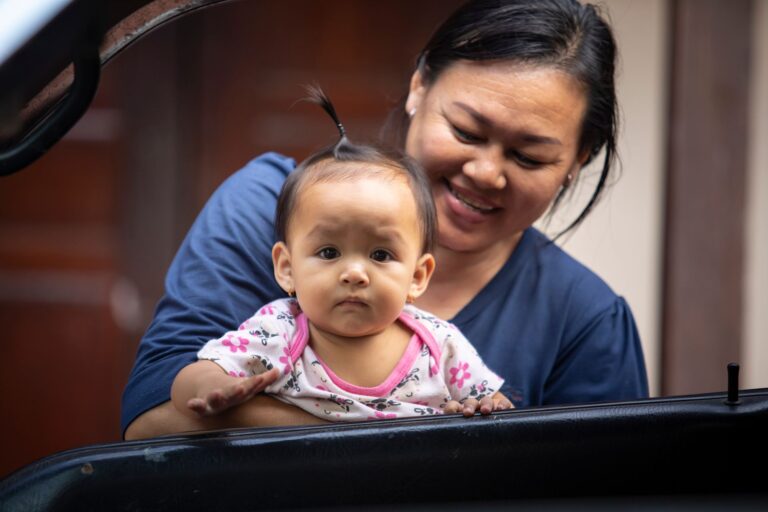
Anxiety is one of the most common mental health concerns in childhood, affecting approximately 1 in 11 children in the United States. It arises from a combination of genetic predisposition, environmental stress, brain biology, and temperament—not from any single cause—and parents often miss it or mistake it for typical shyness or carefulness. Anxiety disorders in children are treatable, but far fewer than one-third of affected children receive help. Understanding what anxiety looks like, what causes it, and which treatments have evidence behind them helps parents recognize a problem early and navigate the path to support.
Table of Contents
- How Common Is Childhood Anxiety, and Who Gets It?
- What Causes Anxiety in Children?
- What Does Anxiety Actually Look Like in Children?
- When Should I Seek Help for My Child's Anxiety?
- How Is Childhood Anxiety Diagnosed?
- Why Is Cognitive Behavioral Therapy the First-Line Treatment?
- What Medications Treat Childhood Anxiety?
- The Black-Box Warning and Medication Safety in Children
- Combined Treatment: Therapy Plus Medication
- Finding Help and Overcoming Barriers
- Frequently Asked Questions
How Common Is Childhood Anxiety, and Who Gets It?
According to the CDC's most recent data on mental health trends among U.S. children, anxiety disorder affected approximately 8.4% of children ages 3 to 17 in parent surveys from 2016 to 2022—roughly 1 in 12 children—with rates rising notably from 8.4% in 2016 to 11.1% by 2021. This means anxiety is as common as ADHD in children and more common than many conditions parents worry about far more.
Anxiety disorders are not a new trend, though the numbers rising over recent years has raised concern among mental health researchers. The condition spans all ages from early childhood through the teen years, though the symptoms and triggers shift with development. A five-year-old's anxiety looks different from a fourteen-year-old's, but both are recognizable as anxiety.
Anxiety is not weakness, poor parenting, or something a child can "think away." It has measurable biological roots in brain chemistry, genetics, and how the nervous system responds to threat. Children with anxious parents have higher risk, but temperament matters more than inheritance alone. Both boys and girls develop anxiety, though girls are diagnosed more often in adolescence.
This may reflect true gender differences in prevalence, differences in how anxiety presents (girls sometimes internalize more, boys externalize), or differences in who gets taken to a doctor for evaluation. Anxiety in one child does not predict it in a sibling, and most children with an anxious parent do not develop an anxiety disorder themselves. The condition is probabilistic, not predetermined.
What Causes Anxiety in Children?
Childhood anxiety arises from multiple interacting factors: genetics account for roughly 10 to 15% of the variation in anxiety symptoms, while environmental stress, early trauma, household instability, brain biology, and inborn temperament all contribute. No single cause determines whether a child will develop an anxiety disorder. The interaction between genes and environment is what matters.
Early childhood stress, family dysfunction, and household instability were the most consistent environmental risk factors across international studies, suggesting that early childhood is a sensitive period when stress profoundly shapes how the nervous system develops. A child living with parental conflict, loss, abuse, or chronic unpredictability has higher risk than one in a stable home.
Behavioral inhibition—a child's tendency to be cautious around unfamiliar people and situations—is a recognized temperamental trait linked to later anxiety. Not all behaviorally inhibited children develop anxiety, but children who remained socially wary through childhood showed more worry in adolescence and were more likely to have anxiety in early adulthood. Brain chemistry matters.
Imbalances in neurotransmitters like serotonin and GABA, which regulate mood and fear response, are implicated in anxiety. These imbalances can be inherited or acquired through stress. Trauma and significant life events—a car accident, serious illness, loss of a parent, bullying—can trigger anxiety in vulnerable children. Sometimes anxiety emerges after an identifiable stressor; other times there is no clear trigger.
Even a child's pace of development can influence anxiety. A child who is exceptionally verbal may worry more because they can articulate fears. A sensitive child may register environmental threats more acutely.
What Does Anxiety Actually Look Like in Children?
Anxiety in children manifests across the body, not just in thoughts. A child might complain of stomachaches or headaches with no medical cause, become reluctant to leave home or attend school, or cling to parents far longer than typical for their age. Physical symptoms—racing heart, sweating, difficulty breathing—are real and frightening to the child. Worry is the cognitive hallmark, but the content varies with age.
A four-year-old may fear separation, darkness, or animals. A nine-year-old might worry about grades, fitting in, or future events. A teenager often worries about appearance, social evaluation, or catastrophic outcomes like failure or harm. sleep problems are common: difficulty falling asleep, nightmares, refusing to sleep alone, or waking frequently.
Some anxious children exhibit avoidance—refusing to attend school, see a doctor, try new foods, or enter new social situations—that limits their life. Irritability and restlessness can accompany anxiety, making it easy to misdiagnose as ADHD or behavior problems. An anxious child might argue, refuse tasks, or seem oppositional when actually they are overwhelmed by worry.
Physical tension and repetitive behaviors sometimes emerge: muscle tension, nail-biting, hair-pulling, or ritualistic checking ("Did I lock the door?"). These are ways the nervous system seeks regulation. In severe cases, anxiety reaches panic—a sudden surge of terror with intense physical symptoms, often interpreted as a medical emergency. Panic attacks are frightening and can reinforce avoidance of situations where they occurred.
Not all anxious children are clinically quiet. Some are talkative, distractible, or high-energy. Anxiety manifests differently in different children and can hide behind other presentations.
When Should I Seek Help for My Child's Anxiety?
A key distinction is between normal worry and an anxiety disorder. Young children naturally fear separation, the dark, or strangers. School-age children worry about performance and fitting in. Teenagers feel self-conscious. These are normal developmental transitions, not disorders. An anxiety disorder is present when worry is excessive, persistent (lasting weeks or months), interferes with daily life, and causes distress the child cannot easily manage.
If a child refuses school repeatedly, cannot participate in activities peers enjoy, or family life is disrupted by accommodation to the child's anxiety, evaluation is warranted. Another marker is whether the child's own coping attempts have failed. If reassurance, distraction, or time does not resolve the worry, and the child is becoming more withdrawn or avoidant over time, this signals a need for professional input.
Physical symptoms without medical explanation that persist warrant investigation. If a child has chronic stomachaches, headaches, or fatigue that pediatric exam cannot explain, anxiety should be considered. Anxiety following a clear trauma or major life event (death, abuse, accident) may benefit from early intervention even if it looks mild, because untreated post-trauma anxiety can harden into longer-term disorder.
A child mentioning self-harm, suicide, or hopelessness requires urgent evaluation regardless of anxiety severity. This is not typical anxiety and indicates crisis risk. Parental instinct matters. If you sense something is wrong with your child's emotional wellbeing and standard explanations do not fit, seek evaluation. Early intervention improves outcomes.
How Is Childhood Anxiety Diagnosed?
A proper evaluation begins with a detailed history from both parent and child, separately. A clinician will ask about when symptoms started, what situations trigger them, physical sensations, avoidance patterns, family history, and impact on school, friendships, and home life. This history is essential because anxiety looks different in each child. Standardized rating scales help quantify severity and track change.
Your pediatrician or child mental health professional may use tools like the SCARED (Screen for Child Anxiety Related Emotional Disorders) or Spence Children's Anxiety Scale, which ask questions about worry, avoidance, and physical symptoms. Medical evaluation is important first. Your pediatrician should rule out medical causes of symptoms—thyroid dysfunction, cardiac arrhythmia, or other conditions that can mimic anxiety.
Some medications (like stimulants for ADHD) can worsen anxiety and should be reviewed. Psychological evaluation by a licensed therapist, psychologist, or psychiatrist involves interview and observation. A skilled clinician watches how the child separates from the parent, responds to questions, and manages mild frustration during the visit—all informative. Formal diagnosis requires that symptoms meet criteria for a specific anxiety disorder: generalized anxiety disorder, social anxiety, separation anxiety, or specific phobia, among others.
Insurance and treatment planning often require a diagnosis code, but the diagnosis is less important than understanding your individual child's symptoms and needs. The evaluation should include assessment of other conditions that often co-occur with anxiety: ADHD, depression, or trauma. A child can have multiple conditions, and each affects treatment. Avoid jumping to diagnosis based on a single visit or online screening. A thorough evaluation takes time and should be done by someone trained in child mental health.
Why Is Cognitive Behavioral Therapy the First-Line Treatment?
Cognitive behavioral therapy, or CBT, is the most evidence-based treatment for childhood anxiety. Over 40 randomized controlled trials support its effectiveness, and clinical guidelines rate it as "well-established," the highest evidence level available. This means it has been rigorously tested and repeatedly shown to work. How does CBT work? It targets the cycle that maintains anxiety: worrisome thoughts trigger physical sensations and avoidance, which temporarily relieves anxiety but strengthens the fear.
CBT teaches the child to identify anxious thoughts, challenge them gently with evidence, and gradually face feared situations while tolerating the discomfort. A child might learn that "What if I fail the test?" is a thought, not a fact, and practice tolerating uncertainty. Over time, repeated exposure to the feared situation without a feared outcome teaches the nervous system that the threat is not real.
Research shows that individual CBT significantly reduced anxiety diagnoses compared with controls, with effect sizes considered large. The gains typically persist after treatment ends, because the child has learned skills. After three months of unmedicated CBT, children with anxiety showed clinically significant symptom decrease and improved functioning, with brain imaging revealing treatment-driven changes in how the brain processes threat.
This suggests CBT actually rewires anxiety circuits, not just suppresses symptoms. Not every child responds equally. Some children show substantial improvement within weeks, others need 12 to 16 sessions, and some do not respond to standard CBT alone. Individual factors like severity, trauma history, and family support influence response. The quality of the therapist matters.
CBT is a skill-based treatment, and a poorly conducted version may not help. Seek therapists trained specifically in CBT for children and experienced in your child's age group.
What Medications Treat Childhood Anxiety?
The medication landscape for childhood anxiety is limited. Only duloxetine, an SNRI (serotonin-norepinephrine reuptake inhibitor), is FDA-approved specifically for pediatric generalized anxiety disorder. SSRIs (selective serotonin reuptake inhibitors) are approved only for childhood OCD: sertraline from age 6, fluoxetine from age 7, and fluvoxamine from age 8. Despite limited approval, SSRIs are the most commonly prescribed medications for pediatric anxiety off-label—meaning the doctor prescribes them for a condition and age group not officially approved by the FDA.
This is legal and sometimes appropriate, but it means your child is participating in a less formally tested approach. Off-label use is based on evidence from adult anxiety treatment and expert consensus, not rigorous pediatric trials. A psychiatrist might prescribe an SSRI to a ten-year-old for generalized anxiety if they believe the evidence supports it and benefits outweigh risks, but they should explain this reasoning and the lack of formal approval.
Medication is not a first-line treatment for mild to moderate anxiety in childhood. Therapy is tried first. Medication is considered for severe anxiety, when therapy alone is not sufficient, or when a child cannot engage in therapy due to the severity of their symptoms. The choice of which SSRI depends on the child's symptoms, side effect profile, and any medical conditions.
Common options include sertraline, fluoxetine, and paroxetine, but others exist. Starting doses are low, and increases are gradual. It takes 4 to 6 weeks at a stable dose to assess full effect. Patience is essential; jumping between medications or doses can mask efficacy. Every medication carries side effects. Common ones with SSRIs include nausea, headache, sleep changes, and activation (restlessness). Most settle within weeks, but some persist and warrant switching medications.
The Black-Box Warning and Medication Safety in Children
SSRIs carry a FDA black-box warning—the most serious type—for increased risk of suicidal thinking and behavior in children and young adults, with approximately 2% absolute risk. This warning was added after post-marketing safety data suggested a small subset of young people on SSRIs experienced worsening mood and suicidal ideation, particularly in the first weeks of treatment.
The context matters: untreated severe anxiety and depression also carry suicide risk. The medication decision is a choice between the risk of untreated illness and the risk of treatment. For a child with severe, impairing anxiety, medication may reduce overall risk even with the black-box warning. If an SSRI is prescribed, regular monitoring is non-negotiable.
Appointments should happen weekly for the first month, then every two weeks for the first three months. The clinician should specifically ask about mood changes, suicidal thoughts, increased anxiety, and behavioral activation. Parents should be educated on warning signs: increased agitation, mood swings, unusual behavior changes, or statements about wanting to hurt themselves. These warrant immediate contact with the prescriber and possible dose adjustment or medication change.
Many families decide not to use medication for childhood anxiety based on the warning. This is a valid choice, especially if therapy is working or anxiety is mild. But for severe cases, the benefit-risk calculation often favors treatment. Medication is not permanent. Most children do not take anxiety medication through adulthood. After symptoms resolve and the child has learned coping skills in therapy, medication is gradually tapered. The goal is to treat the acute problem and teach the child to manage without it.
Combined Treatment: Therapy Plus Medication
The evidence is clear: combining therapy and medication works better than either alone. When children received SSRI medication plus cognitive behavioral therapy together, approximately 65% achieved remission of their anxiety disorder, compared with lower remission rates for therapy alone or medication alone. Why is the combination superior? Medication stabilizes the nervous system and reduces symptoms enough that the child can engage in therapy.
Therapy teaches skills that persist after medication is tapered. Together, they address both the biological and learned components of anxiety. The sequence typically matters. Many clinicians start with therapy alone if anxiety is moderate and the child is willing. If therapy alone is insufficient after 8 to 12 weeks, medication is added. For severe anxiety, both start together.
The timing of starting medication relative to therapy should be coordinated between the prescriber and therapist. They should communicate about the treatment plan, response, and any concerns. In reality, this coordination often falls short, and parents become the bridge between providers. Tapering medication happens only after sustained improvement—usually at least three to six months of good symptom control—and only under close supervision.
Abrupt discontinuation can cause withdrawal symptoms and symptom rebound. Slow tapering over weeks to months minimizes risk. Some children relapse after medication is stopped. This does not mean the medication failed, only that the underlying vulnerability persists. Re-medication or longer-term therapy may be needed.
Finding Help and Overcoming Barriers
Fewer than one-third of children with anxiety disorders seek treatment, despite effective options being available. The barriers are real and worth naming: cost, lack of trained therapists, long waitlists, transportation, stigma, and difficulty fitting therapy into a family's schedule. Insurance coverage varies widely. Some plans cover a set number of therapy sessions with a copay, others require high deductibles, and some cover medication but not therapy.
Ask your insurance before starting treatment about coverage, in-network providers, and any prior authorization requirements. Finding a child-specialized therapist trained in CBT is harder in rural and low-income areas. Psychology Today's therapist finder and your pediatrician's referrals are starting points. Some communities have low-cost clinics through community mental health centers or university training programs. Virtual therapy has expanded access.
Many child therapists now offer telehealth, which reduces travel burden and can shorten waitlists. The effectiveness of virtual CBT for childhood anxiety is comparable to in-person for many children, though engagement can be harder for younger or very active children. Psychiatrists who do medication evaluation and monitoring are in short supply in many areas, with waitlists of months.
Your pediatrician can start medication and monitor in consultation with a psychiatrist, making access slightly easier. Cost for out-of-pocket therapy is typically $100 to $250 per session. A course of 12 to 20 sessions can run $1,200 to $5,000. This is beyond reach for many families, but many therapists offer sliding-scale fees based on income, and some nonprofits offer free or low-cost services.
Starting with your pediatrician is often practical. They can assess the child, provide psychoeducation, prescribe medication if warranted, and refer to mental health specialists. Not all pediatricians are comfortable with anxiety treatment, but many are willing to manage it with consultant support.
Frequently Asked Questions
Is it normal for a young child to have separation anxiety?
Separation anxiety is developmentally typical between ages 6 months and 3 years. Beyond age 5 to 6, if a child cries, refuses school, or cannot be left without extreme distress for extended periods, evaluation for separation anxiety disorder is reasonable.
Can anxiety in children go away on its own?
Some mild anxiety resolves with time and maturation, but anxiety that is severe, persistent, and interferes with daily life typically does not resolve without intervention. Early treatment has better outcomes than waiting.
What if my child refuses to go to therapy?
Initial resistance is common. A skilled therapist can build rapport over 2-3 sessions. If your child remains unwilling after that, discuss alternatives with the clinician: whether medication alone might help, whether a different therapist's style fits better, or whether waiting a few weeks to revisit therapy is wise.
How long does CBT for childhood anxiety take?
Most children benefit within 12 to 16 sessions, often over 3 to 4 months. Some improve faster, others need 20+ sessions. Progress should be visible by session 8 to 10; if none appears, the approach or therapist may need adjustment.
Will medication make my child "different" or "numb"?
SSRIs at therapeutic doses should reduce anxiety without dulling personality or emotion. If a child feels emotionally flat or robotic on medication, this is a side effect to discuss with the prescriber. Dose adjustment or switching medication may help.
Is it safe to give a child SSRI medication given the black-box warning?
For severe, untreated anxiety, the risk of medication may be lower than the risk of the untreated condition. The black-box warning requires close monitoring—weekly visits early on and direct conversation about mood and suicidality. For mild anxiety, therapy alone is preferred.