How Do You Know If Baby Is in Right Position?

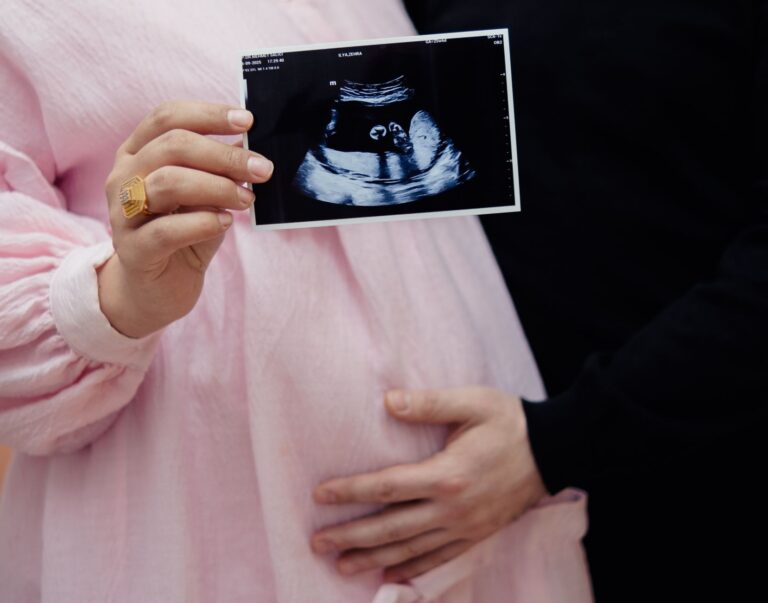
Your baby's position in the final weeks of pregnancy is the single biggest factor in how labor will unfold and whether vaginal delivery is possible.

Your baby's position in the final weeks of pregnancy is the single biggest factor in how labor will unfold and whether vaginal delivery is possible.

Your baby's movement pattern matters more than hitting a specific kick count—learn what "normal" looks like for your pregnancy.

Choosing a belly band during pregnancy depends on your specific pain points, activity level, and how your body responds to external support.

Your baby's heartbeat becomes detectable by ultrasound around 5-6 weeks and audible by Doppler device around 8-10 weeks, marking a pivotal pregnancy milestone.

Most toddlers say their first words between 12 and 18 months, but the normal range extends much wider than parents expect.

Most pregnancy swelling is harmless fluid retention, but sudden or one-sided puffiness can signal a serious complication requiring immediate attention.

Newborns need 16 to 17 hours of sleep daily, though the amount changes as your baby grows and their sleep patterns consolidate into longer stretches.

Most pregnant people feel their baby move between 16 and 25 weeks, though the sensation often starts so subtle it's easy to dismiss.

Regular pillows offer some comfort early in pregnancy, but their limitations become hard to ignore as your body changes and your sleep needs shift dramatically.

Pregnancy symptoms can emerge within days of conception, but many women don't notice anything until a missed period—or later still.