
Why Baby Refuses Bottle: Solutions and Tips
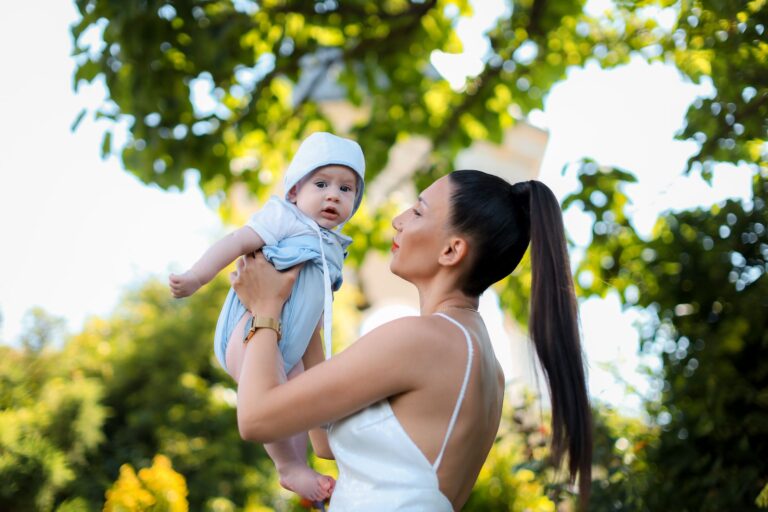
Most babies refuse bottles due to preference, not problems. Identify whether it's nipple choice, temperature, or timing—then adjust one thing at a time.
Most babies refuse bottles due to preference, not problems. Identify whether it's nipple choice, temperature, or timing—then adjust one thing at a time.

Start choosing your birth team in the first or second trimester so you have time to find a provider who shares your values and build trust before labor begins.
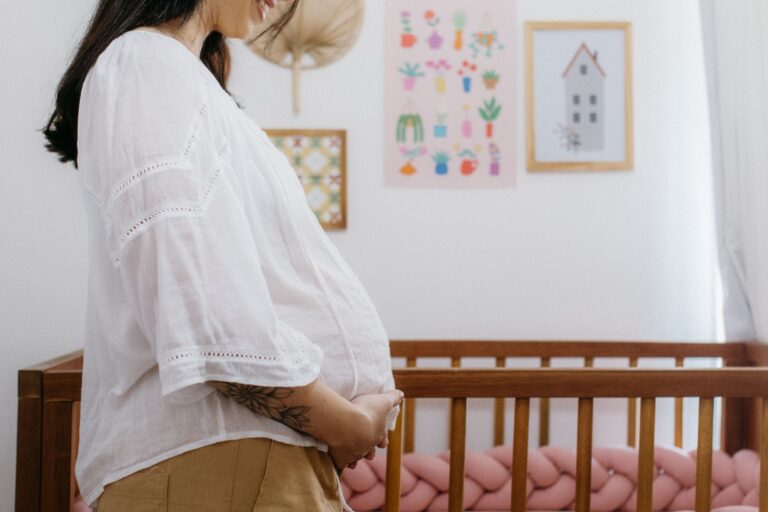
Toddler tantrums are developmentally normal, but knowing your child's triggers and how to stay calm during meltdowns dramatically reduces their frequency and severity over time.

Most babies are ready for their first haircut between six and twelve months, but practical signs like hair in the eyes matter more than age.

Modern alternatives range from virtual celebrations to meal trains and casual gatherings, letting families skip traditional showers without missing the support or supplies they need.
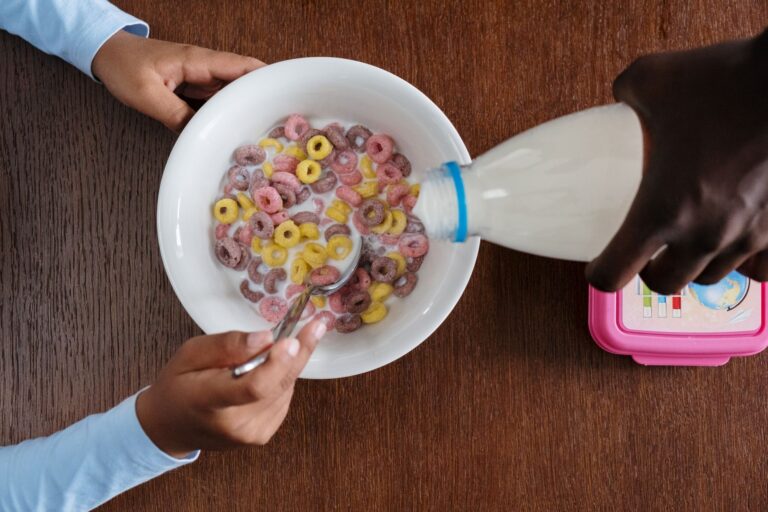
A 4-month-old can have rice cereal if they show developmental readiness, but waiting until 6 months is still the standard recommendation.

Most baby fevers can climb to 103°F or 104°F safely; the danger lies in infection severity, not the thermometer number.
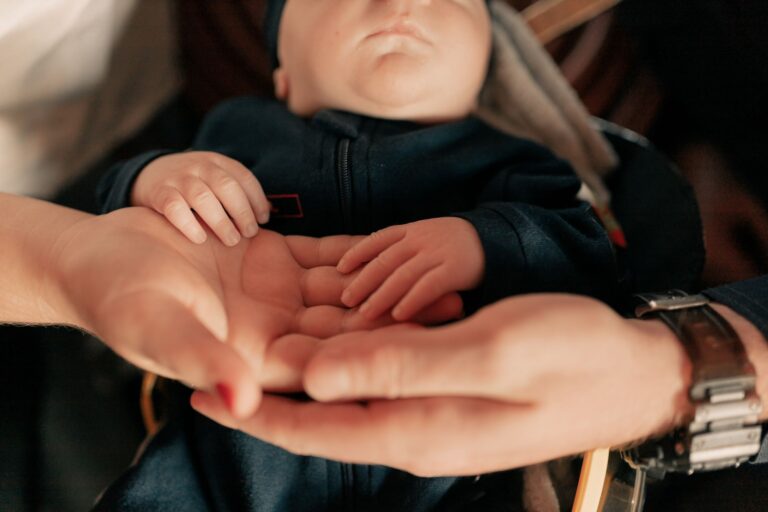
There's no "right" age to start daycare—timing depends on your family's needs and your child's personality, not on milestones.

Consistency in discipline means enforcing the same rules predictably—not treating twins identically. Adjust your method to each child's temperament while keeping limits firm and fair.

Twin pregnancies show as early as 6 weeks—nearly twice as fast as singleton pregnancies—because your uterus doubles in size to hold two babies.