
When Is It Safe to Tell People You’re Pregnant?

Announcing pregnancy is a personal choice based on miscarriage risk, which falls steadily through the first trimester, and your need for support—not a medical requirement to wait.
Announcing pregnancy is a personal choice based on miscarriage risk, which falls steadily through the first trimester, and your need for support—not a medical requirement to wait.

IVF is considered after a year of trying (or six months over age 35) when a fertility evaluation shows your eggs, sperm, or uterus cannot naturally make pregnancy possible.

The fertile window is the six days when pregnancy can occur—about five days before ovulation plus ovulation day itself—and timing matters.

Most babies transition from smooth purees to mashed and minced foods between 8 and 10 months, though individual readiness varies and depends on your baby's developmental skills.
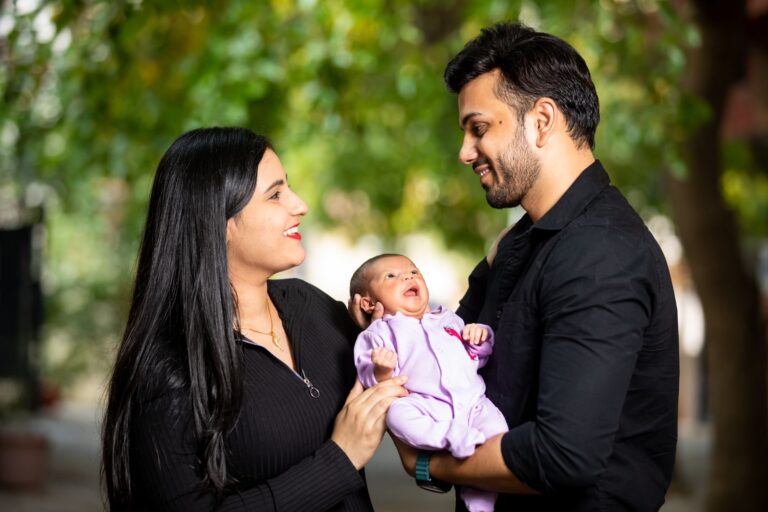
Screen-free time is realistic for most families when you start small, protect it consistently, and make something else appealing to do instead.
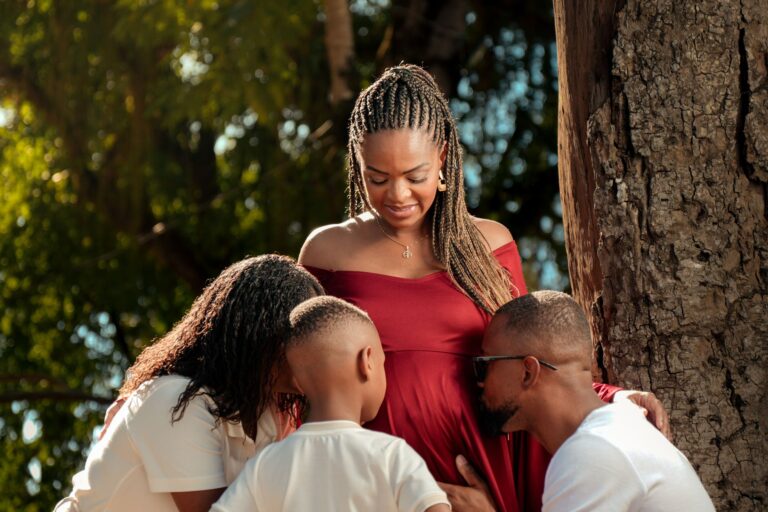
The best time to test is 14 days after intercourse or from your missed period, and timing matters more than the test brand—hCG takes days to build to detectable levels.

Separation anxiety peaks between 12–18 months and usually eases within 2–4 weeks with consistent routines, clear goodbyes, and caregiver stability.

Most babies get their first tooth around 6 months, but the normal range spans 3 to 12 months—genetics is your best predictor of timing.

Twin pregnancies carry twice the preterm birth rate and unique placental complications that require specialized biweekly monitoring and sometimes urgent intervention to protect both babies.

Cognitive development unfolds in stages, with each bringing new ways of thinking—from a newborn's sensory awareness to a school-age child's logical reasoning.