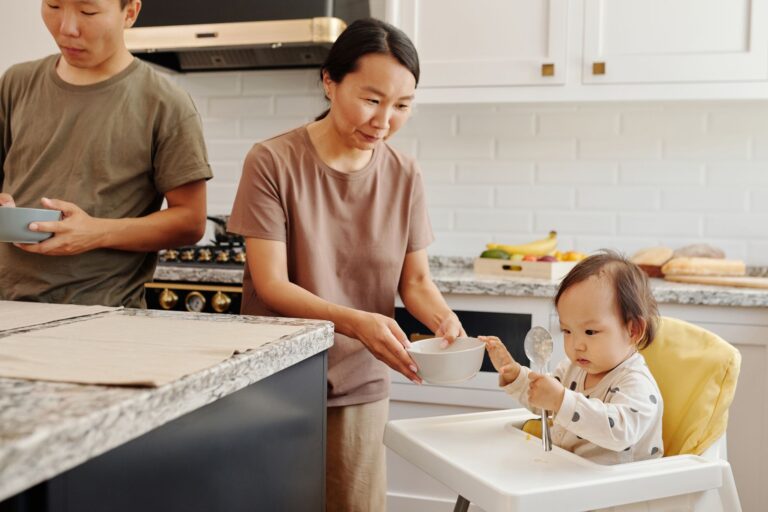
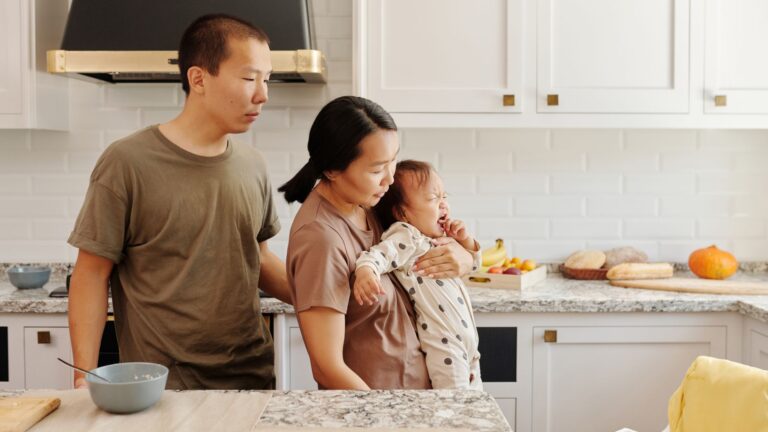
Most babies stop eating only purees around 8 to 10 months, though the exact timing depends entirely on your individual child's development and readiness. Once your baby is sitting up steadily, showing interest in picking up food, and managing soft chunks without choking, it's time to begin mixing in mashed or minced textures alongside purees.
The transition from smooth purees to more textured foods is not a single moment but a gradual process that typically unfolds over weeks or months. Readiness varies widely—some babies are ready to move on by 7 months, while others need purees into their first year. Your pediatrician and your baby's behavior are the best guides to timing; there's no universal deadline.
Table of Contents
- Signs Your Baby Is Developmentally Ready
- The Timeline: When Babies Typically Move On
- Starting the Transition: Mashed and Minced Foods
- Best First Foods With Texture
- Chunk Size and Choking Safety
- Pacing the Change—Why Gradual Matters
- Your Baby Resists Textured Food: What to Do
- Combining Purees and Textured Foods
- Signs Something's Wrong—When to Contact Your Pediatrician
- When Your Baby Needs More Time
- Frequently Asked Questions
Signs Your Baby Is Developmentally Ready
Before you start adding texture, your baby needs specific physical skills that develop naturally over the first year. The clearest sign is the ability to sit upright without support, or with minimal back support from a chair or your hands. A baby who can't sit up steadily isn't coordinated enough yet to manage food safely.
Watch for your baby to develop a pincer grasp—using thumb and fingers to pick things up—instead of just raking food into their fist. This skill matters because it suggests mouth-hand coordination has improved enough to handle more complex food. Babies typically begin showing this grip around 8 or 9 months, though some start earlier. Your baby will also show increasing interest in what you're eating.
They watch your fork, reach toward your plate, and try to grab food from your spoon. This mimicking and curiosity is a strong signal that they're mentally ready to explore beyond purees. Chewing motions often appear before your baby has teeth—a rhythmic up-and-down jaw movement that works with gums to manage thicker food. If your baby is smacking their gums and moving their jaw intentionally, they're building the muscles needed for texture.
Some babies become visibly bored or frustrated with purees, spitting them out or playing with food rather than swallowing. While this can also be a developmental phase with spoon-feeding itself, persistent disinterest is worth noting as a possible sign of readiness for something different. Your baby should also be able to sit through a feeding without constant fussiness and show sustained attention to eating. If feeding time is chaotic and your baby can't focus, wait a bit longer before introducing texture that requires more careful swallowing.
The Timeline: When Babies Typically Move On
Most pediatricians and feeding experts suggest starting to introduce textured foods somewhere between 7 and 10 months, with 8 to 9 months being common. However, this is a range, not a deadline. Some babies show readiness earlier, and others need purees longer—both are completely normal. Babies who start solids at 4 months are often ready for texture earlier than babies who start at 6 months, simply because they've had more time practicing with food.
But age alone isn't the guide; development is. A 12-month-old who isn't ready yet is still developing normally. By 12 months, most babies are eating at least some soft, minced, or mashable foods alongside purees, though many still eat some purees daily. The goal by the end of the first year is exposure to a variety of textures and foods, not perfect abandonment of purees.
Some babies transition quickly from purees to chunky food over a few weeks, while others take months to gradually accept more texture. There's no "normal" speed—fast transitioners and slow transitioners both end up eating regular family foods by age 2 or 3. Premature babies have a different timeline. If your baby was born early, use their corrected age (age since they should have been born, not since they were actually born) until age 2 to 3.
A baby born 2 months early will be developmentally ready for texture about 2 months later than their calendar age suggests. Babies with developmental delays, oral motor difficulties, or other medical conditions may need a different timeline. Work with your pediatrician or an occupational therapist who specializes in feeding to create a plan that matches your baby's actual abilities.
Starting the Transition: Mashed and Minced Foods
Start by taking the purees you're already feeding and very gently mashing them with a fork to add slight texture, rather than buying entirely different foods. Add a few small, soft lumps to otherwise smooth puree. Your baby may not even notice the change at first—that's fine.
Move gradually from mashed to minced to small soft pieces over the course of several weeks or even months. There's no rush. Many parents get nervous about texture and speed things up, but slower is genuinely easier for your baby to manage. Mix thicker foods into purees to introduce texture without overwhelming your baby. For example, combine a smooth puree with mashed banana, or add finely minced meat to vegetable puree.
This lets your baby get used to thicker, lumpier food while still eating mostly what they know. Pay attention to how your baby responds to small lumps. Some babies gag initially—that's normal and is actually a safety reflex. Gagging is your baby's way of moving food from the back of their mouth forward to chew it.
It sounds worse than it is and usually decreases with practice. If your baby seems genuinely frightened or chokes, pull back and wait a week or two before trying again. Every baby has a different comfort zone, and pushing too fast can create feeding anxiety that lasts months. You can also offer finger foods alongside purees—soft pieces of banana, avocado, well-cooked sweet potato, or very soft bread. Some babies will pick these up and gnaw on them, learning to manage texture at their own pace while still getting most nutrition from purees.
Best First Foods With Texture
The easiest textured foods to introduce are those your baby already knows in puree form. If they like sweet potato puree, try mashed or minced sweet potato next. Familiarity reduces the number of new things they're processing at once. Soft fruits are ideal first texture foods because they're naturally easy to mash and manage. Ripe banana, avocado, peach, pear, and melon break down easily and are hard to choke on because they're slippery and soft.
These foods require almost no preparation beyond mashing with a fork. Soft vegetables like steamed carrots, sweet potato, zucchini, and peas are also gentle introductions to texture. They're familiar from purees, easy to cut into small pieces, and less likely to cause choking than harder foods. Ground or minced meat that's been cooked very thoroughly works well once your baby is confident with other textured foods.
Mix it into vegetables or grain—don't serve it as a plain protein at first, because it can be drier and harder to manage alone. Scrambled eggs, yogurt, cottage cheese, and soft cheeses like cream cheese offer texture without requiring chewing. These are good options for babies who are developmentally ready but still cautious about real chunks.
Well-cooked grains like soft pasta, couscous, finely cooked rice, or oatmeal that's thicker than the puree stage give your baby experience with different textures. Start with small amounts mixed into purees, then gradually serve thicker portions. Bread, crackers that dissolve, or soft toast are finger foods many babies enjoy. They dissolve when wet, so choking risk is low. Your baby may chew on them rather than truly eat them at first—that's okay and helps develop oral motor skills.
Chunk Size and Choking Safety
The safest chunk size for a baby learning to manage texture is no larger than a pea—about the size of a small marble. Pieces should be soft enough that you can smoosh them between your thumb and finger, not requiring real chewing. If you can't easily squish it, neither can your baby's gums. Foods that are hard, round, sticky, or slippery—like whole grapes, hard raw vegetables, popcorn, whole nuts, or hot dogs—are choking hazards and should be avoided entirely until your child is at least 4 years old.
Even then, hot dogs are the leading food choking cause in young children. Supervise all eating. Your baby should eat in a high chair with you present, not while crawling around or playing. Distracted babies put larger pieces in their mouths and don't concentrate on swallowing safely. Remember that gagging is protective, not dangerous. When a baby gags, food moves from the back of the mouth forward and back to the safer middle of the mouth.
Gagging is your baby's built-in safety system. True choking is silent—your baby cannot cry or cough. If your baby does choke (no cough or cry, turning pale or blue), know infant CPR. Every parent should take a course; many hospitals and community centers offer them. CPR administered quickly during choking saves lives. Thickened purees, mashed foods, and minced pieces are all low-choking-risk because they break apart and dissolve easily in saliva. This is why the gradual transition from smooth to lumpy is safer than jumping to solid pieces.
Pacing the Change—Why Gradual Matters
Moving slowly from purees to texture helps your baby's swallowing reflex develop naturally without overwhelming their system. Rushing the transition can create food aversion or negative associations with eating that last far longer than the few extra weeks a gradual approach takes. Your baby's mouth and throat need time to learn how to handle different textures safely.
The muscles involved in swallowing are complex, and they develop through practice. Gradual exposure gives those muscles time to strengthen and coordinate. Some babies who transition too fast develop a strong gag reflex that makes eating stressful for months. They may push out all textured food, refuse meals, or become anxious during feeding. A slower, gentler approach prevents this learned behavior.
There's no benefit to rushing. Your baby will eat regular family food eventually—this isn't a race. Spending a few extra weeks on mashed and minced foods doesn't delay anything; it actually makes the overall journey smoother and faster because your baby learns at their own pace. Many parents continue offering some purees alongside thicker foods for months, and that's entirely normal and helpful.
Purees are nutritious, convenient, and familiar. There's no deadline to eliminate them completely. You can continue purees as long as they're useful to your family. Some parents offer purees at breakfast but self-feed thicker foods at lunch and dinner. Some use purees when busy and thicker foods when they have time. Mix and match based on what works for your household.
Your Baby Resists Textured Food: What to Do
If your baby strongly rejects texture—pushing it out, gagging excessively, or refusing to eat when lumps appear—don't force it. Step back to purees and wait a week or two. Your baby needs more time, and that's developmentally normal. Reintroduce texture very gradually and in small amounts. Add just one or two barely-detectable lumps to a full bowl of smooth puree.
Most babies won't even notice this level of change, but their mouth begins learning that texture exists. Some babies have oral sensory sensitivities where any texture feels startling or uncomfortable. This isn't stubbornness; it's a real developmental difference in how their mouth and brain process touch. These babies need even more patience and slower exposure.
Offer textured food without pressure. Put a minced food on their tray during a meal where they're also eating puree or other familiar foods. Let them explore it, play with it, or ignore it. No pressure to eat—just exposure helps their brain acclimate. Offer textured foods frequently without focusing on whether your baby eats them.
Repeated exposure over weeks and months often leads to acceptance. Babies who are very resistant to texture may need months of seeing and playing with textured food before they eat it. Avoid making mealtimes stressful. If introducing texture causes tears and conflict, pause and return to purees. Your baby's relationship with food matters more than how quickly they transition.
Babies who experience feeding conflict often develop lasting eating problems. Some babies come to texture more easily through finger foods they self-feed than through spoon-fed minced food. Try offering small soft pieces on their tray and let them pick them up and explore independently.
Combining Purees and Textured Foods
Combination feeding—offering both purees and textured foods at the same meal—is the most common and realistic approach for most families. Your baby eats some puree from a spoon and some finger foods or mashed food they self-feed or you spoon. This mixed approach lets your baby progress at their own pace without pressure. They get nutrition from the foods they're confident eating while gradually becoming comfortable with new textures.
There's no point at which you must stop purees completely. Many families continue offering purees indefinitely because they're useful. Purees are quick to serve, easy to portion, good for on-the-go eating, and some families use them as one component of a varied diet. This is completely fine and doesn't delay development. As your baby becomes more confident with textured foods, you may naturally offer fewer purees and more thicker options.
But there's no timeline or rule for this progression. Some one-year-olds still eat half their food as puree, and others have stopped purees entirely by 10 months. Both groups are on a normal developmental track. Offer a mix at each meal: some food they definitely eat confidently, some food they're still learning to manage, and some new foods or textures they're encountering.
This variety helps them progress without the pressure of an all-or-nothing approach. Keep offering the same foods repeatedly, even if your baby rejects them initially. It often takes 10 to 15 exposures to a new food or texture before acceptance develops. Consistency and patience matter far more than speed in this phase.
Signs Something's Wrong—When to Contact Your Pediatrician
Contact your pediatrician if your baby chokes—true choking, where they cannot cough, cry, or make sound. Know infant CPR and act immediately if this happens. After any choking episode, notify your doctor even if your baby recovers quickly. Severe gagging that lasts for weeks or causes your baby extreme distress warrants a call to your pediatrician.
Some gagging is normal, but if your baby seems genuinely terrified or consistently rejects all textured food despite patience and weeks of exposure, your doctor or a feeding specialist can evaluate whether an underlying issue exists. Difficulty swallowing at any age—excessive drooling, coughing during or immediately after meals, or food seeming to go into the nose—needs professional evaluation.
These signs suggest your baby may have an oral motor problem or a swallowing coordination issue requiring specialist assessment. If your baby develops food aversion—refusing to eat meals, crying at mealtimes, or showing extreme anxiety around feeding—pull back gradually and talk to your pediatrician. Feeding anxiety can develop from progressing too quickly, from past negative experiences, or from medical issues like reflux that make eating uncomfortable.
Allergic reactions (itchy rash, vomiting, facial swelling, difficulty breathing) need immediate medical attention. If you suspect a food allergy, stop that food and contact your doctor or seek emergency care depending on severity. Constipation, diarrhea, or other digestive changes when introducing texture might indicate a food sensitivity or simply that your baby needs more time adjusting. Most resolve quickly, but mention them to your pediatrician if they persist beyond a few days.
When Your Baby Needs More Time
Some babies need purees well into their second year, and this is still within normal development. Babies develop at vastly different rates, and feeding development is one area where this variation is especially large. Premature babies, babies with developmental delays, and babies with certain neurological or muscular conditions may need modified foods or a different timeline entirely.
Your pediatrician can help determine what's appropriate for your individual baby. Some babies are naturally cautious or sensitive to texture and need extra time to acclimate. This caution often shows up in other areas too—slower to try new toys, picky with clothes, careful in new situations. It's a personality trait, not a developmental problem. Other babies are oral explorers who grab everything and eat anything at 6 months.
These babies often transition quickly to texture. But quick early transition doesn't mean faster overall development—by age 2 or 3, both fast and slow transitioners are eating regular family food. Resist comparisons with other babies. If your friend's baby moved to table food at 8 months and yours is still eating purees at 12 months, one baby isn't "ahead." They're simply different, and both are developing normally.
Your baby will not eat purees forever. Every child eventually eats regular food. The pressure to rush this transition is both unnecessary and potentially counterproductive. Trust that your baby's development is unfolding as it should, and move at their pace without guilt.
Frequently Asked Questions
At what age should I stop pureeing food?
Most babies transition from purees to textured foods between 8 and 10 months, but readiness varies. The key is looking for developmental signs like sitting up steadily, showing interest in food, and managing soft lumps without choking—not your baby's specific age.
How do I know my baby is ready for chunky food?
Your baby is ready when they can sit up without support, are developing a pincer grasp (using thumb and fingers), show interest in what you're eating, make chewing motions, and no longer seem bored with purees. These skills typically appear around 8-9 months but can come earlier or later.
Is gagging a sign my baby is choking?
No. Gagging is a protective reflex that moves food from the back of the mouth forward to the safer middle. It's normal and even helpful. True choking is silent—your baby cannot cough, cry, or make any sound. If your baby is gagging loudly or coughing, they're safe.
What's the best way to introduce texture to a baby eating purees?
Start by mashing purees with a fork to add slight lumps, then gradually increase thickness over weeks. Mix textured foods into smooth purees, or offer finger foods alongside purees. Go slowly—rushing the transition can cause feeding anxiety that lasts months.
What foods are safe to give my baby first when starting texture?
Start with soft foods like mashed banana, avocado, steamed vegetables, minced meat mixed into other foods, scrambled eggs, yogurt, or soft bread. Keep chunk sizes pea-sized and soft enough to squish between your fingers. Avoid hard, round, sticky, or slippery foods.
Should I stop giving purees completely once my baby starts texture?
No. Many families combine purees and textured foods for months or longer. There's no rule about when to eliminate purees. If they're useful to your family and your baby enjoys them, continue offering them alongside thicker foods. Most babies eventually eat fewer purees naturally.