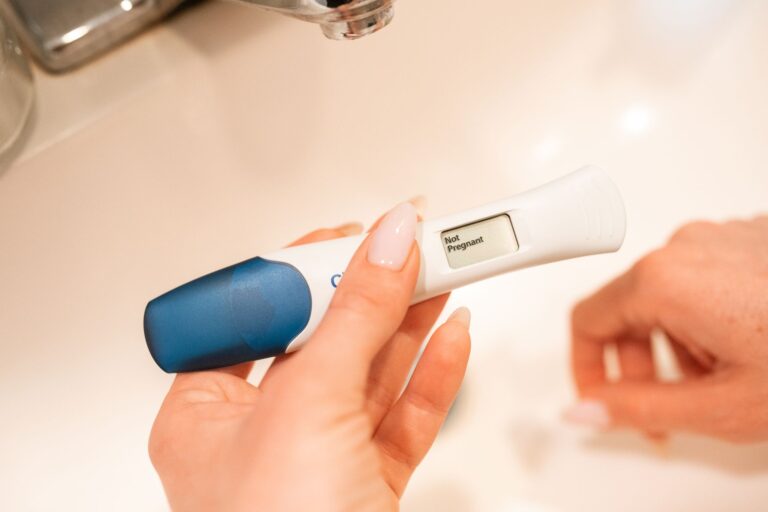
Your fertile window is roughly six days during each menstrual cycle when pregnancy can occur through intercourse—the five days before ovulation and the day of ovulation itself. Most people ovulate around the middle of their cycle, 12 to 16 days before their next period starts, which means the fertile window falls in the second and third weeks of a typical 28- to 32-day cycle. The exact timing varies from person to person and cycle to cycle, and predicting it accurately requires understanding how your own body signals the approach of ovulation.
The fertile window exists because sperm can survive in the reproductive tract for up to five days after intercourse, while an egg survives for only about 24 hours after it is released. This window does not move based on when you have sex—it is determined by when your body releases an egg. If you are trying to conceive, tracking your fertile window helps you time intercourse. If you are avoiding pregnancy, understanding it helps you recognize your most fertile days.
Table of Contents
- Why the Fertile Window Is Six Days Long
- How to Predict Your Fertile Window
- When Ovulation Typically Occurs in Your Cycle
- Tracking Methods: Accuracy and Practicality
- How Irregular Cycles Change the Fertile Window
- Age and Reproductive Capacity During the Fertile Window
- Timing Intercourse to Maximize Fertility
- Common Myths About the Fertile Window
- When to Seek Help from a Fertility Specialist
- What to Do If You Missed or Cannot Predict Your Fertile Window
- Frequently Asked Questions
Why the Fertile Window Is Six Days Long
The fertile window's length rests on two biological facts: how long sperm survive and how long an egg remains viable. Sperm can live in the uterus and fallopian tubes for three to five days after ejaculation, longer in the fertile cervical mucus that surrounds ovulation than at other times. An egg released during ovulation survives roughly 12 to 24 hours.
Because sperm can linger, intercourse up to five days before ovulation can still result in pregnancy if sperm are present when the egg is released. The six-day window is often described as five days before ovulation plus the day of ovulation itself. However, this is an average. Some cycles may have a shorter window—four or five days—while others stretch longer, particularly if you have irregular cycles or if the timing of ovulation varies.
The window is not fixed; it depends on when your body actually ovulates, not when you expect it to. Ovulation is triggered by a surge in luteinizing hormone (LH), a hormone your pituitary gland releases. Once this surge begins, ovulation typically occurs 24 to 36 hours later. This timing means ovulation can happen over a two-day window, which extends the fertile period slightly.
Understanding this variability is why calendar-only prediction methods are less reliable than methods that track your body's actual signals. The fertile window assumes a single ovulation per cycle in one ovary. Occasionally, a person may release two eggs in quick succession, extending the fertile window slightly. This is more common with fertility treatments but can happen naturally.
The second egg, if released, still survives only about 24 hours, so the window does not lengthen dramatically. Not every day in the fertile window has equal fertility odds. Intercourse in the two to three days before ovulation carries the highest pregnancy likelihood. Intercourse five days before ovulation is less likely to result in pregnancy, though it remains possible.
The day of ovulation and the day after also carry high probability, though the egg's 24-hour lifespan limits the window after ovulation itself. Age affects how consistent this window is. Younger people tend to ovulate more predictably, with clearer biological signals. As you age, ovulation may become less regular, the surge in LH may be less pronounced, and the window becomes harder to predict with precision. This does not mean the window disappears—it remains present—but its timing may shift.
How to Predict Your Fertile Window
Predicting the fertile window requires either looking backward at past cycles to estimate the current one, or monitoring your body in real time for signs that ovulation is approaching. Both methods have strengths and limitations. Calendar-based prediction works best if your cycles are regular; real-time tracking works best if you can recognize your body's signals consistently.
The simplest calendar method assumes ovulation occurs 14 days before your next period starts. If your cycles are consistently 28 days long, ovulation would occur around day 14, making days 9 through 14 your fertile window. If your cycles are 32 days, ovulation falls around day 18, and your fertile window is roughly days 13 through 18.
This method requires knowing the length of your actual cycles, tracked over at least two to three months. Irregular cycles make this method unreliable. Many people do not have perfectly regular cycles. Even someone with cycles that average 28 days may swing between 26 and 30 days from month to month.
If your shortest cycle in the past year was 24 days and your longest was 32 days, the fertile window could fall anywhere in a ten-day range, making prediction difficult. Tracking your cycle length over several months helps you identify your personal pattern and narrows the prediction window. Cervical mucus changes offer a real-time signal of approaching ovulation.
As estrogen rises before ovulation, cervical mucus becomes more abundant, stretchy, and slippery—often compared to egg white. This mucus creates an environment where sperm survive longer. When you notice this change, you are likely entering the fertile window. After ovulation, when progesterone rises, the mucus becomes thick and sticky again. Learning to recognize this shift takes practice and attention to your body but requires no tools.
Basal body temperature (BBT) rises slightly after ovulation, typically by 0.4 to 0.8 degrees Fahrenheit. Tracking your temperature each morning before rising reveals this shift. However, BBT rises after ovulation has already occurred, so it confirms the fertile window has passed rather than predicting when it arrives. BBT tracking is most useful for learning your cycle pattern over time, not for predicting the current cycle's fertile days.
Ovulation predictor kits (OPKs) measure the surge in luteinizing hormone (LH) that triggers ovulation. When the surge is detected, ovulation typically follows 24 to 36 hours later. These kits offer a relatively accurate predictor of the fertile window's peak days. They do require purchasing, consistent testing (usually starting five to six days before expected ovulation), and interpreting results, which varies by brand.
A positive OPK does not guarantee ovulation will occur, though it usually does. Smartphone apps and fertility tracking websites can compile calendar data, cervical mucus observations, and temperature readings to predict the fertile window. These tools are only as accurate as the data entered and the assumptions programmed into them. Apps that use only calendar calculations offer less precision than those combining multiple data sources. Fertility clinics can perform ultrasound tracking to watch the ovarian follicle grow and confirm when ovulation occurs, but this is typically used only when seeing a fertility specialist.
When Ovulation Typically Occurs in Your Cycle
Ovulation occurs roughly in the middle of your cycle, but "middle" depends on your cycle's actual length. In a 28-day cycle, ovulation occurs around day 14. In a 32-day cycle, it occurs around day 18. In a 26-day cycle, it occurs closer to day 12. The first day of bleeding is counted as day 1 of the cycle.
Ovulation does not occur on a fixed calendar date; it occurs on a fixed day relative to your cycle length. The menstrual phase (bleeding) typically lasts three to seven days. The follicular phase follows, during which the pituitary gland releases follicle-stimulating hormone (FSH), which causes the ovarian follicles to grow and produce estrogen. As estrogen rises, the uterine lining thickens.
This phase lasts roughly 10 to 14 days, though it can be shorter or longer. The follicular phase length varies more between people and even between cycles in the same person than the luteal phase does. The luteal phase begins after ovulation and lasts roughly 12 to 16 days in most people. During this phase, the ovary releases progesterone, which maintains the uterine lining and prepares it for a possible pregnancy.
The luteal phase length is more consistent than the follicular phase. If a person's cycles vary in length, the variation usually comes from differences in the follicular phase, not the luteal phase. This is why calendar prediction using the average cycle length can miss the fertile window if the follicular phase is unusually short or long in that particular cycle.
Cycles shorter than 24 days or longer than 35 days are considered outside the typical range, though people with these cycles can still ovulate and become pregnant. Very short cycles leave little time between ovulation and the next period; very long cycles may involve irregular ovulation or extended follicular phases.
Tracking your actual cycle lengths helps identify whether you fall into these ranges and whether your cycles are consistent or variable. Stress, illness, travel, significant weight changes, intense exercise, and hormonal shifts can all delay ovulation in a given cycle. If you typically ovulate on day 14 but face a stressful event on day 10, ovulation might shift to day 16 or later that month.
This is another reason why calendar methods alone become unreliable when life circumstances change. Real-time tracking methods that monitor your body's actual signals adapt to these shifts automatically.
Tracking Methods: Accuracy and Practicality
Different tracking methods vary in accuracy, cost, and how much attention they require. Calendar methods are free but work best only if your cycles are regular. Cervical mucus monitoring requires no supplies and is free but demands consistent self-observation and a learning curve. Temperature tracking is inexpensive but requires daily measurements and offers confirmation only after the window has passed.
Ovulation predictor kits cost money, require consistent testing, and offer reliable predictions of the LH surge. Combining methods increases accuracy beyond any single method alone. Calendar-based prediction is roughly 20 to 25 percent effective at preventing pregnancy when used as the sole method, meaning it fails in about three to four of every five typical use cycles.
It works better for predicting the fertile window when cycles are regular, but even then it is not highly reliable. It works best when you have tracked your cycles for at least six to twelve months and can identify your consistent pattern. If you are trying to conceive, calendar-based prediction alone may mean missing fertile days; if avoiding pregnancy, it leaves a wide margin of uncertainty.
Cervical mucus monitoring, also called the Billings method, becomes reliable with practice and self-awareness. Research indicates it can be 95 to 99 percent effective at identifying the fertile window when used correctly, but effectiveness depends heavily on the user's ability to consistently recognize the changes and the regularity of their cycle. For people with irregular cycles or who find self-observation challenging, this method is less practical.
It also does not work during pregnancy, while taking certain medications, or during hormonal contraceptive use. Basal body temperature monitoring is accurate at confirming ovulation has occurred but is not useful for predicting it in the current cycle. It becomes more valuable over time as a tool for identifying your pattern. Tracking BBT requires taking your temperature the same time each morning before getting out of bed, which demands consistency and can be disruptive to sleep.
Temperature shifts are small and can be masked by illness, poor sleep, or irregular sleep schedules. This method is most useful combined with other tracking methods. Ovulation predictor kits detect the LH surge with reasonable accuracy when used correctly. They are typically 99 percent accurate at detecting the surge itself, though they do not guarantee ovulation will follow.
The surge indicates ovulation will likely occur within 24 to 36 hours. These kits cost between two and twenty dollars each, depending on the brand. Testing requires starting five to six days before your expected ovulation and testing once or twice daily until the surge is detected. For someone with regular cycles, this means roughly five to ten tests per cycle.
Fertility monitor devices measure hormones in urine and provide a more comprehensive picture than basic OPKs. These reusable devices cost more upfront but are less expensive per cycle than repeatedly buying test strips. They track estrogen and LH, identifying the opening and peak of the fertile window. They work best for people with regular cycles and require consistent daily use.
Some devices sync with smartphone apps to track results over time. Smartphone apps using multiple data types—calendar, cervical mucus observations, temperature, and OPK results—provide more accurate predictions than any single method. However, their accuracy depends on consistent, accurate data entry and the quality of their algorithms. Apps designed for contraception differ in purpose from apps designed for conception; choose one matched to your goal. Apps cannot predict what you do not track, so incomplete data reduces their usefulness.
How Irregular Cycles Change the Fertile Window
Irregular cycles make the fertile window harder to predict but do not eliminate it. If your cycles range from 24 to 35 days, the fertile window could fall across a range of fifteen or more days, making calendar prediction essentially useless. Real-time tracking methods become more valuable for irregular cycles because they detect your actual ovulation rather than guessing based on cycle length.
Polycystic ovary syndrome (PCOS) is the most common cause of irregular cycles. People with PCOS may ovulate inconsistently or skip ovulation entirely in some cycles. When ovulation does occur, the fertile window functions normally, but predicting when it will happen is difficult. Fertility specialists often use ultrasound to confirm ovulation for people with PCOS. Irregular cycles do not mean infertility, but they do mean predicting the fertile window requires more vigilance.
Thyroid conditions, hormonal imbalances, and prolactin elevations can all cause irregular ovulation. Addressing the underlying condition may restore regular cycles. Until then, tracking methods that detect actual ovulation—ovulation predictor kits, cervical mucus monitoring, or ultrasound—are more reliable than calendar-based prediction. If you have irregular cycles and are trying to conceive, seeing a healthcare provider to identify any underlying cause is worthwhile.
The first one to three years after menstruation begins and the five to ten years before menopause are times when cycles are most irregular. Teenagers and people in their 40s often have more variable cycle lengths and unpredictable ovulation. During these times, real-time tracking methods are more reliable than calendar-based prediction. This does not mean conception is impossible during irregular cycles, but pregnancy timing requires more careful attention to your body's signals.
Stress, illness, and extreme exercise can cause irregular ovulation in a single cycle. If your cycles are normally regular but ovulation shifts in a particular month, calendar-based prediction will miss the actual fertile window. When life circumstances affect your cycle that month, consider using additional tracking methods—cervical mucus checks or OPKs—to locate your actual fertile window rather than relying on your typical pattern.
Some people naturally have longer follicular phases, which delays ovulation. If your follicular phase averages sixteen days, you may ovulate on day 18 to 20 rather than day 14. Calendar-based prediction using fourteen days would miss your fertile window entirely. Tracking your actual cycles over several months reveals whether you have a naturally long follicular phase and helps you adjust your prediction window accordingly.
Age and Reproductive Capacity During the Fertile Window
Fertility declines with age, primarily because the quality and quantity of eggs decrease. The fertile window itself does not shorten with age—ovulation still occurs roughly six days per cycle—but the likelihood of pregnancy during that window falls. At age 25, roughly 20 percent of cycles result in pregnancy when timing is optimal. By age 35, this falls to roughly 15 percent per cycle.
By age 40, it drops further, with each cycle carrying roughly a five to ten percent chance. Age-related decline in fertility is largely due to an increase in eggs with chromosomal abnormalities. These abnormalities make pregnancy less likely to occur and increase the risk of miscarriage. The decline accelerates after age 35 and becomes steeper after age 40.
This does not mean conception becomes impossible—many people conceive in their 40s—but it does mean cycles may need to be tracked more carefully and conception may take longer. Ovulation becomes slightly less predictable with age, particularly in the years approaching menopause. Cycles may become irregular, and the LH surge that triggers ovulation may be less pronounced.
Temperature changes after ovulation may be smaller and harder to detect. For older individuals trying to conceive, using ovulation predictor kits or seeing a fertility specialist for ultrasound monitoring may offer more reliable confirmation of ovulation than calendar or temperature tracking alone. Egg quality cannot be improved, but being in good overall health—maintaining a healthy weight, exercising regularly, eating nutritiously, managing stress, and avoiding smoking—supports fertility within whatever age-related capacity you have.
These factors do not extend the fertile window or change ovulation timing, but they optimize your fertility within the window available to you. For people in their early 20s, the fertile window is most predictable, and cycles are most regular. Fertility is highest, and conception typically happens relatively quickly when timing intercourse during the fertile window.
For those in their 30s, cycles are still usually regular and predictable, and fertility remains relatively good, though slightly declining. After age 35, fertility begins a noticeable decline. After age 40, the decline accelerates. These age-related changes affect the likelihood of conception during the fertile window, not the window's timing or length.
Timing Intercourse to Maximize Fertility
When trying to conceive, timing intercourse during the fertile window increases the odds of pregnancy. The most fertile days are the two to three days before ovulation and the day of ovulation itself. Intercourse on these days carries the highest pregnancy likelihood. Intercourse five days before ovulation is possible but less likely to result in pregnancy; intercourse more than one day after ovulation is unlikely to achieve pregnancy in that cycle.
Intercourse every day or every other day during the fertile window is more likely to result in pregnancy than intercourse on a single day. This is because sperm must be present when the egg is released; daily intercourse ensures sperm are available across the entire window. However, intercourse does not need to occur on every single day of the fertile window for pregnancy to be possible.
Every other day throughout the fertile window provides good coverage and is sustainable for most couples. Intercourse outside the fertile window does not prevent pregnancy, though pregnancy is less likely. Sperm can survive longer than expected in some cycles, and ovulation may occur earlier than predicted. If cycles are regular and the fertile window is carefully tracked, the majority of conception attempts can focus on the identified fertile days.
For those with irregular cycles, more frequent intercourse throughout the cycle may be more practical than trying to identify and time a narrow window. Timing intercourse to avoid the fertile window is a method of pregnancy prevention, but it is less reliable than other contraceptive methods. This is because the fertile window can be difficult to predict accurately, ovulation can shift, and sperm survival can extend longer than expected.
If avoiding pregnancy is the goal, a more reliable contraceptive method is recommended. If preventing pregnancy through cycle awareness, understanding the entire fertile window and consistently tracking it is essential. Sexual performance anxiety about timing intercourse during the fertile window is common but counterproductive. Stress can affect ovulation timing and sexual function. Focusing on intercourse every other day through the estimated fertile window is less stressful than attempting to pinpoint a single day.
Couples trying to conceive benefit from framing fertile-window timing as useful information rather than a source of pressure. Fertility specialists can help time intercourse through ultrasound monitoring of ovulation. When the ovarian follicle reaches a certain size, the specialist can predict ovulation will occur in the next 24 to 36 hours, and you can time intercourse accordingly.
This approach is most useful for people with irregular cycles, those who have been trying to conceive unsuccessfully for a long time, or couples with specific fertility concerns. It removes the guesswork from timing but requires multiple ultrasounds during the cycle.
Common Myths About the Fertile Window
Myth: You can only conceive on one specific day per cycle. Reality: The fertile window spans roughly six days, and pregnancy can occur from intercourse on any of these days. Intercourse on the most fertile days (two to three days before ovulation) carries the highest likelihood, but conception is possible across the entire window. Myth: Ovulation always occurs on day 14 of a 28-day cycle.
Reality: Day 14 is an average. Ovulation occurs roughly 12 to 16 days before your next period, which depends on your cycle length. Someone with a 32-day cycle ovulates around day 18; someone with a 26-day cycle ovulates around day 12. Individual variation is large. Myth: The fertile window moves if you are not trying to conceive.
Reality: The fertile window is determined by your body's hormones and ovulation, not by your intentions. Ovulation and the fertile window follow the same pattern regardless of whether you are trying to become pregnant, avoiding pregnancy, or not thinking about it. Myth: Certain sexual positions increase or decrease fertility. Reality: Position does not affect the ability of sperm to reach the egg.
Sperm are mobile and are more influenced by the reproductive tract environment than by position. Staying horizontal for a period after intercourse does not improve fertility odds. Myth: An orgasm during intercourse is necessary for conception. Reality: Orgasm is not required for sperm to reach and fertilize an egg. Both partners can experience conception without orgasm, though orgasm may be pleasurable for other reasons.
Myth: If you have irregular cycles, you cannot predict ovulation or the fertile window. Reality: Irregular cycles make calendar prediction unreliable, but real-time tracking methods—cervical mucus monitoring, ovulation predictor kits, or ultrasound—can still identify the fertile window in a given cycle. It simply requires more active monitoring. Myth: The fertile window extends past ovulation day.
Reality: While sperm can survive five days before ovulation, the egg survives only about 24 hours after ovulation. Intercourse more than one day after ovulation is unlikely to result in pregnancy. The window closes quickly after ovulation.
When to Seek Help from a Fertility Specialist
Seeking a fertility evaluation is recommended if you have been trying to conceive for one year without success and you are under age 35, or for six months if you are 35 or older. If you have irregular periods, a history of gynecological conditions, or a partner with known fertility issues, an earlier evaluation may be helpful.
A fertility specialist can run tests to understand your ovulation pattern, check for underlying conditions, and recommend next steps. If you are unable to identify your ovulation pattern despite tracking attempts, a fertility specialist can use ultrasound monitoring to confirm that ovulation is occurring and to identify the exact timing of your fertile window. This removes the uncertainty of prediction and allows for precise timing of intercourse or treatment.
Ultrasound monitoring is particularly useful for people with PCOS, irregular cycles, or those who have been unsuccessful with other tracking methods. Blood tests to measure progesterone can confirm that ovulation has occurred by checking whether progesterone levels are elevated after the estimated ovulation date. This confirms ovulation happened but does not predict future ovulation. More comprehensive hormonal testing measures FSH, LH, thyroid function, and prolactin to check for conditions that might affect ovulation.
These tests are typically ordered when cycles are irregular or when ovulation is not occurring. Semen analysis evaluates a partner's sperm count, motility, and morphology. If conception has not occurred despite well-timed intercourse during the fertile window, checking the partner's fertility is an important next step. Abnormalities in sperm quality or quantity can be addressed with medical treatment or assisted reproductive techniques.
Hysterosalpingography (HSG) or ultrasound can check whether the fallopian tubes are patent (open) and whether the uterus and ovaries appear normal. Blocked tubes prevent sperm from reaching the egg. Structural abnormalities can sometimes be treated surgically. These tests are typically ordered if initial evaluation is normal and conception has not occurred after six months to a year of trying.
What to Do If You Missed or Cannot Predict Your Fertile Window
If you have had intercourse outside your predicted fertile window, conception is still possible, though less likely. Sperm can survive longer than expected, and ovulation timing can shift. If your cycle is longer than expected that month, a later ovulation could still coincide with surviving sperm. Waiting to see whether your period arrives is the only way to know whether pregnancy occurred.
If you have irregular cycles that make prediction impossible, intercourse every two to three days throughout the cycle provides reasonable coverage of the fertile window without requiring prediction. This approach sacrifices precision but ensures sperm are present across a wider range of potential ovulation dates. It is more sustainable long-term for people with unpredictable cycles and removes the stress of trying to identify a narrow window.
If you are taking hormonal birth control, you are not ovulating, and the fertile window does not exist. Ovulation resumes after discontinuing hormonal contraception, though it may take a cycle or two to resume regular patterns. Once you have stopped hormonal contraception, begin tracking your cycles immediately to establish your baseline pattern before trying to conceive.
If you are breastfeeding, ovulation may be suppressed, but it can return unpredictably. Lactational amenorrhea (the absence of periods during breastfeeding) offers some pregnancy protection early on but is not fully reliable for contraception. If you are not menstruating but are breastfeeding, ovulation can occur before your first period, so the fertile window exists even in the absence of bleeding.
If you have had a miscarriage or abortion, ovulation typically resumes within two weeks. The fertile window returns on its normal schedule. Hormonal changes after miscarriage can affect cycle length and ovulation timing in the first few cycles; tracking carefully helps you understand your new pattern. If you have been trying to conceive for longer than the recommended timeframe (one year if under 35, six months if 35 or older), seeking a fertility evaluation is the next step rather than continuing to time the fertile window alone.
A specialist can identify whether ovulation is occurring normally, whether sperm are healthy, whether tubes are patent, and whether other conditions are affecting fertility. Most fertility evaluations are straightforward and provide answers that guide next steps.
Frequently Asked Questions
How many days is the fertile window?
The fertile window is roughly six days per cycle: the five days before ovulation plus the day of ovulation itself. Ovulation occurs about 12 to 16 days before your next period begins, depending on your cycle length.
Can you tell exactly when you will ovulate?
Exact ovulation timing cannot be predicted perfectly, but you can narrow it down using cervical mucus changes, ovulation predictor kits that detect the LH surge, or basal body temperature tracking. Calendar-based prediction works only if your cycles are regular.
Is the fertile window the same length for everyone?
The fertile window is roughly six days for most people, but the exact length varies slightly based on how long sperm survive in your body and cycle regularity. Very short or very long cycles may shift the window's timing.
What days of my cycle am I most fertile?
The two to three days before ovulation and the day of ovulation itself carry the highest pregnancy likelihood. Intercourse five days before ovulation is possible but less likely to result in pregnancy.
Do irregular cycles have a fertile window?
Yes, irregular cycles still include a fertile window, but predicting when it will occur is harder. Real-time tracking methods like ovulation predictor kits or cervical mucus monitoring work better than calendar prediction for irregular cycles.
Does the fertile window change with age?
The fertile window's length and timing remain roughly the same with age, but the likelihood of pregnancy during the window decreases. Fertility declines primarily because egg quality decreases with age, not because the window shortens.