
When Do Twins Typically Arrive?

Twins typically arrive around 35–36 weeks, a month earlier than singleton pregnancies. Here's what each week of gestation means for your babies' development and what to expect in the NICU.
Twins typically arrive around 35–36 weeks, a month earlier than singleton pregnancies. Here's what each week of gestation means for your babies' development and what to expect in the NICU.

Room-sharing on a separate surface dramatically reduces SIDS risk compared to bed-sharing, but each approach involves different safety steps.

Your partner's emotional support during pregnancy directly reduces your risk of postpartum depression—and his own mental health struggles increase yours through a bidirectional effect.

Most babies are ready for a sippy cup between 6 and 12 months, but readiness depends on developmental signs like sitting up and grabbing objects, not age alone.
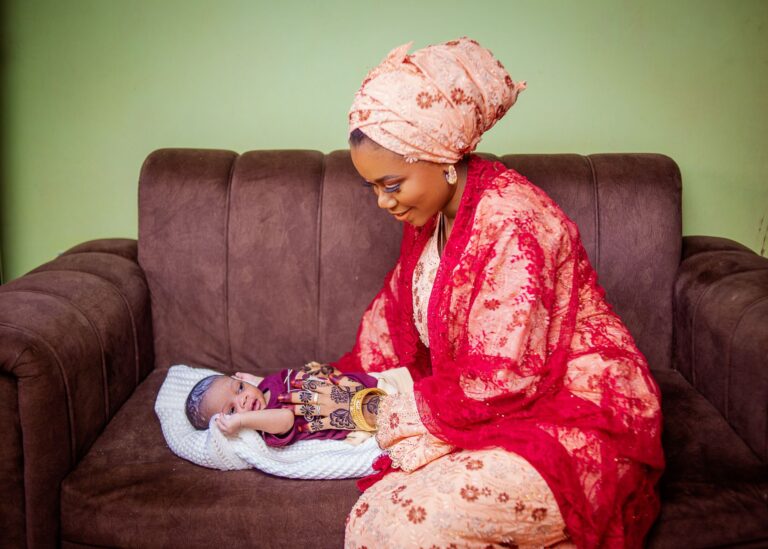
Finding a provider committed to this approach requires asking the right questions and seeking referrals from trusted sources who know your community.

Request a professional evaluation whenever your child seems behind peers, struggles with skills they should have, or shows behaviors that worry you—earlier usually means better outcomes.

You can safely take a newborn outside starting in the first few weeks, with gradual timing and weather-appropriate protection.

Safe gender reveals skip fire hazards and use confetti cannons indoors, color powder, edible reveals, or simple printed announcements—no flames or devices needed.

Start touring daycare facilities in your second trimester so you have time to visit multiple centers, observe authentic classroom life, and make a confident choice that fits your family.
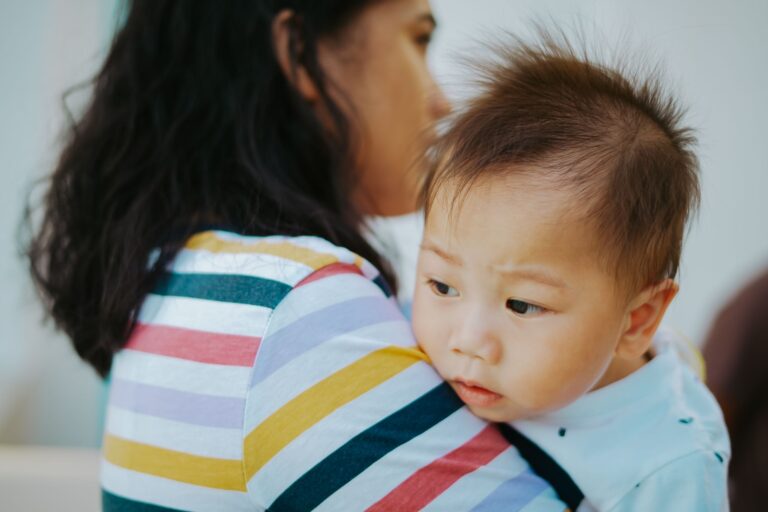
Tantrums are normal from age 12 months through 4, peaking at 18-36 months when toddlers want autonomy but lack emotional regulation skills to handle disappointment.