
How Often Should You See Your Doctor?
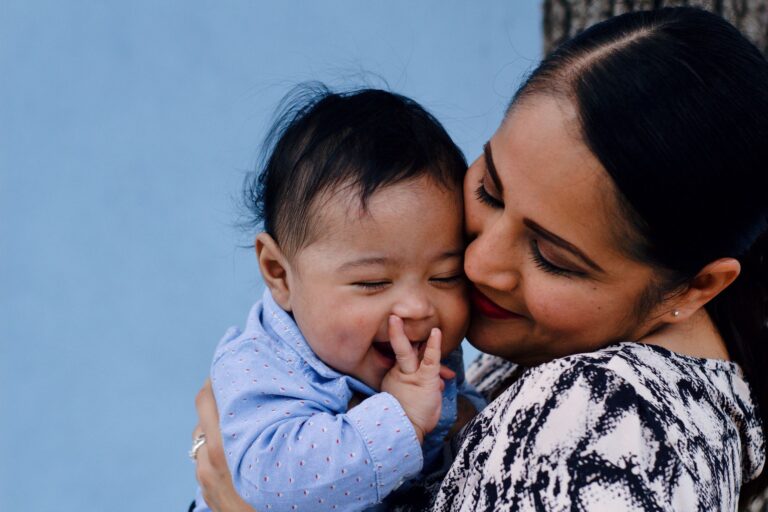
Your child needs regular checkups on a set schedule: clustered in the first year, then annually through childhood. These visits catch growth and development problems early.
Your child needs regular checkups on a set schedule: clustered in the first year, then annually through childhood. These visits catch growth and development problems early.

You cannot plan your baby's sex before conception, but prenatal testing can determine it with high accuracy, and sex selection is possible through IVF.

Infertility means conception has not happened after one year of trying (or six months if you are 35 or older)—but many people with this diagnosis do conceive with evaluation and support.

Have sex during the five days before ovulation and the day of ovulation itself—the window when pregnancy is most likely to happen.
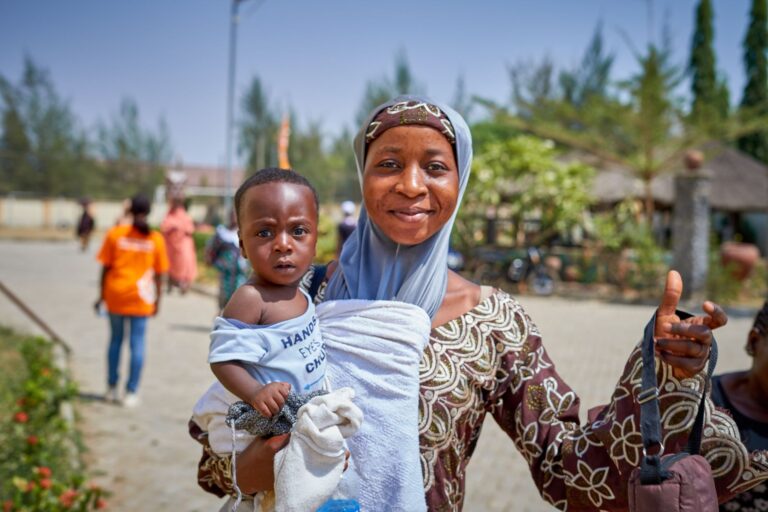
Introduce peanuts around six months, when your baby can sit up and shows interest in food—early exposure may help prevent allergies.
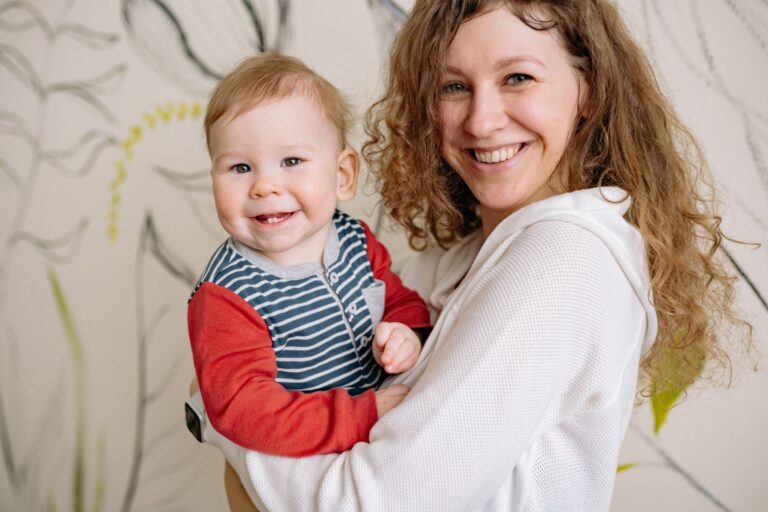
Date nights with kids are possible and necessary—they don't require hiring a sitter or leaving your home, and they strengthen the partnership that holds your family together.
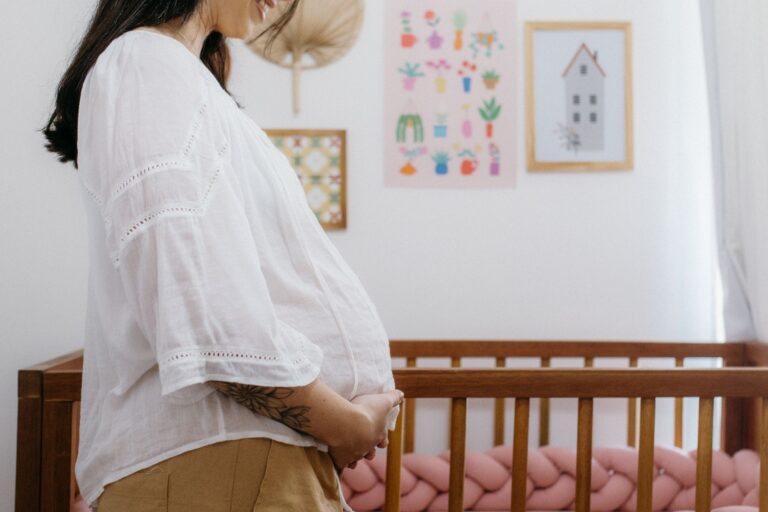
Yes, you can be pregnant with a negative test. Here's why this happens, when to retest, and when to see a clinician for a blood test.

Preschool usually starts at age 2.5 to 4 depending on your child's readiness, your family's needs, and when programs accept enrollment in your area.
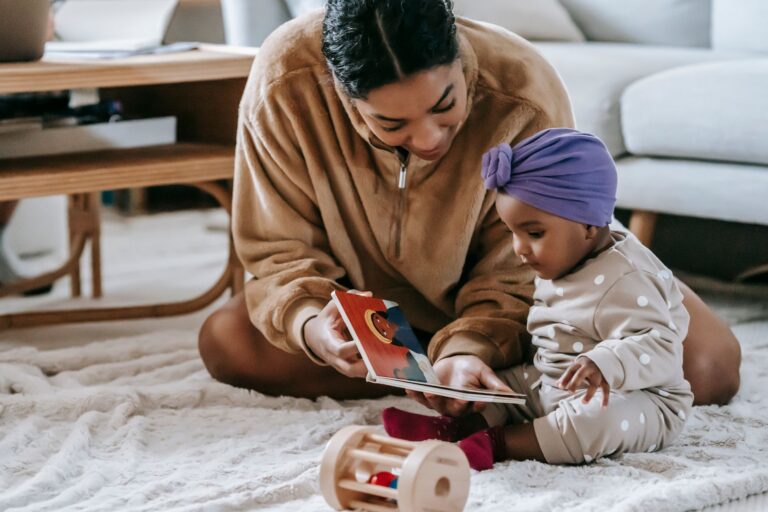
Independence develops gradually across childhood through choices, responsibilities, and learning from consequences—not as a sudden shift at age eighteen.

Milk usually comes in between days three and five as your body transitions from colostrum to larger milk volumes—here's what to expect and when to seek help.