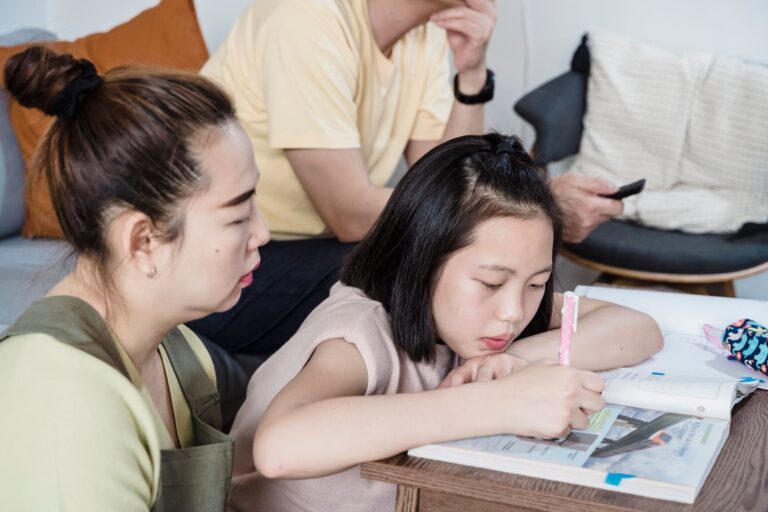
Family traditions are repeated practices your family intentionally creates together—breakfast rituals, holiday customs, bedtime routines, or annual outings. They become the threads that bind your family's identity across years and changes. Unlike habits you fall into, traditions are chosen and honored, giving children predictability, belonging, and the sense that their family is unique.
Creating traditions does not require special resources or perfect moments. It begins with noticing what your family already does naturally, deciding what matters to you, and then showing up for it consistently. The strongest traditions are the ones your family actually wants to repeat, not the ones you think you should have.
Table of Contents
- Start With What Feels Natural
- Traditions for Different Ages and Stages
- Making Traditions Fit Busy Schedules
- Navigating Traditions Through Major Changes
- Building Traditions With Extended Family
- Holiday and Seasonal Traditions
- Rituals That Ease Difficult Moments
- Creating Traditions Without Guilt or Pressure
- Traditions as Children Age Into Adulthood
- Starting Traditions When You Had None
- Frequently Asked Questions
Start With What Feels Natural
The easiest traditions grow from what you already do. If your family gravitates toward baking together, that is a tradition waiting to happen. If Sunday breakfast happens most weeks, naming it and protecting that time transforms it into something intentional. You do not need a fresh idea; you need permission to notice and honor what works.
Starting small prevents overwhelm. One consistent bedtime story routine, one weekly dinner where phones stay away, or one monthly adventure to a favorite place can anchor your family's identity. Children remember what repeats, not what is elaborate. A simple ritual done reliably matters more than an ambitious tradition attempted once. Involve your children in naming what you are creating.
Ask them what they enjoy about Sunday mornings or what game they want to play every Friday. Children who help design a tradition own it differently. They stay engaged and excited because they chose something, not because you did. Timing matters. Traditions work best when they fit your family's rhythm without forcing it. If bedtime is chaotic, a lengthy wind-down ritual may fail.
If your schedule is irregular, a once-weekly commitment keeps expectations manageable. Start by trying a tradition for three to four weeks to see if it sticks naturally. Let early versions be imperfect. Your first family movie night might be interrupted. Your Saturday breakfast might happen at 8 a.m.
sometimes and 10 a.m. others. Perfection kills traditions. Consistency in showing up matters far more than flawless execution.
Traditions for Different Ages and Stages
Infant and newborn families build traditions around daily care—a song during diaper changes, a specific cuddle time after feeding, a way you settle into bedtime. These early rituals soothe your baby and create patterns in your day that carry you through exhaustion. They are invisible traditions but powerful ones. Toddlers thrive with sensory and playful traditions.
A specific snack before pickup from daycare, a dance party before cleaning toys, or a hand-washing song can ease transitions. Toddlers love repetition and anticipate the ritual. These traditions give toddlers agency and make caregiving smoother. Preschoolers want to participate in decisions and often enjoy traditions with anticipation built in. A chart showing which day you visit grandparents, a special outfit they choose for a weekly activity, or a "yes day" where they plan one outing gives them ownership.
Traditions become tools for teaching that some things you do as a family. School-age children can handle more complex traditions—board game tournaments, cooking projects that take planning, or trips that require saving up money. They begin understanding how traditions connect to family values. A child might notice that your Tuesday library trip teaches you care about reading, or that your volunteer day means helping others matters.
Teenagers often seem resistant to family traditions but actually need them. They are building independence while still needing belonging. A tradition that gives them a small role or respects their growing autonomy—movie night where they pick the film, a family meeting they attend, or a trip they helped plan—keeps them connected without feeling infantilized. Traditions also evolve with family changes.
A new sibling needs integration into existing rituals. A new stepparent should not immediately take over; instead, traditions might expand to include new people gradually. Loss and grief change what traditions mean; revisiting them or creating new ones honors change without erasing what came before.
Making Traditions Fit Busy Schedules
The most common barrier to traditions is time. Families are pulled in directions—work schedules, extracurriculars, school, commutes. A tradition does not have to be lengthy to count. A fifteen-minute breakfast conversation, a five-minute bedtime talk, or a monthly outing all create connection. Anchoring traditions to existing time blocks works better than finding new pockets of time.
A bedtime story exists in time you already spend with your child. A car ritual during school pickup rides happens whether you name it a tradition or not. Transform what is already happening into something intentional. Simplify traditions during high-stress seasons. During exam weeks, intense work periods, or family crises, you might pause a large monthly tradition but keep a small daily one.
Traditions can scale down temporarily without disappearing. Your family can acknowledge: "We will do our full celebration when things settle" without abandonment. Combine traditions with practical necessities. Dinner together is a tradition that also feeds your family. A walk after dinner gets exercise and connection. Learning to cook together accomplishes meal preparation and builds skills.
Traditions do not have to add to your load if you notice the ones already embedded in survival. Technology can support realistic traditions. Video call rituals with far-away family, a shared playlist for your car drives, or a group chat where family shares photos makes traditions possible across distance. These are not substitutes for physical presence but tools for connection when distance is real.
Navigating Traditions Through Major Changes
A new baby reshapes family traditions. An older child's school drop-off ritual might shift when an infant joins your family. Traditions that required two parents now belong to one or three. Rather than abandon existing traditions, adapt them. Your older child might now be the one to choose the baby's lullaby, or a drive ritual becomes solo time with the older child while the baby naps.
Separation or divorce does not end traditions, though it changes them. Children benefit when both parents continue similar routines. Saturday breakfast might be with Mom in one home and with Dad in another. Each parent can create new traditions in their separate space. Consistency across households eases transitions. Relocation disrupts traditions built in a specific place.
A walk to your favorite park, a store visit before holiday decorating, or a restaurant where you celebrate becomes impossible. Acknowledge what you are leaving, but do not preserve it unchanged. Find a new park, a new store, a new restaurant. The tradition's heart is the time together and what it represents, not the exact location.
Loss and grief reshape how traditions feel. Holidays might be harder when someone has died. Traditions that involved a beloved person require thoughtful attention. Some families honor the person by continuing the tradition with their memory present. Others create entirely new traditions to mark what has changed. Both approaches are valid; your family decides. Aging parents or adult children moving away change whose traditions they are.
A yearly family weekend might become an annual reunion that costs more and happens less often. A weekly dinner becomes a monthly one. These are not failures; they are evolutions. The tradition adapts to the family's current reality.
Building Traditions With Extended Family
Traditions span biological and chosen family. A grandparent who bakes with you, an aunt who hosts game nights, or a close family friend who joins your traditions becomes part of your family's anchor. These traditions matter to children's sense of extended belonging. Coordinate across households carefully. A tradition with grandparents works best when everyone's expectations align.
Is it every Sunday or once a month? Will gifts exchange hands? Can kids invite friends? Clarity prevents resentment. Put it in writing if multiple adults are involved. Cultural and religious traditions carry family identity forward. These often involve specific practices tied to meaning. Teaching children why you light candles, why you gather for a certain meal, or why you visit a specific place connects them to heritage.
Traditions become a way children learn who their family is. Traditions can honor people's roles. Grandparents might host annual birthday dinners. An uncle might lead specific games. An older sibling might teach a younger one something particular. When people have recognized roles in traditions, they stay invested and the ritual strengthens. Creating new traditions with remarried or blended family members requires intentional choices.
You might honor traditions from each prior household while also building ones that belong to the new configuration. This signals that change does not erase the past but creates space for new bonds.
Holiday and Seasonal Traditions
Holidays naturally support traditions because they happen on the same date yearly. Holiday traditions often start before children are born and outlast the years when children are home. These are often the traditions families talk about most. Start holiday traditions earlier than you think makes sense. Even when children are infants and will not remember, you are building the patterns your family will follow for years.
Your one-year-old cannot anticipate the tree decorating, but your four-year-old can and will. Early starts build anticipation and ownership in older children. Keep holiday traditions realistic for your actual life. A tradition of preparing a full meal from scratch every holiday might appeal to you in theory but exhaust you in practice. A tradition of ordering your favorite takeout is just as powerful if your family loves it and you will actually do it.
Honesty prevents traditions from becoming resentment. Seasons offer opportunities beyond major holidays. First day of school, first snow, spring planting, summer picnics, leaf color changes—these can anchor rituals. Your family might have a specific outing for each season or a way of marking the transition. Seasonal traditions connect children to the year's rhythm. Traditions can acknowledge both celebration and difficulty.
If your family has experienced grief during a particular holiday, a tradition that honors what is missing as well as what is present lets children grieve. This might be lighting a candle, telling stories about the person, or creating something in their memory. Revisit holiday traditions regularly. What worked when your children were small might feel boring at ten.
What made sense for your household of four might not work when you have stepchildren. Give yourself permission to change traditions instead of forcing ones that have run their course. The heart matters; the specific form can evolve.
Rituals That Ease Difficult Moments
Some of your most important traditions smooth daily friction points. A goodbye ritual at school drop-off, a hello ritual when you reunite, a transition ritual before homework, a settling ritual before sleep—these are the traditions that shape your child's emotional world. Bedtime rituals are worth protecting because they are powerful. A consistent sequence signals to your child's body and brain that sleep is coming.
Bath, pajamas, story, cuddles, song—the order matters less than the consistency. Children with reliable bedtime rituals often sleep better and have fewer fights about sleep. Transition rituals help children move between activities without meltdowns. Before leaving the park, maybe you have a song or a special handshake. Before switching from play to dinner prep, maybe you give a warning and then a specific signal.
These small rituals reduce friction and teach children that changes can be predictable. Morning routines become traditions that set the day's tone. Does your family eat breakfast together? Rush out the door? Start with a check-in about everyone's day? These patterns become expectations your children rely on. A consistent morning tradition means fewer power struggles about getting ready.
Reunion rituals matter when people who live together have been apart. How do you greet each child when you pick them up from school or they arrive home from an outing? A quick kiss, a specific question, a special handshake? These micro-rituals make children feel seen and wanted. Conflict rituals can transform how your family handles disagreement. Do you take cool-down time then talk? Do you take a walk together? Do you have a specific way of apologizing and making up? Families with predictable patterns for conflict move through arguments and restore connection faster.
Creating Traditions Without Guilt or Pressure
Traditions fail when they become performance or obligation. If you are doing something because you think you should, your child will sense the resentment. The most genuine traditions come from what actually matters to your family, not what you imagine other families do. Abandon traditions that are not working. If game night happens and nobody enjoys it, you can stop.
If an annual trip exhausts everyone, try something different. Guilt keeps parents stuck. A tradition that nobody loves is not a failure; it is information. Your family's joy is more important than sticking to plans. Traditions also do not require celebration or expense. A tradition can be a 10-minute walk, a specific meal, a conversation, a joke you repeat.
The cost is invisible if the connection is real. Some of the most meaningful traditions are free. Let traditions have bad years. A holiday when someone is sick, a birthday when the celebration falls apart, a regular ritual that gets skipped—these interruptions do not end the tradition. Your child learns resilience and that traditions survive disruption.
Resume when you can. Create traditions that match your values, not your image. If you value outdoor time, your traditions might be hiking or gardening. If you value creativity, they might be building, cooking, or arts projects. If you value learning, they might be library visits or experiments. Traditions rooted in what you actually believe in feel effortless because they align with your life.
Traditions as Children Age Into Adulthood
As children become teenagers and adults, traditions often transform rather than disappear. A weekly dinner might become a monthly one. An activity they participated in might become one they help lead. An annual trip might be planned partly by them. Some traditions fade naturally as children age. A five-year-old loves the special sandwich cut into shapes; a fifteen-year-old finds it embarrassing.
Release traditions that no longer fit without mourning. Your child can still love time with family without the specific ritual that worked years ago. Adult children often recreate or seek out traditions from their childhood when they have families of their own. The bedtime story they resisted at age twelve becomes something they offer their own toddler.
The annual trip they complained about becomes something they prioritize. Traditions you created stick differently than you might expect. College and independent living change when and how traditions happen, but not whether they matter. A family call on Sunday, a winter break reunion, an annual holiday—these long-distance traditions strengthen relationships across separation. Adult children often appreciate traditions they once resisted.
Some traditions become meaningful to extended family and multiple generations. What started as your way of celebrating together becomes something your parents expect, something your siblings now do, something your children plan around. These traditions become part of family infrastructure.
Starting Traditions When You Had None
If you grew up without family traditions, creating them for your own children might feel uncertain. You might not know what to do or feel like you are inventing something "fake." This worry is unnecessary. Every tradition someone cherished started as someone's first idea. Start by noticing what you enjoy. Do you like cooking? Hiking? Movies? Puzzles? Cards? Reading? These are seeds.
Your first traditions often grow from what is already easy for you. Your children will inherit not a perfect ritual but your genuine happiness in doing something together. Ask your own childhood what you missed and what you want different. If you lacked predictable connection, maybe dinner together matters to you. If holidays felt chaotic, maybe you want specific rituals.
If you were isolated, maybe you want frequent time with extended family. Your traditions can intentionally repair what felt missing. Borrow freely from other families. See something another family does that appeals to you? Try it. Change it to fit your life. Make it yours. Traditions are not copyrighted. Your family might blend your parents' approaches with something entirely new.
Start small because tradition building is an experiment. Try something for a month and see what sticks. You will feel natural doing some things and forced doing others. Trust that feeling. Your family's traditions will be shaped by trial, not by planning. Give yourself grace in building traditions. Every family's version is specific to them.
The traditions that feel authentic to your actual life, that bring your family together without resentment, and that you will actually do are the ones that matter. Stop measuring against an imagined perfect version and start with the next week.
Frequently Asked Questions
What counts as a family tradition?
A tradition is any repeated practice your family does together with intention. This includes daily rituals (bedtime stories, breakfast together), weekly habits (movie night, Sunday outings), seasonal celebrations (holiday decorating, first-day-of-school traditions), and annual events (family reunions, milestone birthdays). The tradition does not need to be large or complicated. A five-minute conversation before sleep, a specific joke you repeat, or a monthly walk together all count.
How do I start traditions when I feel I had none growing up?
Begin with what genuinely interests you. Do you enjoy cooking, hiking, game nights, or reading together? Build traditions around these. You can also borrow ideas from other families and adapt them to fit your life. Start small—one consistent ritual is enough to begin. You will develop your family's unique version through doing, not through planning perfectly first.
Should I force my child to participate in family traditions?
Inviting is better than forcing. Most children enjoy predictable rituals once they experience them, but resistance often fades with time and consistency. If a tradition causes genuine distress, adjust or pause it. A tradition should feel connecting for most of your family most of the time. If it becomes a battle, it has lost its purpose.
What do I do when major life changes disrupt traditions?
Adapt rather than abandon. When a new baby arrives, a sibling might join the bedtime ritual. When you relocate, you find a new location for an annual tradition. When someone dies, you might acknowledge their absence while continuing. You can pause traditions during intense periods and resume when things settle. Flexibility teaches children that traditions survive change.
How do I keep traditions alive when my schedule is extremely busy?
Scale traditions to fit your real life, not an imagined ideal one. A fifteen-minute bedtime story is just as powerful as an hour together. Anchor traditions to time you already spend—a conversation during the car ride, a snack together during a regular routine. You might also temporarily simplify traditions during hectic seasons and expand them again when you can.
Can traditions work with children in two separate households?
Yes. Many separated or divorced parents maintain similar traditions in each home. A child might have Saturday breakfast traditions with one parent and Sunday traditions with the other. You can also create entirely new traditions unique to each household. Consistency across homes helps children feel secure even as the specific traditions might differ.