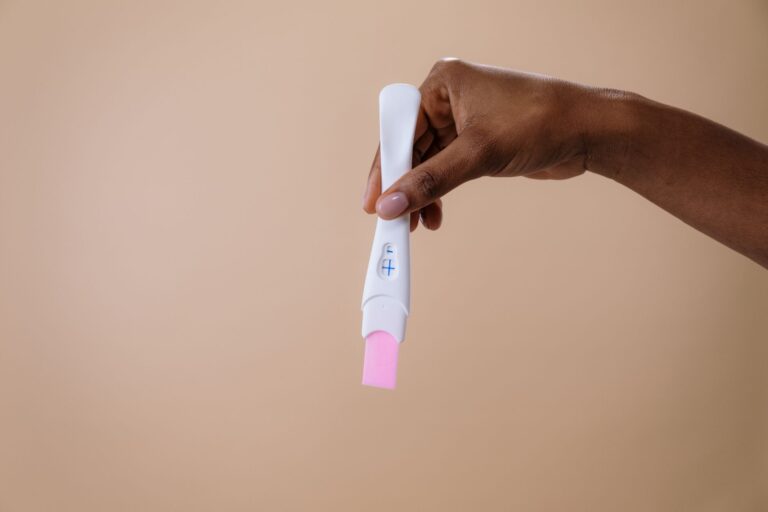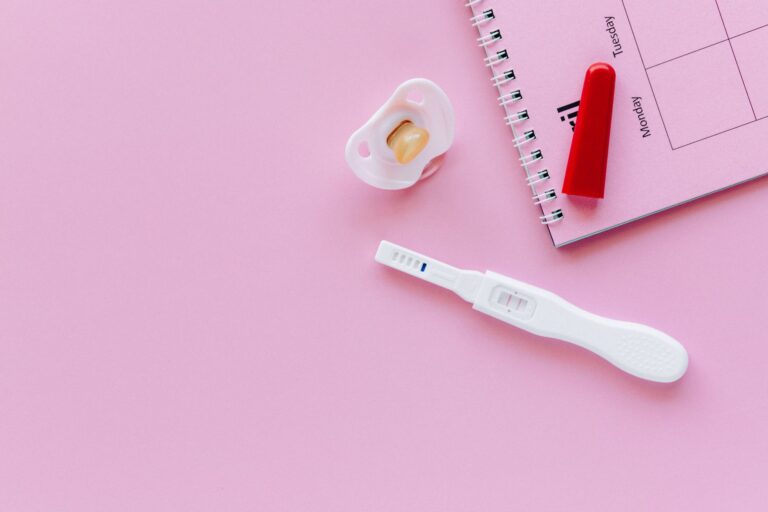
You're pregnant if a pregnancy test detects human chorionic gonadotropin (hCG), a hormone your body makes after a fertilized egg attaches to your uterus. The most reliable way to know is a pregnancy test—either an at-home urine test or a clinical blood test—which can detect hCG within days to weeks of conception, depending on the type.
Many women notice physical changes before a positive test. Missed period, breast tenderness, nausea, and fatigue are common early signs, but they overlap with other conditions, so a test is the only way to be certain. A clinical blood test is the most accurate, but home urine tests are reliable when used correctly and at the right time.
Table of Contents
- Early Physical Signs of Pregnancy
- How Pregnancy Tests Detect Pregnancy
- At-Home Urine Tests vs Clinical Blood Tests
- Timing: When Can You Actually Detect Pregnancy?
- What Pregnancy Symptoms Actually Mean
- False Positives and Negatives—What Goes Wrong
- When to Call Your Doctor After a Positive Test
- Physical Changes in the First Weeks
- Special Situations Affecting Pregnancy Detection
- After a Positive Test—What Comes Next
- Frequently Asked Questions
Early Physical Signs of Pregnancy
The first sign of pregnancy is often a missed period, which happens about 12 to 16 days after ovulation when the egg is fertilized. Before your period is due, you might notice breast soreness or swelling, a feeling of fullness similar to premenstrual changes but sometimes more pronounced.
Nausea—sometimes called morning sickness even though it can happen any time—often starts around 4 to 6 weeks after your last period and can range from mild queasiness to severe vomiting. Fatigue is another early marker. Pregnancy hormones, especially progesterone, make many women feel exhausted even after adequate sleep. Some women experience light spotting or cramping when the embryo implants in the uterus, which can happen 6 to 12 days after ovulation and might be mistaken for an early period.
Food aversions and cravings can start early. You might suddenly find foods you love unappealing, or crave things you normally avoid. Heightened sense of smell is also common—odors that never bothered you before may trigger nausea. Frequent urination can begin in the first weeks because pregnancy hormones affect how your kidneys process fluid and because your uterus growing presses on your bladder.
Mood changes, including irritability, sadness, or anxiety, happen in response to shifting hormone levels. Dizziness or lightheadedness may occur as your blood volume increases and blood vessels expand. Low blood pressure or low blood sugar can intensify this feeling. Constipation sometimes develops because progesterone slows the digestive system. Cramping that feels like period cramps but occurs before your expected period can be a sign of implantation, though it's easy to confuse with approaching menstruation. The cramping typically feels mild and is usually not accompanied by heavy bleeding.
How Pregnancy Tests Detect Pregnancy
All pregnancy tests work by measuring human chorionic gonadotropin (hCG), a hormone your body produces after a fertilized egg implants in your uterus. The egg must first fertilize, travel down the fallopian tube, and attach to the uterine lining—a process that takes about 6 to 12 days.
Only after implantation does your body begin making hCG, so tests cannot detect pregnancy before this happens. hCG levels roughly double every 2 to 3 days in early pregnancy, which is why a test taken too early may miss it even though you are pregnant. Blood tests can measure hCG more precisely and in smaller amounts than urine tests, making them more sensitive.
A quantitative blood test (called a beta hCG test) gives a specific number; a qualitative test simply says yes or no. Urine tests require hCG to concentrate enough in your urine to trigger a visible line or signal. This usually happens by the first day of a missed period for most women, though some sensitive tests claim to detect hCG a few days before.
Morning urine is most concentrated, so first-morning-of-the-day tests tend to be more reliable than afternoon or evening tests. The hormone hCG is unique to pregnancy—you don't make it otherwise—so a positive test is strong evidence you are pregnant. The timing and strength of the line or indicator on a home test do not reliably indicate how far along you are or the health of the pregnancy.
A very faint line still means hCG is present. Test accuracy improves significantly after your period is missed. Studies show that at-home urine tests are 99% accurate on the day of a missed period when used correctly, but only 50% to 60% accurate in the days before. Using the test as directed—usually holding the stick in your urine stream or dipping it into collected urine—is critical.
Some substances and medications do not affect pregnancy test results. Tests look specifically for hCG and do not react to aspirin, caffeine, alcohol, antibiotics, or birth control. Food and drink in your system do not change the outcome.
At-Home Urine Tests vs Clinical Blood Tests
At-home pregnancy tests are convenient, affordable (typically $1 to $15), and can be used in privacy. They detect hCG in urine and are reliable when used correctly on or after the day of a missed period. The results appear within minutes. These tests come in various brands, and sensitivity varies slightly—some brands claim to detect hCG earlier than others, though differences are often small.
The downsides of at-home tests include operator error, lower sensitivity before a missed period, and lack of information about hCG levels or your health. A negative test before your period is due may give you a false sense that you're not pregnant, when you may simply be testing too early. Expired tests or those stored in very hot or cold conditions may not work reliably.
Clinical blood tests, ordered by a healthcare provider, measure hCG in blood plasma and are more sensitive than urine tests. A quantitative hCG blood test tells you the exact level of the hormone, which can help date the pregnancy and rule out ectopic pregnancy or miscarriage. Blood tests can detect pregnancy earlier than home urine tests—often 6 to 8 days after ovulation, even before a missed period.
Blood tests also identify your blood type and Rh status (positive or negative), information at-home tests cannot provide. For Rh-negative women, knowing this matters for pregnancy management because an Rh-positive baby requires a preventive injection to avoid antibody complications in future pregnancies. Clinical tests cost more—often $25 to $100 depending on insurance and location—and you cannot do them yourself.
You need an appointment and a lab or healthcare office to draw the blood. Results typically come back within hours to a day, though some offices report results the same day. For most people, a home test on or after a missed period is sufficient. A clinical blood test is worth pursuing if you have a negative at-home test but still suspect pregnancy, if you have irregular periods (making a "missed" period unclear), if you have early miscarriage concerns, or if you have Rh-related considerations.
Timing: When Can You Actually Detect Pregnancy?
Pregnancy is dated from the first day of your last menstrual period (LMP), not from conception, even though fertilization actually happens during that cycle. This means two weeks of "pregnancy" pass before the egg even fertilizes. If your cycle is 28 days, ovulation typically happens around day 14, and fertilization must happen within 12 to 24 hours after ovulation.
After fertilization, the embryo spends 5 to 7 days traveling to the uterus, then takes 1 to 2 weeks to implant completely. hCG production ramps up after implantation, which usually occurs around 8 to 12 days after ovulation. Most women ovulate around cycle day 14, so implantation typically happens around day 22 to 26 of your cycle.
If you have a standard 28-day cycle, your period is due on day 28, which means hCG may still be very low or undetectable the day before your period is due. By the first day of a missed period (day 29), hCG has usually risen enough for reliable detection by sensitive home tests. By day 30 or 31, hCG is high enough that even less-sensitive tests typically detect it.
If your cycle is longer—say 32 to 35 days—ovulation and implantation happen later, so your hCG rises later. Testing before your period is due will be less reliable. Irregular cycles make it hard to predict when a period is truly missed versus simply delayed. In that case, waiting until at least 12 to 14 days past ovulation (if you know when that was) increases reliability.
Testing too early is the most common reason for a false negative result. Even a very sensitive home test may miss pregnancy if used before hCG has risen enough. Many negative tests obtained before a missed period turn into positives when the test is repeated after the period is late. This is not a test failure—it is timing.
Blood tests can detect hCG earlier than urine tests, sometimes 6 to 8 days after ovulation, though the hCG level at that point is very low. For women who need to know quickly, a clinical blood test offers a few extra days, but even blood tests may miss very early pregnancy if tested fewer than 8 days after ovulation.
What Pregnancy Symptoms Actually Mean
Early pregnancy symptoms overlap significantly with premenstrual syndrome (PMS), hormonal conditions, and other illnesses, which is why symptoms alone cannot confirm pregnancy. Breast tenderness occurs in both PMS and pregnancy because both involve progesterone. Fatigue, mood changes, and nausea can signal PMS, illness, stress, or medication side effects. Missed period is the most specific symptom, but not foolproof.
Periods can be delayed by stress, illness, extreme exercise, significant weight changes, or hormonal conditions like polycystic ovary syndrome (PCOS). A period can also appear lighter or shorter in very early pregnancy if the embryo is not producing hCG levels high enough to fully suppress menstruation, though true menstrual bleeding usually indicates you are not pregnant.
Implantation spotting—light bleeding when the embryo implants—is often cited online but is far less common than many sources suggest. Most women have no spotting at all. If spotting does occur, it is usually lighter than a period, lasts only a day or two, and happens 6 to 12 days before a missed period would be due.
Cramping that mimics period cramps can happen in early pregnancy but also happens with PMS, appendicitis, bowel issues, or an approaching period. Pregnancy cramps are typically mild and even, not sharp or one-sided. Severe one-sided cramping should be evaluated by a doctor to rule out ectopic pregnancy. Heightened sense of smell and food aversions are more specific to pregnancy than other conditions, but they can also signal illness, hormonal changes, or even serious conditions like tumors that trigger nausea.
These symptoms alone do not confirm pregnancy. The key point: symptoms are a reason to consider testing, not proof of pregnancy. A test is the only way to know for certain. If you have symptoms and are sexually active, a test offers reassurance either way.
False Positives and Negatives—What Goes Wrong
A false positive pregnancy test—a positive result when you are not actually pregnant—is rare with home urine tests when used correctly, occurring in fewer than 1% of cases. Most false positives come from tests that have expired, been stored improperly (exposed to extreme heat or cold), or that are misread due to line evaporation (a faint mark that appears hours after the test window).
Certain medications and medical conditions do not cause false positives, but human chorionic gonadotropin (hCG) can remain in your bloodstream for 4 to 6 weeks after a miscarriage or termination, so a positive test after either event does not mean you are currently pregnant. Some medical conditions increase hCG without pregnancy. Certain cancers produce hCG, though this is rare.
Trophoblastic disease (an abnormal tissue growth in the uterus) also produces hCG. These are serious conditions that require evaluation, so any positive test should be followed by a clinical blood test and ultrasound. False negatives—a negative test when you are actually pregnant—are more common than false positives. Testing too early is the top reason. Using dilute urine (drinking too much water before testing, or using afternoon or evening urine) can also cause false negatives because hCG concentration is lower.
Not following test instructions correctly, expired tests, and storage problems all reduce accuracy. Medications do not typically cause false negatives. Fertility medications containing hCG (like those used in assisted reproduction) will cause a positive test because the test cannot distinguish injected hCG from pregnancy-related hCG, but other medications do not interfere. Alcohol, caffeine, and common medications like acetaminophen do not affect results.
If you receive a negative test but still have missed periods and pregnancy symptoms, test again after a few days or ask for a clinical blood test. Some pregnancies develop slowly and produce lower hCG levels, though most progress normally. An ectopic pregnancy (where the embryo attaches outside the uterus) produces hCG but may progress differently than intrauterine pregnancy, so repeat testing or ultrasound may be needed.
If you get a positive result, follow up with a healthcare provider for a clinical test and ultrasound to confirm the pregnancy location and viability. Some positive results may be very early pregnancies that naturally end within days (a chemical pregnancy), so hCG levels help determine what's happening.
When to Call Your Doctor After a Positive Test
Once you have a positive test result, contact your obstetrician, midwife, or primary care doctor within a few days to schedule a prenatal appointment. If you do not have a regular gynecologist or obstetrician, call your primary care provider or look for a prenatal clinic or midwifery practice. Many practices see new patients within 2 to 4 weeks for the first prenatal appointment.
Seek immediate medical attention (call 911 or go to an emergency room) if you have severe abdominal pain on one side, heavy vaginal bleeding with dizziness or fainting, or signs of shock like rapid heart rate, confusion, or pale, clammy skin. These can indicate ectopic pregnancy or miscarriage and need urgent evaluation. Do not wait for a scheduled appointment if you have these symptoms.
Call your doctor promptly (same day, if possible) if you have heavy vaginal bleeding (more than a light period), severe nausea or vomiting that prevents you from keeping food or fluids down, sudden high fever, or severe headache. While not all of these necessarily mean something is wrong, they warrant professional evaluation. If you are taking any medications—including over-the-counter drugs, supplements, or prescribed medications—discuss them with your doctor at or before your first prenatal appointment.
Some medications are safe in pregnancy; others need to be changed or stopped. Do not stop prescribed medications on your own without guidance. If you smoke, drink alcohol, or use recreational drugs, tell your healthcare provider. Early pregnancy is the most critical time for fetal development, and your provider can discuss the risks and offer support for making changes.
This is not about judgment—it is about giving your baby the best possible start. If you have a history of miscarriage, ectopic pregnancy, or fertility treatment, your provider will need to know this to offer appropriate monitoring and care. Early pregnancy in these situations sometimes requires more frequent ultrasound or hCG level checks.
Physical Changes in the First Weeks
In the first four weeks after a positive test, your body begins producing pregnancy hormones at rising levels, which triggers visible and invisible changes. Breast tissue expands and blood flow to your breasts increases, making them feel fuller, tender, and heavier. The areola (the darker area around your nipple) often darkens and may develop small bumps called Montgomery glands, which secrete oils to keep skin supple.
Your uterus begins growing immediately. It is normally the size and shape of a pear; early in pregnancy, it starts to enlarge and soften. You may feel this as lower abdominal bloating or a sense of heaviness in your lower belly. Some women notice their lower abdomen is visibly fuller even before they gain significant weight, because the uterus is growing even though the fetus is still tiny.
Hormone levels, especially progesterone, cause your digestive system to slow down. Food moves through your intestines more slowly, which is why constipation is common in early pregnancy. The relaxation of smooth muscle in your digestive tract also increases gas production, leading to bloating and flatulence. Your cardiovascular system adapts to support pregnancy. Blood volume increases by 50% over the course of pregnancy, but in early weeks, this change is already beginning.
Lower blood pressure, increased heart rate, and changes in how blood flows to your body can cause dizziness, lightheadedness, or shortness of breath with exertion. Skin changes begin early for some women. Increased blood flow can create a pregnancy glow; for others, hormonal changes trigger acne or dark patches (melasma, sometimes called chloasma or the mask of pregnancy).
A dark line may appear down the center of your abdomen (linea nigra), which is a normal response to pregnancy hormones. Your sense of taste and smell sharpen dramatically. Some women find foods they loved are suddenly repulsive; others crave foods they normally dislike. Nausea can be triggered by smells, tastes, or nothing obvious at all.
Some women feel nauseous only at certain times; others have constant low-level queasiness. Sleep needs often increase, and many women find they need 1 to 3 hours more sleep than before pregnancy. Despite sleeping more, some women feel more exhausted. This is because pregnancy requires significant energy and your body is allocating resources to support fetal development.
Special Situations Affecting Pregnancy Detection
If you are using hormonal birth control when you become pregnant, you may still have a positive test even while taking pills, using a patch, or wearing a ring. Hormonal contraception does not eliminate pregnancy entirely—it prevents pregnancy; failure rates range from less than 1% to 9% depending on the method. If you become pregnant while using hormonal birth control, your hCG levels will still rise and a test will be positive.
If you have polycystic ovary syndrome (PCOS), you may have irregular periods, making it hard to identify when a period is truly missed. Tracking ovulation with temperature, ovulation predictor kits, or ultrasound can help you time testing better. PCOS does not prevent accurate pregnancy testing—hCG will still be detectable—but identifying your actual ovulation date improves confidence in negative results.
If you are taking fertility medications or have received assisted reproductive treatment (like IVF or intrauterine insemination), your hCG may be monitored closely with blood tests rather than home tests. Fertility medications containing hCG will cause positive home tests that do not indicate pregnancy, so blood-drawn hCG is used instead. Your fertility clinic will schedule testing and ultrasound before you can take a home test at home.
If you are breastfeeding, pregnancy is still possible, even without a menstrual period. Breastfeeding can suppress ovulation but is not a reliable contraceptive method. If you breastfeed and suspect pregnancy, a test will still detect hCG normally. Pregnancy hormones do not prevent accurate testing. If you have an overactive thyroid (hyperthyroidism), irregular periods are common, and you may not know when to expect your period.
Testing after intercourse occurred would require waiting at least 10 to 14 days for hCG to rise enough for reliable detection. A clinical blood test can help in this situation. If you are older (over age 35) or have health conditions like diabetes or high blood pressure, pregnancy testing works exactly as it does for other women—hCG will be detectable at the expected time. However, your healthcare provider will want to know these details early to offer appropriate monitoring and care.
After a Positive Test—What Comes Next
After a positive test and confirmation by a healthcare provider, your first formal prenatal appointment typically includes a detailed medical history, physical exam, blood tests, and usually an ultrasound. The blood tests check your blood type, Rh status, immunity to certain infections, and general health markers like blood count and liver and kidney function. The ultrasound confirms the pregnancy is in the uterus (not ectopic) and may show a gestational sac and heartbeat if you are far enough along.
Dating the pregnancy is important for planning delivery, monitoring fetal development, and identifying any risks. Dating by ultrasound in the first trimester is most accurate and pinpoints your due date within 3 to 5 days. Dating by last menstrual period is less accurate, especially if your cycles are irregular. Your due date guides all future care decisions.
Your healthcare provider will discuss prenatal vitamins, especially folic acid supplementation, which reduces the risk of neural tube defects. Most prenatal vitamins contain 400 to 800 micrograms of folic acid, and many providers recommend starting supplementation immediately. If you are taking medications, herbal supplements, or have chronic health conditions, your provider will discuss which are safe to continue and which need adjustment.
You will likely be asked about your lifestyle. Smoking, alcohol, and drug use in pregnancy increase risks of miscarriage, growth problems, and birth defects. Your provider can offer resources and support. Caffeine in moderate amounts (under 200 milligrams daily) is generally considered safe, but your provider can clarify limits based on your situation. Prenatal care continues monthly through month 7, then every 2 weeks until month 8, and weekly in the final weeks before delivery.
Each visit includes blood pressure checks, urine tests, and monitoring of your weight and fetal development. Ultrasounds may be done at 18 to 22 weeks (anatomy scan) and again near the end of pregnancy if needed. Decisions about screening tests for chromosomal abnormalities and birth defects are made early in pregnancy. Options include noninvasive prenatal testing (NIPT), amniocentesis, and detailed ultrasound.
Your provider will discuss the risks, benefits, and timing of each. These are optional; you decide whether to pursue screening based on your values and any risk factors. Stay in close communication with your healthcare team throughout pregnancy. Report new symptoms, changes in symptoms, or concerns promptly. Pregnancy typically lasts about 40 weeks from the first day of your last period, with delivery expected around week 40.
- —
Frequently Asked Questions
When is the earliest I can get a positive pregnancy test?
Clinical blood tests can detect hCG as early as 6 to 8 days after ovulation. Home urine tests are reliable starting around the first day of a missed period (typically 12 to 16 days after ovulation), though some sensitive tests may detect hCG a few days before if used correctly with morning urine.
Can I be pregnant but test negative?
Yes. Testing too early is the most common reason for a false negative. Even very sensitive home tests may miss pregnancy if hCG levels are still low. Using dilute urine or an expired or improperly stored test also causes false negatives. If you have a missed period or strong symptoms, repeat testing after a few days or request a clinical blood test.
Does pregnancy feel different for everyone?
Yes. Some women experience strong early symptoms; others notice nothing until weeks into pregnancy. Missed period, breast tenderness, and nausea are common, but not every pregnant person has all of them. The only way to confirm pregnancy is a test, not symptoms alone.
What medications affect pregnancy test accuracy?
Medications like acetaminophen, ibuprofen, antibiotics, and birth control do not affect test accuracy. Fertility medications containing hCG will cause false positives on home tests. Always read test instructions and mention any medications to your healthcare provider after a positive result.
Is a faint line on a pregnancy test as reliable as a dark line?
Yes. Any visible line indicates hCG is present, which means you are pregnant. Line darkness does not reliably indicate how far along you are or the pregnancy's health. A quantitative blood test gives precise hCG levels if you need that information.
Should I test with morning urine?
Morning urine is more concentrated and contains higher hCG levels, making it more likely to show a positive result on a home test. Testing with afternoon or evening urine may produce false negatives if the hCG level is still relatively low. First morning urine gives the most reliable results, especially before a missed period.