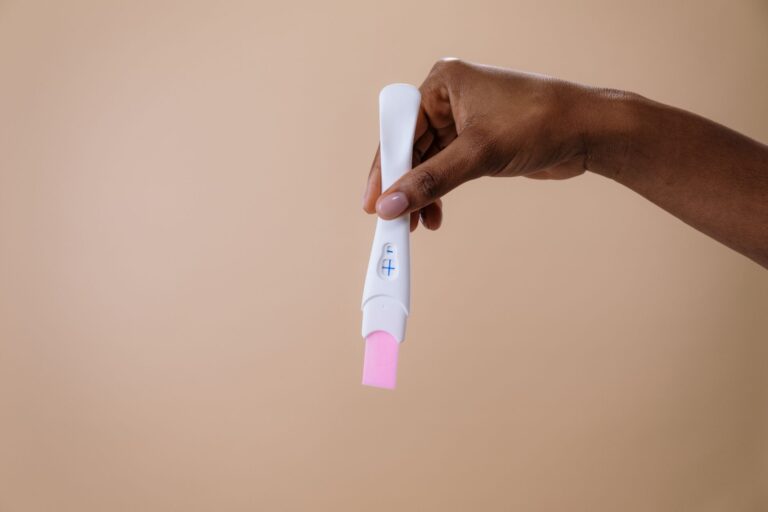
The best time to freeze your eggs or sperm is before egg or sperm quality declines significantly with age—ideally in your 20s or early 30s—but the right timing also depends on your personal readiness, life plan, and whether a medical reason (like cancer treatment or a fertility diagnosis) makes freezing urgent. Freezing is not one-size-fit-all; it is a tool for people who want biological children later, or as insurance before a medical event that could affect fertility. Most people have time to make this decision without panic, but the window does narrow as age increases. The key is to understand how your age, circumstances, and goals align, then talk to a fertility specialist who can assess your specific situation.
Table of Contents
- Why Age Is the Primary Factor
- Medical Reasons That Make Freezing Urgent
- Relationship Status and Life Planning
- What Happens to Eggs and Sperm Over Time
- Understanding the Freezing Process and Timeline
- The Financial Reality of Freezing
- Questions to Ask Before Moving Forward
- Age-Specific Guidance for Your Decision
- What to Expect From Your Medical Evaluation
- Taking Your Next Step
- Frequently Asked Questions
Why Age Is the Primary Factor
Egg quality and quantity decline with maternal age in a predictable way, starting in the late 20s and accelerating after age 35. This does not mean you cannot have a healthy pregnancy after 35—many people do—but the biological trend is real and affects the success of freezing itself: frozen eggs from a woman in her 20s have a higher chance of producing a viable pregnancy than frozen eggs from a woman in her 40s.
Sperm quality also declines with age, but more slowly and less predictably than eggs. Your age at the time of freezing, not your age when you use the eggs or sperm later, determines the biological age of those cells. If you are under 30 and not facing an urgent medical reason, you can afford to take time to decide.
If you are 35 or older and thinking about freezing, moving forward soon typically gives you a better outcome than waiting several more years. Between 30 and 35, the decision depends on your timeline for parenthood and whether other factors (relationship status, finances, medical need) are present.
Medical Reasons That Make Freezing Urgent
If you are about to start cancer treatment, having chemotherapy, radiation, or certain surgeries planned, freezing eggs or sperm before treatment is worth considering right away—those treatments can permanently damage or destroy fertility. Some autoimmune conditions and the medications that treat them may also affect fertility over time, making early freezing an option to discuss with both your oncologist and a fertility specialist.
Endometriosis and polycystic ovary syndrome (PCOS) are not themselves urgent reasons to freeze immediately, but they can make it harder to retrieve eggs later, so freezing before progression may be a practical choice. If a medical condition or treatment is the reason you are considering freezing, start the conversation with your oncology or medical team as soon as possible, because the timing of freezing relative to your treatment matters. Do not wait for a referral; ask directly whether freezing is recommended in your case.
Relationship Status and Life Planning
Many people freeze eggs or sperm before they have a partner or feel ready to parent, treating it as reproductive insurance. Single women, couples not yet ready for children, and people in new relationships sometimes choose to freeze as a way to preserve their options without pressure to have a child right now.
If you are in a stable partnership and both want children eventually but are not ready yet, freezing can buy time. If you are in an early relationship or single, freezing lets you move at your own pace without the biological clock feeling like an external deadline. For people in same-sex or non-traditional family structures, freezing may be part of the practical planning needed to build a family. The choice to freeze is always personal and independent of relationship status—what matters is that freezing serves your own plan, not someone else's timeline.
What Happens to Eggs and Sperm Over Time
Unfrozen eggs age continuously. Every month a woman's ovaries release an egg, and the eggs that remain get older too. When you freeze eggs at 28, those eggs stay biologically 28, even if you do not use them until you are 42. Sperm does age, but men produce new sperm continuously throughout life, so sperm quality is more closely tied to current health than to age at production.
Because eggs age but sperm does not age the same way, female age at freezing is the more critical factor in determining success. Freezing does not guarantee pregnancy. Frozen eggs have a survival rate—some eggs are damaged during the freezing and thawing process—and not all surviving eggs will fertilize or develop into viable embryos. A fertility specialist can give you a personalized estimate based on your age, egg quantity, and other factors.
Understanding the Freezing Process and Timeline
Egg freezing typically takes 10 to 14 days per cycle, involving hormone injections to stimulate the ovaries, an ultrasound monitoring phase, and an egg retrieval procedure under sedation. A single retrieval cycle can produce anywhere from a few to twenty or more eggs, depending on your ovary's response. The eggs are then frozen and stored indefinitely.
Sperm freezing is simpler: a single ejaculation sample is collected, processed, and frozen, often in a single visit. After freezing, eggs and sperm need ongoing storage, which costs money (typically a yearly fee), and your fertility clinic will ask you to make a plan for what happens to your stored biological material if you die or can no longer pay for storage. These are practical questions to think through before you start the process.
The Financial Reality of Freezing
Egg freezing is expensive—a single retrieval cycle can cost several thousand dollars, and most insurance plans do not cover it unless freezing is medically necessary (such as before cancer treatment). Sperm freezing is much cheaper, often costing a few hundred dollars. Ongoing storage for either eggs or sperm typically costs $200–$500 per year. If you freeze and later want to use those eggs or sperm, fertilization and embryo transfer cost additional money.
Some employers offer fertility benefits or will reimburse part of the cost, and some states have passed laws requiring insurance to cover fertility preservation before cancer or other medical treatments. Check your insurance plan and your employer's benefits before assuming you will need to pay out of pocket. If cost is a barrier, discuss it with your fertility clinic, as some offer payment plans.
Questions to Ask Before Moving Forward
Before starting the process, ask your fertility specialist to estimate your individual chance of success—this depends on your age, how many eggs can be retrieved, and their quality, not just on freezing in general. Ask whether there is a medical reason to freeze now (a diagnosis, impending treatment, or an age-related decline in your specific case).
Ask what happens if you change your mind, stop paying for storage, or want to donate your eggs or sperm to research. Clarify the legal status of your stored eggs or sperm if you die, divorce, or lose capacity to make decisions. Ask your clinic about their policies for long-term storage and what triggers a need to renew your storage plan each year. Finally, ask whether there are other options that fit your timeline and goals—not every decision to have a baby in the future requires freezing, and your specialist can help you think through alternatives.
Age-Specific Guidance for Your Decision
If you are in your 20s and not facing medical urgency, freezing is optional—you have time to pursue biological parenthood without freezing if you choose to. If you want the added security, freezing is an option, but do not feel pressured by timing alone. If you are in your early 30s and want children someday, freezing is a reasonable choice if you are not ready now.
If you are 35 or older and want biological children in the future, freezing is worth discussing seriously with a specialist, especially if other factors (career demands, partner uncertainty, or a fertility diagnosis) mean you are not ready to pursue pregnancy right now. These are broad guidelines only. Your personal decision depends on your age, health, goals, relationship status, and finances. A fertility specialist can give you much more precise information about your own situation.
What to Expect From Your Medical Evaluation
Before freezing, your fertility clinic will do blood work to check hormone levels and ovarian function, and an ultrasound to count the eggs in your ovaries (called "antral follicle count"). You may be screened for infections, and your clinic will ask about your medical history, past pregnancies, and family history of genetic conditions. For sperm freezing, testing is usually less extensive: a semen analysis and screening for sexually transmitted infections.
These tests help your specialist tell you what to realistically expect—how many eggs they estimate they can retrieve, and what the survival and fertilization rates might be based on your age and results. None of these tests is invasive, and you can usually get results within days. If you have a diagnosed fertility problem (endometriosis, PCOS, low sperm count), tell your clinic, as it may affect their recommendations.
Taking Your Next Step
If you have decided freezing is right for you, contact a fertility clinic or ask your primary care doctor for a referral. Your first appointment is usually a consultation where you meet a specialist and a nurse coordinator, discuss your goals, and review the process and costs. You can ask as many questions as you need to feel confident.
If a clinic feels like a poor fit, you can consult another one—this is your decision, and finding a team you trust matters. If you are not ready to freeze but want to preserve fertility in other ways, your clinic can also discuss egg or sperm banking, egg donation, or adoption as alternatives. Write down your timeline, your questions, and what outcomes matter most to you before your first appointment. Bring this list with you so you do not forget to address your biggest concerns.
Frequently Asked Questions
Is there a legal age to freeze eggs or sperm?
No federal age limit exists, but fertility clinics typically require you to be an adult (18 or older) and mentally capable of giving informed consent. Minors can sometimes freeze before cancer treatment with parental or guardian consent, depending on clinic policy and state law.
Can I use frozen eggs or sperm after a breakup or divorce?
The legal rights depend on what you signed when you froze them and your state laws. Some people sign agreements saying both partners must consent before using the eggs or sperm; others retain individual rights. Before you freeze, understand what happens if your relationship changes, and make sure the clinic's policy matches what you want.
How much does it cost to freeze eggs, and does insurance cover it?
A single egg-freezing cycle typically costs $5,000–$15,000, and most insurance plans do not cover it unless freezing is medically necessary (such as before cancer treatment). Sperm freezing costs $300–$1,000. Annual storage typically costs $200–$500. Some employers offer fertility benefits, and some states require coverage for medical freezing.
How long can frozen eggs and sperm be stored?
Eggs and sperm can be frozen indefinitely with no known upper time limit. Pregnancies have resulted from eggs and sperm stored for 20+ years. However, you need to pay storage fees and renew your storage agreement yearly, and you must decide in advance what should happen to your stored material if you die.
Will frozen eggs or sperm definitely result in a pregnancy?
No. Frozen eggs have a lower survival rate after thawing, not all surviving eggs will fertilize, and not all fertilized embryos will result in a pregnancy. Success rates vary widely by age and fertility clinic. Your specialist can give you a personalized estimate based on your age and test results.
Can I freeze eggs if I have already been diagnosed with low ovarian reserve or few eggs?
Yes. Even if you have fewer eggs than average, freezing may still be an option. Your fertility specialist will do a detailed evaluation and can tell you what to expect. Sometimes multiple retrieval cycles are recommended to build up a larger bank of frozen eggs.