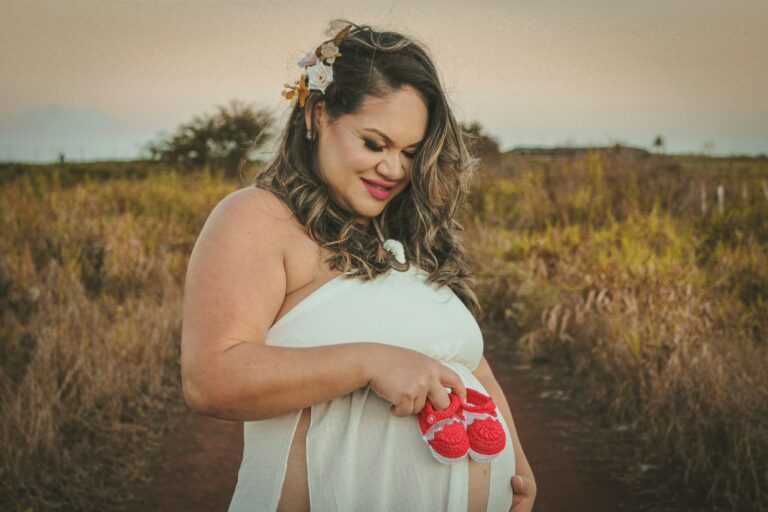
Yes, you can get a massage while pregnant, and it is generally safe throughout pregnancy when done by a qualified prenatal massage therapist. Many pregnant people find massage helpful for the physical discomfort of pregnancy—lower back pain, swelling, leg cramps—though you will need to modify technique, positioning, and pressure compared to a regular massage.
The key is working with someone trained in prenatal massage rather than a standard massage therapist, since pregnancy changes which techniques, positions, and pressure points are safe. Some high-risk pregnancy conditions require doctor approval before massage. This guide walks through what is safe, who should skip it, how to find the right therapist, and what to expect.
Table of Contents
- Safety During Each Trimester
- Why People Choose Prenatal Massage
- Conditions That Require Medical Clearance
- Finding a Qualified Prenatal Massage Therapist
- Positioning and Comfort During Massage
- Pressure Points and Techniques to Avoid
- When Prenatal Massage Should Be Avoided or Paused
- Cost, Frequency, and Access
- What to Expect After a Massage
- Communication With Your Prenatal Care Team
- Frequently Asked Questions
Safety During Each Trimester
Prenatal massage is safe in the first trimester for most people, though some practitioners wait until the second trimester because the risk of miscarriage is naturally highest in early pregnancy. There is no scientific evidence that massage causes miscarriage; the caution is more about timing and peace of mind. By the second trimester, when most miscarriage risk has passed, massage becomes a common comfort measure.
The third trimester is also safe but requires careful positioning to keep pressure off the abdomen. Early pregnancy (weeks 1–12) feels different than later pregnancy from a physical standpoint. Breast tenderness, nausea, and fatigue are common, and some therapists avoid deep pressure on certain points believed to trigger uterine contractions. By the second trimester (weeks 13–27), the discomforts of pregnancy—lower back pain, hip pain, leg swelling—are more pronounced, making this an ideal time for massage.
Late pregnancy (weeks 28–40) brings new challenges: balance problems, swollen feet, and strain on the lower back that massage can address, though the therapist must avoid trigger points and keep you comfortable while lying down. The risk profile does not change based on trimester alone; individual health conditions matter far more.
A person with gestational diabetes, blood pressure concerns, or a condition flagged by their obstetrician may need to skip massage or proceed only with medical clearance. Always mention your full health history when booking prenatal massage, including previous pregnancy losses, current medications, or complications.
Why People Choose Prenatal Massage
Lower back pain affects up to 71% of pregnant people at some point, making it the most common reason to seek prenatal massage. The weight of the growing baby shifts your center of gravity and puts stress on the lumbar spine and surrounding muscles. Regular massage can reduce that tension, improve circulation, and help you move more comfortably.
many people report that massage gives them relief comparable to what they get from physical therapy or at-home stretching. Leg swelling and varicose veins are also extremely common in pregnancy because the growing uterus puts pressure on veins in the legs and the hormone relaxin softens vessel walls.
Prenatal massage cannot reverse varicose veins, but it can improve circulation and reduce the aching sensation many people describe. Swelling typically decreases after massage sessions, though the effect is temporary if the underlying pressure remains. Anxiety and sleep disruption affect sleep quality for many pregnant people. Studies show that massage reduces cortisol (the stress hormone) and increases serotonin, potentially improving mood and sleep.
You may not find published research specific to pregnancy, but the general body of evidence supports massage as a tool for relaxation during a stressful time. Side effects are rare and most people report feeling calmer and more grounded after a session. Muscle tension in the neck, shoulders, and chest is often overlooked but very real during pregnancy.
Larger breasts and postural changes put constant tension on the upper back. Prenatal massage addresses these areas without needing to lie on your stomach, which becomes impossible as pregnancy progresses.
Conditions That Require Medical Clearance
Preeclampsia or gestational hypertension are reasons to check with your doctor before massage, since deep pressure can affect circulation and blood pressure. If you have been diagnosed with either condition, do not book a massage without explicit approval from your obstetrician. The same applies to anyone on blood-thinning medication, which includes some over-the-counter supplements as well as prescription drugs.
Placental problems—placenta previa, placental abruption, or a history of placental issues—usually mean you should avoid massage. Deep abdominal pressure or aggressive massage can increase the risk of complications. If you have had a previous abruption, talk to your doctor about whether light massage is safe for you now.
Preterm labor risk or a history of early labor also warrants doctor approval. Some practitioners believe certain pressure points can trigger contractions, though scientific evidence for this is limited. If you are at high risk of premature delivery, your obstetrician may recommend waiting until that risk passes, or they may clear gentle massage. Blood clots or deep vein thrombosis (DVT) are absolute contraindications to massage.
Massage on a leg with a blood clot can dislodge it and cause a pulmonary embolism. If you have symptoms of DVT—one leg significantly more swollen than the other, warmth, redness, or sharp calf pain—seek medical evaluation before any massage. Severe anemia, autoimmune disorders, or recent abdominal surgery each require individual judgment. None of these automatically rule out massage, but they need professional oversight. Call your obstetrician or midwife with the details of what you want to do, and ask directly: "Is prenatal massage safe for me?".
Finding a Qualified Prenatal Massage Therapist
A prenatal massage therapist has received specific training in pregnancy anatomy, positioning, and which techniques are safe. This is not the same as a general massage therapist who has read a few articles about pregnancy; it is a distinct credential earned through specialized coursework. When searching, use the term "prenatal massage" specifically, not just "pregnancy massage" or "therapeutic massage," since that distinction matters.
Certification organizations vary by location. In the United States, look for therapists certified by the National Certification Board for Therapeutic Massage and Bodywork (NCBTMB) with additional prenatal training, or trained through programs like the National Certification Board for Pregnancy Massage (NCBPM). Many areas do not have formal registry requirements for prenatal massage, so credentials and training history matter more.
Ask any potential therapist: "What prenatal massage training have you completed, and how many pregnant clients do you see regularly?" Word-of-mouth recommendations from your obstetrician, midwife, or local birthing community are valuable, since they often know which therapists have good reputations and understand pregnancy. Many hospitals and birth centers have partnerships with prenatal massage therapists or can refer you to someone they trust.
If your prenatal provider does not have a recommendation, they can at minimum help you screen someone you find. Interview the therapist before booking a full session. Ask about their experience, training, how they position pregnant clients (most use a special pregnancy pillow that allows you to lie face-down comfortably), and whether they require medical clearance for any high-risk conditions.
A good prenatal massage therapist will ask *you* detailed questions about your health, current discomforts, and any pregnancy complications. They will not guarantee outcomes but will be honest about what massage can and cannot do.
Positioning and Comfort During Massage
Lying face-down is not possible after the first trimester, so prenatal massage uses special positioning to keep you comfortable and safe. Most therapists use a pregnancy pillow—a specially designed C- or U-shaped pillow—that allows you to lie face-down in a semi-reclined position with your belly supported and pressure removed from your abdomen. This is safer and more comfortable than trying to massage around a bump while you lie on your side.
Side-lying is another common position, especially for lower back and leg work. Your therapist will support you with pillows under your head, between your knees, and under your belly. Semi-reclined positions work well for upper back and shoulder massage. A good prenatal massage therapist will use whatever positioning makes you feel safe and allows them to access the areas you need work on.
Tell your therapist immediately if a position hurts, feels wrong, or triggers contractions or sharp pain. Pregnancy changes what feels comfortable week to week, and what felt fine at your last appointment might not work now. Communication is constant during prenatal massage, more so than in a regular massage. Pressure should be moderate, not deep.
Deep tissue massage can release substances that may trigger contractions, so prenatal massage typically uses lighter pressure than you might choose if you were not pregnant. If you prefer firmer pressure, discuss this with your therapist ahead of time; many prenatal practitioners can adjust technique to your preferences while keeping it safe.
Pressure Points and Techniques to Avoid
Certain acupressure points on the feet, lower legs, and lower back are believed to stimulate uterine contractions. The evidence for this is based primarily on Traditional Chinese Medicine practice rather than clinical trials, but many prenatal massage practitioners avoid these points as a precaution. Common points of concern include those on the inner ankle (the Spleen 6 point) and specific areas of the foot.
A prenatal massage therapist will know which points to avoid or modify. Deep abdominal massage should not occur during pregnancy, as direct pressure on the abdomen can compress the baby and the placenta. Some general massage therapists may not realize this, which is why working with someone trained in prenatal massage matters. The abdomen is not massaged; instead, work focuses on the muscles around the belly.
Trigger point therapy and deep tissue work on the lower back and hips require modification. These techniques can cause cramping or contractions in some people. A prenatal massage therapist may use gentler techniques to release tension without triggering this response, or they may recommend other approaches like stretching or heat. Certain essential oils are not safe during pregnancy, including rosemary, peppermint, and others that may stimulate the uterus. Reputable prenatal massage practitioners will not use these oils, but always ask about what oils are being used and request fragrance-free massage if you prefer.
When Prenatal Massage Should Be Avoided or Paused
Active spotting or vaginal bleeding is a clear reason to avoid massage until your doctor evaluates it. Even light spotting warrants a call to your care provider before your next massage appointment. Cramping or contractions during pregnancy also mean you should pause massage and check in with your obstetrician to confirm everything is fine. Fever or signs of infection—chills, body aches, swollen lymph nodes—should prompt you to reschedule, as massage can sometimes spread infection.
This is not specific to pregnancy, but it matters more when your immune system is already managing pregnancy. Severe swelling in one leg, warmth, or redness could indicate a blood clot and absolutely requires medical evaluation before any massage. Do not wait to reschedule your massage; see a doctor first. The same is true if you suddenly develop severe headache, vision changes, or upper abdominal pain, which can signal preeclampsia.
A diagnosis of preterm labor or threatened miscarriage usually means you should skip massage until your doctor clears you. Conditions that develop mid-pregnancy can change what is safe, so do not assume that massage was fine at 20 weeks and is still fine at 30 weeks if your health status has changed.
Cost, Frequency, and Access
Prenatal massage typically costs between $60 and $150 per hour, similar to or slightly more than general therapeutic massage, depending on your location and the therapist's experience. Some insurance plans cover massage with a prescription from your doctor, though coverage is variable and many plans do not. Ask your insurance company about their policy and request a pre-authorization if needed.
Many people find that weekly or bi-weekly massage provides the most benefit, but even a single monthly session can help if that is what your budget allows. Some therapists offer shorter sessions (30 minutes instead of 60) at a lower cost, which can be a good option if money is tight. Pregnancy lasts 40 weeks, and most people do not need massage for the entire time; many start in the second or third trimester when discomfort peaks.
Access varies widely depending on where you live. Urban areas typically have multiple prenatal massage therapists to choose from, while rural areas may have none. If you cannot find a prenatal specialist, a general massage therapist with at least some pregnancy training can offer benefit, though it is not ideal. In that case, do extra screening and clear all health conditions with your doctor first.
Some spas, birth centers, and hospitals offer on-site prenatal massage, which can be convenient. Asking your obstetrician for a referral can sometimes connect you to practitioners they already work with regularly.
What to Expect After a Massage
Most people feel more relaxed, less tense, and sleep better after a prenatal massage session. Some experience mild soreness, similar to a workout, which typically resolves within a day or two. Soreness is not common with prenatal massage since the pressure is lighter, but if it does occur, gentle stretching and heat usually help. Braxton-Hicks contractions (practice contractions) may occur after massage or later that day, as relaxation sometimes triggers them.
This is not dangerous and does not mean massage caused a problem; it is a normal response. If contractions become frequent, painful, or accompanied by other symptoms, contact your obstetrician. Avoid strenuous activity immediately after massage; give yourself time to rest and hydrate. Drink extra water for the rest of the day, since massage can release fluid and you want to flush your system.
Taking it easy for a few hours allows your body to fully benefit from the relaxation. Some people feel temporary relief followed by a return of symptoms within hours or days; others get sustained improvement across weeks. This depends on the underlying cause of your discomfort, how severe it is, and how many sessions you have had. Massage is one tool among many—it works best alongside other strategies like stretching, physical therapy, or changes to your daily movement patterns.
Communication With Your Prenatal Care Team
Your obstetrician or midwife should know that you are having prenatal massage, especially if you have any pregnancy complications. You do not need permission for routine massage in an uncomplicated pregnancy, but your care team needs to know what you are doing so they can flag any concerns specific to your situation. Bring up any new symptoms that appear after massage starts, like increased swelling, pain, or contractions.
If you are seeing a physical therapist or chiropractor for pregnancy-related pain, let all your providers know. Different treatments can interact or overlap, and you want everyone coordinating rather than working at cross-purposes. A physical therapist might recommend avoiding certain stretches that a massage therapist is doing, for example. Bring a copy of any pregnancy complications diagnosis or risk factors to your massage appointment in writing, so the therapist can document them.
Do not rely on verbal communication alone; written information ensures nothing is missed. If your health changes—a new diagnosis, new medication, bleeding, or other complications—reschedule your next massage and call your obstetrician before your appointment. Your therapist should also tell you what symptoms warrant stopping the massage and seeking medical care: severe pain, sudden dizziness, significant increase in contractions, or any sign of infection.
Prenatal massage is a support tool, not a replacement for medical care. If anything feels wrong during or after massage, trust your instincts and check in with your doctor.
Frequently Asked Questions
Can massage cause miscarriage?
There is no scientific evidence that prenatal massage causes miscarriage. The caution against massage in early pregnancy is more about perception and reassurance than proven risk. Most practitioners wait until the second trimester simply because miscarriage risk naturally decreases significantly after week 12. If you want massage in the first trimester, ask your doctor to clear it first.
Is it safe to get a regular massage if the therapist does not have prenatal training?
It is safer to work with someone trained in prenatal massage, since they know which techniques, positions, and pressure points to avoid. A general massage therapist unfamiliar with pregnancy may use deep pressure on trigger points that could cause cramping, or position you in ways that put stress on your abdomen. If no prenatal specialist is available, screen a general therapist carefully, disclose your full pregnancy status and any complications, and ask your doctor to approve it first.
What if I have gestational diabetes—can I still get a massage?
Check with your doctor first. Gestational diabetes itself is not an absolute contraindication to massage, but it does warrant medical oversight. Your obstetrician can determine whether massage is safe for your particular situation and may have specific guidance about pressure or positioning.
How often should I get prenatal massage?
There is no "should"—it depends on your budget, comfort level, and how much benefit you get. Weekly or bi-weekly is common for people who find massage helpful, but even monthly massage or a single session can provide benefit. More frequent massage is not necessarily better; consistency matters more than frequency.
Can massage bring on labor at the end of pregnancy?
There is no reliable evidence that massage induces labor. Some specific acupressure points are avoided by prenatal practitioners because they are believed to stimulate the uterus, but the evidence is based on Traditional Chinese Medicine rather than clinical trials. Regular prenatal massage does not trigger labor in otherwise healthy pregnancies at term.
What should I do if I have cramping or contractions during a massage?
Tell your therapist immediately and pause the massage. Mild Braxton-Hicks contractions can occur as a normal response to relaxation, but cramping or intense contractions warrant stopping the session. Contact your obstetrician the same day if contractions continue or worsen after you leave.