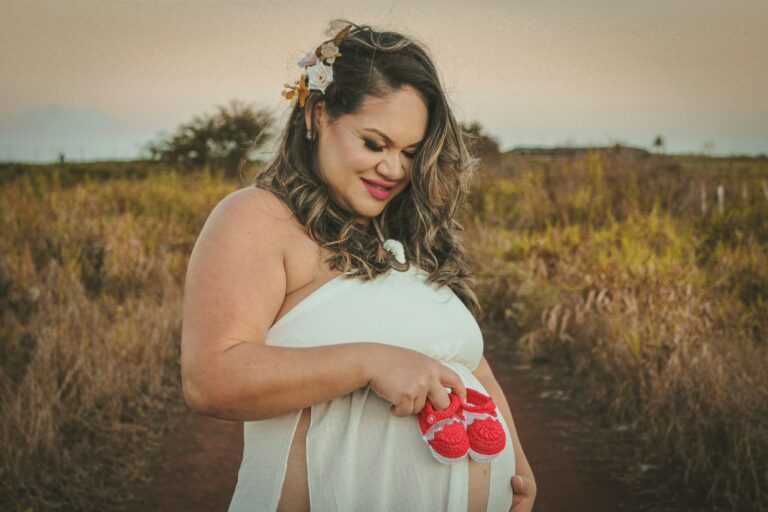
Exercise is generally safe during pregnancy throughout all three trimesters, though your routine will need modifications as your body changes. For most healthy pregnancies, continuing or starting moderate physical activity can benefit both you and your developing baby—but your first step is getting clearance from your doctor and understanding how to adjust your workouts as pregnancy progresses.
Table of Contents
- Always get medical clearance first
- Your exercise needs shift by trimester
- What types of exercise typically stay safe
- Know the warning signs to stop moving
- How much exercise is realistic
- Why movement matters during pregnancy
- Frequently Asked Questions
Always get medical clearance first
Before starting or continuing an exercise program, talk with your doctor or midwife. They know your individual health history and pregnancy specifics, and can flag any reason to limit activity—such as placental complications, bleeding, or high blood pressure. Even if you exercised regularly before pregnancy, your doctor may recommend modifications based on how your pregnancy is developing.
Once you have the go-ahead, exercise throughout your entire pregnancy is the general guidance. The idea that pregnant people should stop moving is outdated; the reverse is usually true. Movement helps manage weight gain, reduces discomfort, and may support an easier labor.
Your exercise needs shift by trimester
.
- *First trimester.** You may feel more exhausted, nauseous, or sore than usual. Your heart rate rises more easily during exercise now. If you were active before pregnancy, continue at a reduced intensity—think of it as working at a pace where you can talk but not sing. If you were inactive, this is the time to start slowly, not to push hard.
- *Second trimester.** Many people find this the easiest time to exercise. The worst nausea often fades, energy returns, and your belly is still manageable. You can often maintain or even increase your activity level if you've been consistent. This is not the time to suddenly take up intense new sports, but many people feel their best during these three months.
- *Third trimester.** Your center of gravity shifts forward, making balance harder. Your joints loosen as your body prepares for birth. Stick with low-impact activities like walking and swimming, and skip high-contact sports, deep twists, or exercises that require lying flat on your back. Shorter, gentler sessions become more comfortable than long workouts.
What types of exercise typically stay safe
Walking is the most straightforward choice—you can do it throughout pregnancy and adjust the pace and distance as needed. Swimming and water aerobics are excellent because the water supports your weight. Modified strength training with lighter weights and controlled movements helps you maintain muscle and ease labor recovery. Stationary cycling, elliptical machines, and prenatal yoga designed for pregnancy are also generally fine. Avoid contact sports, activities with fall risk (skiing, horseback riding, gymnastics), and anything involving jumping or jarring movements, especially as pregnancy advances.
Scuba diving, high-altitude exercise, and lying flat on your back for extended periods are typically not recommended. The rule of thumb: if an activity could cause you to fall hard or take a blow to your abdomen, skip it during pregnancy. Pay attention to how your body feels during exercise. Shortness of breath that prevents talking, dizziness, chest pain, or sharp pains mean stop and rest. You should feel stronger or energized after exercise, not exhausted or hurt.
Know the warning signs to stop moving
Stop exercising immediately if you experience vaginal bleeding, sharp pain in your abdomen or pelvis, dizziness that doesn't pass quickly, chest pain, severe shortness of breath, or a sudden gush of fluid. These warrant a call to your doctor or midwife right away.
Some mild discomfort—sore muscles, a stitch in your side, or general achiness—is normal. But if you cannot pinpoint the cause or if pain worsens, stop and contact your care provider. Pregnancy hormones relax your ligaments, making injury easier; overuse, not just acute trauma, can cause problems.
How much exercise is realistic
Most guidance suggests 150 minutes of moderate-intensity activity per week during pregnancy—the same as for non-pregnant adults—but this is a flexible target, not a rule. If you exercised regularly before pregnancy, you can often stay close to your previous routine with modifications. If you were sedentary, even 10 to 15 minutes of walking a few times per week provides benefit and is a safe place to start.
The key is consistency over intensity. Three to four sessions of 30 to 40 minutes each may feel better than one long session, especially as pregnancy progresses. Listen to your energy level and adjust accordingly; pregnancy itself is work for your body.
Why movement matters during pregnancy
Regular exercise reduces your risk of gestational diabetes and excessive weight gain, lowers blood pressure, and often improves sleep. It also builds stamina that can help during labor and recovery. For your baby, exercise increases blood flow and oxygen, supporting healthy development.
The activity itself doesn't harm the fetus; pregnancy actually protects the developing baby quite robustly. Movement also helps manage the emotional and physical stress of pregnancy. Walking, swimming, or yoga can ease lower-back pain, reduce anxiety, and improve mood. After delivery, people who exercised during pregnancy often recover more quickly and return to fitness sooner.
Frequently Asked Questions
Can I run during pregnancy?
If you ran before pregnancy, continuing at a reduced pace and distance is usually safe—but skip the first 10 minutes to let your joints warm up, and stop if you feel off-balance or short of breath. If you didn't run before pregnancy, now is not the time to start a running routine. Walking or swimming are easier options.
What if I'm exhausted all the time?
Fatigue is normal in early and late pregnancy. Exercise very gently on days you have energy; rest on others. More activity is not the answer when your body is this tired. Talk to your doctor if exhaustion is sudden or severe.
Is it safe to exercise if I'm overweight or have never been active?
Yes. Start with 10 to 15 minutes of walking a few times per week and build gradually. Your doctor can help you set realistic goals that match your fitness level and pregnancy health.
Do I need a special prenatal exercise class?
Not required, but useful. Prenatal classes teach modifications, connect you with other pregnant people, and keep the intensity appropriate. Regular exercise at home or in a standard gym works too if you know what to avoid.