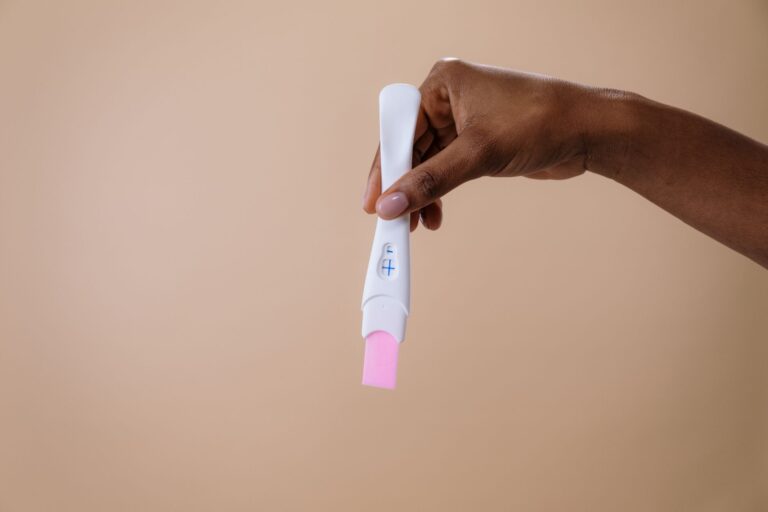
Early pregnancy signs develop gradually over the first weeks after conception and vary widely among women—not every symptom appears in every pregnancy, and some women notice remarkably few. The most common early signs include fatigue, nausea, breast tenderness, increased urination, and missed period, but knowing which symptoms are typical, when to expect them, and when to contact a healthcare provider helps you distinguish normal pregnancy changes from something requiring medical attention. The first signals often arrive before you miss a period, though most women don't recognize them as pregnancy-related at first. Whether you're actively trying to conceive or took a pregnancy test because something felt different, this guide walks through the symptoms you're likely to encounter, why your body produces them, what the data shows about their frequency, and when each one typically appears—all based on research from major pregnancy and fertility organizations.
Table of Contents
- The Most Common Early Pregnancy Signs
- When Do Early Pregnancy Symptoms Start?
- Implantation Bleeding vs. Your Period
- Hormone-Driven Changes: Cravings, Aversions, and Mood
- Testing Accuracy and hCG Timing
- Nausea and Morning Sickness: What's Normal?
- When to Contact Your Healthcare Provider
- Distinguishing Pregnancy Symptoms from Other Conditions
- Tracking Symptoms and Keeping Records
- Preparing for the Changes Ahead
- Frequently Asked Questions
The Most Common Early Pregnancy Signs
Fatigue ranks as one of the earliest and most prevalent pregnancy symptoms, affecting 93.8% of women in the first trimester according to Cleveland Clinic. The cause is rapidly rising progesterone levels, a hormone that triggers drowsiness and exhaustion. Many women describe it as overwhelming tiredness that sleep doesn't fully resolve.
you might nap for two hours and still feel drained an hour later. This isn't the fatigue of a long work week—it's a pervasive exhaustion that worsens as the day progresses. Nausea, commonly called morning sickness, occurs in 88% of pregnant women and typically begins between 4 and 9 weeks of pregnancy, though timing varies.
The name is misleading: nausea can strike any time of day, last all day, or come and go unpredictably. Some women feel queasy only in the morning; others feel seasick from waking through bedtime. Certain smells or foods trigger it, while other times it arrives without warning. The intensity ranges from mild discomfort to vomiting that prevents eating.
Breast tenderness appears in 77.1% of pregnancies and can develop as early as 1 to 2 weeks after conception. Your breasts feel swollen, heavy, or sore—similar to premenstrual tenderness but often more pronounced. The good news: discomfort typically decreases after a few weeks as your body adjusts to hormonal changes.
Your bra may feel uncomfortably tight when the sensitivity peaks, then gradually improve. Increased urination happens to 68.3% of pregnant women because rising blood volume causes your kidneys to filter extra fluid that collects in your bladder. You need the bathroom more often during the day and wake multiple times at night. This pattern often intensifies as pregnancy progresses and the growing uterus presses directly on your bladder. Stay hydrated despite the frequent trips—your body needs extra fluid during pregnancy.
- —
When Do Early Pregnancy Symptoms Start?
Most early pregnancy symptoms don't appear until around 8 weeks after the first day of your last menstrual period, though some symptoms can begin earlier. Individual timing varies significantly—some women experience subtle signs within a week of conception while others feel completely normal until past 8 weeks.
The earliest detectable symptom for many women is breast tenderness. This can appear 1 to 2 weeks after conception when hormones begin shifting. Fatigue often follows close behind, creeping in gradually so you might attribute it to stress or a lingering cold before realizing you're pregnant. Nausea typically emerges later, usually between weeks 4 and 9.
Some women report feeling queasy earlier, particularly if they've been pregnant before. Others never experience nausea at all despite being extremely pregnant. A missed period remains the most obvious sign of pregnancy. If you're in your childbearing years and a week or more has passed without an expected menstrual cycle, pregnancy is likely. However, stress, illness, travel, and hormonal disorders can delay a period without pregnancy being involved.
It's important to know that 98% of pregnant women experience at least two symptoms, but 2% remain completely asymptomatic—they feel entirely normal until a missed period or routine checkup confirms pregnancy. Absence of symptoms does not mean something is wrong. Some women are simply less sensitive to hormonal changes. Pregnancy progresses normally regardless of how few or how many symptoms appear.
- —
Implantation Bleeding vs. Your Period
Implantation bleeding occurs in about 25% (1 in 4) of pregnant women and appears 10 to 14 days after conception. It results from the fertilized egg embedding itself into the uterine lining. Light spotting is the main characteristic—most women see very light pink or brown staining, nothing like a normal period.
The key difference: implantation bleeding is much lighter than menstrual flow. You might see a few drops or light staining on toilet paper or underwear, but never a full day's worth of bleeding. Normal period flow would soak through a pad within hours; implantation spotting typically lasts only a few hours to a day. Color matters too.
Implantation spotting tends toward pink, light brown, or rust-colored discharge rather than the bright red of menstrual flow. If you're charting your cycle closely, noting the exact timing and appearance helps you distinguish implantation bleeding from other causes of spotting. Not all spotting in early pregnancy is implantation bleeding. Subchorionic hemorrhage, cervical irritation, and other conditions can also cause light bleeding.
If you see spotting and a pregnancy test is positive, call your healthcare provider to rule out complications. If a test is negative and bleeding continues or becomes heavier, contact your doctor to investigate other causes. Persistent bleeding deserves medical evaluation regardless of pregnancy status. Important note: not seeing implantation bleeding does not mean you're not pregnant.
Many women skip this symptom entirely and proceed normally through pregnancy. Absence of spotting has no connection to miscarriage risk.
- —
Hormone-Driven Changes: Cravings, Aversions, and Mood
Hormonal changes trigger mood swings, irritability, bloating, and food cravings or aversions, with effects varying significantly based on individual hormonal sensitivity. Progesterone and estrogen both surge in early pregnancy, influencing brain chemistry and emotions throughout the day. You might feel weepy at a commercial, snappy with your partner, or unusually calm—all driven by the same hormone shifts.
These mood swings are real physiological responses, not something you can simply "think away" or manage through willpower alone. They're as physical as the nausea or fatigue. Food cravings and aversions often surprise women. One day you love something you've always enjoyed; the next, the thought of it makes you gag. A partner's cologne might suddenly smell revolting.
Strong flavors often become intolerable early on, which can worsen nausea because foods you normally enjoy become unappealing exactly when you need nutrition most. Bloating is real and annoying. Your progesterone levels slow intestinal muscle contractions, leading to gas, bloating, and constipation. Combined with your body retaining water, you might feel puffy or uncomfortable even without weight gain.
This bloating typically peaks at certain times and can intensify in early pregnancy, then gradually improve. You might wear loose-fitting clothes more comfortably than your normal wardrobe during this period. Mood changes typically improve as you move into the second trimester, though hormones continue shifting throughout pregnancy. For some women, mood changes remain manageable; for others, symptoms warrant discussion with a healthcare provider. Prenatal depression and anxiety, though less common than postpartum depression, absolutely occur and are treatable.
- —
Testing Accuracy and hCG Timing
Urine pregnancy tests are 99% accurate when used correctly after the day of an expected period, but testing too early produces false negatives because hCG hasn't reached detectable levels. hCG—human chorionic gonadotropin—is the hormone a pregnancy produces; the more pregnant you are, the more hCG your body makes. Early tests detect this hormone, but it has to reach a minimum threshold to show up on a test.
Testing before that threshold is reached will show a negative result even though you're pregnant. Timing matters far more than brand or cost. Only 10% of women have detectable urinary hCG 10 days after ovulation, meaning a test taken five days before a missed period will miss nine out of ten pregnancies.
Most home tests become reliable only after your period is due. Wait until the day your period is due or several days after for the most reliable result. Testing multiple days late is more accurate than testing once early. A test taken one week after a missed period is far more trustworthy than one taken the day before.
Blood tests detect hCG earlier than urine tests because hCG appears in blood before sufficient amounts accumulate in urine. If you test early and get a negative but still suspect pregnancy, waiting a few days and testing again is more reliable than assuming the test was accurate. False positives are rare but possible, usually caused by taking certain medications, fertility treatments, or in rare cases, certain medical conditions. A positive test result warrants a follow-up visit with a healthcare provider for confirmation through blood testing and to establish prenatal care.
- —
Nausea and Morning Sickness: What's Normal?
Nausea occurs in 88% of pregnant women and typically begins between 4 and 9 weeks, though it can start earlier or arrive later than expected. Mild nausea is simply uncomfortable; severe morning sickness—medically termed hyperemesis gravidarum—can interfere with eating, hydration, and daily function. Most cases fall somewhere in between: manageable queasiness that fades after eating a small snack or by evening.
The severity is not predictable from day to day—one morning you feel fine, the next you cannot face breakfast. Eating strategies matter significantly. Eating small, frequent meals rather than three large ones often helps manage nausea. Ginger, vitamin B6 supplements, and sea-bands designed for motion sickness provide relief for some women. Staying hydrated is critical because nausea often worsens when you're dehydrated or blood sugar drops.
Eating bland foods—crackers, toast, chicken broth—when you're queasy is easier than forcing down your normal diet. Keep approved snacks within arm's reach. Certain smells and foods become triggers. Some women cannot tolerate coffee, meat, or specific vegetables during early pregnancy. Others find their sensitivity to certain odors increases dramatically. These aversions are real physiological responses, not something you can will away.
Work with your body's preferences rather than forcing yourself to eat foods that trigger nausea. Nutrition matters, but forcing foods you cannot tolerate worsens nausea and stress. Most nausea and morning sickness typically resolve during the second trimester, and energy levels improve substantially. While you're in the thick of it—say, week 5 of feeling sick—this feels like a distant promise. But around weeks 13 to 14, many women wake up and realize they haven't felt nauseous in days.
- —
When to Contact Your Healthcare Provider
Call your healthcare provider if you experience vaginal bleeding heavier than spotting, especially if accompanied by cramping. Sharp abdominal pain, pelvic pain, or pain in one side of your abdomen needs evaluation, as these can signal ectopic pregnancy or other complications requiring immediate attention. Severe or persistent headache, visual changes, or dizziness warrants a call as well.
Fainting, chest pain, or severe shortness of breath are emergency symptoms—go to the emergency room or call 911 if these occur. Contact your doctor if morning sickness becomes so severe you cannot keep food or fluids down for more than a few hours. If you're losing weight or feel dehydrated, medical support exists. Hyperemesis gravidarum—severe vomiting that causes dehydration—requires intervention.
Your provider can discuss anti-nausea medications, IV hydration, and nutritional support. Suffering through severe nausea without help is not necessary or recommended. Sudden changes in your existing symptoms warrant a call too. If nausea that was constant suddenly stops, or if bleeding patterns shift dramatically, report it. Your healthcare provider knows your baseline and can determine whether a change matters.
Regular prenatal appointments establish a baseline and allow your provider to monitor your health and the pregnancy's progression. These visits include screening for conditions like gestational diabetes, blood pressure monitoring, and fetal development checks. Knowing when and how to contact your provider—even about minor concerns—ensures nothing falls through the cracks.
- —
Distinguishing Pregnancy Symptoms from Other Conditions
Fatigue, nausea, and breast tenderness are not unique to pregnancy. Viral infections, thyroid disorders, hormonal imbalances, stress, and poor sleep all cause identical symptoms. A missed period combined with other signs points more strongly toward pregnancy, but the only certain answer is a pregnancy test or blood work from your healthcare provider. Premenstrual syndrome (PMS) mimics early pregnancy symptoms remarkably well.
Both cause breast tenderness, bloating, mood changes, and fatigue. The main distinguishing features: a missed period and positive pregnancy test are unique to pregnancy. If your period is late, a test resolves the question. If your period arrives on schedule, pregnancy is ruled out despite the symptoms. If you're unsure, testing eliminates the uncertainty. Stress and anxiety cause many of the same symptoms.
Racing thoughts, emotional sensitivity, sleep disruption, and appetite changes can feel identical to pregnancy-related changes. The physical symptoms—fatigue and nausea—are not exclusive to pregnancy either. Certain medications, particularly antidepressants and birth control pills, trigger nausea and fatigue. Dietary changes, new supplements, or increased caffeine intake affect how you feel too. If you're experiencing symptoms and uncertainty, a pregnancy test costs a few dollars and provides a definitive answer. Knowing what you're dealing with helps you respond appropriately and set realistic expectations.
- —
Tracking Symptoms and Keeping Records
Keeping a simple log of when symptoms appear, how severe they are, and what triggers them gives you useful information to share with your healthcare provider. Note the date each symptom starts, whether it's constant or comes and goes, and what time of day it's worst. This record shows patterns—for example, nausea worsens in the evening or improves after eating.
You'll notice whether your fatigue peaks at certain times or remains constant. Mood changes may cluster around specific hours. Track your menstrual cycle if you don't already. Knowing the exact date of your last menstrual period (LMP) helps your healthcare provider estimate your due date and monitor fetal development accurately. If your cycle is irregular, tracking becomes even more important.
Some women count forward; others take photos of calendar dates to verify timing later. Your healthcare provider will ask this at your first appointment, so having the date ready is helpful. Document what makes symptoms better or worse. If certain foods trigger nausea, note them. If fatigue improves after resting, record it. If mood swings hit hardest at specific times, write it down.
These observations help your provider distinguish normal pregnancy changes from something requiring intervention. A simple note on your phone or a calendar notation is sufficient; your provider doesn't need elaborate documentation, just accurate observations of what you experienced. Share this information at your first prenatal appointment. Your healthcare provider uses this baseline to understand what's normal for you and to spot changes requiring attention. Continuity of care depends on knowing your starting point.
- —
Preparing for the Changes Ahead
The first trimester brings substantial physical change over a short time. Your body is redirecting energy and resources toward building a pregnancy, which leaves you tired, potentially nauseous, and emotionally sensitive. Accepting that this is temporary and normal helps you move through it. For most women, the second trimester brings relief and renewed energy. Knowing this helps on days when fatigue or nausea feels relentless.
This season has an end date. Clear your schedule when possible during early pregnancy. If you're managing work, family, and household tasks while feeling exhausted and sick, that combination becomes genuinely hard. Letting some things slide—eating simple foods, sleeping more, reducing social obligations temporarily—protects your physical and emotional health. Communicate with your partner, family, and close friends about what you're experiencing.
Many people don't grasp that pregnancy fatigue is not regular tiredness—it's a systemic shift that rest doesn't fully resolve. Explaining it helps others support you. Maybe someone brings a meal, handles a household task, or simply validates that yes, feeling this tired is completely normal. Support transforms the experience significantly. Connect with your healthcare provider early and often.
Prenatal care is not something to postpone until symptoms become severe. Regular appointments establish a relationship where you feel comfortable asking questions and reporting concerns. This partnership carries you through pregnancy and beyond.
- —
Frequently Asked Questions
When do early pregnancy symptoms start?
Most early pregnancy symptoms appear around 8 weeks after the first day of your last menstrual period, though some, like breast tenderness, can begin 1 to 2 weeks after conception. Timing varies widely—some women notice subtle signs within days while others feel completely normal until past 8 weeks.
Is breast tenderness always a pregnancy symptom?
No. Breast tenderness occurs before your period (PMS), with caffeine intake, with certain medications, and with hormonal imbalances. In pregnancy, 77.1% of women experience breast tenderness, but the symptom alone is not unique to pregnancy—a positive pregnancy test confirms it.
What's the difference between implantation bleeding and my period?
Implantation bleeding occurs in 25% of pregnancies 10 to 14 days after conception and appears as very light spotting (pink or brown) lasting only hours to a day. Your period is heavier, lasts several days, and flows bright red. Implantation bleeding is optional—if you don't see it, you're still pregnant.
When can I take a pregnancy test?
Urine tests are 99% accurate after your expected period date, but only 10% of women have detectable hCG 10 days before a missed period. Testing too early often gives false negatives. Wait until your period is due or several days late for reliable results.
Is it normal to feel this exhausted?
Yes. Fatigue affects 93.8% of pregnant women in the first trimester, caused by rapidly rising progesterone levels. This exhaustion is not regular tiredness—it's a profound shift that rest doesn't fully resolve. Energy typically improves during the second trimester.
Does morning sickness always mean vomiting?
No. Morning sickness (nausea) occurs in 88% of pregnancies but often means queasiness, not vomiting. It can strike any time of day and range from mild discomfort to severe vomiting that prevents eating or drinking. Most cases are manageable with small meals and rest.