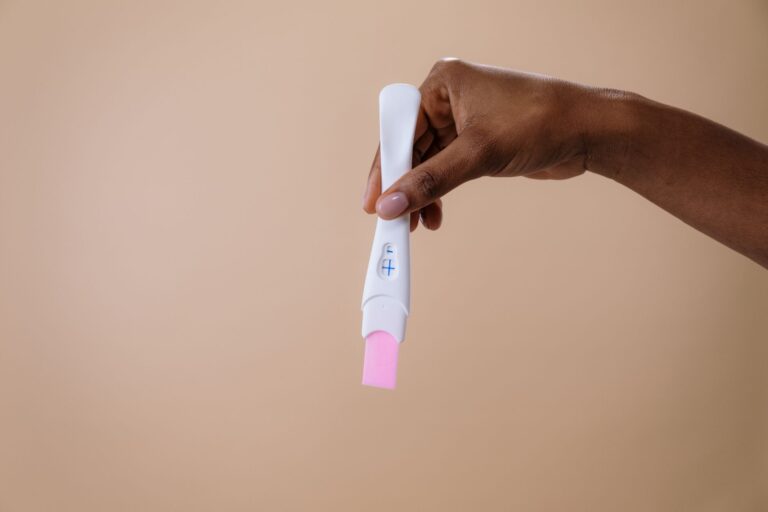
Endometriosis reduces fertility by damaging the reproductive organs and creating an inflammatory environment that interferes with egg release, sperm movement, and embryo implantation. Not every person with endometriosis has trouble conceiving—some become pregnant without treatment—but the condition does make pregnancy harder than average and increases the odds of needing help.
The severity of endometriosis does not always predict fertility impact. A person with minimal scarring may struggle to conceive, while someone with extensive disease may not. This unpredictability makes endometriosis one of the hardest fertility challenges to navigate: the diagnosis does not tell you whether you can become pregnant, and no single treatment works for everyone.
Table of Contents
- What Endometriosis Is and Why It Matters for Fertility
- How Endometriosis Interferes with Each Step of Conception
- Mild, Moderate, and Severe Endometriosis: Does Stage Predict Fertility?
- Diagnosis and What It Means for Fertility Planning
- Treatment Options and Their Impact on Fertility Outcomes
- When and Why to See a Fertility Specialist
- Lifestyle Factors, Pain Management, and Endometriosis
- Pregnancy After Diagnosis: What Changes
- Age, Egg Quality, and the Endometriosis Timeline
- Making Decisions When Endometriosis Complicates Conception
- Frequently Asked Questions
What Endometriosis Is and Why It Matters for Fertility
Endometriosis occurs when tissue similar to the uterine lining grows outside the uterus—most often on the ovaries, fallopian tubes, and pelvic tissue. This displaced tissue responds to hormonal changes during the menstrual cycle, bleeding and scarring with each period. Over time, scarring can distort the reproductive organs, fuse tissues together, and damage the tubes and ovaries that pregnancy depends on.
The condition develops during reproductive years, most commonly between ages 25 and 40, though it can appear earlier. Some people have no symptoms beyond trouble conceiving, while others experience severe pelvic pain, heavy periods, or pain during sex. The severity of pain does not match the extent of endometriosis—someone with minimal disease may have debilitating symptoms, and vice versa.
Endometriosis is common among people trying to conceive. Studies suggest that 20 to 50 percent of people seeking fertility treatment have endometriosis, though the exact prevalence in the general population is unknown because diagnosis requires surgery. Many people have the condition for years before it is discovered, often only when fertility problems prompt investigation.
The inflammation created by endometriosis affects the entire pelvic environment. Immune cells accumulate in the area, chemicals that guide sperm and embryos are disrupted, and the tissue damage makes ovulation and fertilization mechanically harder. Even minimal endometriosis can lower fertility odds through inflammation alone, which is why the condition poses a threat at every stage from ovulation through implantation.
How Endometriosis Interferes with Each Step of Conception
Endometriosis damages fertility through multiple, overlapping mechanisms, each affecting a different stage of conception. Understanding how these work helps explain why treatment approaches vary and why the same diagnosis produces different fertility outcomes. The first barrier is ovulation itself. When endometriosis scars the ovaries, it can damage or destroy the tissue where eggs develop.
Cysts filled with old blood—called chocolate cysts or ovarian endometriomas—can grow large enough to interfere with normal ovarian function. A person can still ovulate even with damaged ovaries, but the eggs produced may be fewer or lower quality. The inflammation also disrupts the hormonal signals that trigger ovulation and the release of hormones from the pituitary gland.
Scarring of the fallopian tubes is the second major barrier. Endometriosis can create adhesions—bands of scar tissue that bind organs together or block the tubes. A blocked tube prevents sperm and egg from meeting. Even partial scarring or tube distortion can slow movement through the tube, reducing the window of opportunity for fertilization.
The inflammatory environment inside the pelvis harms sperm directly. White blood cells and inflammatory chemicals that accumulate with endometriosis attack sperm, reducing the number that survive the journey. This means fewer functional sperm reach the egg, even when ovulation and tube patency are normal. After fertilization, the damaged uterine lining and inflammatory state make implantation harder.
Endometrial tissue (the uterine lining where embryos attach) is often thinner and less receptive in people with endometriosis. Inflammatory molecules interfere with the signals embryos send and the receptivity the uterine lining shows. An embryo may be fertilized and perfectly healthy but fail to implant due to these changes.
Mild, Moderate, and Severe Endometriosis: Does Stage Predict Fertility?
Endometriosis is staged by how much tissue is present and how extensive the scarring is, but stage and fertility impact do not align neatly. A person with stage 1 (minimal) disease can be infertile, while someone with stage 4 (extensive) disease may conceive naturally. This disconnect frustrates many patients and makes endometriosis uniquely difficult to counsel.
Stage 1 and 2 (minimal to mild) endometriosis involve small areas of endometrial tissue and light scarring. Many people with these stages conceive without intervention, especially if they are younger and have been trying for less than a year. However, even small amounts of endometriosis create inflammation, so pregnancy rates are lower than in people without the condition at the same age and duration of trying.
Stage 3 and 4 (moderate to severe) endometriosis includes larger areas, adhesions, and ovarian cysts. Pregnancy is significantly less likely without treatment. Severe scarring can make surgery necessary to restore tube patency or remove large cysts. Even after surgery, pregnancy rates in severe endometriosis are lower than after treatment of mild disease. The explanation lies in the distinction between structural and inflammatory damage.
Structural damage—a blocked tube or enlarged cyst—shows up on imaging and can be repaired surgically. Inflammatory damage—the hostile chemical environment—is not visible on ultrasound but affects fertility just as much. A person with stage 1 disease may have high inflammation, while someone with stage 4 disease may have high inflammation or low, depending on their individual biology.
Age, duration of trying, and any previous pregnancies matter more than stage alone when predicting fertility. A 30-year-old with stage 2 endometriosis trying for one year has better odds than a 42-year-old with stage 1, because age affects egg quality independently. This is why clinicians focus on individual circumstances rather than stage when advising people with endometriosis.
Diagnosis and What It Means for Fertility Planning
Endometriosis is diagnosed definitively only through laparoscopy, a minimally invasive surgical procedure that allows the doctor to see the reproductive organs directly and take tissue samples. No blood test, imaging study, or symptom profile confirms diagnosis with certainty, though some clues—severe period pain, pelvic pain during sex, ovarian cysts visible on ultrasound—raise suspicion. Some people pursue diagnosis and treatment aggressively when planning pregnancy, while others learn of endometriosis only after struggling to conceive for months or years.
The timing and certainty of diagnosis affect fertility decisions. A person with newly diagnosed severe endometriosis might choose surgery before trying to conceive, while someone with stage 1 disease discovered during an infertility evaluation might try treatment without additional delay. Imaging alone cannot rule out endometriosis. An ultrasound or MRI that looks normal does not mean endometriosis is absent—much of it exists in places imaging cannot visualize.
The absence of ovarian cysts or obvious scarring is reassuring but not definitive. This limitation means some people have endometriosis discovered only when they have not become pregnant after months of trying, prompting further investigation. The opposite is also true: a person with suspected endometriosis might delay diagnosis by avoiding surgery if they are not ready to try to conceive or if surgery itself carries risks they want to avoid.
Some people manage symptoms without knowing for certain whether endometriosis is present, relying instead on treatment of their pain. The choice to pursue diagnosis depends on whether the information would change immediate fertility plans.
Treatment Options and Their Impact on Fertility Outcomes
Endometriosis treatment falls into three categories: pain management, hormonal suppression, and surgery. Each approach has different implications for fertility timing and success rates. The best choice depends on the diagnosis stage, the person's age, how long they have been trying to conceive, and their tolerance for the side effects of treatment. Hormonal birth control (pills, patches, intrauterine devices) reduces pain by preventing ovulation and suppressing the growth of endometrial tissue.
These are effective at managing pain but stop ovulation, so they must be stopped before trying to conceive. Some people use hormonal birth control continuously for months or years to control symptoms while managing other life priorities, then stop to attempt pregnancy. Pregnancy rates after stopping hormonal treatment are similar to pre-treatment rates. Hormonal medications like gonadotropin-releasing hormone (GnRH) agonists suppress ovarian function even more powerfully than birth control, essentially creating a temporary menopausal state.
These are used for short periods (3 to 6 months) to shrink endometrial tissue and control severe pain. They are not recommended as a long-term approach and must be stopped before attempting pregnancy because they prevent ovulation entirely. Surgical removal of endometrial tissue and adhesions (excision) is the most common surgical approach. Excision surgery can restore tube patency, remove ovarian cysts, and reduce the inflammatory burden in the pelvis.
Pregnancy rates improve after surgery in people with moderate to severe disease, particularly those under 40 with no other fertility factors. The improvement is temporary—endometriosis often recurs—so timing surgery before attempting pregnancy is important. Some research suggests surgery followed by conception attempts within the first 6 to 12 months yields the best results. After that window, endometriosis may recur enough to reduce fertility again. This timing pressure is one reason clinicians counsel people with endometriosis to pursue pregnancy relatively soon after surgery, though individual circumstances vary.
When and Why to See a Fertility Specialist
Standard fertility guidance says to seek evaluation after trying to conceive for one year without success for people under 35, or after six months for those 35 and older. For endometriosis, this timeline may need adjustment. A person with a known diagnosis of moderate to severe endometriosis might see a fertility specialist sooner, while someone with no endometriosis symptoms might wait the full timeline.
Endometriosis is one of the few diagnosed conditions where earlier specialist involvement can improve outcomes. A person with newly diagnosed stage 3 or 4 disease might benefit from surgery and planning before attempting pregnancy, rather than waiting through a year of unsuccessful attempts. Conversely, someone with stage 1 disease and no other risk factors might try naturally for the recommended period first.
Fertility specialists can perform additional testing—such as evaluating sperm function, assessing egg quality through advanced imaging, or checking for uterine receptivity—that general practitioners cannot. These tests are not routine for everyone but help guide treatment decisions for people with endometriosis whose fertility is compromised for reasons beyond the visible endometrial disease. Advanced reproductive technologies—intrauterine insemination (IUI) or in vitro fertilization (IVF)—are options when surgery or natural attempts have not led to pregnancy.
IVF bypasses many of the mechanical problems endometriosis creates: it retrieves eggs surgically, bypasses the damaged tubes, and places the embryo directly into the uterus. For moderate to severe endometriosis, IVF often has higher success rates than continued attempts at natural conception.
Lifestyle Factors, Pain Management, and Endometriosis
While no diet or lifestyle change cures endometriosis, some management strategies may help reduce pain and support fertility. A Mediterranean-style diet, regular moderate exercise, stress reduction, and adequate sleep are recommended for overall health in people with endometriosis, though evidence for their specific impact on conception rates is limited. Anti-inflammatory foods—fatty fish rich in omega-3 fatty acids, vegetables, fruits, and whole grains—may help reduce the systemic inflammation that endometriosis creates.
Red meat and processed foods are associated with higher inflammatory markers in some studies of people with endometriosis, though the effect is modest. Dietary changes are worth trying for pain relief and general health but should not delay medical evaluation or treatment. Exercise can reduce pelvic pain in endometriosis, though intense exercise during the period can worsen symptoms for some people.
Moderate aerobic activity, walking, and pelvic floor physical therapy are often recommended. Pelvic floor therapy specifically may help manage pain and, in some cases, improve sexual function—which matters for people attempting natural conception. Heat application and over-the-counter pain relief can manage mild to moderate pain during the period. For more severe pain, prescription nonsteroidal anti-inflammatory drugs (NSAIDs) are more effective than over-the-counter options, though their long-term use requires monitoring.
Some people alternate between NSAIDs and other pain management approaches to avoid tolerance and side effects. Stress and anxiety worsen pain perception and may indirectly affect fertility outcomes through hormonal pathways, though the direct effect is difficult to measure. Mind-body approaches—cognitive behavioral therapy, acupuncture, or meditation—have modest evidence for pain reduction in endometriosis and may be worth exploring as part of a broader management plan.
Pregnancy After Diagnosis: What Changes
Becoming pregnant is not a cure for endometriosis, but pregnancy does pause its progression. During pregnancy, ovulation stops, menstrual bleeding ceases, and the hormonal environment shifts. Endometrial tissue outside the uterus typically shrinks during pregnancy, and many people experience significant pain relief. The relief is temporary. After delivery, if the person resumes menstruation and does not breastfeed, endometriosis often recurs and grows back over months to years.
Breastfeeding delays the return of ovulation and menstruation, which may extend the period of symptom relief, but it does not prevent recurrence indefinitely. For people carrying a pregnancy with active endometriosis before conception, pregnancy itself is not at increased risk for miscarriage due to endometriosis alone. However, if endometriosis caused anatomical problems—a damaged uterine lining or uterine abnormalities—those can persist through pregnancy and increase miscarriage risk.
This is uncommon but possible. Pregnancy complications like preterm birth or gestational diabetes may occur at slightly higher rates in people with endometriosis, though the absolute risk remains low. These associations are not fully understood and may reflect shared risk factors (such as underlying inflammation) rather than endometriosis itself being the cause. After delivery, the choice to use hormonal birth control to prevent endometriosis recurrence and manage pain is personal.
Some people use it continuously if they are not planning additional pregnancies soon. Others space pregnancies closely together to minimize the years endometriosis is active—though this choice comes with its own health considerations and must be made with medical guidance.
Age, Egg Quality, and the Endometriosis Timeline
Age affects fertility independently of endometriosis, and the two interact to create additional pressure for people trying to conceive. Egg quality declines steadily after age 35, and the window for natural conception narrows. When endometriosis is also present, the combined effect makes pregnancy significantly harder as age advances. A person with endometriosis diagnosed at 28 has more time to attempt natural pregnancy or plan treatment before age-related decline steepens.
Someone diagnosed at 40 faces a more urgent timeline: their eggs are already lower quality, and endometriosis adds additional mechanical and inflammatory barriers. This urgency is why fertility specialists sometimes recommend faster progression to advanced treatments for older patients with endometriosis. Egg quality is not measured by age alone—some people at 42 have eggs as viable as someone at 35, and vice versa.
Advanced maternal age is a risk factor, not a certainty. But the average pattern is unmistakable: earlier intervention tends to yield better outcomes for people with both endometriosis and age-related fertility decline. The decision to pursue aggressive treatment (surgery followed by IVF, for example) versus more conservative approaches depends on age, stage of endometriosis, other fertility factors, and personal priorities.
A 32-year-old might reasonably try natural conception for a year after surgery. A 42-year-old with stage 3 endometriosis might skip the natural attempt and move directly to IVF after surgery, because their age makes natural conception less likely regardless of treatment.
Making Decisions When Endometriosis Complicates Conception
Living with endometriosis and reduced fertility means making decisions without perfect information. The diagnosis does not predict your personal outcome, no treatment guarantees success, and the timeline feels urgent even when immediate action may not be necessary. Start by seeing a gynecologist if you suspect endometriosis—severe period pain, pain during sex, or unexpected trouble conceiving are reasons to be evaluated.
You do not need a diagnosis to seek fertility counseling; many people benefit from talking through their options with a specialist before pursuing testing or treatment. If endometriosis is suspected or confirmed, ask your clinician three questions: What stage is it, if known? How might it affect my specific fertility picture, given my age and how long I have been trying? What treatment options exist, and what are the odds each one improves conception rates? The answers help clarify whether surgery, hormonal treatment, or advanced fertility technology fits your situation.
If you are under 35, trying for less than a year, and have mild or no confirmed endometriosis symptoms, watching and waiting is reasonable. If you are over 35, have stage 3 or 4 disease, or have been trying longer than a year, earlier specialist involvement typically improves outcomes. There is no single right timeline—your age, the severity of disease, and your personal circumstances all matter.
Many people with endometriosis do become pregnant, both naturally and with treatment. The diagnosis is serious but not hopeless. Fertility outcomes improve with earlier evaluation, expert care, and willingness to pursue multiple approaches if needed. The uncertainty is real, but so is the possibility of success.
- —
Frequently Asked Questions
Can you get pregnant naturally if you have endometriosis?
Yes, many people with endometriosis conceive without medical treatment, especially those with mild disease. However, fertility rates are lower than in people without endometriosis. Younger age and shorter duration of trying improve odds. If you have been trying for over a year (or six months if over 35) without success, see a fertility specialist.
Does endometriosis surgery improve fertility?
Yes, surgery to remove endometrial tissue and repair scarring improves pregnancy rates, particularly for people with moderate to severe disease and those under 40. The improvement is most likely in the 6 to 12 months after surgery before endometriosis can recur. After that window, pregnancy rates decline again as the condition regrows.
What stage of endometriosis is worst for fertility?
Stage 4 (severe) endometriosis significantly reduces fertility, but stage alone does not predict your personal outcome. Someone with stage 1 disease can be infertile, while someone with stage 4 might conceive naturally. The inflammatory environment matters as much as the visible scarring.
Does endometriosis cause miscarriage?
Endometriosis alone does not increase miscarriage risk if you become pregnant. However, if endometriosis damaged your uterine lining or anatomy, those changes can persist and increase risk. This is uncommon and should be discussed with your specialist.
How long does it take to get pregnant with endometriosis?
There is no set timeline. Some people conceive quickly, while others take longer despite treatment. Age, disease stage, and other fertility factors all matter. If you have been trying for over a year (six months if over 35), evaluation by a fertility specialist is recommended.
Should I get surgery before trying to get pregnant with endometriosis?
It depends on your diagnosis stage and age. Surgery is usually recommended for stage 3 and 4 disease before attempting pregnancy. For stage 1 or 2 disease, you might try naturally first. A fertility specialist can advise based on your specific situation.