
When Do Babies Focus?

Babies develop the ability to focus and track movement around 6 to 8 weeks of age, when their eyes and brain are ready to work together.

Babies develop the ability to focus and track movement around 6 to 8 weeks of age, when their eyes and brain are ready to work together.

Cold, salty, bland foods and eating every 2-3 hours reduce morning sickness better than meals that are hot, rich, or large—here are the specific foods that work and when to call a doctor.
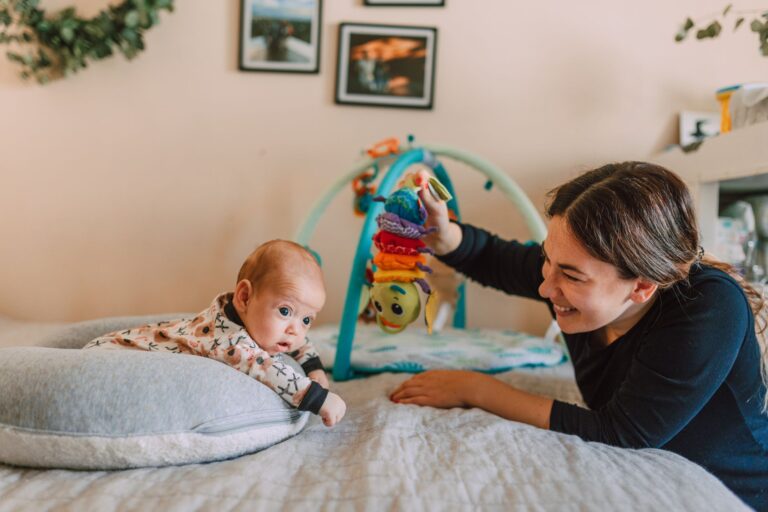
Unlike a temporary leave, an extended career break means decisions about finances, employer communication, skill maintenance, and childcare that shape...

Protect your family by understanding parental rights, documenting your wishes in a will, and naming a guardian in writing.
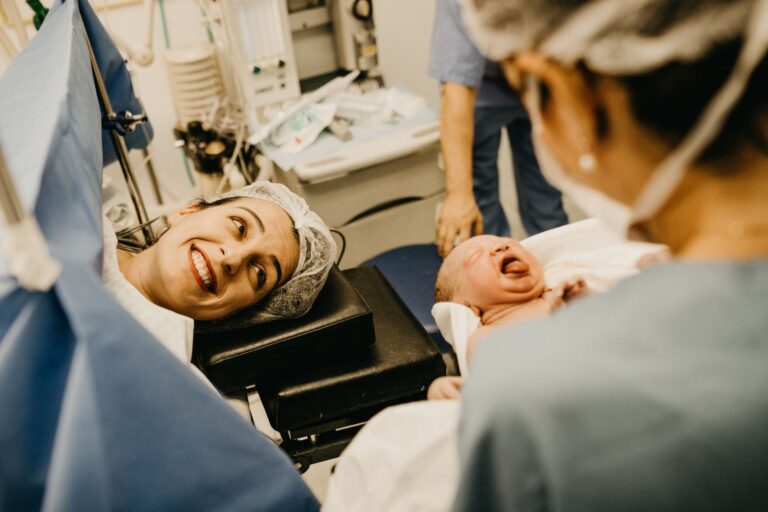
Changing positions during labor helps your baby move down and rotate into a delivery-ready position using gravity and your body's own mechanics.

Pregnancy anemia usually comes from low iron and is treatable with supplements, but knowing the cause and severity helps your care team protect you during labor.

Home pregnancy tests can detect pregnancy around a missed period (roughly 14 days after conception), but blood tests can find it a few days earlier—here's why timing matters.

Age affects fertility through declining egg supply and quality in women and chromosomal risk increases with maternal age; men's fertility declines more slowly.
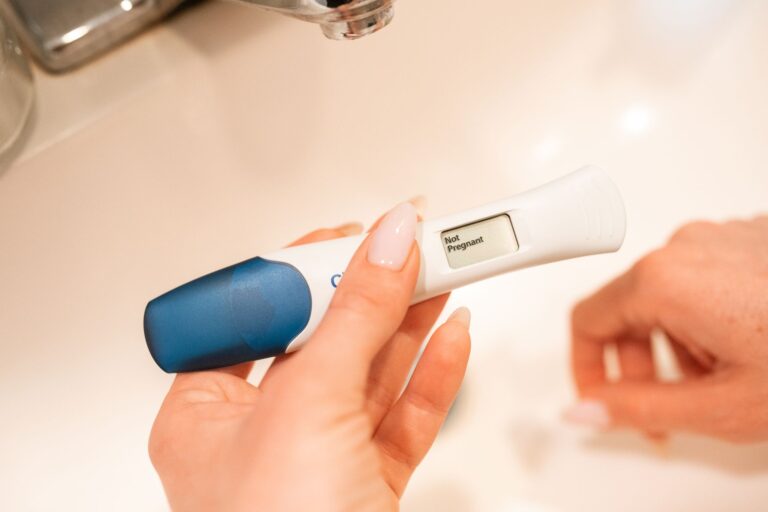
Detect ovulation by tracking cervical mucus changes, basal body temperature shifts, LH surges, and ovulation pain—each method has different accuracy and timing advantages.

Learn to spot the early hunger signs your baby shows before crying—rooting, hand movements, alertness—so you can respond quickly and feed easily.