
How Much Sleep Does 6-Month-Old Need?

A 6-month-old needs 12 to 16 hours of sleep daily, including both nighttime sleep and naps, with most babies sleeping 10–12 hours at night and 2.5–3.5 hours during the day.

A 6-month-old needs 12 to 16 hours of sleep daily, including both nighttime sleep and naps, with most babies sleeping 10–12 hours at night and 2.5–3.5 hours during the day.
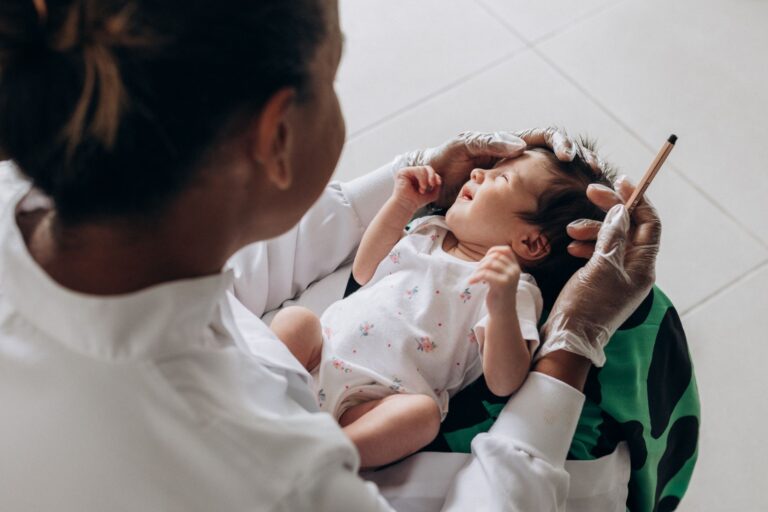
A fever in a baby under three months always needs urgent evaluation; for older babies, call your doctor if the fever reaches 102°F or lasts beyond one day.
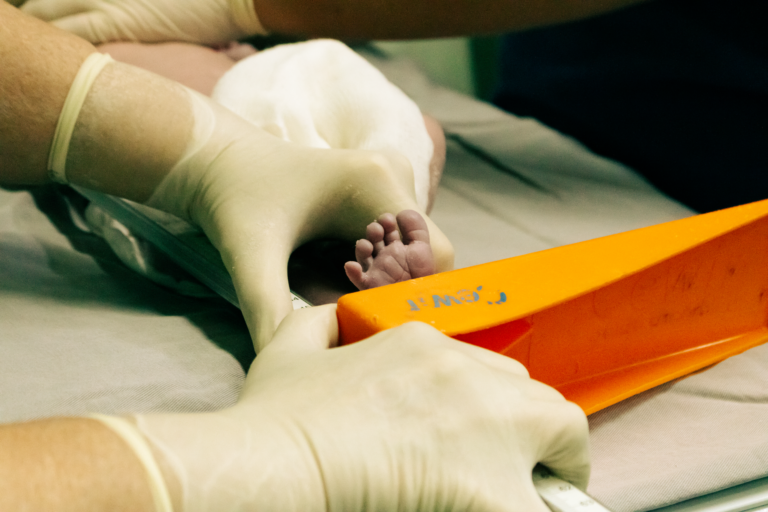
Newborns sleep 12–17 hours in fragmented bursts driven by feeding needs, not a schedule—and that's completely normal for the first 6 weeks.
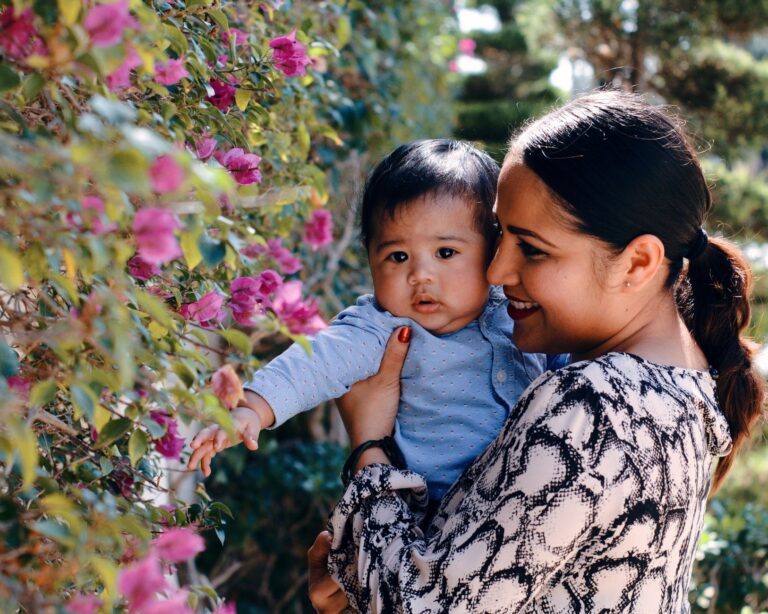
Ask about experience, daily routines, discipline approaches, health policies, emergency response, communication, costs, and references—then trust whether you feel your child is actually safe.
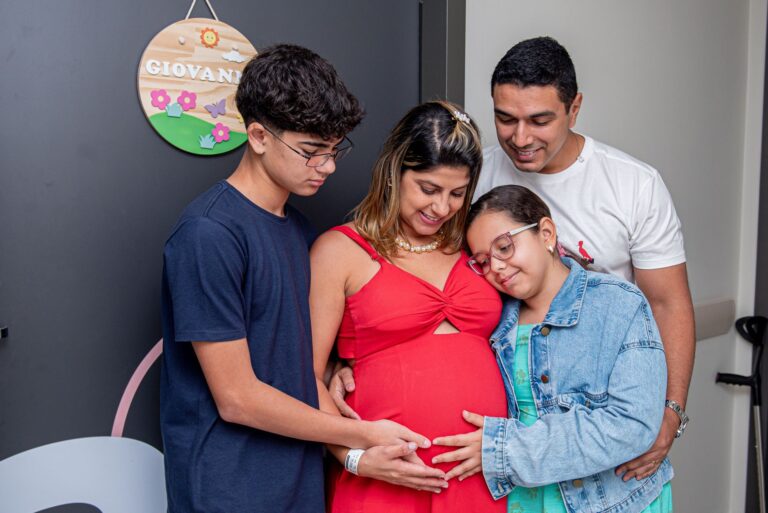
Twin ultrasounds confirm how many placentas you share, track how each baby grows, and watch for complications like transfusion between identical twins.
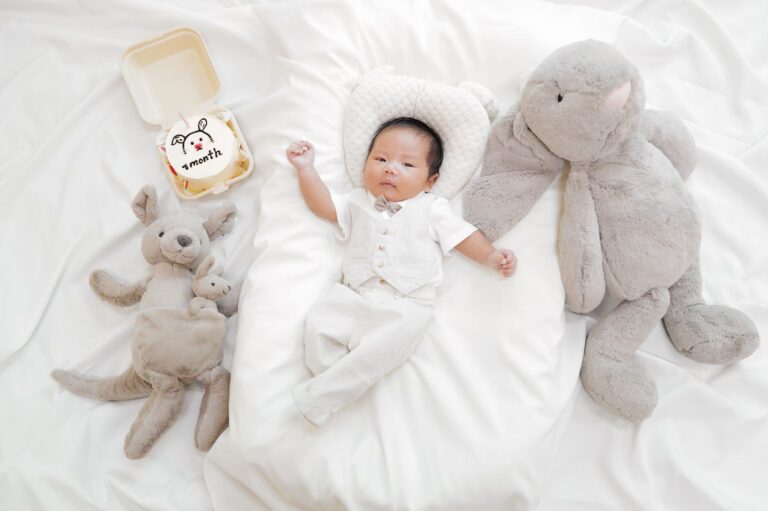
Three-year-olds develop rapidly in language, play, and independence—though developmental timing varies greatly, and most delays resolve without intervention.
Left-side sleeping is safest in the third trimester; back sleeping after 28 weeks doubles stillbirth risk, while right-side sleeping is safe.
Back pain affects most pregnant women in the second trimester. Try walking, side-sleeping, stretching, and heat therapy for quick, evidence-based relief without medication.
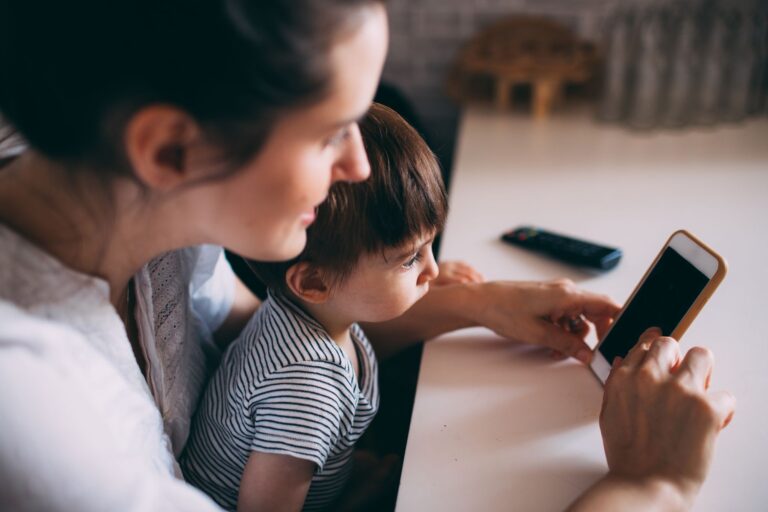
Compare pregnancy apps by what they track, what they teach, and how they handle your private health data—not by ratings that change weekly.
Track your cycle with multiple methods to identify when you ovulate and time conception or spacing reliably instead of guessing.