
Miscarriage Statistics by Week: What the Numbers Show

Miscarriage risk is highest in the first 6-8 weeks and declines sharply as pregnancy progresses—under 1% by week 10 with a confirmed fetal heartbeat.

Miscarriage risk is highest in the first 6-8 weeks and declines sharply as pregnancy progresses—under 1% by week 10 with a confirmed fetal heartbeat.

However, the connection is complex: normal stress is part of pregnancy, and short-term stress does not damage a fetus; the concern is chronic, unrelenting...

The contract spells out everyone's rights, obligations, financial arrangements, and what happens if complications arise—making it one of the most...
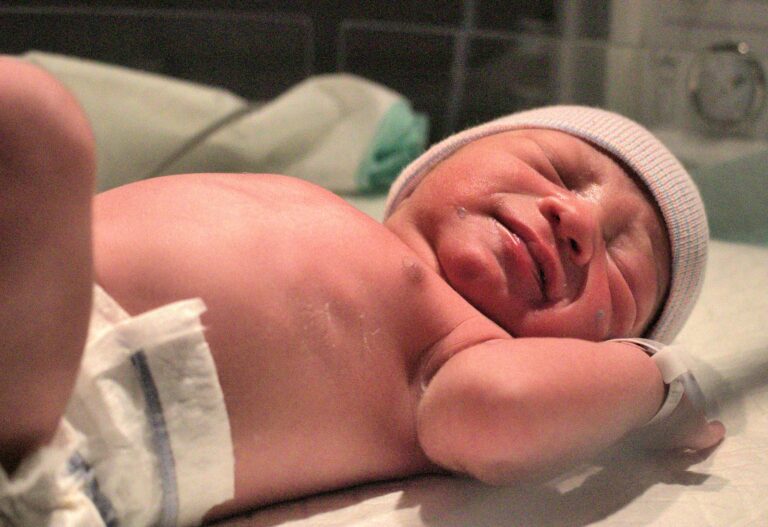
Induced labor uses medication or mechanical methods to start labor, while natural labor begins spontaneously—here's what differs in timing, methods, pain, and recovery.

Preeclampsia develops in up to 5% of pregnancies and is detected through routine blood pressure and urine tests before you feel symptoms, so attending every prenatal visit is your best defense.

Deli meat is safe during pregnancy if heated to steaming hot before eating, or you can skip it entirely to eliminate the risk of Listeria infection.

Your reproductive history reveals patterns in pregnancy complications, recovery, and health responses that shape safer planning for future children.

Women with endometriosis have significantly reduced fertility, but surgery and IVF can improve pregnancy odds based on disease severity and age.

Family meetings build connection and give kids a voice in household decisions, helping them follow rules they helped create.

A faint line means hCG is present—you are pregnant. Line darkness reflects hormone concentration at one moment, not pregnancy health or viability.