
Can Kids Help With Meal Planning?

Involving kids in meal planning from age three or four builds ownership, expands their food acceptance, and teaches valuable life skills.

Involving kids in meal planning from age three or four builds ownership, expands their food acceptance, and teaches valuable life skills.
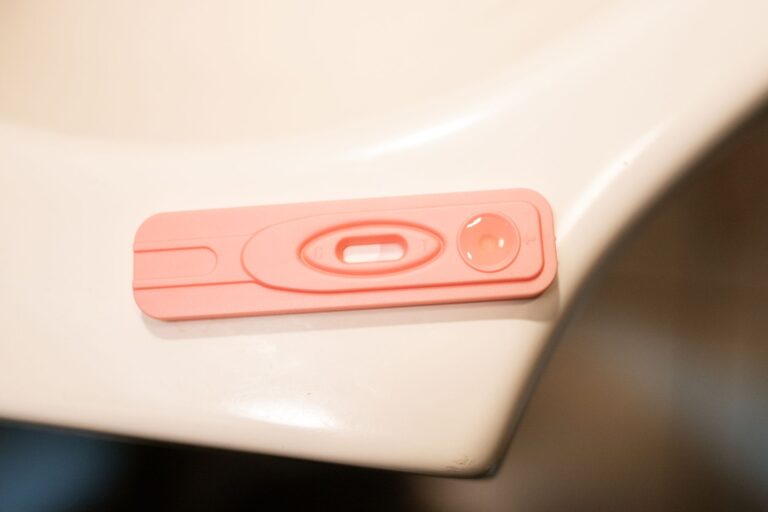
Light bleeding and spotting affect one in four early pregnancies, and most resolve without harm—but some signal a miscarriage, ectopic pregnancy, or other condition needing urgent care.
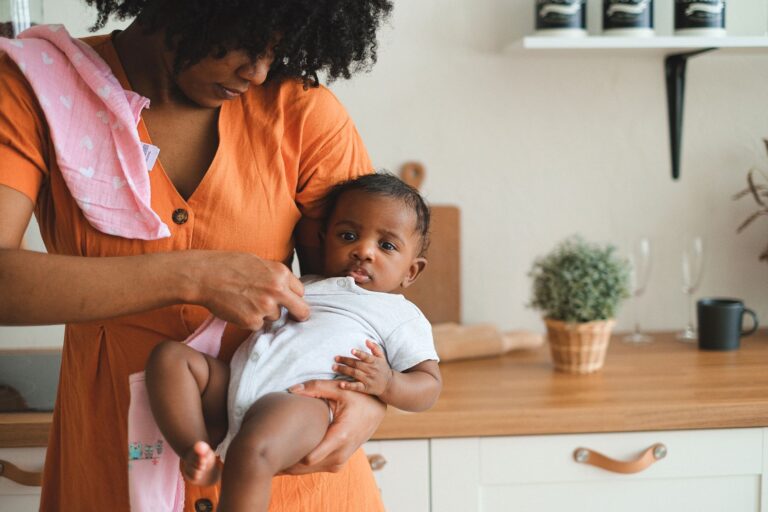
These conversations—whether in person, through an app, or via text—help you stay informed about your child's day and allow caregivers to share...

Discover what gross and fine motor skills are, when children typically develop them, and how to recognize when progression is typical versus when to talk with a pediatrician.

A correct latch covers more areola below your nipple than above, with baby's chin touching the breast and nose lightly touching it—learn the positions that make this automatic.

Gentlease is a partially hydrolyzed infant formula that may help reduce gas and fussiness, but results vary and medical guidance is essential before switching.

Black doulas provide culturally competent support and advocacy during labor, but evidence on medical outcomes remains mixed; their value depends on access and priorities.

School refusal driven by anxiety is treatable, but recovery requires understanding what triggers the fear and responding with calm consistency while building professional support.
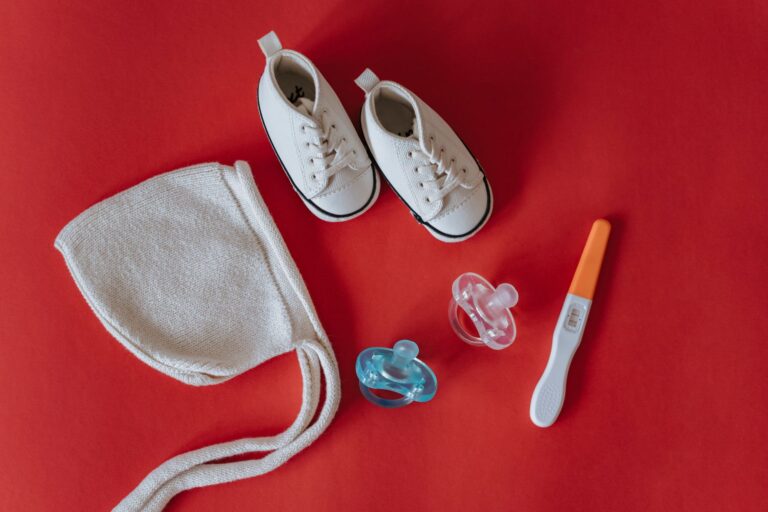
Start solids around 6 months; early allergen introduction reduces allergy risk, and upright seating prevents choking.

Transform a shower space with handmade paper decorations, dollar-store basics, and budget-friendly flowers—creating an elegant atmosphere for under $100.