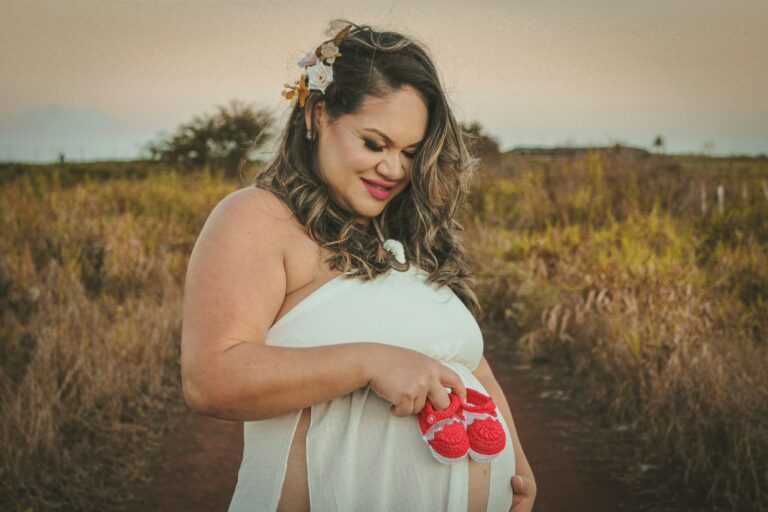
Start packing your hospital bag around 36 weeks of pregnancy, and aim to have it completely ready by 37 weeks. Your due date is an estimate—labor can begin anytime from 37 weeks onward, and early arrival happens often enough that waiting until your due date leaves you rushing or unprepared.
Packing early does not mean sitting and worrying; it means one less thing to scramble for if labor starts unexpectedly. A ready bag also helps your partner focus on supporting you instead of hunting for your phone charger at 2 a.m. Most mothers pack gradually over a few weeks, adding items as they think of them, then do a final check a few days before their due date.
Table of Contents
- Why Early Packing Matters
- What to Pack for Your Labor and Recovery
- What to Pack for Your Newborn
- What the Hospital Already Provides
- Special Situations and Different Delivery Types
- What Your Partner or Support Person Needs
- How to Organize Your Hospital Bag
- When to Revise and Check Your Bag
- Planning for Real Labor Scenarios
- The Final Pieces of Preparation
- Frequently Asked Questions
Why Early Packing Matters
Labor is unpredictable, and early arrival is common. Between 5 and 10 percent of pregnancies deliver before 37 weeks, and many more begin labor in the days leading up to the due date. If you wait until your due date to pack, you might be in active labor or managing contractions when you realize you still need to find your toothbrush and insurance cards.
Early preparation also reduces stress at a vulnerable moment. When you go into labor—whether at 2 a.m. or during a routine appointment where your care provider decides induction is needed—having your bag packed and in your car or by the door means one fewer thing your partner has to manage while you are in pain or emotional.
False labor (Braxton-Hicks contractions) is normal in the third trimester and can feel very real. Many first-time mothers experience a practice run where they wonder if this is it, drive to the hospital, and are sent home. A packed bag means you can make that trip without panic or embarrassment, and if you do go home, your bag is already ready for the actual event.
Packing early also gives you time to test what you have packed. You might discover that the going-home outfit for your baby is still in the dryer, or that the pajamas you planned to wear do not have the front opening you thought they did. Catching these things weeks ahead beats discovering them mid-labor. Some pregnancies develop complications that require early monitoring or induction.
Gestational diabetes, high blood pressure, reduced amniotic fluid, or baby growth concerns sometimes mean labor begins weeks before your due date. A packed bag means you can move to medical care without digging through your closet.
What to Pack for Your Labor and Recovery
Bring comfortable, loose-fitting clothing for labor that you do not mind throwing away or getting stained. Many hospitals provide gowns, but some mothers prefer wearing their own soft button-up shirts or nursing bras during labor and find them more comfortable. Avoid anything tight, restrictive, or made from delicate fabric—you will be moving through contractions, fluids, and messy moments.
Pack at least two sets of pajamas that open fully in the front for easy nursing, skin-to-skin contact with your baby, and postpartum care. Button-up styles are far better than pullovers. Bring soft, warm pants or joggers with an elastic waist for the days after birth when your belly is still large but softer.
Bring several pairs of disposable or very old underwear because the hospital will provide disposable ones, and it is better to throw yours away than launder something stained. Include non-slip socks with grips on the bottom for walking during labor and immediate postpartum. Bring a robe or cardigan that opens completely in the front so you can move easily and allow medical staff to monitor you without undressing.
Pack a bathing suit if your hospital has a labor tub or shower and you plan to use it; many mothers find water soothing during contractions. Bring lip balm, a hair tie if you have long hair, and a pillow in a colored or patterned case (hospitals will provide pillows, but many mothers prefer their own, and the colored case keeps it separate).
Pack a phone charger, important documents, and reading materials or games for early labor when you are not yet fully in active labor. Include toiletries: toothbrush, toothpaste, shampoo, body wash, deodorant, and any medications you take regularly. Bring entertainment—a speaker for music, a laptop for streaming, or books—because labor can be long and the early stages often allow distraction.
Pack snacks if your hospital allows them during labor (many do for light snacks like crackers, honey, applesauce, and fruit). Bring anything that comforts you: a favorite blanket, a comfort item, or photos. Maternity pads can be included, though hospitals provide them; if you have a strong preference for a specific brand, bring a few from home. Include comfortable going-home outfits for you—something in your pre-pregnancy size and something in your nine-months-pregnant size, because your body size after birth is unpredictable.
What to Pack for Your Newborn
Bring newborn, 0-3 month, and 3-6 month sizes in clothing because babies arrive in wildly different sizes. A 5-pound baby swimming in newborn clothes and a 9-pound baby busting out of them are both normal. Pack several options: onesies, sleepers with feet, and long-sleeve options for temperature control.
Include several swaddle blankets, receiving blankets, and warm blankets from home. Hospitals provide blankets, but many parents prefer the comfort of a blanket brought from home, and having several lets you rotate them if any get soiled. Pack hats and mittens because newborns lose heat through their heads and hands and are placed skin-to-skin shortly after birth.
Bring socks and booties in small and newborn sizes. Pack a sleeper or going-home outfit in two sizes—smaller and larger. Include one very special outfit for photos if that matters to you. Bring a blanket, hat, or sleeper in a family sports team color or meaningful design if you want birth photos with that item.
Pack burp cloths, receiving blankets, or cloth diapers from home if you have a preference—hospitals use disposables, but a familiar cloth can comfort both you and your baby. Include any special items like a beloved toy or blanket, though remember that hospitals have strict limits on what can stay in the nursery and will wash any soft items in hot water.
Do not overpack baby clothes; hospitals will wash items if there is time, and your partner can bring more if needed. Include a swaddle or sleep sack if your hospital uses them or if you have a brand you prefer. Bring a camera if you want photos, though realize that hospital staff also provide professional photos in many cases.
What the Hospital Already Provides
Hospitals supply most of what you and your baby need, so you do not have to pack everything you would for home. Maternity pads, disposable underwear, hospital gowns, pillows, and blankets are all provided. Most hospitals include basic toiletries or allow you to bring your own; ask during your pre-registration what they supply. Newborn diapers, wipes, diaper cream, and basic skin care products come with your hospital care.
If your baby has special skin needs or your family uses a specific brand, bring it from home. The hospital will provide standard acetaminophen or ibuprofen for postpartum pain unless you need something stronger, which your care provider will prescribe. Many hospitals offer wireless monitoring, telemetry packs, or labor tubs that stay in the room.
Ask what your hospital has during your tour or in pre-registration materials. Hospitals provide fetal monitoring, blood pressure cuffs, and IV supplies; you do not need to bring medical equipment. Nurseries provide temperature control, oxygen, and monitoring for newborns who need observation. If your baby stays in the nursery (as opposed to rooming in with you), staff will bathe your baby, provide diaper changes, and offer feeding support.
Hospitals usually provide a camera or photo system so you can see your baby even when separated by glass. Pain management options—from nitrous oxide to epidurals to IV pain medication—are provided by the hospital and do not need to be arranged beforehand. If you have strong preferences about pain management, discuss them with your care provider during pregnancy so your birth plan is on file.
Ask your specific hospital what is included before packing duplicates. Some hospitals provide baby bathing supplies and nail care; others expect you to bring those items. Reading your hospital’s pre-registration materials or calling to ask is faster than guessing.
Special Situations and Different Delivery Types
If you are expecting multiples, pack clothing in multiple newborn sizes and bring extra of everything: blankets, hats, mittens, and swaddles. Pack extra pajamas for yourself because managing multiple infants and your own needs requires more changes of clothes. Ask your hospital whether they allow both babies to room in with you or whether they have separate infant care protocols.
Planned cesarean delivery does not change what you pack for baby, but prepare yourself for more restricted movement after surgery. Pack button-up shirts that sit loose even over post-surgery swelling; elastic-waist pants are crucial because a healing incision will be sensitive to pressure. Bring extra pain relief supplies if your hospital allows personal medications, and discuss post-surgery expectations with your care provider beforehand.
If your pregnancy has been high-risk or you have a chronic condition like diabetes or hypertension, ask your care provider whether your hospital stay might be longer. Pack extra comfortable clothing and more entertainment. Discuss whether your baby will be monitored more intensively and whether that affects rooming-in arrangements. Preterm labor before 37 weeks usually means your baby goes to a neonatal intensive care unit (NICU) for monitoring or support.
In that case, bring smaller-sized clothes because preterm babies are often smaller. Pack items that comfort you during a stressful stay—a favorite blanket, photos, or a change of clothes for sleeping at the hospital. Discuss NICU rooming-in policies with your care provider if early birth is a possibility. If you have had a prior traumatic birth, anxiety, or PTSD, discuss your concerns with your care provider and your hospital’s labor team during pre-registration.
Some hospitals can arrange private rooms, continuity of care with specific staff, or additional support. These arrangements sometimes require advance planning, so raising them during pregnancy matters.
What Your Partner or Support Person Needs
Pack a separate bag for your partner or support person because they will also be at the hospital for hours or overnight. Include comfortable clothes, a change of shirt if they are squamish about fluids, phone chargers, and toiletries. Bring entertainment: a book, a laptop, or games, because labor is long and early stages often allow distraction.
Pack snacks and water bottles for your partner. Many hospitals allow partners to eat hospital food or bring their own; clarify your hospital’s policy during pre-registration. A hungry, exhausted support person is less helpful, so planning ahead for their comfort matters. Include a comfortable chair or pillow for sleeping, if your hospital allows partners to sleep in your room.
Some hospitals have small cots or recliners; others provide a regular chair. Knowing what to expect helps your partner pack realistically. Bring car chargers, a portable power bank, and any medications your partner takes regularly. Include a comfort item—a favorite snack, a hobby, or music—because staying present and calm for hours takes emotional energy. Pack a change of clothes for leaving the hospital.
Your partner will be wearing the same clothes from when labor began, and having something fresh is a small kindness at an exhausting moment. Include a going-home outfit if your partner wants matching photos with the baby. Discuss roles and expectations beforehand. Does your partner know where to find your insurance card? Do they know the route to the hospital? Have you discussed what support you want during labor? A partner who feels prepared is calmer, and a calm partner helps you stay calm.
How to Organize Your Hospital Bag
Use one or two clearly labeled bags—a rolling suitcase, a large tote, or a backpack work well. Avoid oversized bags that are awkward for your partner to carry or too heavy to manage quickly. Label your bag clearly with your name if it will be checked at pre-registration or stored in a hospital room shared with other families.
Organize by category: one section for labor, one for recovery, one for baby, one for partner. Use clear folders or packing cubes so items are easy to find without unpacking everything. Your partner should know the bag exists and understand its contents so they can grab specific items without asking you during labor. Keep important documents in a separate, easily accessible pouch: insurance cards, hospital pre-registration paperwork, your ID, and any medical summaries.
Do not pack these deep in your bag where you will hunt for them during the rush of going into labor. Store the bag in your car after 36 weeks or somewhere easily accessible to grab. If your partner typically works far from home, consider whether the bag should stay in your car or at home.
If early labor means a long drive to the hospital, having the bag in your car prevents last-minute scrambling. Do not pack anything perishable, anything that needs refrigeration, or medications that are temperature-sensitive in the same bag you pack weeks ahead. Fresh food and medications should be added the night before labor begins or left at home if the hospital provides what you need.
Make a quick checklist of items to add the night before labor begins: medications you take daily, phone chargers, any snacks you like, and a fresh pair of underwear. Include your partner’s phone charger and their toothbrush. This last-minute step ensures nothing essential is overlooked.
When to Revise and Check Your Bag
Review your packed bag at 38 weeks to catch any forgotten items. Check that clothing sizes are realistic and that everything still fits your current size. Confirm that medications are not expired and that any electronics still charge properly. Update your bag if your life circumstances change. If you have moved, a new roommate is in your bedroom, or seasonal changes mean different weather, adjust clothing layers.
If your hospital has confirmed different policies than you expected, revise what you packed accordingly. Add comfort items the night before your due date arrives. If you have prepared playlists, download them to your phone beforehand. If you want specific snacks, bring them fresh rather than packing them weeks ahead. Check that all medications are current and in their original labeled containers.
Hospitals require medications to be in pharmacy bottles so they can verify the name, dose, and prescription details. Do not transfer medications to unmarked containers. Test that any electronics you are packing—phone chargers, speakers, cameras—actually work. The hospital rush is not the time to discover your cord is broken or your battery is dead. Charge your devices fully the night before your due date.
Ensure your partner knows where the bag is and what it contains. Walk them through the bag together so they feel confident grabbing it if you go into labor. A partner who has never opened the bag before will spend time figuring out its contents instead of supporting you. Remove and wash anything that would not survive a hospital washing machine or that you would regret getting stained. Remember that hospital laundry uses hot water and heavy-duty detergent, so delicate fabrics do not belong in your packed bag.
Planning for Real Labor Scenarios
If you go into early labor, having a packed bag means you can leave for the hospital immediately without delays. If your labor is induced at a scheduled time, you can grab your prepared bag and know you have what you need. A packed bag removes logistics from moments when you should be focusing on labor.
If your labor begins after hours and you cannot easily access work supplies or other items, having your bag at home means your partner can grab it without searching your whole house. In the confusion of labor, you might forget to ask for your toothbrush or phone charger; having them packed means neither of you has to remember in the moment.
If your birth plan changes—you planned vaginal delivery and end up with cesarean, or you planned induction and go into spontaneous labor—the same packed bag works for all scenarios. You do not need separate packing plans for different birth types because your comfort and recovery needs are the same. If your hospital stay is longer than expected because of complications, a partner who packed one bag alongside yours means they have basic supplies without needing to leave and bring things back.
An overnight stay requires toothbrushes, changes of clothes, and medications; a three-day stay requires more, and you can ask your partner to bring additional items once you know how long you will stay. If multiple family members visit and stay at the hospital, having your own supplies means you do not have to share resources or feel dependent on others’ generosity.
A prepared bag is a small act of self-protection and independence at a vulnerable moment. The packed bag also serves as a visual reminder that birth is coming. For some mothers, seeing the bag by the door makes the reality concrete; for others, it serves as a psychological finish line. Either way, having one ready ahead of time means you feel more prepared than mothers who scramble at the last moment.
The Final Pieces of Preparation
Talk to your care provider during a prenatal visit about your specific hospital and what they recommend packing. Some hospitals have detailed pre-registration materials online; others give you information at your first appointment. Reading that material and asking questions during pregnancy saves you from guessing. Visit your hospital if you can during a tour or pre-registration appointment.
See where the parking is, where to enter the hospital, where labor and delivery is located, and what the rooms look like. Knowing these logistics ahead of time means your partner does not have to navigate an unfamiliar building while you are in labor. Create a birth plan document that includes your preferences for pain management, who you want present, and what support you need.
Share it with your care provider and your hospital team during pre-registration. A clear written plan helps staff understand your wishes even if you are in pain or anxious and cannot explain clearly. Discuss with your partner or support person what your labor might look like. Talk about what sounds you might make, what you might say, and what kind of support you need.
Forewarning them reduces their shock and helps them respond calmly. Arrange childcare for any older children and make clear plans for their care if labor happens at an unexpected time. Know who will pick them up from school and where they will stay. This logistics planning prevents crisis mode for your family and lets you focus on birth.
Confirm your hospital’s policies on visitors, rooming-in, photography, and what support staff are available. Understanding these policies before labor means no surprises and no stress about whether your partner can stay or whether you can have photographs taken. A fully packed and reviewed hospital bag is one concrete step toward feeling ready for birth. It does not guarantee anything about your labor or delivery, but it means you have done what you can control and can release the things you cannot.
Frequently Asked Questions
What if I go into labor before I have finished packing?
Pack the essentials—comfort items for labor, pajamas, toiletries, documents, and baby clothing in multiple sizes—by 36 weeks. Add the finishing touches as you think of them, but have a basic, usable bag ready early. If you go into labor unexpectedly, grab what you have and your partner can bring additional items later.
Can I pack my bag too early?
No. Packing at 32 or 34 weeks is fine; labor can begin anytime from 37 weeks onward, and early birth is common enough that readiness matters. Review and update your bag every few weeks to catch forgotten items and to confirm everything is still usable and fits.
Does my hospital provide everything I need?
Hospitals provide maternity pads, gowns, blankets, diapers, basic toiletries, and medical supplies. Call your hospital during pre-registration to confirm exactly what they supply so you do not pack duplicates. Bring items you have strong preferences for—a specific diaper cream, your favorite toothpaste, or comfort items.
Should my partner pack a separate bag?
Yes. Your partner will spend hours or overnight at the hospital and should have their own comfortable clothes, toiletries, phone chargers, and snacks. A prepared partner is calmer and more supportive than one who is hungry, tired, and uncomfortable.
What size should baby clothes be?
Pack newborn, 0-3 month, and 3-6 month sizes because babies arrive in different sizes. A premature or smaller baby might swim in newborn clothes, while a larger baby might need 0-3 month sizes immediately. Having multiple sizes ensures your baby has something that fits.
What should I do if my labor plan changes?
The same packed bag works for all delivery types—vaginal, cesarean, induction, or spontaneous labor. You do not need separate bags for different scenarios. Comfort and recovery needs are the same regardless of how labor unfolds.